
In brief: Growing lupines is easy. Choose a sunny spot with well-drained, slightly acidic soil. Soak the seeds before sowing in spring or fall. Keep the soil moist, but avoid waterlogging. Lupines need very little fertilizer because they enrich the soil with nitrogen themselves.
Introduction: The majestic lupine in your garden
Lupines transform any flower bed into a colorful spectacle. With their tall, dense flower spikes in shades of purple, pink, yellow, and white, they are impossible to miss. These impressive perennials are not only beautiful to look at, but also surprisingly easy to care for and a real asset to biodiversity and the soil in your Garden + Outdoor area.
Growing lupines is easier than you might think. Whether you grow them from seed or plant them as perennials, lupines have few demands and quickly reward you with vigorous growth. In this guide, we take you step by step from choosing the right variety and sowing seeds to proper care, so your garden can soon be filled with magnificent lupine blooms.
Why are lupines a great addition to any garden?
Lupines are much more than just an attractive feature. They offer a wealth of benefits that make them valuable plants for any gardener. Their versatility and positive qualities are impressive across the board.
A feast for the eyes: beauty and structure
The characteristic, tower-like flower spikes of lupines create vertical accents in a perennial border. They break up horizontal lines and add depth and structure to the planting. The color palette ranges from soft pastels to bold, vibrant shades, often with several colors appearing on a single flower. This variety offers countless design possibilities, whether in a cottage garden, prairie-style border, or modern garden.
Lupines are fantastic for adding height and structure to a border. Their candle-like flowers create wonderful vertical accents that draw the eye upward.
The natural soil improver
Lupines belong to the legume family. These plants have a remarkable ability: they form a symbiotic relationship with nitrogen-fixing bacteria that capture nitrogen from the air and enrich the soil. This means lupines act as a natural fertilizer. They improve soil quality, benefiting neighboring plants, too. They are especially valuable as pioneer plants in poor, sandy soil, making the ground more fertile for later crops.
A magnet for beneficial insects
Lupine flowers are an important food source for bees, bumblebees, and other pollinators. With their long bloom period from May to August, they provide an abundant supply of pollen and nectar. By growing lupines, you actively support local insect life and promote biodiversity in your garden. In doing so, you help create a healthy and stable ecosystem.

How do I choose the right location for lupines?
Growing lupines successfully starts with choosing the right location. Meet the plant's few basic needs, and it will reward you with strong growth and abundant flowers. Choosing the wrong location is the most common cause of poor growth or a lack of blooms.
Sun, sun, and more sun
Lupines love the sun. They need a spot in full sun to produce their full floral display. At least six hours of direct sunlight a day is ideal. They will also grow in shady or partially shaded locations, but will produce significantly fewer flowers and tend to grow tall and unstable. So choose the sunniest spot in your border for these radiant beauties.
The right soil conditions
Soil plays a crucial role. Lupines prefer light, sandy to average garden soil that drains well. They cannot tolerate waterlogged soil. Their long taproots quickly rot in soil that is too wet. Heavy clay soil should therefore be loosened with sand or fine gravel to improve drainage. A slightly acidic to neutral pH (between 5.5 and 7.0) is ideal. Lupines do not like alkaline, lime-rich soils, as these can hinder nutrient uptake.
Additional advice
Not sure what type of soil you have? A simple soil sample or pH test strip from a garden center will quickly provide the answer. If your soil is too alkaline, you can make it slightly more acidic with ericaceous compost or peat to create ideal conditions for your lupines.
Step by step: How do I sow lupine seeds correctly?
Growing lupines from seed is an affordable and rewarding way to produce a large number of plants. With the right preparation and technique, sowing is easy. You can choose from a huge variety of flowers + seed mixes and discover your favorite colors.
Preparing seeds for better germination
Lupine seeds have a hard coating that can make it difficult for water to penetrate. To speed up germination, prepare the seeds first. There are two tried-and-true methods:
- Scarification: Gently roughen the seed coat with a piece of sandpaper or a small file. Take care not to damage the embryo inside.
- Soaking: Place the seeds in lukewarm water for 12 to 24 hours. The seeds swell and the coating softens, making germination easier.
The best time to sow
You can sow lupines in spring or in late summer or fall. Spring sowing (March to May) directly outdoors often results in blooms the same year. Fall sowing (August to September) gives the plants time to develop a strong root system over winter, so they bloom especially early and vigorously the following spring.
Sowing directly in the bed
Lupines develop deep taproots and do not like being transplanted. Direct sowing in their final location is therefore the best method.
- Loosen the soil deeply at the chosen location and remove any weeds.
- Make seed furrows about 1-2 cm deep or press individual holes into the soil at the desired spacing (approx. 30-40 cm).
- Place the prepared seeds, for example from the perennial lupine Russell hybrid mix, in the furrows and cover them lightly with soil.
- Water the seeded area gently with a fine spray and keep it evenly moist, but not wet, over the following weeks.

Depending on the temperature, germination takes around 14 to 30 days. Protect the young seedlings from slugs, which are attracted to the tender leaves.
Expert tip
Sow a little more densely than necessary. If not all the seeds germinate, you will still have enough plants. You can carefully remove overcrowded seedlings later, leaving only the strongest plants at the correct spacing.
How do I care for lupines to encourage abundant flowering?
Once established, lupines are pleasantly low-maintenance. With a few simple care steps, you can keep your plants healthy and enjoy their magnificent flower spikes year after year. The right garden and plant supplies can make the job easier.
Watering and feeding correctly
Young lupines need regular watering to help them get established. Once they have developed their deep taproots, they can handle short dry spells. During prolonged dry periods, water thoroughly, but let the soil surface dry out between waterings. Lupines are especially susceptible to waterlogged soil.
When it comes to feeding, less is more. Because they fix nitrogen, lupines do not need nitrogen-rich fertilizer. Too many nutrients can result in lots of foliage but few flowers. A single application of well-rotted compost in spring is all they need.
As legumes, lupines have the remarkable ability to fix atmospheric nitrogen in the soil. This makes them excellent pioneer plants for improving poor soils.
Pruning for a longer bloom season
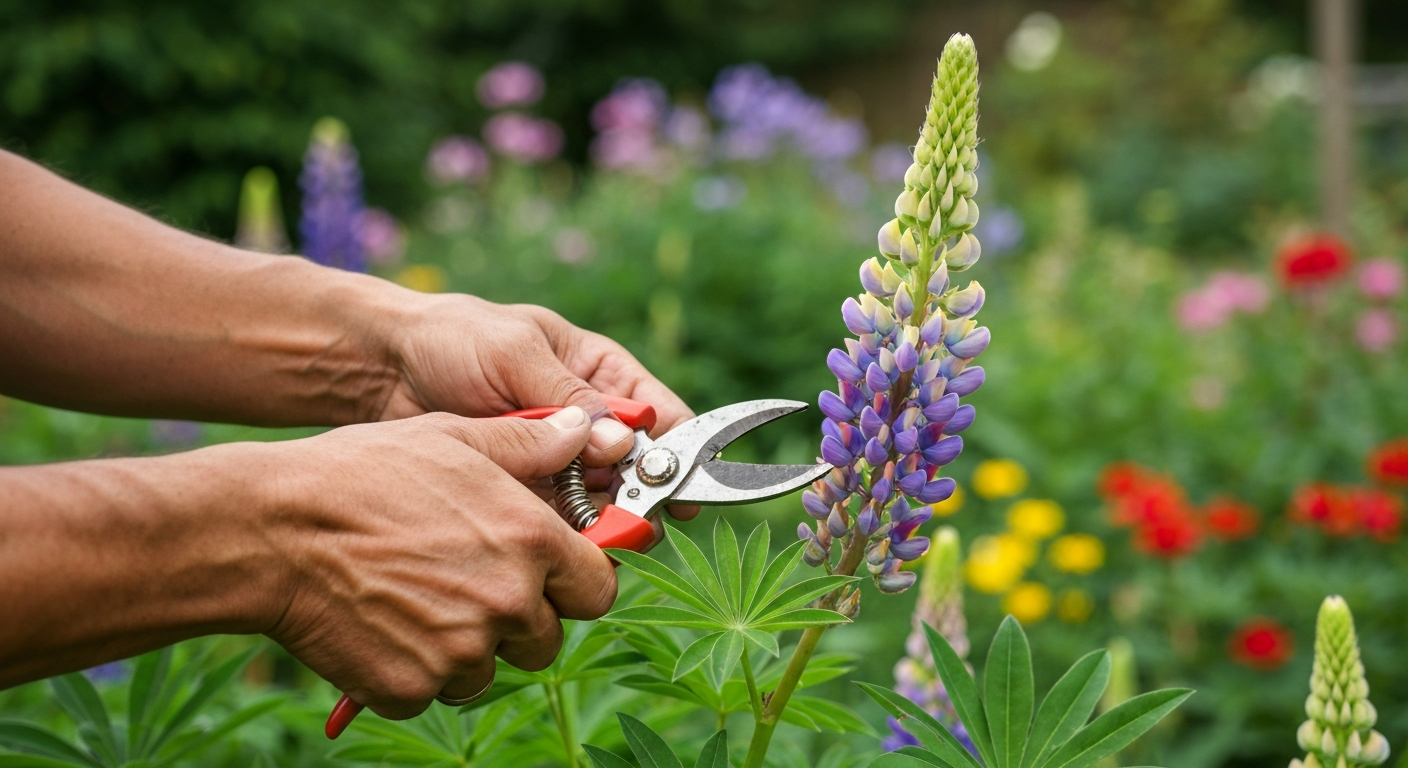
A simple trick can significantly extend the bloom season for your lupines. Remove faded flower heads as soon as they appear, before the plant sets seed. This encourages new side shoots to grow and can lead to a second, smaller flush of flowers in late summer. Use sharp garden shears such as the
\"Wonder Shears\" to make clean cuts. Precise garden tools like these help prevent stems from getting crushed.
Dealing with diseases and pests
Lupines are fairly hardy, but they can occasionally attract pests. Aphids sometimes settle on young shoots and flower buds. You can usually wash them off with a strong stream of water or treat a severe infestation with soapy water. Powdery mildew, which appears as a whitish coating on the leaves, is most common in warm, humid weather. Give plants enough space to ensure good air circulation.
What should I do after flowering?
Lupine care does not end when the last flower fades. With a few simple steps in late summer and fall, you can prepare your plants for winter and may even have new plants to enjoy next year.
Collecting seeds or preventing self-seeding
If you leave the faded stems in place instead of cutting them back to encourage a second bloom, seed pods will form. Many lupine varieties readily self-seed. To prevent them from spreading uncontrollably, remove the seed heads before the pods split open. To harvest seeds, leave the pods on the plant until they turn brown and brittle. Pick them on a dry day and store the seeds in a cool, dry place until you sow them the following year.
Important note
All parts of garden lupines, especially the seeds, are poisonous. They contain alkaloids that can cause poisoning if eaten. Keep children and pets from touching or swallowing the seeds.
Preparing for winter
Perennial lupines are generally hardy. After the first frost, the parts of the plant above ground die back. You can cut the dried stems back to ground level in fall. In exposed locations or during especially harsh winters, add a light covering of leaves, brushwood, or compost. This protects the crown of the plant from hard frost and icy winds. In spring, new growth will emerge from the roots.
Conclusion: A Valuable Addition to Any Garden
Lupines are easy-to-grow, rewarding garden plants. Their vibrant flower spikes add color and structure to any flower bed, improve the soil, and attract beneficial insects. From sowing lupine seeds to getting the plants ready for winter, these perennials need very little attention and reward you with an impressive display of blooms. Give them a try and enjoy the majestic beauty of lupines.
Frequently Asked Questions
- Are lupines hardy?
- Yes, most perennial lupines are hardy and can spend the winter in the garden without any problems. In harsher locations, a light layer of leaves or brushwood is recommended, especially for young plants. They will sprout again the following spring.
- Why aren't my lupines flowering?
- A lack of flowers can have several causes. The location may be too shady, or the soil may be too rich in nutrients or too alkaline. Lupines prefer sunny spots and poor, slightly acidic soil. Too much nitrogen fertilizer encourages leaf growth at the expense of flowers.
- Do lupines need fertilizer?
- No, lupines generally do not need fertilizer. As legumes, they fix nitrogen from the air in the soil and provide for themselves. Too much fertilizer, especially nitrogen, leads to lots of leaves but few flowers. A spring application of compost is more than enough.
- Are all parts of the lupine poisonous?
- Yes, all parts of garden lupines, especially the seeds, contain toxic alkaloids and should not be eaten. Take care when children or pets are playing in the garden. Specially bred sweet lupines grown for agriculture are non-toxic.
- Can lupines be grown in pots?
- Yes, dwarf lupines and annual varieties are well suited to growing in pots. Choose a deep planter because lupines develop taproots. Make sure it drains well to prevent waterlogged soil, and use a loose, low-nutrient potting mix.
You might also be interested in
- Summer Flowers for the Garden: A Riot of Color All Season
- Creating a Wildflower Meadow: How to Turn Your Garden into a Floral Paradise
- Flowers in the Garden: Popular Varieties and Planting Tips
- How to Plant and Care for Lavender: The Ultimate Guide
- Geranium Care: Tips for Beautiful Blooms on Balconies and in the Garden
- Garden Plants for Beginners: An Easy Introduction to Gardening