
In brief: You can make juice at home in three ways: cold-press juicing with a slow juicer for maximum nutrients, steam juicing for large quantities and a longer shelf life, or simply using a saucepan. Each method suits different types of fruit and purposes, from fresh juice to stocking up for later.
Is an apple tree in your garden bending under the weight of its fruit? Are your berry bushes producing more than you can eat fresh? Then it is time to turn your harvest into liquid gold. Homemade juice tastes more vibrant than store-bought juice, and you decide exactly what goes into it. No artificial additives and just the right amount of sweetness. We’ll show you three tried-and-true ways to make juice at home, from a quick, fresh drink to juice you can store for the winter.
Why make your own juice? The benefits at a glance
Grabbing ready-made juice at the grocery store is easy. But making your own has some unbeatable advantages. You have complete control over the ingredients: no hidden sugar, preservatives or artificial colors. Just the pure taste of the fruit, exactly as it should be. That’s especially valuable if you’re mindful about what you eat.
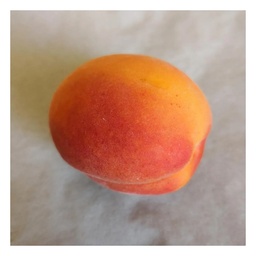
When you process fruit straight from your own garden or a local farmers market, you know exactly where it comes from. You can make use of seasonal surpluses and keep good food from going to waste. A bumper harvest of your own apricot 'Mombacher Frühe' can become a delicious supply for the whole year. This saves money and helps the environment by cutting down on transportation and packaging waste.
Freshly pressed juices provide vitamins and plant compounds in concentrated form. They’re a valuable part of a balanced diet, but shouldn’t completely replace whole fruit.
Getting prepared: fruit and equipment
Good preparation is half the battle when it comes to making great juice. The quality of your ingredients determines the final result. Use only ripe, healthy and aromatic fruit. Fallen fruit is fine as long as you generously cut away any bruised or rotten areas. A few small worm-damaged spots are no problem—just cut them out.
Wash all fruit thoroughly under running water. The rest of the preparation depends on the method and type of fruit. Quarter or cut apples and pears into eighths, then remove the cores. Remove the pits from stone fruit such as cherries, plums and apricots. Berries can usually be processed whole. A clean work surface and clean tools are essential to help the juice keep longer.
Additional advice
Combine sweet and tart fruit for a balanced flavor. Classic pairings include apple and blackcurrant, pear and raspberry, or apple and rhubarb. A small splash of lemon juice also helps keep the juice from turning brown as you prepare it.
Method 1: Cold-press juicing for maximum nutrients
With cold-press juicing, often done with a slow juicer, fruit is slowly pressed or crushed to extract its juice. Very little heat is generated, which helps preserve heat-sensitive vitamins, enzymes and aromatic compounds. The result is a fresh, natural juice full of nutrients that’s best enjoyed right away.
How does a slow juicer work?
A slow juicer uses one or two press screws that rotate slowly. They crush the fruit and vegetables, then press the juice through a fine mesh filter. The dry pulp is ejected separately. This gentle method produces a high juice yield and vibrant color.
How to cold-press juice, step by step
- Prepare the fruit: Wash the fruit and cut it into pieces that fit into your appliance’s feed chute. Remove hard pits and stems.
- Start the appliance: Assemble the juicer according to the instructions and place a container under both the juice outlet and the pulp outlet.
- Extract the juice: Add the fruit pieces to the appliance gradually. Press down gently with the pusher—the machine does most of the work.
- Enjoy: Pour the fresh juice into glasses and drink it right away if possible. In a sealed bottle, it will keep in the refrigerator for around 24 to 48 hours.
Pro tip
Don’t throw away the pulp! It’s rich in fiber. Mix apple or carrot pulp into your next cake batter or muesli, or use it as the base for vegetarian fritters. It also works well for thickening sauces.
Method 2: Steam Juicing for Large Quantities and Long Shelf Life
If your garden rewards you with kilos of berries, apples, or stone fruit, a steam juicer is the right choice. This method is ideal for efficiently processing large quantities of fruit and preserving the juice right away. The hot steam breaks down the fruit cells, and the juice collects—already pasteurized and ready for bottling.
How a Steam Juicer Is Structured
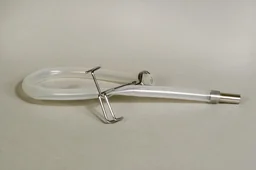
A steam juicer consists of three parts. At the bottom is the water pot, which generates the steam. Above it is the juice collector with a drain hose. At the top is the fruit basket with a perforated base, which is filled with fruit. The rising steam cooks the fruit, the juice drips into the middle section, and it can be bottled hot directly from there. A suitable drain hose with clamp ensures clean and safe handling.
How to Steam Juice Fruit
- Prepare the appliance: Fill the bottom pot about three-quarters full with water and bring it to a boil.
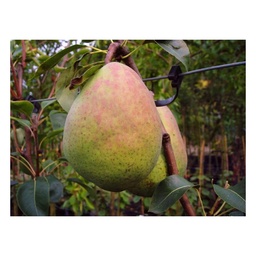
- Add the fruit: Wash the fruit. Place smaller fruit such as berries whole in the fruit basket, while larger fruit such as apples or the pear 'Alexander Lukas' should be roughly chopped. You can sprinkle sugar over the fruit in layers if desired.
- Extract the juice: Assemble the juicer and place it on the hot stove. Clamp the drain hose shut at first. After 30-60 minutes, depending on the type of fruit, enough juice will have collected.
- Bottle while hot: Let the hot juice run directly from the hose into previously sterilized bottles. Seal the bottles immediately. The juice will keep for many months.
Steam juicing is a tried-and-true way to preserve the summer harvest for winter. The heat pasteurizes the juice, and when bottled hygienically, it will keep for months without losing its flavor.
Method 3: How to Make Juice Without a Juicer—The Stovetop Method
Don't have a juicer but still want to make delicious juice from your fruit? No problem. You can also use a large pot, a sieve, and a clean cloth. This method is especially good for very soft or juicy fruit such as berries and produces a rich, nectar-like juice or a perfect base for jelly.
How to Make Juice in a Pot
This traditional method requires only basic kitchen equipment from your trusted shop. It's straightforward and ideal for smaller quantities.
- Cook the fruit: Place the prepared fruit in a large pot. Add a small amount of water to keep it from burning (e.g. 200 ml per 1 kg of fruit). Bring everything to a boil and simmer until the fruit is soft and falling apart.
- Strain the fruit: Line a fine sieve with a clean dish towel or straining cloth and place it over a large bowl. Pour the cooked fruit mixture into it.
- Leave to drain: Let the juice drain for several hours or overnight. For clear juice, don't squeeze the cloth. If you want a higher yield and don't mind cloudy juice, you can gently press the mixture.
- Process the juice: You can now sweeten the collected juice to taste and boil it briefly again to preserve it before pouring it hot into bottles.
How Do You Preserve Juice? Bottling and Storage
Whether you use a steam juicer or a pot, cleanliness is essential for long-term storage. Clean handling and proper bottling prevent mold growth and fermentation. The key to success is filling sterilized bottles while the juice is hot.
Sterilizing Bottles and Lids
Thoroughly wash glass bottles with screw tops and their matching lids with dish soap and hot water. Rinse them well. To sterilize the bottles, place them in the oven while they're still wet at 130 °C for about 15 minutes. Boil the lids in a small pot of water for a few minutes.
Important note
Work quickly and handle the sterilized bottles and lids only on the outside. The juice must be at least 75-80 °C when bottled to kill germs and create a vacuum in the glass.
The Bottling Process
Pour the boiling-hot juice into the hot bottles, stopping just below the rim. A funnel is very useful here. Immediately seal the bottles tightly with the sterilized lids. Then lay the bottles on their sides for a few minutes so the hot liquid also sterilizes the lids and the remaining air space. Once cool, label the bottles with their contents and the date. Store the juice in a cool, dark place such as a basement or pantry. Your treasures from the Garden + Outdoor range will be perfectly preserved this way.
Conclusion: Fresh Juice, Exactly to Your Taste
Making your own juice is a rewarding task that gives you pure, unadulterated flavor. The cold-press method is ideal for an immediate vitamin boost. Steam juicing handles a large harvest with ease and preserves summer in a jar. And the simple stovetop method lets you get started without specialist equipment. Whichever method you choose, you'll turn your fruit into a valuable food and enjoy the taste of your garden all year round.
Frequently Asked Questions
- Which fruits are best for juicing?
- Almost any fruit is suitable for juicing. Apples, pears and grapes are classic choices with a high juice yield. Berries, cherries and stone fruit are ideal for steam juicing. Hard vegetables such as carrots and beets are best combined in a cold-press juicer. Avoid very mealy or starchy fruits such as bananas.
- Do I need to add sugar to juice?
- No, it is not essential. With ripe, sweet fruit, the natural sweetness is often enough. However, sugar can extend the shelf life and balance the flavor of very tart fruits such as rhubarb or quince. Add it to taste and consider how you plan to use the juice.
- How long does homemade juice last?
- The shelf life depends on the method used. Fresh cold-pressed juice keeps in the refrigerator for around 2-3 days. Juice bottled hot from a steam juicer or saucepan will keep for at least 12 months if prepared hygienically and stored in a cool, dark place. Opened bottles should always be refrigerated.
- Can I reuse the pulp left over from juicing?
- Yes, absolutely. The pulp—the solid fruit residue—contains valuable fiber. You can use it to make fruit spreads, bake it into cakes and muffins, add it to granola, blend it into smoothies, or even use it to make vegetable patties or fruit leather. This reduces waste and helps you use the whole fruit.
- Why is my homemade juice cloudy?
- Cloudiness in juice is usually natural and does not indicate a quality issue. It consists of fine fruit particles and suspended solids. Cold-pressed juices are often naturally cloudier. When cooking or steam juicing, you can filter the juice through a fine cloth to make it clearer, but this will remove some of the fiber.
You may also be interested in
- Juicer Review & Comparison 2026: The Best Machines Tested
- Make Your Own Elderflower Syrup: An Easy DIY Recipe
- How to Preserve Homemade Food: Tips for Long-Lasting Storage
- Make Your Own Sauerkraut: Use Unusual Ingredients
- How to Make Jam: Easily Preserve Sweet Fruit at Home
- Preserve Your Harvest: How to Stock Your Pantry