
In brief: A metal garden shed provides durable, low-maintenance storage for your yard. In our review, models with corrosion-resistant steel panels and sturdy frames stand out. Choosing the right size and design for your needs is key. Our 2026 comparison helps you find the best options.
Looking for a durable, secure place to store your garden tools, bikes, or outdoor furniture? A metal garden shed is a great choice, combining strength with minimal upkeep. In our comprehensive 2026 review and comparison, we highlight the best models and explain what to look for when buying. We’ll help you find the right shed for your needs.
Table of Contents
Buying guide: What should you look for?
Before choosing a garden shed, consider a few key questions. Doing so can save time and help you avoid costly mistakes.
Choosing the right size
Measure more than just the equipment you own today. Consider future purchases, such as a new bike or a larger lawn mower, and leave some extra floor space. A clear central aisle makes it easier to get around. Door height is also important if you plan to store tall equipment, such as a rototiller or a raised hunting stand.
Material and corrosion protection
The quality of the steel panels and their protective coating are key to long-term durability. Check the manufacturer's specifications. Hot-dip galvanizing or an aluminum-zinc coating (such as ZA 275) are considered high-quality, durable options. The panel thickness, measured in millimeters, gives you an idea of how sturdy the walls and roof are.
Tip: Check that the door and window frames are made from sturdy profiles. This improves security and helps prevent warping over time.
Key features compared
Our review focuses on features that make a real difference in everyday use. Here’s what matters most.
Stability and construction
A level, solid foundation is essential. The shed should also have a sturdy frame that can withstand wind and snow loads. We check the quality of the screw connections and how well the panels fit together. Neatly folded edges help reduce the risk of injury.
Break-in protection
Metal offers a degree of protection by nature, but the door and locking system make a big difference. A multi-point locking system is more secure than a simple padlock. Reinforced door panels and sturdy hinges provide added protection against unauthorized access.
Weather resistance and watertightness
The roof should extend beyond the walls to help direct rainwater away. We also look for integrated gutters and downspouts. Door and window seals should keep water out and resist UV damage so they continue to work properly for years.
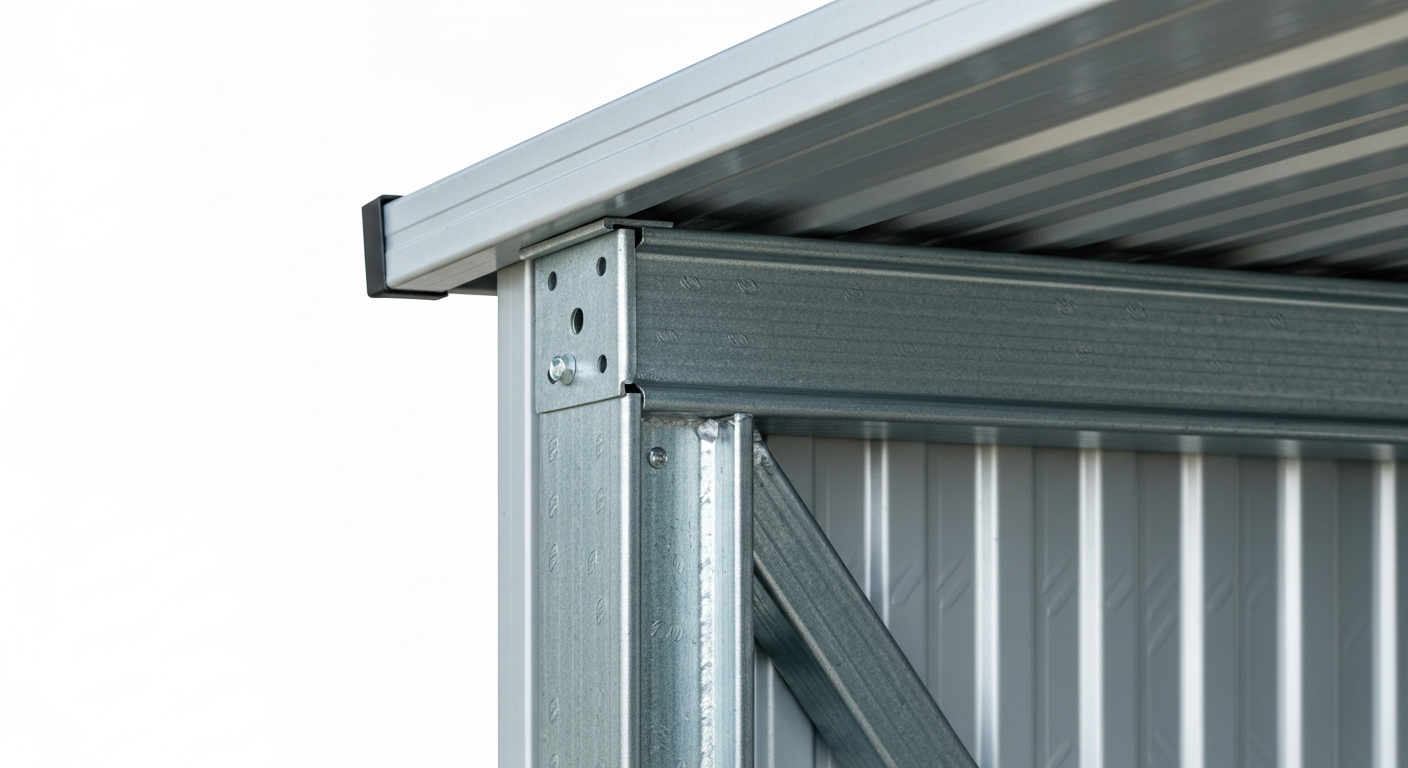
Important: Budget models often cut corners on seal quality. Over time, moisture can get inside and cause rust on your stored equipment.
Best metal garden sheds at a glance
Here’s a quick comparison of selected top models from our review. Use the table to compare their key features at a glance.
Our top-rated metal garden sheds, compared side by side:
| Model | Customer rating | Availability |
|---|---|---|
| Absco Highlander MB60303HK metal shed - 596x300x230 cm | – | Currently unavailable |
| Absco Highlander MN3060HK metal garage - 596x300x230 cm | – | Currently unavailable |
| Absco Highlander PE3060HK - metal garage - 596x300x230 cm | – | Currently unavailable |
| Absco Highlander WG3060HK metal garage - 596x300x230 cm | – | Currently unavailable |
| Absco Highlander WG60303HK metal garage - 596x300x230 cm | – | Currently unavailable |
Some of the models we reviewed stand out for their particular strengths. The stands out for its generous dimensions and is a great fit for anyone with lots of garden equipment. For smaller yards, the offers a space-saving yet sturdy solution. If you need a little more floor space, the is an excellent choice.

Pros and cons of metal garden sheds
Every material has its benefits. Here’s an honest look at what to expect.
The main advantages
Metal garden sheds are durable and hard-wearing, with very little maintenance required. Unlike wood sheds, they don’t need regular painting or protection from pests. They’re more fire-resistant than plastic or wood and often provide better protection against theft. With a well-designed system, assembly is usually quick and requires only a few tools.
Potential drawbacks to consider
Metal sheds can get very hot inside in summer and very cold in winter, which may affect sensitive items stored inside. Heavy rain or hail can also make them noisier than wooden sheds. Without adequate corrosion protection, rust may develop over time, especially where the finish is damaged.
Note: Metal garden sheds often have a practical, utilitarian look. If you prefer a more natural style for your yard, you might also consider wood garden sheds.
Assembly and foundation: How to install your shed successfully
A successful assembly process begins long before you unpack the first parts. The right preparation is half the battle.
Creating the perfect foundation
A concrete footing foundation or a frost-proof slab foundation are the best solutions. For smaller sheds, a compacted sub-base of crushed stone or gravel with a surrounding lawn edge is often sufficient. It is important that the ground is perfectly level. Use a spirit level. The foundation should exceed the shed's footprint by at least 5 cm.
Step-by-step assembly
Always follow the instructions supplied. Start by assembling the floor frame on the completed foundation. Then systematically assemble the wall panels and roof. Work in pairs, as this makes handling the large metal sheets easier. Initially, tighten all screws only by hand and carry out the final tightening once all parts have been aligned.
Care and maintenance for a long service life
Maintenance requirements are low, but not zero. With little effort, you can significantly extend the service life.
Regular checks
Inspect your garden shed at least once a year, ideally in spring. Look for scratches or chipped areas in the paint or galvanizing. Check the seals around doors and windows for cracks or brittleness. Make sure all screws are tight.
Carrying out repairs yourself
Clean and prepare small areas of rust or scratches with a wire brush. Then apply a rust converter primer followed by a suitable metal protection paint. Suitable sealing profiles are available from specialist retailers. Also remember to care for your entire garden.
What alternatives are there to metal?
Metal is not the only option. Depending on your requirements, other materials may be a better fit.
Wooden garden sheds
Wood offers a natural appearance and a more pleasant indoor climate because it balances moisture levels. However, it requires more maintenance and is more susceptible to weather and pests. The requirements for the surrounding area are higher.
Plastic garden sheds
Plastic models are very lightweight, rustproof and require almost no maintenance. They are often inexpensive to buy. However, their stability and service life are generally lower than those of metal models. They offer less security and may fade or become brittle over time when exposed to UV radiation.
Stone or concrete structures
Solid structures made of stone or concrete are the most durable and secure solution. However, they involve considerable effort and expense and generally require a building permit. They are a permanent solution for valuable contents.
Conclusion: A metal garden shed is the ideal combination of durability, security and low maintenance. Our 2026 comparison will help you find the model that perfectly matches your space requirements and budget. Choose quality materials and workmanship, and you will enjoy your new metal garden shed for many years.
Frequently Asked Questions
- What are the advantages of a metal garden shed over a wooden shed?
- Metal garden sheds are much easier to maintain because they do not need to be painted or treated against pests. They are generally more fire-resistant and often offer better protection against break-ins. They are also less sensitive to weather conditions such as moisture when properly galvanized or coated.
- Do I need a building permit for a metal garden shed?
- This depends on the size and the applicable local building regulations in your area. Small, freestanding garden sheds are often exempt from approval. A permit may be required for larger models or if you build the shed on the property boundary. Always check with your local building department before buying.
- How should I prepare the ground for a metal garden shed?
- A level, load-bearing surface is essential. A foundation made of concrete or compacted crushed stone is ideal. This prevents settling and ensures stability. Make sure the foundation extends slightly above ground level to keep splash water and moisture away from the floor panel.
- Does a metal garden shed rust quickly?
- High-quality garden sheds are made from hot-dip galvanized or aluminum-zinc-coated sheet steel. These protective coatings effectively prevent rust. However, surface damage such as scratches should be repaired promptly with suitable paint to maintain corrosion resistance.
- Can I heat a metal garden shed in winter?
- We advise against conventional heating because temperature differences can cause significant condensation inside. This promotes rust on tools and on the building itself. Use the shed as a storage space. For a workshop, you need a specially insulated and ventilated model.
You may also be interested in
- Greenhouse Test & Comparison 2026
- Workshop Test & Comparison 2026: The Best Tools in Practical Tests
- Trash Can Storage Box Test & Comparison 2026: The Best Models Reviewed
- Fire Pit Bowl Test & Comparison 2026
- Metal Garden Shed: Benefits and Building Ideas for Your Home
- Kitchen Appliances Test & Comparison 2026