
In brief: A mini jigsaw is the better choice for fast, curved, and complex cuts in different materials. It offers efficiency and versatility. A handsaw, on the other hand, provides maximum control and precision for straight cuts, traditional woodworking joints, and locations without electricity. The right choice depends on the project.
Precision is everything. Whether you are building models, doing detailed woodworking, or crafting, a clean, fine cut can determine success or failure. But what is the right tool for fine cuts for your project? The choice often comes down to two very different options: the agile mini jigsaw and the traditional handsaw. Both have their strengths, but their uses differ considerably.
This guide compares the two tools in detail. We analyze speed, precision, versatility, and ease of use. By the end, you will know exactly when to reach for the electric helper and when a handsaw is the better solution. Find out which tool will truly enhance your workshop.
A tool is only as good as the hand that guides it. But choosing the right tool turns a good hand into a masterful one.
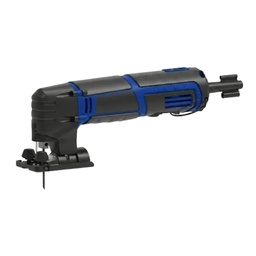
For many projects that require speed and complex shapes, a compact electric saw is the first choice. The Mini Jigsaw 75 Watt () is a prime example of such a compact powerhouse. With its 75-Watt motor, it provides enough power for precise cuts in wood, plastic, and thin metals without becoming cumbersome. Its low weight and ergonomic design offer excellent control, even when cutting tight curves and interior openings.
Contents
- What is a mini jigsaw and how does it work?
- The handsaw: A timeless classic for fine work
- Mini jigsaw or handsaw: A direct comparison
- How do I know which tool I need?
- How to care for your saws so they last
What is a mini jigsaw and how does it work?
A mini jigsaw is a compact version of a conventional jigsaw. It was developed specifically for detail work, craft projects, and model making. Its design focuses on maximum maneuverability and control rather than the cutting depth and power needed for heavy-duty construction work.
How a mini jigsaw is designed
At its heart is a small electric motor that drives a reciprocating rod. The saw blade is attached to this rod. The blade's rapid up-and-down movement cuts through the material. Unlike their larger counterparts, mini jigsaws are often lighter, have a narrower grip, and feature a smaller base plate, which improves visibility of the cutting line. Many models, such as the , are designed for comfortable one-handed use.
How it works: Fast and precise
You place the saw's base plate on the workpiece and guide the moving blade along your marked cutting line. The high stroke rate, or speed of the up-and-down movement, ensures rapid progress. Its real strength, however, lies in its ability to cut curves effortlessly. By simply turning the tool, you can follow any shape you want. This makes the mini jigsaw unbeatable for round cutouts, curved edges, and cutting out shapes.
The handsaw: A timeless classic for fine work
The handsaw is the embodiment of traditional craftsmanship. It requires skill and patience, but rewards you with unparalleled control and an almost meditative working experience. For fine cuts, you do not use coarse panel saws but specialized hand tools.
Different types of handsaws for precision cuts
There are several specialized saw types for detailed work. The fine-tooth saw, often with a reinforced back (backsaw), has very fine teeth and produces extremely clean, straight cuts. It is ideal for woodworking joints such as dovetails and half-lap joints.
The Japanese saw (Nokogiri) cuts on the pull stroke. This means it cuts when you draw the saw toward you. This allows for very thin blades that remove less material and enable more precise cuts. Types such as the Dozuki (with a back) or Ryoba (with a double-sided blade for rip and crosscuts) are very popular for precision work and furniture making.
For the tightest curves and fretwork, the coping saw, with its fine, tensioned wire blade, is the tool of choice. It offers the greatest freedom when shaping, but is limited to very thin materials.
The art of handsawing: Technique and patience
Successful handsawing is a matter of technique. Position the saw with the knuckle of your thumb as a guide. Begin the cut with short, light strokes. Once a notch has formed, use the entire length of the saw blade in a smooth, even motion. Apply pressure only in the cutting direction, which means pulling with a Japanese saw. It takes practice, but the result is a perfectly smooth, straight cut edge.
Additional advice
Think of these tools as a team. A well-equipped workshop for fine work benefits from both. Start with the tool that suits your current projects and expand your collection later. Each tool broadens your creative possibilities.
Mini Jigsaw or Handsaw: A Direct Comparison
Let’s compare the two tools directly. The right choice depends largely on the specific task, the material and your personal preferences.
Speed and Efficiency
This is where the mini jigsaw clearly comes out on top. The electric motor gets the job done in a fraction of the time you would need with a handsaw. When cutting multiple identical pieces or making longer cuts, the speed advantage is enormous. A handsaw requires strength and stamina and is unsuitable for fast production work.
Precision and Control
This point is debatable. A skilled craftsperson can achieve a level of precision with a high-quality Japanese pull saw that is hardly possible with a power tool. The direct, tactile feedback allows for the smallest adjustments during the cut. With curves, however, the situation is reversed. Here, the mini jigsaw offers superior control by design and enables even radii that can only be achieved by hand with a coping saw and plenty of practice.
The secret to a perfect cut lies not in strength, but in choosing the right saw blade. It is the soul of the saw.
Versatility and Applications
The mini jigsaw is an all-rounder. With the right blade, it cuts plywood, thin solid wood, plastics, acrylic glass and even thin sheet metal. Its ability to make so-called plunge cuts (internal cut-outs without drilling a starter hole) opens up additional possibilities. A handsaw is more specialized and usually limited to wood. There are saws for metal, of course, but they are designed for different tasks.
Pro Tip
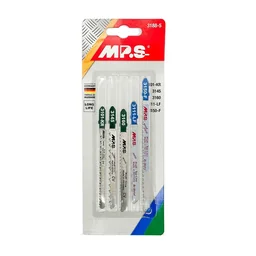
The quality of your jigsaw cuts depends largely on the saw blade. Invest in a good set such as the 5-piece jigsaw blade set (). A blade for curved cuts has a different geometry from one for fast, straight cuts or for metal. The right tool accessories can turn a good tool into a perfect one.
Learning Curve and Handling
The basic operation of a mini jigsaw can be learned quickly. The challenge lies in guiding the saw exactly along the line and avoiding tilting. A handsaw takes longer to master when it comes to starting and completing a straight, clean cut. You need to get the right posture and motion down.
How Do I Know Which Tool I Need?
Use this checklist to make the right choice for your next project. It is not about which tool is “better,” but which one is more suitable for the specific task.
Choose the Mini Jigsaw If...
- ...you need to work quickly: For projects involving many cuts, the time saved is considerable.
- ...you need to cut complex curves: Curved lines, circles and organic shapes are where it excels.
- ...you need to make internal cut-outs: A hole for an outlet or a viewing window in a model wall are ideal tasks.
- ...you work with different materials: With the right blade, you can switch effortlessly from wood to plastic.
- ...comfort is important: Your arms will tire less during longer jobs than they would when sawing by hand.
A mini jigsaw is a versatile power tool that no home workshop should be without.
Choose the Handsaw If...
- ...you need absolute precision for straight cuts: It is often the better choice for precise wood joints.
- ...quiet operation matters: You can even work at home in the evening without disturbing your neighbors.
- ...you do not want a power cord or battery: Ideal for use in the garden or in places without a power supply.
- ...you need a perfect, tear-out-free finish: A fine Japanese pull saw leaves an exceptionally smooth cut edge.
- ...you enjoy the hands-on process: For many people, the feeling of working the wood by hand is an important part of the hobby.
Proper Care for Long-Lasting Saws
Regardless of which tool you choose, proper care ensures long service life and reliable performance. Neglected tools are not only frustrating to use, but also dangerous.
Maintaining the Mini Jigsaw
Always keep the motor’s ventilation slots free of dust. A small brush or compressed air can help with this. Regularly check that the blade holder is secure and clean it of resin and dust deposits. Wipe the base plate clean to prevent scratches on sensitive surfaces. Store the tool in a dry, protected place.
Important Note
Always wear safety glasses when working with a mini jigsaw. Fine sawdust can irritate your eyes. Hearing protection is also recommended for longer jobs. Unplug the tool before every blade change or cleaning task.
Caring for the Handsaw
The most important part of a handsaw is the blade. Keep it clean and dry to prevent rust. After use, especially with damp wood, wipe the blade dry and rub it with a lightly oiled cloth. Camellia oil is a traditional and effective choice for this. Protect the delicate teeth during storage, for example with a clip-on edge protector.
In summary, the “jigsaw or handsaw” debate has no clear winner. Both tools have their place. The mini jigsaw is the fast, versatile problem-solver for modern materials and complex shapes. The handsaw is the specialist for maximum precision in traditional woodworking joints and offers an unparalleled hands-on experience. The best choice depends entirely on you and your project.
Frequently Asked Questions
- Can a mini jigsaw replace a standard jigsaw?
- Partly. A mini jigsaw is ideal for fine, intricate work, but it has limits when cutting thick materials or making long, straight cuts in countertops. It complements a full-size jigsaw but cannot fully replace one in a well-equipped workshop.
- Which handsaw is best for beginners?
- A Japanese dozuki saw is a good choice. Its reinforced spine stabilizes the blade, and the pull stroke makes it easier to start and guide the cut. It produces very clean cuts and is more forgiving of small mistakes than a fine saw designed for push cuts.
- Do I need special blades for a mini jigsaw?
- Yes. Most mini jigsaws use T-shank or U-shank blades of the correct length. Check that the blades are compatible with your tool. Special blades for wood, metal, or curved cuts are available and can make a big difference in the results.
- How can I prevent tear-out when cutting with a jigsaw?
- Cut from the back of the workpiece or cover the cut line with masking tape. A blade with fine, downward-pointing teeth (reverse teeth) and a low pendulum setting can also help keep the visible side clean.
- Is a handsaw safer than a mini jigsaw?
- Generally, yes. Its slower, manual operation reduces the risk of injury, but sharp teeth can still be dangerous. An electric jigsaw requires more caution, especially because of its fast-moving blade and the risk of kickback if used incorrectly.