
In brief: Remove moisture from your car or RV with dehumidifier granules. Place granule bags in the footwell, on the dashboard, or in cabinets. They absorb excess humidity and help prevent foggy windows, musty odors, and mold growth. Airing out your vehicle regularly and drying the bags helps them work effectively.
Fall is here. Rain beats against the windows, and temperatures are dropping. You get into your car, and the windshield immediately fogs up from the inside. It’s an annoying but all-too-familiar problem. Foggy windows are more than just an obstruction to your view, though. They’re the first clear warning sign of a deeper problem: too much moisture inside your vehicle.
Ignore this warning, and unpleasant consequences can follow. A musty odor spreads, the upholstery feels damp, and, in the worst case, you discover mold in your RV or car. This affects more than your comfort and health; it can also significantly reduce your vehicle’s value. The good news is that you can take simple, effective steps to prevent it. A small helper with a big impact can keep your interior dry.
- The silent enemy: Why is moisture in a vehicle a problem?
- The quick solution: Remove moisture effectively with granules
- How can I tell if my car or RV has a moisture problem?
- Proactive strategies: How to keep your vehicle dry over the long term
- When granules aren’t enough: When are electric devices worth it?
- Avoid common mistakes when tackling moisture
The silent enemy: Why is moisture in a vehicle a problem?
Moisture gets into your car or RV in many ways. You bring it inside on wet clothes and shoes. You breathe it out. Leaky door seals or small cracks can let rainwater in. In fall and winter, this moisture condenses on cold windows and metal parts. What starts as a minor annoyance can quickly become a serious problem.
A risk to safety and health
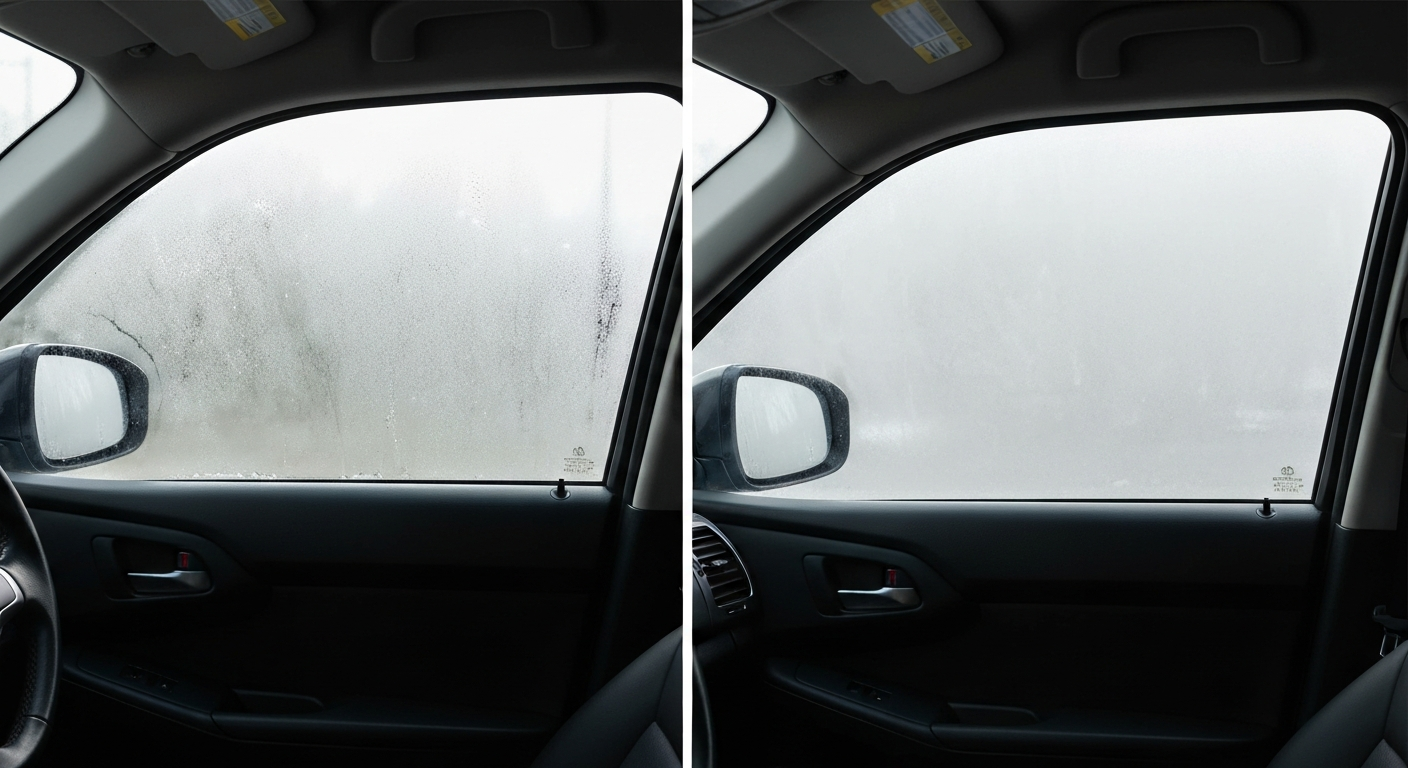
Foggy car windows are a direct safety risk. They drastically limit your visibility and increase the risk of an accident, especially at dusk or at night. The invisible danger can be even greater. Mold thrives wherever moisture collects. Airborne spores can trigger allergies, irritate your airways, and cause other health problems.
Damage to your vehicle’s value
Persistent dampness can damage your vehicle’s structure. Metal parts, especially around the underbody or in hidden corners of the body, can start to rust. Condensation can damage sensitive electronics in modern vehicles, leading to expensive repairs. Once they set in, musty odors are difficult to remove from upholstery and carpets and can put off potential buyers. Keeping your RV dry is an effective way to protect its value.
Moisture is the greatest enemy of any vehicle interior. It gets in quietly, but the damage it causes can be loud and expensive. Prevention is always the best and most affordable repair.
The quick solution: Remove moisture effectively with granules
You don’t need a complicated device to absorb moisture quickly and easily. The solution is a simple but highly effective helper: a granule-based dehumidifier. It works quietly, without electricity, right where you need it.
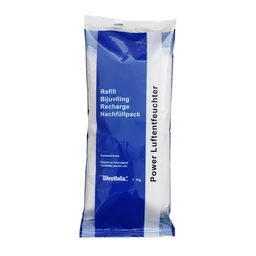
Our tip for immediate use is the dehumidifier granules 1 kg in a fleece bag (). This product is an ideal first line of defense against dampness. The calcium chloride granules inside are highly hygroscopic, which means they attract moisture from the surrounding air like a magnet and bind it securely.
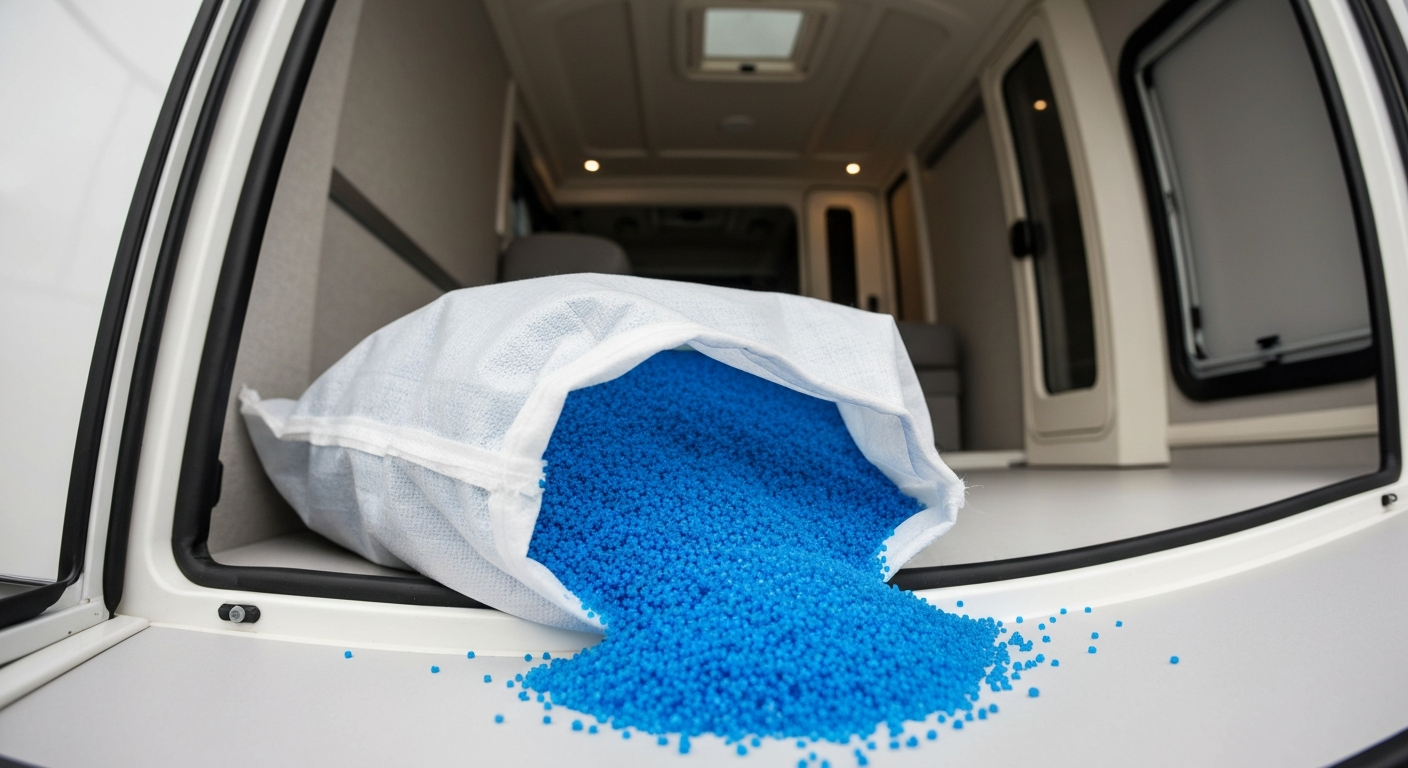
It couldn’t be easier to use. Place the fleece bag in a strategic spot inside your vehicle. In a car, the dashboard is ideal for keeping the windshield clear. You can also use the footwell, where moisture from shoes collects. In an RV, place the bag in cabinets, storage compartments, the bathroom, or under the bed to create a dry environment throughout. The bag can absorb up to 1 Liter of water.
Reusable and economical
The best thing about this solution is that it’s reusable. Once the granules are saturated, you can tell because they become hard and clump together. Don’t throw the bag away. Simply regenerate it on a radiator or in the oven at a low temperature. The bound moisture evaporates, and the granules are ready to use again. This helps protect the environment and save you money.
Pro tip
Place a small granule bag in the glove compartment, too. It helps protect the owner’s manual and other important papers from dampness, crumpling, and mildew stains.
How can I tell if my car or RV has a moisture problem?
Take action before mold becomes visible. Your vehicle sends clear signals when humidity is too high. Look out for these signs so you can spot the problem early and take steps to fix it.
- Persistent foggy windows: If the windows are wet on the inside every morning and the fan takes a long time to clear them, this is a clear sign of excess moisture.
- Musty odor: A damp, basement-like smell that lingers even after you air out the vehicle points to moisture in the carpets and upholstery.
- Damp fabrics: Do the seats, seat belts, or carpets always feel slightly damp? This is an unmistakable sign of excessive humidity.
- Condensation inside the vehicle: If you notice water droplets on the inside rearview mirror, plastic trim, or metal parts, excess moisture is condensing there.
- Visible mildew stains: Small black spots in corners, on window seals, or on the upholstery can be early signs of mold growth. Take action right away.
Proactive strategies: How to keep your vehicle dry long-term
Moisture absorber granules tackle the symptoms. To protect your vehicle long-term, you should also address the causes. A few simple habits can reduce the amount of moisture you bring inside and help your dehumidifier work more effectively.
Proper ventilation is essential
Make sure air circulates regularly. While driving, briefly open several windows fully to create cross-ventilation instead of leaving one window cracked open. This quickly replaces humid interior air with drier outside air without cooling the cabin too much. Use the air conditioning not just to cool your vehicle in summer, but on damp days in fall, too. It removes moisture from the air very effectively.
Keep moisture out
Make a conscious effort to bring as little water as possible into your vehicle. Thoroughly shake off wet shoes and jackets before getting in. Do not leave wet umbrellas or sports bags in the car. Rubber floor mats are ideal in fall and winter because they collect water. Empty them regularly so the water cannot evaporate into the footwell.
Important note
Regularly check the rubber seals on the doors, windows and sunroof. Brittle or damaged seals are a common cause of water leaks. Treat the rubber with products made for automotive seals to keep it supple.
Preparing for storage
Preparation is especially important when storing your RV over the winter. Remove all textiles, such as bed linens and towels. Stand cushions and mattresses upright to ensure good air circulation. Place several moisture absorber units in strategic locations. This preparation is just as important as storing your equipment from the Garden + Outdoor range in a dry place.
When granules are not enough: When are electric devices worth it?
In most cases, granules do an excellent job. However, larger vehicles, extremely high humidity or water damage may call for more powerful support. That is where electric dehumidifiers come in.
Devices such as the 2-in-1 air purifier and dehumidifier () or the similar model deliver significantly better dehumidification performance. They are ideal for winterizing an RV in a garage or storage facility with a power supply. They actively circulate the air and condense moisture into a collection tank. Many of these devices also purify the air by filtering dust, pollen and even mold spores—a welcome benefit for allergy sufferers.


Additional advice
When using an electric dehumidifier in a vehicle, make sure the power supply is safe and the device has sufficient ventilation. Place it in an open area so air can circulate freely.
Avoid common mistakes when tackling moisture
Moisture is easy to manage if you avoid common mistakes. Keep these points in mind to make sure your efforts are successful.
Ignoring the cause: A dehumidifier tackles the symptoms. But if your vehicle has a leak, you need to find and repair it. Check under the carpets, in the trunk (especially the spare tire well) and around the seals. This is the only way to solve the problem for good. Vehicle care is just as important as maintaining garden equipment, such as your garden irrigation system, to prevent rust.
Relying on ineffective home remedies: A bowl of rice or salt in the car has a very limited effect. It absorbs little moisture and is impractical to handle. It is better to invest in a purpose-made product such as moisture absorber granules. You can find plenty of useful products for your car, home and garden in our Shop.
Forgetting about the dehumidifier: A granule bag only works as long as it can absorb moisture. Check it regularly and dry it as soon as it is saturated. Only a reactivated dehumidifier can deliver its full performance.
Customers often come to us only after that musty smell has appeared. Prevention is easy. Spending a few dollars on a good dehumidifier can save hundreds of dollars on professional interior cleaning and ozone treatment.
Moisture in your car or RV is not inevitable. With the right tools and a little attention, you can keep the interior dry, clean and healthy. Moisture absorber granules () are your first and most effective line of defense. They help prevent fogged-up windows, mold and musty odors while preserving your vehicle’s value and comfort. Do not wait for the first problems to appear. Take action now and enjoy every trip with a clear view and fresh air.
Frequently Asked Questions
- How often should I replace or dry out dehumidifier granules?
- It depends on the humidity level. Check the bag every 2-4 weeks. When the granules clump together and are saturated, dry them on a radiator or in the oven according to the instructions. This lets you reuse them several times and save money.
- Can I use household items like salt or rice instead of granules?
- Salt and rice can absorb some moisture, but they’re much less effective than specialty calcium chloride granules. For reliable, long-lasting results in your car or RV, a dedicated dehumidifier is the better choice.
- Where should I put a dehumidifier in my car?
- Place it where air can circulate or where moisture tends to collect. Popular spots include the dashboard (to help prevent fogged-up windows), the footwell under the seats, or the trunk. In an RV, cupboards and storage compartments are also good options.
- What are the first signs of excess moisture in an RV?
- Look for condensation on the windows, a musty smell, damp upholstery or bedding, and, in the worst cases, small dark mildew spots on walls, in corners, or around seals. Act as soon as you notice these signs to prevent damage.
- Are dehumidifier granules harmful to pets or children?
- The granules, which are usually made of calcium chloride, should not be swallowed. Keep the bags out of reach of children and pets. The bags are sealed, so they pose no danger when used normally and correctly.
You may also be interested in
- How to use dehumidifier granules: Say goodbye to moisture!
- Dehumidifiers: How to tackle moisture in your home
- Repairing damp walls: Causes, steps, and prevention
- Prevent mold: Stay mold-free with Schimmelstop
- Winterize your car: Keep your doors from freezing shut
- Spiders in your RV: Effective protection with YACHTICON