
In brief: Modern moisture meters differ considerably in accuracy and application. Specialised soil testers are suitable for soil analysis, while other models are better for storage areas. The correct measuring depth and technology are crucial. Our test shows which devices deliver the best results in 2026 and what to look for when buying.
Moisture is a decisive factor in agriculture. Whether in the soil, storage areas or animal feed, the right moisture level determines quality and yield. A reliable moisture meter helps you stay in control. Our 2026 test and comparison shows you which devices perform well and what to look for when buying.
Table of contents
What types of moisture meters are available?
There are two basic measuring principles. Capacitive measurement detects the dielectric constant of a material. This method is well suited to loose materials such as grain or hay. Resistance measurement determines the conductivity between two electrodes. It is ideal for soil analysis.
Handheld meters are compact and portable. They are suitable for spot checks in the field or storage areas. Stationary systems continuously monitor moisture at a fixed location. They form the basis for automated processes.
Devices for specific materials
For wood, you need special hammer-in electrodes. For grain, probes with a large penetration depth are crucial. For soil, a robust tip is important so that it can penetrate hard ground. Always choose a device designed for your material.
Test buying criteria: What matters
Accuracy is the most important criterion. Deviations of more than two percent can already have major financial consequences. Check the manufacturer's specifications for tolerance.
Measuring depth varies considerably. Some devices only measure surface moisture, while others measure up to 30 centimetres deep. Sufficient depth is essential for deeper soil layers or high silo fill levels.
Many inexpensive devices only measure surface moisture. This leads to inaccurate results, especially in soil or layered stored materials. Always check the maximum penetration depth.
The device should be easy to operate. A clear display that is readable even in sunlight is an advantage. Resistance to dust, splashing water and impacts makes a device durable.
Additional functions at a glance
Data logging stores measurement series. This helps with documentation and trend analysis. Interfaces such as Bluetooth transfer data to a smartphone or computer. Some devices also measure temperature or pH value.
Comparison of the 2026 models
Our comparison puts the current devices head to head. We tested them under real-world conditions.
The most-reviewed moisture meters from our range in direct comparison:
| Model | Customer rating | Availability |
|---|---|---|
| Soil tester for pH value and moisture 🏆 Test winner | ★ 4,9 (48) | In stock |
| Trailer net with elasticated band 1,60 x 2,50 metres | ★ 4,8 (14) | In stock |
| Euro-Net Kombi double-spike fence 150 m/2 - 50-metre roll for agriculture | – | Currently unavailable |
| Fritz Göbel 300-metre Lite remote trainer - basic obedience training | – | Currently unavailable |
| Fritz Göbel 600-metre Lite remote trainer - range up to 600 m | – | Currently unavailable |
In practical testing, the
impressed us with its ease of use and clear display. It is a solid all-rounder for the farm.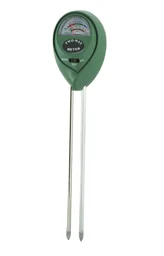
Test the device before buying it with material you know. This allows you to check whether the reading is plausible and whether the operation suits you.
For specific applications such as monitoring feed quality, a robust accessory like the
can be useful for optimising storage conditions overall.
Use in agriculture
In arable farming, measure soil moisture to control irrigation efficiently. This saves water and improves plant growth. Measure at several points in the field, as moisture levels can vary.
In storage facilities, you protect your harvest. Excessive moisture in grain silos leads to mould and heating. Regular checks are essential here. Use the Storage section to find suitable solutions.
Measuring moisture in animal feed
For hay and silage, the right moisture level prevents heating and quality loss. Measure during storage and throughout the storage period. Moisture levels between 40 and 60 percent are particularly critical.
Care and maintenance of your meters
Clean the electrodes after every measurement. Use a soft, dry cloth. If they are dirty, you can carefully rinse the tips with water. Then dry them thoroughly.
Always store your moisture meter in a dry, protected place. Extreme temperatures can damage the electronics and calibration. The ideal storage location is a dry room at room temperature.
Check the calibration regularly. Some devices offer automatic calibration. For others, use calibration fluids or reference materials. Incorrect calibration makes all measurements worthless.
Problems and solutions
Fluctuating readings indicate loose contact or dirt. Check the electrodes. If the device stops displaying anything, check the batteries. Use high-quality batteries for a stable voltage.
The future of measurement technology
Connectivity is advancing. Modern devices send their data directly to farm management systems. This gives you access to all your information in one central location. Automation will continue to increase.
Sensor networks monitor entire fields or storage buildings. They detect moisture gradients and report problems at an early stage. These systems are an investment in the future of your farm supplies equipment.
AI and data analysis
Artificial intelligence analyses historical measurement data. It recognises patterns and can provide irrigation recommendations. This technology will reach more and more devices in the coming years. It supports you when making complex decisions.
Conclusion: The best device for your needs
Choosing the right moisture meter depends on your specific requirements. A solid handheld device is sufficient for simple soil checks. For continuous monitoring of silos, you need a stationary system.
Our test winner for soil testing is the . It combines accuracy with ease of use. To secure your load during transport, a
may also be useful, even though it is not a measuring device.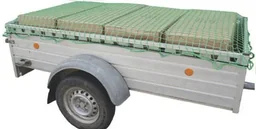
Invest in quality. A reliable moisture meter is an essential tool for modern agriculture. It protects your crops, conserves resources and increases your efficiency. Explore the full range of moisture meters to find the ideal solution.
Frequently asked questions
- Which moisture meter is suitable for grain silos?
- For grain silos, you need special probes with long measuring tips that can penetrate deep into the bulk material. Look for a robust design and coverage of the entire storage area. Stationary systems with multiple sensors provide the most reliable readings.
- How often should you measure soil moisture?
- Measure soil moisture at least weekly, or daily during major weather changes or before irrigation. The best time is early in the morning. This allows you to identify trends and prevent both drought stress and waterlogging in your crops.
- Are expensive moisture meters always more accurate?
- Not necessarily. The price often increases with additional features such as data logging or app connectivity. For moisture measurement alone, there are affordable devices that are highly accurate. The key factor is choosing the right measurement technology for your intended use.
- Can I use one device for soil and hay?
- Yes, but only with the appropriate calibration. Many multifunction devices offer profiles for different materials. Select the correct profile before measuring. However, specialised devices for each material are recommended for precise readings.
- What does calibration mean for moisture meters?
- Calibration ensures that the device displays the actual moisture content correctly. Some devices calibrate themselves automatically to the material. For important measurements, you should regularly check the device against reference methods, especially before harvesting.