
In brief: Mold on wallpaper is caused by excessive moisture, often due to poor ventilation, condensation on cold walls or building defects. Special mold removers are suitable for removing small areas. With more extensive mold growth, you must remove the wallpaper and eliminate the cause, such as leaking pipes or thermal bridges. Prevention involves heating correctly, ventilating in short bursts and monitoring humidity levels.
A dark spot in the corner, a musty smell in the room. Mold on wallpaper is more than just a visual problem. It signals a moisture problem in the home and poses a health risk. Act immediately to remove the fungus and protect your quality of life. This guide takes you through the causes, professional removal and the most important prevention measures.
Why Does Mold Form on Wallpaper? Understanding the Causes
Mold fungi are undemanding. They need three things to grow: moisture, organic nutrients and a suitable temperature. Wallpaper and the paste beneath it provide the perfect breeding ground. However, moisture is always the decisive ingredient. Find and eliminate the source of the moisture, and you will deprive the mold of the conditions it needs to survive.
The Most Common Cause: Excessive Indoor Humidity
Moisture is constantly produced in everyday life. Showering, cooking, drying laundry and even breathing release water vapor into the indoor air. A family of four can produce up to 12 liters of water every day. Without sufficient air exchange, relative humidity rises. When this warm, humid air meets cold surfaces such as exterior walls or window corners, the water condenses. This constant dampening of the wallpaper creates ideal conditions for mold.
There is only one cause of mold damage indoors: too much moisture. That is why the most important measure during remediation is to find and eliminate the source of the moisture.
Building Defects as a Source of Moisture
Sometimes the cause lies deeper. Building defects often lead to damp walls without being noticed. Thermal bridges are typical weak points. These are areas of the building envelope where heat escapes to the outside faster than through adjacent components. They include window recesses, uninsulated roller shutter boxes and exterior wall corners. These areas cool down significantly and become magnets for condensation.
Other serious causes include:
- Leaking roofs or gutters: Rainwater entering the building saturates the structure.
- Cracks in the masonry: Moisture can penetrate directly into the wall from outside.
- Faulty water pipes: A small, unnoticed pipe leak inside the wall can have devastating consequences. A faulty house drainage pipe system can dampen the wall over months or years.
- Rising damp: In older buildings without a sufficient horizontal damp-proof course, moisture can rise from the ground into the masonry.
Incorrect Heating and Ventilation Habits
Your daily habits have a direct impact on the indoor climate. Leaving windows tilted open continuously does not provide effective air exchange. Instead, the walls around the window cool down significantly, promoting condensation and mold growth. It is better to ventilate briefly and intensively with the windows wide open.
Heating habits are also crucial. Rooms that are heated too little or irregularly have colder wall surfaces. Furniture placed too close to exterior walls prevents air circulation. The wall behind it cools down, humidity cannot escape and the mold finds a perfect, undisturbed place to grow.
Is Mold on Wallpaper Dangerous? Take the Health Risks Seriously
Mold in living spaces is not something to take lightly. The fungi release spores and metabolic products (mycotoxins) into the indoor air, which you can inhale without seeing them. The health effects range from mild irritation to serious chronic illnesses. Take the danger seriously, especially if children, older people or individuals with weakened immune systems live in the household.
The most common symptoms caused by mold spores include:
- Allergic reactions such as sneezing, a runny nose and red eyes
- Airway irritation, coughing and hoarseness
- Worsening of asthma
- Headaches and difficulty concentrating
- Fatigue and exhaustion
Important information
In cases of extensive mold growth (more than 0.5 m²), or if you are experiencing health problems, you should always consult a professional, such as a building surveyor or a specialist mold remediation company. They can analyze the cause professionally and carry out the remediation safely.
How do you remove mold from wallpaper? A step-by-step guide
You can often remove small, superficial areas of mold yourself. It is important to protect yourself and your surroundings to prevent the spores from spreading further. Proceed methodically and carefully.
Step 1: Preparation and protective equipment
Safety first. Before you begin, put on your personal protective equipment. This must include:
- Respiratory protection mask (FFP2 or FFP3): Protects your lungs from inhaling spores.
- Protective gloves: Prevent skin contact with mold and cleaning products.
- Safety goggles: Protect your eyes from spores and splashes.
Pro tip
Lightly dampen the affected wallpaper with a water sprayer before you begin removing it. This binds the spores and reduces the risk of them becoming airborne when you scrape off the wallpaper.
Step 2: Treating superficial mold on wallpaper
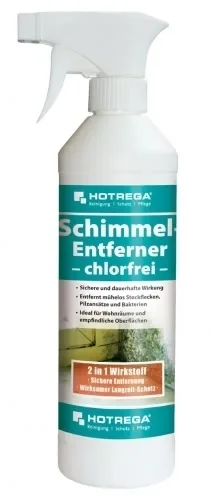
If there are only a few small spots on the wallpaper surface, you can use a specialized mold remover. Products such as are designed to kill the fungus effectively. Apply the product to the affected area according to the manufacturer's instructions and leave it to work. Then carefully wipe away the residue with a disposable cloth. Dispose of the cloth and all materials used immediately in a sealed trash bag.
Step 3: Restoring wallpaper after deep mold infestation
In most cases, mold is found not only on the wallpaper but also underneath it. In this case, surface treatment alone is not sufficient. The wallpaper must be removed completely.
- Remove the wallpaper: Use a putty knife to remove the previously dampened wallpaper from the affected area and a wide surrounding area (approx. 50 cm overlap).
- Clean the surface: Thoroughly treat the now-exposed wall with a mold remover such as as well. Allow the product to work and clean the wall according to the instructions.
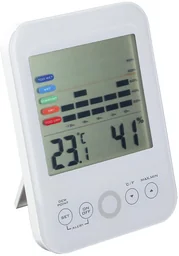
- Allow the wall to dry: This is the most important step. The wall must dry completely before you continue. Depending on the moisture level, this can take several days to several weeks. A helps you monitor the humidity in the room and in the wall.
- Eliminate the cause: While the wall is drying, you must eliminate the original source of moisture. Repair leaks, improve insulation, or adjust your ventilation habits.
How can you prevent mold growth in the long term?
Successful removal is only half the battle. You can keep your home mold-free in the long term only through consistent prevention. Controlling humidity is the key factor.
Proper ventilation and heating in everyday life
Make proper ventilation a regular part of your daily routine. Instead of leaving windows tilted open all the time, use short bursts of ventilation or cross-ventilation. Open all windows wide several times a day for 5 to 10 minutes. This quickly replaces humid indoor air with dry fresh air without allowing the walls to cool down. Heat all rooms sufficiently and evenly to at least 18-19°C, including bedrooms and rarely used rooms.
Ventilation alone is often not enough to reduce humidity when exterior walls are cold. This is where indoor humidity condenses. That is why combining adequate heating with ventilation is essential.
A digital hygrometer and thermometer such as is a small investment with a big impact. It reliably shows you the current humidity level. This lets you see immediately when it is time to ventilate. The target is between 40 % and 60 %.
Control moisture sources and use preventive products
Reduce the amount of moisture produced in your home. Turn on the range hood when cooking, and ventilate the bathroom immediately after showering or bathing. Dry laundry outdoors whenever possible, in a dryer, or in a designated room with good ventilation.
Additional advice
Do not place large pieces of furniture such as cabinets or sofas directly against exterior walls. Leave a gap of 5 to 10 cm. This air circulation behind the furniture helps keep the wall warm and prevents moisture from building up. Faulty pipes installed with defective wall mounts and accessories can also be a hidden cause.
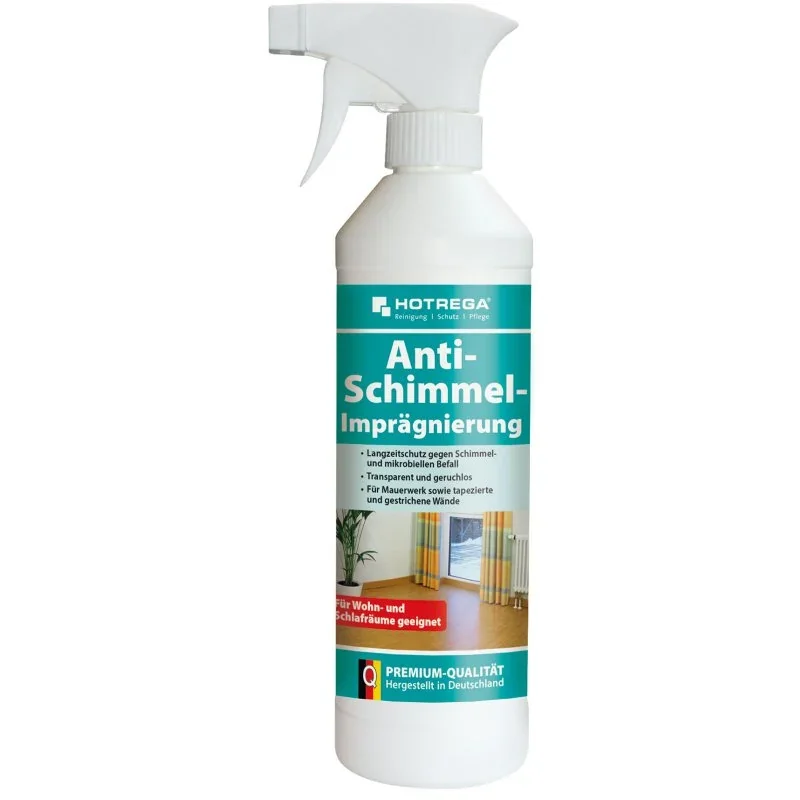
After successful remediation, you can provide additional protection for vulnerable walls. A forms an invisible, breathable protective layer that prevents moisture from penetrating, depriving mold of the conditions it needs to grow. If you put up new wallpaper, for example beautiful children's wallpaper, you can mix special anti-mold additives into the wallpaper paste.
A mold-free home is not a matter of chance, but the result of mindful care and taking the right steps. By understanding the causes of moisture, responding correctly to mold growth, and taking preventive measures in the long term, you can create a healthy and pleasant living environment for yourself and your family.
Frequently Asked Questions
- Can you simply paint over mold?
- No, you cannot simply paint over mold. The paint only covers the problem temporarily, while the mold continues to grow underneath and can damage the building structure. The mold and its cause must be completely removed and the wall dried before applying a new coat of paint.
- Which household remedies help remove mold from wallpaper?
- Household remedies such as vinegar are often unsuitable because lime in walls neutralizes the acid. High-percentage alcohol (at least 70 %) can work on small, superficial spots. However, specialized mold removers are the better choice for safe and effective treatment, as they are formulated for the materials involved.
- How dangerous is black mold really?
- Black mold (often Stachybotrys chartarum) can release harmful mycotoxins. Inhaling the spores can cause respiratory problems, allergies and irritation. Regardless of its color, you should take any mold infestation seriously and remove it promptly to minimize health risks.
- When should I call a professional for mold removal?
- You should call a professional if the affected area is larger than half a square meter. Professional help is also essential if the mold keeps returning after treatment or the cause is unclear (for example, if you suspect water damage inside the wall).
- What should the humidity level be in living spaces?
- The ideal relative humidity in living spaces is between 40 % and 60 %. Levels consistently above this range encourage mold growth. You can monitor humidity with a hygrometer and keep it within the optimal range by ventilating and heating appropriately to prevent mold.
You may also be interested in
- Removing Mold from Your Home: Causes and Lasting Removal
- Mold in Your Home? How to Identify, Remove and Prevent It
- Mold in the Bedroom: Causes, Removal and Prevention
- How to Remove Mold Properly
- Remediating Damp Walls: Causes, Guide & Prevention
- Removing Mold from the Bathroom: Identify the Causes and Eliminate It Effectively