
In brief: Encourage multiple shoots on your Monstera by pruning just above a dormant bud. This stimulates the plant to branch out. To propagate it, cut a healthy stem with at least one leaf and an aerial root. Place the cutting in water or plant it directly in loose, well-draining soil. A warm, bright location without direct sunlight speeds up root formation.
Introduction: The fascinating Monstera
The Monstera, also known as the Swiss cheese plant, is one of the most popular houseplants. Its spectacular split leaves and easy-care nature make it a real eye-catcher. Many plant lovers want fuller growth with multiple shoots or would like to propagate their plant to share cuttings. This article explains how to encourage lush growth and successfully grow new Monstera plants.
How do I encourage multiple shoots on my Monstera?
A Monstera often grows naturally as a single, long stem. To encourage bushier growth, you need to prompt the plant to branch out. The key is pruning it correctly.
Targeted pruning
Cut back the main stem with sharp, clean scissors. Where you make the cut is crucial. Look for what is known as a “dormant bud.” This is a small, raised point on the stem, often visible at a node. Make the cut about one centimeter above this bud. An angled cut prevents water from collecting on the cut surface.
Expert tip
Disinfect your cutting tools with alcohol beforehand to prevent the spread of disease. A precise cut with a sharp knife is often preferable to scissors because it crushes the tissue less. You can find suitable tools for detailed houseplant care in our garden tools category.
After pruning, the plant directs its energy toward the remaining buds. Within a few weeks, you should see one or more new shoots emerging just below the cut or from the dormant bud. Be patient, as new growth can take some time.
Ideal conditions for branching
Pruning alone is not enough. The plant needs energy to produce new growth. After pruning, place it somewhere bright but out of direct midday sun. Water regularly, but allow the top layer of soil to dry out between waterings. A light application of fertilizer about four weeks after pruning supports growth. Our range of flower fertilizers provides the right nutrients.
Pruning sends a signal to the plant. It interprets the loss of the growing tip as a threat and tries to ensure its survival by producing side shoots. This is an ancient mechanism.
How do I propagate my Monstera correctly?
Propagating a Monstera from cuttings is easy. You can choose between two tried-and-true methods: rooting cuttings in water or planting them directly in soil.
Water propagation step by step
The advantage of this method is that you can watch the roots grow. Choose a healthy shoot with at least one mature leaf and a well-developed aerial root. Using a clean tool, cut about one centimeter below this aerial root.
Important note
Only take cuttings from a healthy, pest-free parent plant. Check the undersides of the leaves and the stems for signs of pests such as scale insects or spider mites. If necessary, you can find suitable products in our plant protection range.
Remove any lower leaves that would be submerged. Place the cutting in a glass of water so the aerial root and base of the stem are covered, but the leaves are not. Put the glass in a bright, warm place out of direct sunlight. Change the water every few days to prevent algae and bacterial growth.
Propagation directly in soil
For this method, prepare a pot with loose, well-draining soil. A mixture of potting soil, perlite, and a little bark mulch is ideal. Cut the cutting the same way as for the water method. You can optionally dip the cut end in rooting powder to speed up the process.
Plant the cutting about three to five centimeters deep in the moistened soil. Gently firm the soil around it. Place the pot somewhere warm and bright. Keep the soil consistently slightly moist, but not wet. A clear plastic bag over the pot creates a humid microclimate that encourages rooting. Ventilate it daily.
Rooting a cutting directly in soil avoids the transplant shock that can occur when moving it from water. The roots are accustomed to the growing medium from the start. This gives the cutting a more stable start, but requires more care when watering.
What does a Monstera cutting need to thrive?
Not every cutting will root. Success depends on several factors, and timing is essential. Spring or early summer is best because the plant is actively growing.
The temperature should stay consistently above 20 degrees Celsius. Cold temperatures delay or stop root formation. High humidity is another key to success. Mist the cutting’s leaves regularly with low-lime water or use a humidifier.
Additional advice
Don’t worry if the cutting’s existing leaf looks wilted at first. The plant is concentrating its energy on root formation. Once new roots have developed, the leaf will usually recover. Slight wilting is normal, but the leaf should not dry out completely.
Choosing the right growing medium
When rooting cuttings in soil, the quality of the growing medium is crucial. It must be loose enough to let oxygen reach the young roots while also retaining water. Seed-starting or herb potting mix is often ideal. Avoid heavy, compacted garden soil.
For all your plant care tasks, from repotting to propagation, you can find a wide selection of accessories in the garden and plant accessories category.
Care after successful propagation
Once a cutting propagated in water has developed strong roots about five centimeters long, you can plant it. Take care not to damage the delicate roots. Start with a small pot.
For cuttings rooted directly in soil, new leaf growth indicates success. This is a reliable sign that a sufficient root system has formed below the soil. You can now begin feeding with a very weak fertilizer solution once the first new leaf is fully developed.
Initially, place the young plant somewhere slightly shadier than the mature Monstera. Gradually acclimate it to brighter locations. During the first few months, the plant focuses on developing its roots, so above-ground growth may be slow.
Common problems and solutions
Problems can occur during propagation. Yellow leaves often indicate overwatering or a lack of nutrients. Check the growing medium. Brown, mushy roots are a sign of rot. If this happens, save the cutting by removing the rotten parts and placing it in fresh growing medium.
If the cutting does not produce any roots, the location may be too dark or too cold. Moving it to a warmer, brighter place can help. Patience is key: rooting can sometimes take eight weeks or longer.
Recommended Monstera Care Products
The right tools are essential for making precise cuts and handling other tasks. The
offers versatile options for precise cutting. Its cordless design gives you complete flexibility.
Would you like to start with a healthy, young Monstera? The
includes two healthy Monkey Leaf plants, making it a great choice for getting started with plant care.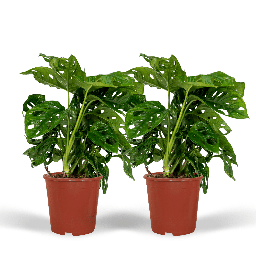
A beautiful planter is the perfect home for your new Monstera. The elegant
pairs a Monstera Adansonii with a Clusia in stylish glass bowls for an instant decorative touch.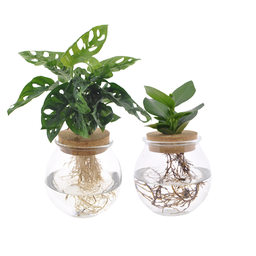
Conclusion: Turn a Single Shoot Into a Lush Plant
With the right know-how for strategic pruning and these two propagation methods, you’re ready to get started. You can make your Monstera bushier and grow as many new plants as you like. Keep the basics in mind: clean cuts, the right conditions, and patience. Soon, your Monstera will be a lush, green oasis—and you’ll have new plants to share with others.
Find everything you need to get started in our extensive garden and plant shop.
Frequently Asked Questions
- How do I prune my Monstera to encourage new shoots?
- Use clean, sharp scissors to cut the main stem just above a dormant bud (a small node on the stem). Make an angled cut. New growth will emerge from this point, creating a bushier plant. Avoid cutting too far back into the older stem.
- Can I propagate a Monstera in water?
- Yes. Water propagation is a popular, easy way to propagate Monstera plants. Take a cutting with a leaf and aerial root, then place it in a container of water. Change the water once a week. Keep the cutting in a warm, bright spot, and roots should form within a few weeks. Pot it up when the roots are around 5 cm long.
- Why doesn’t my Monstera have aerial roots?
- A lack of aerial roots may be a sign of low humidity or insufficient light. Aerial roots help the plant absorb additional nutrients and find support. Increase humidity by misting the plant or using a humidifier. Move it to a brighter spot, away from direct midday sun. A consistent fertilizer routine supports healthy growth.
- When is the best time to propagate a Monstera?
- Spring or early summer is the best time to propagate a Monstera. The plant is actively growing, so cuttings root faster and more reliably. Avoid propagating in the middle of winter, when roots grow much more slowly and the risk of rot increases.
- Why is my Monstera cutting rotting in water?
- Rot can be caused by bacteria or an unclean cut. Remove the cutting from the water right away. With disinfected scissors, cut away the rotten section until you reach healthy tissue. Let the cut surface air-dry for a few hours, then place the cutting in fresh, lukewarm water in a clean glass. Keep it out of harsh sunlight.
You may also be interested in
- Monstera propagation: How to grow new plants from cuttings
- Monstera care: Varieties, propagation, and tips for healthy houseplants
- Monstera care: How to help your favorite houseplant thrive
- Monstera varieties: A guide to stunning foliage
- Monstera leaves turning yellow: Causes and quick fixes
- Snake plant propagation: Easy ways to grow new plants