
In brief: Whether moss is good or bad for your garden depends on where it grows. In lawns, it indicates soil problems and crowds out the grass. In shady corners, as a joint filler or intentional ground cover, however, it can be a low-maintenance and attractive alternative to other plants.
Table of contents
A green carpet in the garden – for some, the very definition of a well-kept lawn; for others, a velvety patch of moss in a shady corner. Moss divides gardeners. While it is considered an unwanted competitor to grass in lawns, it is becoming increasingly popular as a low-maintenance ground cover. The truth lies somewhere in between: moss is neither inherently good nor bad. Above all, it is a clever survivor and an important indicator of the conditions in your garden.
Why does moss grow in my garden at all?
Moss is not a disease but a plant that settles wherever it finds optimal conditions. These conditions are usually exactly those in which lawn grasses struggle. When you discover moss in your lawn, your garden is signalling that something is out of balance.
Shade and moisture: The ideal habitat for moss
Mosses do not have true roots to draw water from deeper layers of soil. They absorb moisture directly through their leaves. Shady locations under trees, on the north-facing sides of buildings or in densely built-up areas dry out more slowly, providing mosses with a perfect, damp environment. Sun-loving grass has little chance here.
Soil conditions: Compaction, pH and nutrients
Hard, compacted soil is an insurmountable barrier for grass roots. Air and water can barely penetrate, resulting in waterlogging. Moss, on the other hand, copes extremely well with these conditions. It simply grows on the surface of the compacted ground.
Another decisive factor is the pH level. Many moss species prefer acidic soils (pH below 6.0), while lawn grasses need slightly acidic to neutral soil (pH 6.0-7.0). A lack of nutrients, particularly potassium, further weakens the lawn and makes it susceptible to moss spreading.
Incorrect lawn care invites moss
Care also plays a role. A lawn mowed too short (below 4 cm) is significantly weakened. The grass plants can carry out less photosynthesis and their roots recede. The resulting gaps in the lawn are an open invitation for moss and weeds to take hold.
Identifying the most common moss types in the garden
Knowing which moss is growing in your garden can help you narrow down the causes. There are thousands of moss species, but a typical garden usually contains only a few:
- Square goose-moss (Rhytidiadelphus squarrosus): This moss is the most common visitor in lawns. You can identify it by its untidy, yellow-green cushions with spreading, star-shaped tips. It often indicates a nutrient deficiency and grass that has been cut too short.
- Silver moss (Bryum argenteum): This hardy moss often grows in the joints between paving stones or on compacted paths. Its name comes from the silvery sheen its cushions take on when dry. It is a sign of compacted soil.
- Cypress-leaved plait-moss (Hypnum cupressiforme): A highly adaptable all-rounder. It forms dense, flat mats on soil, wood or stone. In lawns, it usually indicates shade and acidic soil.
Accurate identification is not always easy for the amateur gardener, but the growth habit and location already provide important clues.
Mosses are a fascinating and often overlooked part of our ecosystem. They are pioneer plants that colonise bare soil, creating the conditions for other plants to grow.
Moss in the Lawn: When and How Should You Remove It?
In a lawn, moss is a clear enemy. It forms a dense layer in the turf, blocks air, water and nutrients, and displaces the grass. To get rid of it permanently, simply removing the moss is not enough. You need to address the underlying causes and help the lawn become strong and competitive again.
Step 1: Mechanically Remove Moss by Scarifying
The most effective way to mechanically remove moss and thatch is scarifying. A scarifier scores the turf with its blades and pulls out moss and dead material. The best time to do this is in spring (April) or early autumn (September), when the lawn is growing vigorously.
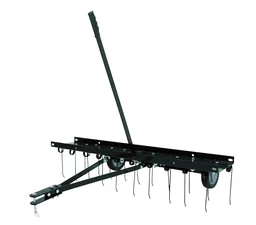
Mow the lawn to about 3-4 cm before scarifying. Then run the scarifier over the area once lengthwise and once crosswise. With a powerful garden tool such as the 96 cm Scarifier Attachment for Lawn Tractors, you can handle even large areas with ease.
Step 2: Aerate the Soil and Improve Its Structure
After scarifying, you can see the true extent of the soil problems. Heavily compacted, clay soils should now be aerated. To do this, use a garden fork or lawn aerator to make deep holes in the soil. Then fill these holes with coarse sand. This sustainably improves air and water circulation in the soil and breaks up compaction.
Pro tip
Test your soil’s pH before applying lime. A simple test from a garden center will give you the information you need. A pH between 6,0 and 7,0 is ideal for most lawn grasses and makes it harder for moss to spread.
Step 3: Adjust the pH with Lime
If your soil test shows that the pH is too low (below 6,0), now is the right time to apply lime. Lawn lime raises the pH and improves the soil’s crumb structure. This makes nutrients more readily available to the grass. Apply the lime according to the instructions on the packaging, ideally on a calm, overcast day.
Step 4: Targeted Treatment and Lawn Strengthening
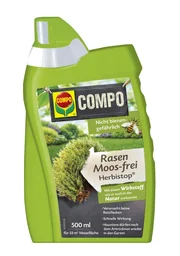
After mechanically removing the moss, you can treat any remaining moss with a specialist moss remover. Products such as Organic Lawn Moss-Free Herbistop target moss without damaging the lawn. The weakened lawn then urgently needs nutrients. A potassium-rich fall lawn fertilizer or a nitrogen-rich starter fertilizer in spring gives the grass the strength it needs to quickly fill in the bare patches.
Important note
Avoid using iron fertilizer (iron-II sulfate) as the sole treatment. Although it controls moss in the short term, causing it to turn black and die, it does not address the underlying cause. Without further soil improvement, the moss will quickly return.
A healthy, dense lawn is the best defense against moss. Anything that strengthens the grass – proper fertilization, aeration and mowing at the right height – weakens moss in the long term.
Step 5: Fill Bare Patches by Overseeding
Once the moss has been removed, bare patches are left behind. You need to reseed these quickly with high-quality lawn seed; otherwise, moss and weeds will immediately move back in. Use a specialist overseeding mix that germinates quickly. Keep the seeded areas consistently moist over the following weeks. Carefully collect the removed moss and thatch and dispose of it in a garden waste bag or add it to the compost if you have not used a moss killer.
Use Moss as Ground Cover: The Green Alternative
Instead of fighting moss in unsuitable locations, you can also encourage it deliberately where it can make the most of its strengths. In shady, damp areas of the garden where grass will not grow anyway, moss is an ideal ground cover.
The Benefits of a Moss Carpet
A moss garden has many advantages. It stays green all year round and provides a calm, green space even in winter. It never needs mowing, fertilizing or scarifying. Once established, moss is highly tolerant of foot traffic and suppresses weed germination. It also stores water, thereby improving the garden’s microclimate.
Where Does Moss Fit in Garden Design?
Moss areas look particularly attractive in naturalistic gardens, shade gardens or Japanese-style gardens. They create an atmosphere of peace and permanence. Moss is ideal for greening areas beneath large trees, creating paths between stepping stones, or planting rock gardens and the tops of walls.
How do I properly care for a moss garden?
An established moss garden is extremely easy to care for, but it is not completely maintenance-free. With just a few simple tasks, you can preserve the beauty of your moss garden.
Cleaning and watering
The most important maintenance task is regularly removing leaves and fallen twigs. A thick layer of leaves can smother the moss. Use a leaf blower on its lowest setting or a soft rake to avoid damaging the moss. During long dry periods, the moss will appreciate an occasional shower from the garden hose to help it retain its lush green colour.
Additional advice
Moss between paving stones can often be removed easily with a joint scraper or a stiff brush. For larger areas, a pressure washer can also be useful, but use it carefully to avoid washing out the joints.
Weed control in a moss bed
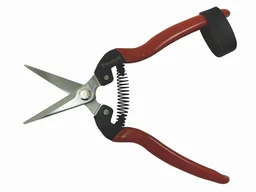
Weeds can occasionally take root in the moss carpet. As moss does not form deep roots, weeds can usually be pulled out by hand very easily. Make sure you remove the roots completely. For delicate work or targeted removal of grass blades, a precise tool such as the "Wonder Shears" - the all-purpose cutter for home & garden.
Moss in the garden is therefore a matter of perspective. By addressing the causes of its growth in the lawn, you can create a healthy grass area. And by deliberately using it in the right places, you can create low-maintenance and attractive areas throughout your Garden + Outdoor space.
Frequently asked questions
- What is the main cause of moss in the lawn?
- The most common cause is a combination of several factors: compacted, acidic or nutrient-poor soil, too much shade and waterlogging. Moss is less demanding than grass and takes advantage of these poor conditions to spread. Healthy soil is the best protection against moss.
- Does liming really help against moss?
- Liming only helps if the soil is actually too acidic (low pH). It raises the pH level and improves the soil structure, which benefits the lawn. On neutral or alkaline soil, liming is ineffective or may even be harmful. Always test the pH level first.
- Can I simply let moss grow?
- Yes, you can. Outside the lawn, for example under trees, in rock gardens or between stepping stones, moss is an excellent, low-maintenance ground cover. It stays green all year round, does not need to be mown and suppresses weeds. It is a matter of personal garden design.
- When is the best time to remove moss?
- The best time to scarify and remove moss is in spring (March/April) or early autumn (September). The soil should be dry but not frozen. At these times, the lawn can recover best from the treatment and quickly fill in bare patches.
- Are moss killers harmful to other plants or animals?
- Chemical moss killers, especially those containing ferrous sulfate, should be used with caution. They can cause stains on patio slabs on contact and may be harmful to pets until they have been watered in. Biological alternatives such as PRODUCT_98640 are often gentler. Always read the instructions for use.
You might also be interested in
- Moss in the garden: causes, prevention and effective removal
- Removing moss and stubborn weeds from joints: the guide
- Moss in the lawn? How Beckmann iron fertiliser helps effectively and quickly
- Weeds in the garden: identify, understand and control them naturally
- Caring for evergreen plants: how to keep them looking beautiful all year round
- Moles in the garden: helpful allies or pests?