
In brief: Mould in potting soil is caused by too much moisture, poor air circulation and organic matter. Overwatering is usually the main culprit. You can treat it by removing the top layer of soil, repotting the plant and adjusting your watering routine. Good drainage, loose potting mix and the right amount of water help prevent mould.
Mould in Potting Soil: Causes and Solutions
A white, cottony or fluffy coating on the soil of your favorite plant can be alarming. Mould in potting soil is common, especially with houseplants. Many home gardeners wonder whether they can save the plant and what might have gone wrong.
The good news is that mould is usually a symptom rather than an aggressive plant disease. It’s a sign that the plant’s growing conditions aren’t ideal. With the right approach, you can address the cause, save your plant and keep the mould from coming back.
This article explains the most common causes, walks you through practical solutions and shares tips for creating a healthy environment for your plants. Use these steps to encourage strong growth and keep unwanted fungi at bay.
How can I tell if there is mould in my potting soil?
Not every white coating is mould. Take a closer look before you act. Mould most often appears as a white, fuzzy or cottony growth across the soil’s surface. It may also spread around the rim of the pot or emerge through the drainage holes.
Sometimes the coating appears in small, spot-like patches or as a fine web across the soil. Its color can range from bright white to grayish or light pink. A musty, mouldy smell coming from the soil is another reliable sign.
Important note
Don’t confuse mould with limescale or mineral deposits. These are hard and crusty and are caused by hard water. They’re harmless to the plant. True mould is soft, fuzzy and easy to lift off.
Mould almost always starts on the surface, where moisture, organic matter and oxygen meet. Regularly checking the soil of your houseplants can help you catch mould early.
Why does mould form on my potting soil?
Mould fungi are natural decomposers. Their spores are present throughout the air. When conditions are right, the spores germinate and form the visible mycelium. Three main factors encourage mould growth:
1. Too much moisture (the most common watering mistake)
Waterlogged soil is one of the biggest threats to most houseplants. If you water too much or too often, excess water can’t drain away. The soil stays wet, the roots don’t get enough air and may begin to rot. This damp, low-oxygen environment is ideal for mould fungi.
An often-overlooked cause is a decorative outer pot without a drainage hole. Water can collect out of sight at the bottom and saturate the soil from below. Always check the saucer or the space between the outer pot and the nursery pot.
2. Poor potting mix and compacted soil
Cheap or old potting mix may already contain fungal growth or can become compacted easily. Heavy, fine-textured soil without coarse components holds water like a sponge and restricts airflow. Pure compost is also rich in nutrients and can quickly develop mould when it stays damp.
A loose, well-draining mix is essential. Quality potting mix often contains ingredients such as expanded clay, perlite or sand to improve aeration. Garden centers and plant care retailers also offer specialized mixes for different plant needs at plant and flower fertilizer retailers.
3. Unfavorable location conditions
Mould thrives in warm, still air. A spot with little airflow, such as a dark corner or a space between closely grouped plants, encourages growth. A cool, damp basement or a poorly ventilated bathroom can also cause problems.
Although drafts can harm plants, gentle air circulation helps prevent moisture from lingering above the soil. Pay attention to light levels, too. A plant kept in too much shade uses less water, so its soil dries more slowly.
“Mould on the soil is almost always your plant’s way of asking for help: less water and more air around the roots. Correcting these two things resolves 90 percent of cases.”
How do I deal with active mould on potting soil?
If you find mould, act promptly. The sooner you intervene, the better your chances of saving the plant without lasting damage. Follow these steps:
Immediate steps: treat the surface
Wear gloves, especially if you have sensitive skin or allergies. Use a spoon or small shovel to remove a generous layer of affected soil (1-2 cm). Throw it away with your household trash, not in the compost.
Carefully loosen the soil underneath with a fork to improve airflow. Then cover the surface with a thin layer of sand or fine expanded clay (granules). This mineral layer dries quickly and removes the surface conditions mould needs to survive.
Pro tip
Keep the affected plant away from your other plants for a few days. This helps prevent spores from spreading to nearby plants. Moving it to a brighter spot with better airflow will also help the soil dry out faster.
The last resort: repotting
If the mould is widespread, the soil smells musty or the plant looks unhealthy (drooping leaves, stunted growth), replacing all the potting mix is your best option. Carefully remove the plant from its pot and shake as much old soil as possible from the roots.
Rinse the roots under lukewarm water and inspect them carefully. Use clean scissors to cut away any rotten, mushy or dark roots. Before adding fresh potting mix, thoroughly clean the old pot with hot water and a little dish soap or cleaning vinegar.
Use fresh, high-quality potting mix. For better drainage, blend in about one quarter expanded clay or perlite. Some products in the pest and plant protection category can also help prevent mould.
How can I prevent mold in potting soil for good?
Treating the mold alone isn’t enough. You need to address the underlying causes, or it will return. These steps help create a healthy environment for your plants.
Water your plants the right way
Water when your plants need it, not according to a schedule. A common mistake is giving them a little water every day. For smaller pots, try the “soaking method”: Place the pot in a container of water until no more air bubbles rise to the surface. Then let it drain thoroughly.
For larger pots, water thoroughly until water runs out of the drainage hole. Then wait until the top layer of soil has dried out before watering again. A moisture meter takes the guesswork out of watering. The
helps you keep track of moisture levels.
Choose the right potting soil and ensure good drainage
Choose a potting soil that holds its structure. Look for coarse, airy ingredients when you buy it. Add a drainage layer of expanded clay, gravel or pieces of clay pot to the bottom of the pot. This helps keep the drainage holes clear and prevents water from pooling.
Repot your plants every one to two years. Over time, the soil loses its structure, becomes compacted and turns acidic. Fresh potting mix provides nutrients and helps keep the roots well aerated.
“Mixing a handful of expanded clay into the soil works wonders. It holds water and releases it slowly, while creating tiny air pockets. That’s the best protection against root rot and mold.”
Choose the right spot
Place your plants somewhere bright but not too hot. Avoid drafty windowsills and corners with no airflow. Opening a window for a few minutes each day helps refresh the air.
Adjust your watering routine with the seasons. In winter, when there is less light and temperatures are cooler, most plants need much less water. Reduce how much you water accordingly.
Extra tip
Don’t spray your plants’ leaves too much to raise humidity. The water can run into the soil and keep it damp. Instead, place a tray of water and pebbles between the pots.
When should you use mold-control products?
For stubborn mold or particularly sensitive plants, products can provide extra support. However, they can’t replace correcting care issues.
Fungicides from specialist garden retailers, such as the
, work directly against fungi. Apply them to the affected soil as directed. They can help in acute cases when other measures aren’t enough.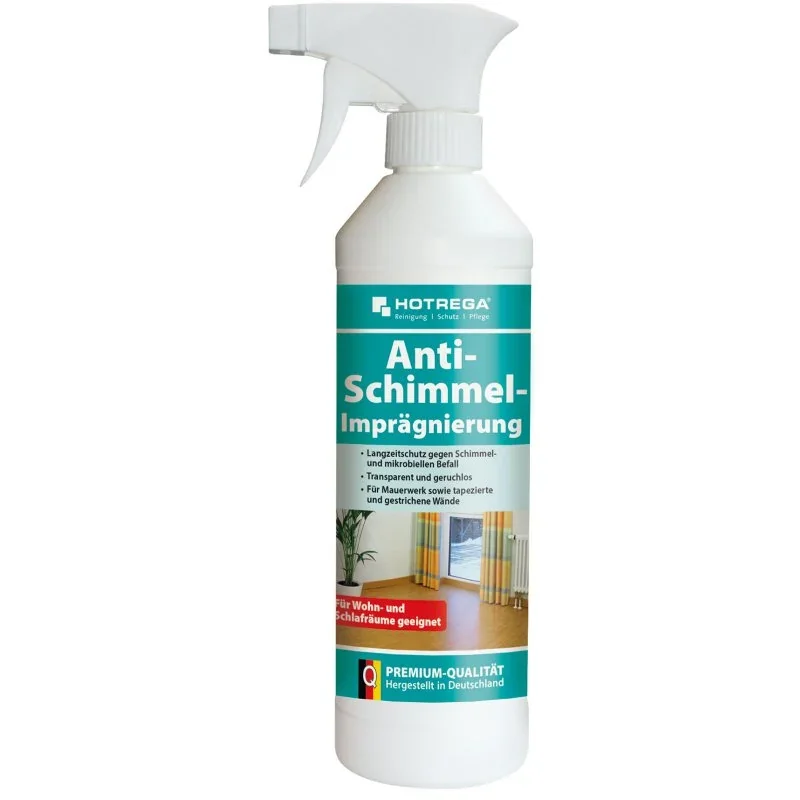
You can also mix a special plant protection additive into your watering water as a preventive measure. These products strengthen plants and make conditions less favorable for fungi. Find out more about the options in the Garden & Outdoor section.
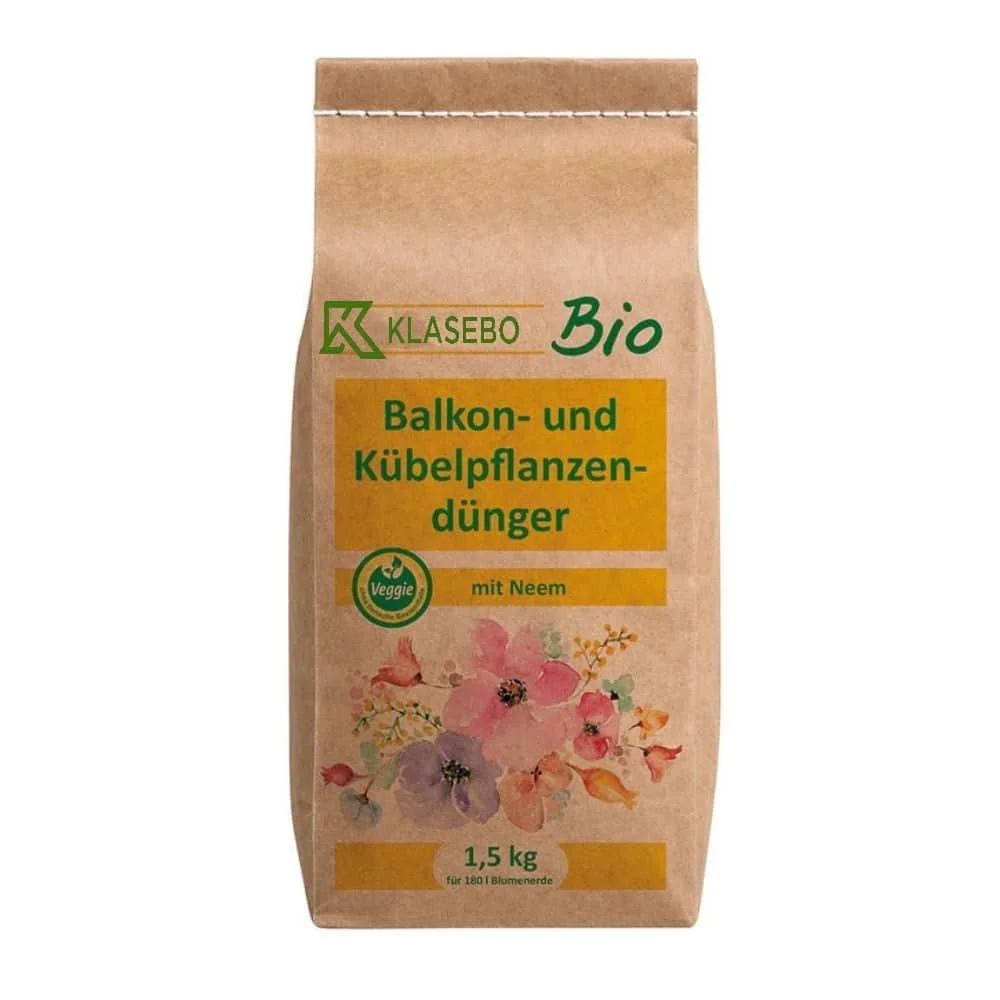
Help your plants grow strong by giving them the right nutrients. Healthy, vigorous growth makes them more resilient. An organic fertilizer such as the
Is it mold or another plant disease?
Not every plant problem is caused by mold in the soil. Look for the differences. Root rot causes wilting and yellow leaves even when the soil is wet, and the root ball may smell rotten.
Powdery mildew and gray mold affect the plant’s leaves and shoots rather than the soil. Look for a flour-like white coating or gray, fuzzy patches on the parts of the plant above ground.
To make an accurate diagnosis, look at the plant as a whole. Consider the soil, leaves and stems, as well as the plant’s overall growth. If in doubt, ask an expert at a plant nursery or browse one of our many Shop categories.
With patience and the right steps, you can get mold in potting soil under control. Your plants will reward you with fresh greenery and healthy growth.
Frequently Asked Questions
- Is white mold on potting soil dangerous for my plants?
- The white coating often does not directly harm healthy, mature plants. It is a symptom of unfavorable conditions such as waterlogging, which can cause the roots to rot over time. However, mold can be dangerous for seedlings, cuttings or weakened plants and may cause them to die.
- Can I simply scrape off the moldy soil and continue watering?
- No, that is rarely enough. The visible mycelium is only the fruiting body. Fungal spores often spread throughout the entire soil. Remove a generous layer from the surface and replace it with fresh, dry soil. Before doing so, be sure to check the roots for rot.
- Which potting soil is least susceptible to mold?
- Loose, structurally stable soils containing coarse materials such as expanded clay, coconut fiber or bark humus are less susceptible. They retain water while allowing air to reach the roots. Pure peat-based or compost-based soils are more likely to compact and develop mold when overwatered.
- Does baking powder or cinnamon help against mold in potting soil?
- Home remedies such as cinnamon have a mild antifungal effect and may inhibit surface mold. However, they do not address the underlying cause. Baking powder can alter the soil pH unfavorably. It is better to correct the cause (overwatering) and repot the plant if necessary.
- How often should I water my houseplants to prevent mold?
- There is no general rule. Insert your finger about two centimeters into the soil. If it feels dry, the plant needs water. If it is still damp, wait. It is better to water less frequently but thoroughly, until water runs out of the drainage hole.
You might also be interested in
- Mold Removal: Tackle the Causes and Prevent It
- The Best Potting Soil for Container Plants: How to Choose the Right Soil Mix
- How to Get Rid of Fungus Gnats: Effective Treatments for Flies in Potting Soil
- Types of Mold in the Home: How to Identify and Remove Them
- Potting Soil and Planting Soil: Understanding the Key Differences
- How to Remove Mold in the Bathroom: Identify the Causes and Get Rid of It Effectively