
In brief: A native hedge provides food, cover and nesting sites for birds, insects and small mammals. Plant several species suited to the location, such as hawthorn, blackthorn, hazel or Cornelian cherry, leave fallen leaves and deadwood in place, and prune outside the nesting season. This creates a dense garden hedge that wildlife can use all year round.
The direct answer: A native hedge provides food, cover and nesting sites for birds, insects and small mammals. Plant several species suited to the location, such as hawthorn, blackthorn, hazel or Cornelian cherry, leave fallen leaves and deadwood in place, and prune outside the nesting season. This creates a dense garden hedge that wildlife can use all year round.
A hedge can do more than mark property boundaries or screen out prying eyes. Its branches provide sheltered layers for birds, flowers supply insects with nectar, and berries extend the food supply into winter. Beetles, spiders, amphibians and small mammals find cover at ground level.
The plant species and maintenance make all the difference. A uniform hedge that is regularly cut short and consists of just a few ornamental shrubs offers little ecological value. Several native woody plants, dense growth at the base and a little untidiness turn a garden hedge into a lively refuge for wildlife.
Why are native hedges so valuable in the garden?
Native hedges suit the wildlife found in your region. Many insects use native plants as a food source for their larvae. Birds find berries on blackthorn, hawthorn, elder or dog rose, while thorny branches protect nests from cats and other predators.
A mixed hedge connects different habitats in a small space. Cornelian cherry, blackthorn and hazel flower in spring. Elder, privet and wild roses follow in summer. In autumn, rose hips, blackthorn berries, hawthorn berries and other fruits ripen, providing birds and small mammals with energy.
The soil beneath the hedge is part of the habitat too. Falling leaves retain moisture, protect the soil from temperature fluctuations and provide food for soil organisms. Deadwood, small stones and dying plant material offer additional hiding places.
A wildlife-friendly garden hedge serves several purposes:
- Food: Flowers, pollen, nectar, fruit, seeds and leaves supply different species.
- Protection: Dense branches and thorns create safe places to rest and hide.
- Nesting habitat: Birds build nests in branched, undisturbed shrubs.
- Connectivity: Hedges can link isolated areas of the garden and other green spaces.
- Microclimate: The shrubs slow the wind, provide shade and help the soil retain moisture.
The hedge does not need to be huge. Even a mixed planting along a fence improves the range of habitats in your garden. The wider and more structurally diverse it is, the more species benefit. Leave space in at least one spot for a wide base and an uncut margin.
How do you choose the right garden hedge?
Which native species suit your location?
Check the light, soil moisture and available space before buying. A sunny, dry strip requires different shrubs from a partially shaded garden with consistently moist soil. Also consider the hedge's eventual height and width. A hedge growing beneath power lines or directly beside a narrow path needs suitable, slow-growing species.
Hawthorn flowers in spring, produces red berries and develops thorny branches. It suits sunny to partially shaded locations. Blackthorn flowers very early and offers good protection with its thorns. However, it needs room because it can spread by suckers.
Cornelian cherry produces yellow flowers in late winter and later bears red fruit. It grows reliably in sun and partial shade. Hazel provides early pollen and nuts in autumn, but quickly becomes wide. Allow enough space for it.
Elder grows vigorously, flowers in early summer and produces dark berries. Dog rose offers flowers, rose hips and thorny shoots. Common privet remains partly evergreen in mild winters and is suitable for a dense hedge that tolerates pruning.
Spindle and buckthorn add distinctive flowers and fruit to the mix. For species with poisonous plant parts, check whether children or pets regularly play in the garden. A local nursery can advise you on which provenance and variety suit your soil and climate.
Why should you combine several species?
A mixed hedge spreads the risks. If one species suffers from drought, disease or late frost, the other shrubs can remain healthy. Different flowering and fruiting periods also extend the food supply. Rather than planting the species in rigid, even bands, repeat them in small groups of two to five plants.
The range in the garden and plant accessories section can help with planning. There you will find additions for planting, soil preparation and maintenance. For general garden design, it is also worth browsing the Garden and Outdoor category.
Pro tip
Plan a sequence of flowers and fruit: combine at least three native shrub species with different flowering times. A thorny shrub such as hawthorn or blackthorn protects nests, while elder, Cornelian cherry or dog rose extends the food supply.
How do you plant native hedges correctly?
When is the best time to plant?
It is best to plant bare-root shrubs from October until the first frost or in early spring. During this period, little water evaporates, and the plants can develop new roots before growth begins. Container-grown plants can be planted for longer, as long as the ground is not frozen and the weather is not hot and dry.
Prepare the planting site a few days in advance. Remove grass, perennial weeds and builders' rubble. Loosen the soil to at least spade depth. If the soil is compacted, improve its structure with mature compost, but avoid adding large amounts of fertiliser directly around the root ball.
What spacing is suitable for a mixed hedge?
The spacing depends on the species, size supplied and desired final height. Small shrubs are often planted 30 to 50 centimetres apart, while vigorous species need more room. For a dense double-row hedge, plant the shrubs in a staggered arrangement. The rows are usually 40 to 60 centimetres apart, or further apart for large shrubs.
Use the planting label and the plant's eventual spread as a guide. Shrubs planted too closely compete for water and light. Although they may grow upwards quickly, they often remain sparse near the ground. Wider spacing takes longer to fill in and allows weeds to establish more easily.
Which steps lead to successful establishment?
- Mark the line: Stretch a string line and mark each planting position.
- Prepare the roots: Water container-grown root balls thoroughly. Keep bare-root plants moist and protected until planting.
- Dig the planting hole: Dig a hole wider than the root ball. The uppermost layer of roots should later sit at soil level.
- Position the shrub: Plant it upright and spread the roots out without bending them.
- Backfill and water: Fill the hole with soil, firm it gently and water slowly until the soil is thoroughly moistened.
- Mulch: Cover the soil with leaves, bark compost or wood chippings. Leave a few centimetres clear around the stem.
Water regularly and thoroughly during the first year. Frequent small amounts of water encourage a shallow root system. Instead, check the soil moisture at a depth of ten centimetres and only water when the soil is dry at that depth. A layer of mulch reduces evaporation.
Important note
Do not plant a hedge directly on the property boundary without checking the required distances and local regulations. The required distance from the boundary depends on the federal state, shrub species and growth height. Also check for utility lines, visibility triangles and neighbours' rights before planting.
Protect young plants with sturdy individual stakes or coarse-mesh protective guards if necessary. Fine-mesh plastic netting can trap birds, hedgehogs and other animals. Check all protection regularly and remove it once the shrubs are stable enough.
How can a hedge become a safe haven for wildlife?
What structures do animals need?
A hedge functions as a habitat when it does not look the same everywhere. Allow some shrubs to grow taller and keep others slightly lower. A gently tiered structure with dense undergrowth, flowering side branches and open transitions into the garden offers more opportunities than a smooth green wall.
Leaves can be left on the ground at the base of the hedge. Remove only diseased or heavily compacted layers. Small piles of leaves, dead branches and a patch of undisturbed soil create hiding places for beetles, spiders, common toads and hedgehogs. Place dead wood securely so that it cannot fall onto paths.
A shallow water dish adds to the habitat in summer. Place it in an open, clearly visible spot and put a stone in it so insects can climb out of the water. Change the water regularly. Deep ponds without an exit and dirty containers can become hazards.
How do flowers and fruit support wildlife?
Early flowers are especially valuable for wild bees and other insects because there are few alternatives in February and March. Cornelian cherry, blackthorn and hazel help fill this gap. Dog rose, hawthorn, elder and privet flower later in spring. Leave the fruit on the branches until winter instead of removing it for aesthetic reasons.
Avoid insecticides and broad-spectrum plant protection products. Aphids are part of the food chain and often disappear when ladybirds, lacewings and birds have enough habitat. If there is a genuine pest problem, first remove affected shoots or use a targeted, gentle treatment wherever possible.
Hedges are among the most valuable habitats in a garden because they combine food, shelter and nesting opportunities.
Rather than permanently keeping pets and children away from the hedge, keep its edges open and easy to see. A small ground-level passage can help hedgehogs and other small mammals, provided there is no road or hazard directly behind it. Avoid sharp-edged decorations and loose wires at the base of the hedge.
How do you care for a wildlife-friendly hedge?
How do you prune without putting nests at risk?
Check the hedge carefully before every cut. If branches move unusually, birds are carrying nesting material or you hear begging calls, postpone the work. A single nest is enough. Only prune once breeding is over and the young birds have left the area.
In the first few years, careful formative pruning helps the hedge branch out from the bottom. Shorten long shoots evenly and leave the base slightly wider than the crown. This trapezoidal shape lets light reach the lower branches and prevents the middle of the hedge from becoming bare.
For an established mixed hedge, sectional maintenance pruning is usually sufficient. Remove dead, damaged or inward-growing shoots. Do not cut every shrub to the same height every year. Varying heights and age groups increase structural diversity.
Additional advice
Leave a different section of the hedge largely uncut each year. This preserves flowers, fruit and nesting sites while you maintain the rest of the hedge. Mark the section with an inconspicuous ribbon and move to a different area the following year.
The Federal Nature Conservation Act sets clear limits on heavy pruning:
Trees outside forests, short-rotation plantations or horticulturally used land, hedges, living fences, bushes and other woody plants must not be cut back or coppiced between 1 March and 30 September.
Light shaping and maintenance pruning to remove new growth or maintain plant health are still permitted. However, you must not injure animals or destroy nests. When working with older, thick branches, make clean cuts with a sharp saw and secure the drop zone.
For smaller shoots and corrections in the garden,
. Sharp, clean cuts heal faster and do not crush the bark. An overview of suitable garden tools helps you choose the right tool for different branch thicknesses.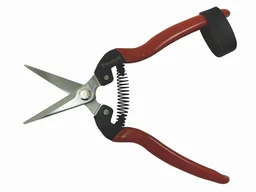
What care is needed throughout the seasons?
- Late winter: Check the hedge for damage and carry out permitted formative or maintenance pruning before new growth begins.
- Spring: Watch for flowers and nests. Leave flowering branches and undisturbed areas in place.
- Summer: Water during prolonged dry periods, refresh the mulch layer if necessary and avoid heavy pruning.
- Autumn: Plant new shrubs, leave fruit on the branches and clear leaves only from paths and patios.
- Winter: Remove loose branches after storms and check protective measures around young plants.
Avoid using robotic lawn mowers directly at the base of the hedge. They can injure hedgehogs and other nocturnal animals seeking shelter under branches or leaves. Leave a wide, unmown margin or only mow this area during the day, keeping a sufficient distance.
What mistakes should you avoid when planting a hedge?
The most common planning mistakes
- Planting just one species: A hedge made entirely of cherry laurel or thuja provides significantly less native food than a mixed shrub hedge.
- Planting too densely: Overcrowded roots increase water requirements and encourage bare patches near the base.
- Clearing the soil completely: Leaves, small branches and patches of bare soil are all part of the habitat.
- Treating the hedge like a wall: Constantly hard trimming prevents flowers, fruit and natural branching.
- Pruning too early: Between March and September, heavy pruning may violate legal protections for woody plants.
What about artificial hedge walls?
Artificial hedge walls can complement a decorative privacy screen, but they cannot replace a living hedge.
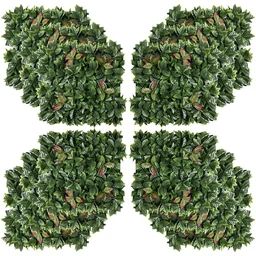
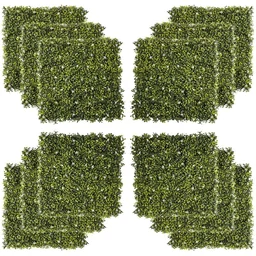
If you use such a privacy screen, still leave room beside it for real woody plants. A narrow strip of Cornelian cherry, dog rose, hawthorn or privet is more valuable for wildlife than a completely artificial wall. When planning the area, also check that it remains visible to birds and does not create dangerous gaps or nets.
For climbing supports, planters, mulch and other additions, you will find suitable garden accessories. Always choose safe materials for accessories and avoid fine-mesh nets in which animals can become trapped.
Start with a site assessment, choose at least three native woody plant species and plan the maintenance realistically. After planting, the first growth phase determines the hedge's future density. Water the hedge, keep the ground layer alive and prune only as much as necessary for health and safety.
This creates a garden hedge that divides up the property while also providing food, shelter and space for wildlife to move around. You can find more ideas for a wildlife-friendly garden in the Garden and Outdoor category.
Frequently asked questions
- Which native hedge plants are especially beneficial to wildlife?
- Hawthorn, blackthorn, cornelian cherry, hazel, dog rose, elder and common privet provide flowers, fruit, seeds, thorns and dense branches, depending on the location. A mixture of several species extends the food supply and creates different hiding places. Choose plants that suit the soil, light levels and available width.
- When is the best time to plant a hedge?
- For bare-root plants, autumn from October until the first frost is ideal; early spring also works if the ground is frost-free. Container-grown plants can be planted for longer, but need a reliable supply of water in summer. Do not plant during hot weather, in frozen soil or in waterlogged conditions.
- How much space do native hedge plants need?
- The spacing depends on the species, growth habit and desired height. Small shrubs are often planted 30 to 50 centimetres apart, while vigorous species need more room. For a double-row hedge, allow around 40 to 60 centimetres between the rows. The plant label will state the recommended spacing.
- Can I trim my hedge in summer?
- From 1 March to 30 September, heavy pruning and cutting hedges down to ground level are prohibited. Gentle shaping and maintenance trimming are still permitted if they are needed to manage new growth or keep the hedge healthy. Check for nests before every cut and postpone the work if birds are nesting.
- Can an artificial hedge replace a native hedge as a wildlife habitat?
- No. Artificial hedge panels provide no flowers, fruit, seeds or natural nesting sites. They can be used as a low-maintenance privacy screen alongside a real hedge, but they cannot replace its ecological function. Wildlife depends on a living, diverse structure with native shrubs, leaf litter and an undisturbed area of soil.
You might also be interested in
- Planting hedges: Planning, planting and choosing the right plants for your garden
- Bird protection in the garden: How to help native species
- How can I create a wildlife-friendly natural garden?
- Promoting biodiversity in the garden: How to create an ecosystem
- Hedge for privacy: The best plants for your garden
- Planting hawthorn: Care tips and benefits for your hedge