
In brief: Nematodes of the species Phasmarhabditis hermaphrodita are an effective biological method for controlling slugs. These microscopic roundworms enter slugs and release a bacterium that kills the pests within a few days. The effect lasts for around six weeks. Apply them with a watering can to moist soil when temperatures are above 12°C.
How do nematodes control slugs?
Nematodes are microscopic, thread-like worms that occur naturally in the soil. A specific species is used for biological slug control: Phasmarhabditis hermaphrodita. These nematodes live as parasites in slugs.
The way they work is precise. The nematodes actively enter the slug's body, usually through the mantle cavity. There, they release symbiotic bacteria. These bacteria multiply rapidly and cause fatal septicaemia, or blood poisoning, in the slug.
The process is painful for the slug but efficient from a gardener's perspective. An infected slug stops feeding within a few days. It retreats and eventually dies underground. The nematodes multiply inside the dead host and seek out new victims.
Using Phasmarhabditis nematodes is a prime example of biological plant protection. They target the pest without causing lasting disruption to the ecological balance of the bed.
Why are nematodes an eco-friendly alternative?
Herbicides and many chemical slug pellets have a broad effect and also harm beneficial organisms. Nematodes, by contrast, are highly specific. They attack only certain slug species, such as the Spanish slug.
Snails with shells, earthworms, beetles and other soil-dwelling organisms are left unharmed. The roundworms are also completely harmless to pets, birds and people. After completing their life cycle, they break down in the soil without leaving residues.
This selectivity makes them the ideal tool for eco-friendly garden protection. They preserve biodiversity in your garden while targeting the specific pest.
How do I apply nematodes correctly?
The success of biological slug control depends largely on applying the nematodes correctly. Nematodes are living organisms and require specific conditions. Incorrect application can make your investment ineffective.
You can buy nematodes from specialist retailers as a powder or granules, in which they remain dormant in a carrier material. Mix this product with water in a watering can. Do not use very cold or chlorinated tap water; allow it to stand beforehand.
Important note
Nematodes are sensitive to light. Always apply the solution in the early morning or late evening. Water the area when the sky is overcast. Direct sunlight kills the tiny worms immediately.
The soil must be moist before and after application. Dry conditions are the nematodes' greatest enemy. Water the area to be treated thoroughly the day before. After applying the nematode solution, keep the soil consistently moist for at least two weeks.
The best time to apply nematodes
Nematodes are sensitive to temperature. The soil temperature must remain consistently above 12°C. Below this threshold, they become inactive and die. Check the temperature with a soil thermometer.
The best period is between April and September. The first application in spring targets the young slug generation. A second application six weeks later interrupts the breeding cycle. In cases of severe infestation, a third application in late summer is advisable.
Pro tip
First dissolve the nematode powder completely in a small amount of lukewarm water. Then add this concentrate to the filled watering can and stir vigorously. This ensures that the worms are distributed evenly and do not end up on the soil in clumps where they could suffocate.
What are the limitations of this method?
Nematodes are not a cure-all. Their effectiveness is limited to slugs. Snails with shells are not affected. This is positive from an ecological perspective, as many snails with shells are protected beneficial organisms.
The protection does not work immediately. It takes several days for the slugs to die. In cases of acute, severe feeding damage, you may therefore need to take additional measures. Combining nematodes with other methods is advisable.
The effect is limited in duration. Nematodes reduce the population over a period of four to six weeks. After that, you need to reapply them. One application does not protect your garden for the entire season.
Nematodes are a brilliant solution for integrated plant protection. However, they do not replace smart garden planning. Resistant plants, barriers and the right location are the foundation. Nematodes are the specialist response team.
Cost and effort compared
The cost of buying nematodes is higher than that of chemical slug pellets. In return, they can be reapplied and are sustainable. Calculate the cost per square metre and per season.
The effort involved in applying them is comparable to watering. You do not need any special protective clothing. The time savings come from reduced monitoring and collecting later on. A treated area stays free of slugs for longer.
How do I combine nematodes with other methods?
The most effective slug control strategy relies on several approaches. Nematodes are the biological component. Combine them with mechanical and cultural methods for long-lasting protection.
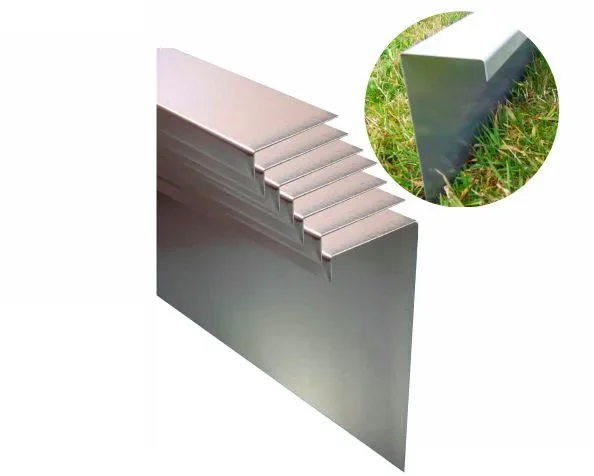
Mechanical barriers create a permanent line of defence. A
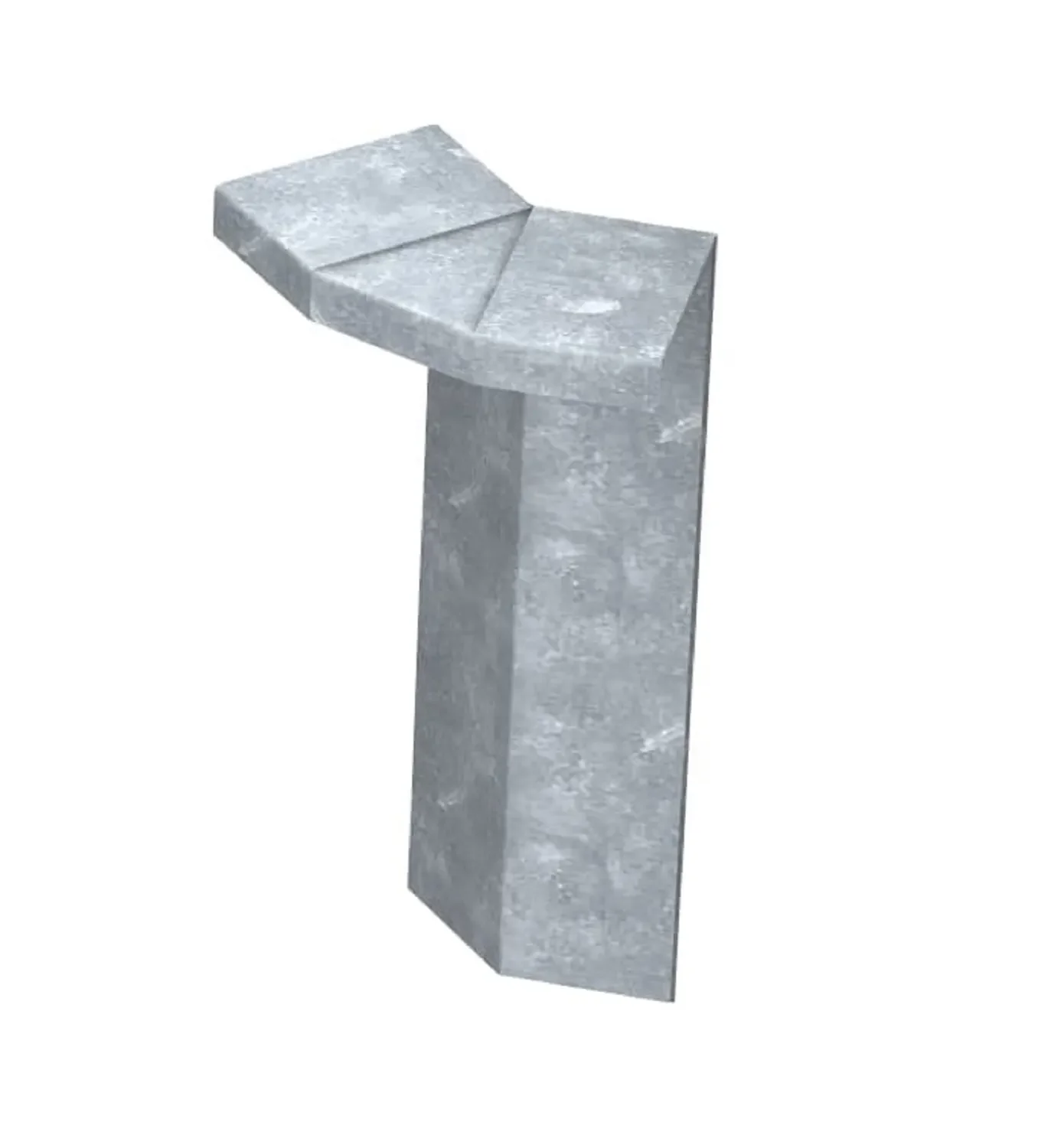
You need special angles for the corners of your raised bed. The
for 90-degree corners and the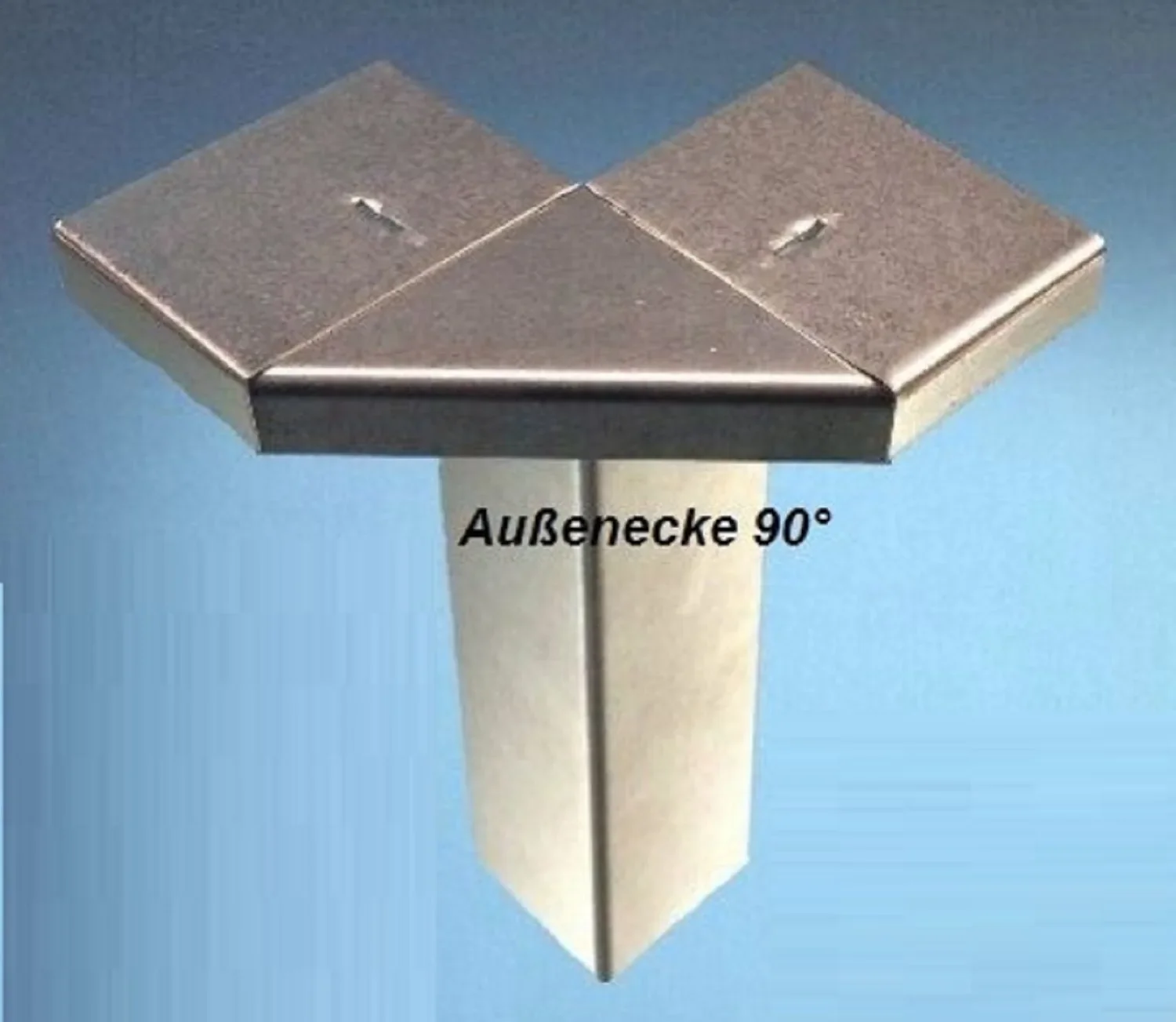
Additional advice
Strengthen your plants' natural defences. Healthy, loose soil promotes strong growth. A soil improver can help with this. Well-nourished plants are often avoided by slugs. Water in the morning, not in the evening, so the soil can dry out before night frost.
Cultural measures as the foundation
Your choice of plants affects slug infestations. Choose slug-resistant perennials and vegetable varieties. Lettuce, marigolds and dahlias are popular with slugs. Savoury, thyme and foxgloves are often avoided.
Keep your beds free of hiding places. Remove old boards, large stones and thick mulch directly around vulnerable plants. Mow the lawn regularly and keep it short. This deprives slugs of their daytime habitat.
Encourage natural predators. Create habitats for hedgehogs, slow worms and ground beetles with piles of deadwood, stone walls and native hedges. A wildlife-friendly garden regulates many problems naturally.
Where can I buy high-quality nematodes?
Nematodes are living organisms. The quality at the time of purchase determines how successful the treatment will be. Buy them from trustworthy sources. Specialist retailers for biological plant protection are a good first port of call.
Check the expiry date. Nematodes have a limited shelf life. Do not buy them in advance; order them shortly before you plan to use them. They should be delivered quickly and chilled, ideally by express delivery.
Read the product description carefully. Make sure the product contains Phasmarhabditis hermaphrodita. The pack size should match the area you want to treat. Using more than recommended provides no benefit.
Storage and handling before application
Keep the unopened pack in the fridge at 4-8°C until you are ready to use it. This slows down the nematodes' metabolism. Do not store them in the freezer, as this will kill them.
Plan the application for the day you receive the package or the following day. The longer the nematodes remain in the parcel, the more energy they lose. Fresh products have the highest survival rate and infective power.
With this holistic strategy of biological control, mechanical barriers and smart garden care, you can achieve your goal: a vibrant, productive and slug-free garden.
Frequently asked questions
- How long does it take for nematodes to kill slugs?
- After application, the nematodes enter the slugs within 1-3 days. Infected slugs stop feeding and die after around 3-10 days. The visible decline in the population is therefore not immediate, but becomes noticeable after about a week.
- Do nematodes also harm beneficial animals in the garden?
- The nematode species used against slugs, Phasmarhabditis hermaphrodita, is highly specialised. It only infects slugs, not snails, earthworms, insects, pets or humans. It is therefore a highly targeted biological control method.
- At what temperature should I apply nematodes?
- The soil temperature must be at least 12°C for successful application. Nematodes are most effective at temperatures between 15°C and 25°C. They are inactive at lower temperatures and die in excessive heat. The best period is from April to September.
- How often do I need to apply nematodes each year?
- One treatment is effective for around four to six weeks. In cases of severe slug infestation, two to three applications per season are recommended at intervals of six weeks. The first application should be made in spring as temperatures rise, targeting the young generation of slugs.
- Can I combine nematodes with other methods?
- Yes, nematodes can easily be incorporated into a combined defence system. Mechanical barriers such as a slug fence provide lasting protection. Nematodes then actively control the slugs inside the bed. Slug pellets should be used at a different time.
You might also be interested in
- How to control slugs: Effective methods for your garden
- Marigolds against slugs: The natural garden protection trick
- How to effectively control a slug infestation after rain
- How to build a slug trap: Effective methods for controlling slugs
- How to control garden pests naturally
- Using lacewings: Natural pest control