
In brief: Choosing finishes for a new home means deciding on all the materials and details that will shape your space. A well-organized checklist helps you compare colors, surfaces and quality levels in person. These choices define the look and feel of your home and affect its upkeep, value and day-to-day comfort for years to come. Take a methodical approach to avoid costly changes later.
New Home Construction: Your Checklist for Choosing Finishes
Your finish selections shape the character of your new home. This is where you choose colors, materials and surfaces. Good preparation is key to creating a cohesive look you’ll still love years from now.
Use the sections below as a guide. Work through them step by step and keep a record of every decision.
How can I prepare for my finish selection appointments?
Without preparation, the sheer number of options can quickly feel overwhelming. Gather inspiration ahead of time. Pinterest boards or a physical folder of magazine clippings can help.
Define your style in three words. Modern, Scandinavian, rustic? This simple guide can help you rule out options that don’t fit.
Create a rough color and materials plan. Which base colors should dominate each room? Make a note of your must-haves and deal-breakers.
Pro tip
Visit model homes or completed homes built by your builder. Photograph combinations you like. Ask the owners how their chosen materials have held up after several years of use.
Preparation checklist
- Gather inspiration: Digital boards, magazine clippings and photos.
- Set your budget: Find out which items are included in the package and where extra charges apply.
- Create room plans: Set aside one page per room for planned materials and colors.
- Request samples: Order large samples of key items, such as flooring or a kitchen countertop, before your appointment.
A good place to start is exploring Garden + Outdoor topics, which can spark ideas for your outdoor space.
Which materials do I need to choose for a new home?
The list is long. A systematic approach helps you avoid overlooking important details. Group your choices by trade.
Exterior and building envelope
Durability and weather resistance are key here. This category includes decisions about the siding, roof tiles, windows and front door. Don’t compare looks alone; check technical specifications too, such as the thermal insulation values (U-values) for windows.
Your home’s exterior is its calling card and is constantly exposed to the weather. Choose materials that look good and stay attractive over time with minimal maintenance.
A reliable house drainage pipe system is essential for all the parts of your home that carry water, even though it is often installed out of sight.
Interior finishes: floors, walls and doors
These elements have a major impact on how a room feels. Choose flooring such as tile, laminate, hardwood or vinyl. Compare the wear ratings. A hallway needs more durable flooring than a bedroom.
Choose wall colors or wallpaper. Always test color samples over a large area and in different lighting conditions—morning, midday and evening. Your choice of doors, frames and handles affects the look of the entire hallway.
Important note
Never rely only on small color swatches or digital displays. Lighting can dramatically change how a color looks. Order large paint sample boards (at least A4) and place them in the rooms for several days.
Bathroom, electrical and kitchen fixtures
In the bathroom, choose the sink, bathtub, shower, faucets and tile. Consider how easy each surface is to clean. Shiny faucets show fewer water spots than matte ones.
Electrical planning covers switches, outlets, lighting points and their design. Plan for enough outlets and think about where you’ll plug in practical power tools.
For the kitchen, you’ll select cabinet fronts, a countertop, sink and faucet. How the handles feel is just as important as how well the countertop resists heat and cuts.
How do I assess the quality and durability of materials?
Looks are one factor; durability is another. Ask specific questions. What warranty does the manufacturer offer? Which standards is the product rated against, such as the abrasion class for flooring?
Ask to see examples of completed homes. Your builder should be able to show you how the window finish or patio they offer has held up after five years.
The most expensive option isn’t automatically the best. What matters is whether it suits the location. A high-gloss sink in a guest bathroom is easier to maintain than one in a family bathroom that gets used every day.
For outdoor areas, such as covering a tool shed or a small greenhouse, sturdy sheeting and mesh are important materials. Their quality determines how well your equipment or plants are protected.
Practical questions to ask about material samples
- Maintenance: How do I clean this material? Which products should I avoid?
- Everyday use: How does the flooring hold up to high heels or dropped pots?
- Durability: Is the material UV-resistant (for sunny rooms)? Is it scratch-resistant?
- Odor: Do certain floor coverings or paints have a strong smell? This can matter for people with allergies.
Additional advice
Bring everyday items to your appointments. Rub the sole of your shoe over a flooring sample. Set a cup of coffee on the countertop sample. This lets you see how materials stand up to everyday use.
How do I organize the process and document my decisions?
Agree on a firm schedule with your builder for all finish selection appointments. Which trade will you discuss at each one? Allow enough time for every appointment—rushing can lead to poor decisions.
Keep a record of your selections. For each decision, note the product name, item number, color/RAL number, supplier and any extra charges. Ask for samples to take home or, at the very least, detailed data sheets.
Digital vs. physical documentation
A cloud folder is ideal for photos, scans and PDFs. Create folders by trade: "01_Facade", "02_Windows", "03_Flooring" and so on.
A physical folder is useful too. File all the samples, color cards and signed confirmation lists you receive. Bring this folder to every follow-up appointment.
Products that help keep your home organized, such as the practical
, show how thoughtful choices and good workmanship can make everyday life easier—a principle that also applies when choosing finishes for your new home.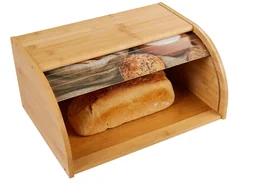
What happens after you make your selections?
The work isn’t finished once you’ve chosen your final samples. Have all your decisions summarized in a final written specification and signed by both parties. This document becomes part of your contract.
During the first site inspection and when the keys are handed over, check that the installed materials match what you agreed on. Record any differences in writing right away.
Keep your samples and records in a safe place. If you need repairs or want to make additions later, you’ll know exactly which wood flooring or tiles to buy again. Proper planning also extends to the garden, for example when choosing a suitable bird feeder or planning garden irrigation.
Take a methodical approach. The selection process is your opportunity to turn your new home’s shell into a space that reflects your personality. Every well-considered decision will pay off throughout your home’s lifetime.
Frequently asked questions
- What does the materials and finishes selection process for a new home involve?
- The selection process is a key stage in planning a new home, when you choose all the visible and functional materials for your home. You select specific products on site from samples and swatches, such as tiles, wood flooring, paint colors and finishes, bathroom fixtures, door handles, and kitchen countertops. These choices shape the look and feel of your future home.
- When does the selection process take place during new home construction?
- The main selection phase typically begins as soon as the building plans are complete and approved, but before construction starts. It often lasts several weeks because different trades need to be coordinated one after another. Start gathering ideas early so you can make focused decisions when you meet with the builder or architect.
- What mistakes should I avoid when choosing materials?
- Avoid making choices in isolation. Always consider flooring alongside wall colors and furniture. Don’t decide based only on a small catalog sample; ask for larger samples. Keep practical factors such as maintenance and durability in mind—for example, a matte-finish sink shows more hard water stains than a glossy one.
- Can I save money during the selection process?
- Yes, making targeted choices can help control costs. Standard-size tiles cost less than specialty sizes. Using the same materials in the bathroom and hallway reduces the amount of cutting required. Ask about similar alternatives in the builder’s standard product range. Investing in durable materials for heavily used features such as windows can reduce repair costs over time.
- Should I attend the selection appointment alone or bring someone with me?
- Bring a second person, ideally someone who will live in the home with you. Two perspectives can help prevent rushed decisions and make it easier to weigh the pros and cons. A professional interior designer or experienced site manager can also offer impartial advice on technical details, lighting, and combinations that work well together—things you may overlook if you’re not a design professional.
You may also be interested in
- Building your own home: Key steps in construction planning
- Building materials at a glance: Choosing the right option for your project
- Planning a bathroom renovation: The ultimate checklist for your project
- Choosing bathroom fixtures: How to design your dream bathroom
- Planning utility connections: Your guide to electricity, water & more
- Building a solid brick house: Foundations, walls and construction planning