
In brief: An oil-filled heater warms thermal oil inside a sealed system. It runs quietly, does not dry out the air, and distributes heat evenly. It continues to give off warmth after you switch it off. For spot heating, it is a cost-effective supplement to your central heating.
How does an oil-filled heater work?
An oil-filled heater contains a sealed system of heating elements and thermal oil. The electric heating element warms the oil, which circulates through the fins and transfers heat to the room across a large surface area.
The process is quiet and produces little dust. Unlike a fan heater, an oil-filled heater does not stir up the air. It gives off heat through radiation and convection, making it especially comfortable to use.
The thermal oil acts only as a heat-transfer medium. You never need to top it up. The system stays sealed, so oil cannot escape from an undamaged appliance.
Why use an oil-filled heater as a supplemental heater?
Turning up your central heating to warm one cold room can be expensive. A portable oil-filled heater offers a simple solution: place it wherever you need extra heat.
This can save energy and money because you heat only the room you are using. Unused areas stay cool, making this a more targeted way to heat your home.
Common places to use one include a garden shed, hobby room, or workshop. An oil-filled heater can also keep a home office comfortable on frosty days. It is quick to set up and easy to move.
Pro tip
Pair your oil-filled heater with a timer or a smart thermostat, such as the
. This lets you warm the room just before you need it. Avoiding unnecessary run time can noticeably reduce your electricity costs.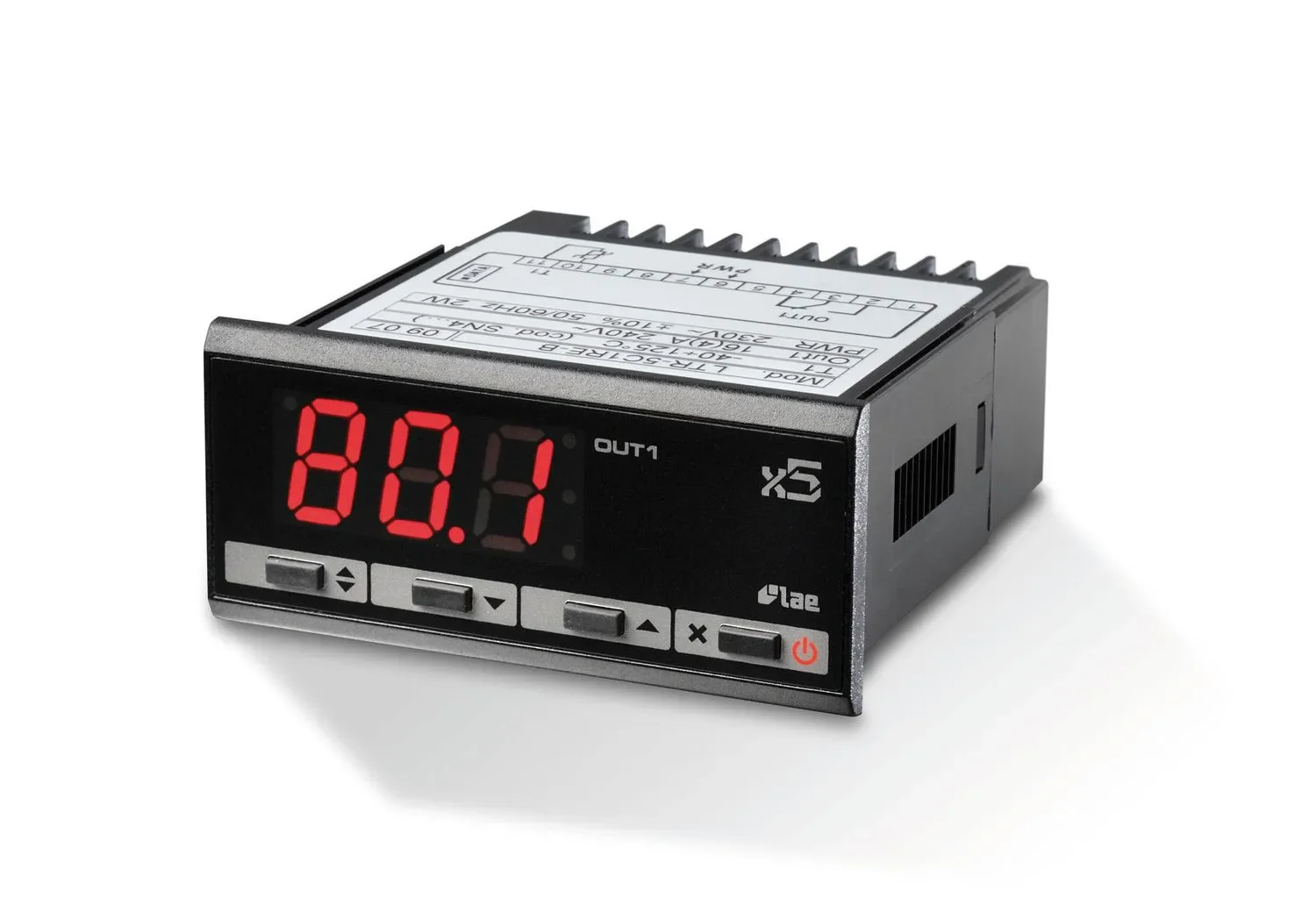
What wattage do I need?
The heating output you need depends on the room’s size and insulation. As a rough guide, allow around 30-40 watts per cubic metre of room volume. For a room measuring 30 m³ (approx. 12 m² with a ceiling height of 2,5 m), that works out to 900-1200 watts.
For poorly insulated rooms, such as a garden shed, choose a higher wattage. In a well-insulated living space, a lower setting is often enough.
Many models, such as the
or the offer several heat settings. You can choose from 600, 900, and 1500 watts to match the output to the current temperature and the size of your room.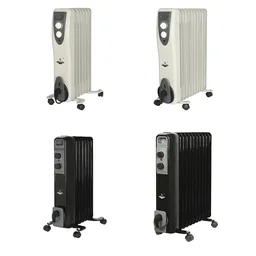
Keep an eye on output and electricity use
A 1500-watt appliance uses 1,5 kilowatt-hours per hour when running at full power. Multiply that by your electricity rate to work out the cost. A thermostat controls how long the heater runs and maintains the set temperature, so it does not need to run continuously.
An appliance with continuously variable or multi-stage power control can quickly pay for itself. It helps prevent small rooms from overheating, so you pay only for the heat you need.
What should I look for when buying one?
1. Number and shape of fins
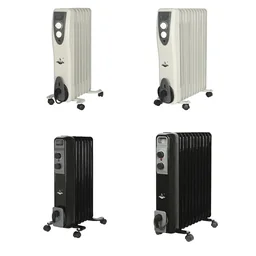
More fins provide a larger surface area, which helps the heater release heat. An 11-fin oil-filled heater (such as ) heats a room faster than a 7-fin model (such as ).
Seven fins are enough for smaller rooms or occasional use to warm your feet. For longer use or larger spaces, an 11-fin model is a better choice. Fin shape also affects convection, and newer designs can be more efficient.
2. Built-in thermostat
A thermostat is essential for efficient heating. Set your preferred room temperature, and the appliance switches itself on and off to maintain it. This helps save electricity and keep the room comfortable.
Digital thermostats with a display are handy because they show the target and current temperatures. An external thermostat such as gives you even more flexibility and control.
Important note
Without a thermostat, an oil-filled heater can keep heating without temperature control. This can make rooms too hot and drive up your electricity bill. Look for a built-in thermostat or plan to buy an external controller.
3. Mobility: wheels and weight
A portable oil-filled heater should have sturdy wheels so you can move it easily from room to room. Look for lockable wheels and a weight you can manage.
Depending on the filling and design, oil-filled heaters weigh 10 to 20 kilograms. The weight helps keep the appliance stable, while lighter models are easier to move.
4. Safety features
Modern appliances have overheat protection that switches off the heating element if it gets too hot. A tip-over switch turns the heater off if it falls over.
A housing with rounded edges can help reduce the risk of injury. Check for these features before you buy. Safety comes first.
The surface of an oil-filled heater can get hot enough during use to cause severe burns. Position the appliance so that children in particular cannot touch the hot surface.
How can I use an oil-filled heater efficiently?
Place the heater in an open area of the room, at least 50 cm from furniture, curtains, and other objects. This allows air to circulate and helps reduce fire risk.
Close the doors and windows in the room you are heating to keep warmth from escaping. Insulate cold spots, such as drafty windows, too.
Use the heat settings wisely. Start on full power to warm up the room, then switch to a lower setting or turn down the thermostat to maintain the temperature.
Additional advice
Check your rooms before winter arrives. Seal drafty windows. Use garden fleece as extra insulation for frost-hardy plants, or protect your garden furniture from frost. The less cold air gets in, the less your oil-filled heater has to work.
How to Save Energy
The key to saving energy is choosing a heater with the right output for your needs and using smart controls. Don’t run it continuously—heat the room only when you need to. There’s no need to keep a room at 22 degrees around the clock if you only use it in the evening.
A programmable thermostat is ideal for this. It warms the room before you arrive and keeps the heater off the rest of the time. Compared with manual operation, this can save up to 30 percent on energy.
Compare the purchase price with the running costs. A cheaper model without a thermostat may cost more over time. Estimate the electricity costs for the period you plan to use it.
Care and Maintenance
Oil-filled radiators require little maintenance. Once the heater is switched off and cool, wipe the housing with a dry cloth. Don’t use harsh cleaners or water.
Check the power cord regularly for damage. Store the heater in a dry place during the summer, such as in your workshop near the workshop supplies.
The casters should turn freely. From time to time, remove any dust that has built up in the ventilation slots. This helps maintain optimal heat output.
Conclusion: Heat Only the Rooms You Need
An oil-filled radiator isn’t a substitute for a modern central heating system. It’s a practical way to add targeted, comfortable heat. Unlike heaters that can be noisy or dry out the air, it provides quiet, gentle radiant warmth.
Choose a model with enough fins, a reliable thermostat, and the safety features you need. Use it wisely to save energy. That way, the next cold snap won’t catch you off guard.
Get ready for the cold season. With the right equipment, you can heat only the areas you need—and save money in the process.
Frequently Asked Questions
- How much electricity does an oil-filled radiator use?
- Electricity use depends on the heater’s wattage and how long it runs. A 1500-Watt heater uses around 1.5 kWh of electricity per hour of continuous operation. At an electricity rate of 30 cents per kWh, one hour costs around 45 cents. A thermostat can significantly reduce costs by regulating the heat output.
- Are oil-filled radiators dangerous?
- Modern oil-filled radiators have safety features such as overheat protection and tip-over protection. The surface gets very hot, so place the heater in an open area away from flammable materials such as non-woven fabrics or curtains. Never leave it unattended around small children or pets.
- Which rooms are best for an oil-filled radiator?
- Oil-filled radiators are ideal for rooms that are used infrequently or have poor insulation. These include guest rooms, workshops, basement hobby rooms, and the garden shed. They heat up quickly and are portable. In well-insulated living spaces, use one as supplemental heat on cold days.
- Oil-filled radiator or convection heater: which is better?
- An oil-filled radiator gives off heat primarily through radiation, much like a traditional radiator. The air tends to stay more humid. A convection heater warms the air directly, making it circulate. This heats a room faster, but the air can feel drier. An oil-filled radiator is quieter and retains heat longer. The best choice depends on your personal comfort.
- Can I use an oil-filled radiator for continuous heating?
- Yes, but it often isn’t cost-effective. Central heating is more efficient for heating an entire house. An oil-filled radiator makes sense when you want to heat individual rooms temporarily, such as a garden office for a few hours. This saves energy by avoiding the need to heat the entire building.
You might also be interested in
- Convection Heating: Heat Efficiently and Save Money
- Oil Heating: Efficient Heat for Your Home?
- Heater Test & Comparison 2026: The Best Models Reviewed
- Heating Advice: Heat Efficiently and Sustainably
- Radiator Types Compared: Easy, Efficient Heating
- Choosing a Wall-Mounted Heater: Tips for Convection Heaters