
In brief: Oleander in an urban garden needs a sunny, sheltered spot and plenty of water in summer. Use hard tap water and feed weekly from April to August with a flowering plant fertiliser. The right winter protection is essential, as the plant is only partially frost-hardy. Annual pruning after flowering encourages branching and abundant blooms.
Oleander Care: Grow a Mediterranean Beauty in the City Garden
Oleander brings a Mediterranean feel to any city balcony and small garden. This robust plant with its abundant flower clusters is perfect for urban gardening. It needs a clear routine for watering, feeding and overwintering.
With the right care, Nerium oleander flowers from June through to autumn. Forget vague advice. Here are clear, practical instructions.
How do I choose the perfect location for my oleander?
Oleander loves the sun. Place the plant somewhere with at least six hours of direct sunlight per day. A south- or southwest-facing position is ideal. The heat radiated by walls is beneficial.
Protect oleander from strong, cold winds. A sheltered corner of a courtyard or a covered balcony provides security. The plant does not tolerate draughts well.
“Oleanders are extremely light-hungry. In partial shade, they produce long, weak shoots and barely flower. Maximum sun exposure is non-negotiable for abundant blooms.”
Bear the weight in mind. A mature oleander in a large planter is heavy. Check your balcony’s load capacity. A sturdy plant saucer protects the floor and makes moving it easier.
The right soil and suitable planter
Use high-quality potting compost for container plants. It should be structurally stable and well-drained. If necessary, mix in expanded clay or sand. This prevents waterlogging.
The planter needs a large drainage hole. A drainage layer of gravel or expanded clay at the bottom of the pot is essential. Oleander likes to stay wet, but its roots should never sit in water.
Pro tip
Repot young oleanders every two to three years. Choose a new pot only one size larger. Too much space encourages root growth at the expense of flowers. The best time to repot is early spring.
How do I water and feed oleander correctly?
Watering is the most important care task in summer. Oleander needs a lot of water. On warm days, water in the morning and evening. The root ball must always remain moist.
Use hard tap water. Oleander tolerates hard water extremely well. Rainwater is less suitable. In summer, you can safely leave the planter in a saucer filled with water.
Feed regularly from April to the end of August. A liquid fertiliser for flowering plants added to the watering water supplies nutrients weekly. Look for a balanced NPK ratio with a high phosphorus content to encourage flower formation.
In the plant fertiliser range, you will find special products for flowering plants. Products such as reliably support abundant flowering.
Recognise and treat common problems
Yellow leaves often indicate a nutrient deficiency or drought stress. Check your feeding and watering routine. Brown leaf tips may be caused by fertiliser burn.
Oleander is susceptible to aphids and scale insects. Check the undersides of the leaves regularly. If the plant is infested, treat it early with a suitable plant protection product such as .
Important note
Oleander is poisonous in all parts. Wear gloves when pruning. Wash your hands afterwards. Keep the plant out of reach of children and pets.
How do I prune my oleander for abundant blooms?
Prune your oleander straight after the main flowering period in late summer. The plant forms its flower buds for the following year on the current year’s wood. Pruning late in spring will cost you the flowers.
Shorten long, faded shoots by one to two thirds. Always cut just above a leaf node or a branch. Remove completely dead shoots and those growing inwards.
“Pruning is not just about shaping the plant. It is a rejuvenation programme. Every cut encourages branching. More shoots mean more flower clusters next summer. Be bold.”
Use sharp, clean secateurs. Blunt tools crush the shoots, allowing disease to enter. Disinfect the blades after pruning.
Shape standards and shrubs
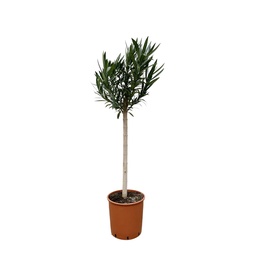
For oleander standards, prune the crown into a spherical shape. Remove shoots from the trunk immediately. For shrubs, encourage a loose, bushy shape.
You can buy pre-shaped plants such as the
(pink flowers) or (white flowers). These only need maintenance pruning.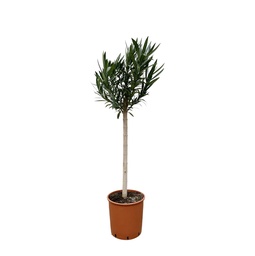
Additional advice
Don’t want to prune? Oleander can also go for years without pruning. The plant will then grow larger and continue to flower. However, branching and flower density will gradually decrease.
How do I safely overwinter oleander in the city?
Overwintering is the most critical phase. Oleander can tolerate light frost down to around -5°C, but not prolonged frost. In most German urban regions, a sheltered winter location is necessary.
Ideally, use a bright, cool room with temperatures between 2°C and 10°C. An unheated stairwell, conservatory or bright basement with a window is perfect. A garage is only suitable if there is enough daylight.
Water sparingly in winter. The root ball must not dry out, but should only be slightly moist. Do not fertilize. Check regularly for pests.
Outdoor overwintering is a risk
In mild wine-growing regions, you can try protecting your oleander outdoors. Place the container against a sheltered house wall. Wrap the pot and plant in several layers of fleece or coconut matting.
Protect the root area with leaves or straw. Place the container on a polystyrene board to protect it from ground frost. This method always involves a risk. Particularly valuable specimens such as the
should preferably be brought indoors.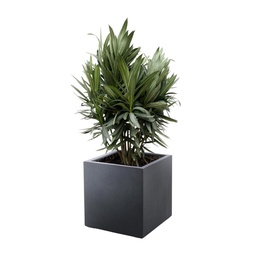
Which oleander variety is right for my city garden?
There is a wide choice. Compact varieties such as 'Little Red' or 'Petite Salmon' are ideal for balcony boxes and small containers. They rarely grow taller than 1.5 meters.
Classic standards add structure. They draw the eye upwards and save floor space. A standard oleander looks very elegant on a patio.
Pay attention to the flower color. Available colors include white, pink, salmon, red and yellow. Single-flowered varieties are often more robust and produce more flowers than double-flowered varieties. Double flowers can rot in rainy weather.
For a quick Mediterranean look, choose an already large plant in full bloom. Our range includes different sizes and shapes for an immediate effect.
Combine oleander carefully
Oleander makes an impressive specimen plant on its own. In large containers, combine it with trailing baby's tears or low-growing lavender. Companion plants must have similar requirements for sun and water.
Avoid overcrowded planting arrangements. Oleander needs air around its leaves. This helps prevent fungal diseases. The right gardening accessories can help with care.
With these clear guidelines, you can transform your urban outdoor space into a Mediterranean oasis. Oleander rewards consistent care. In return, it provides months of abundant blooms.
Frequently Asked Questions
- How often do I need to water my oleander?
- Water your oleander daily in summer, and even in the morning and evening on hot days. The root ball must never dry out. If possible, use hard tap water. Reduce watering significantly in winter, but keep the root ball slightly moist.
- Is oleander hardy? Can it stay outdoors?
- Mature oleander plants can tolerate temperatures down to around -5°C for short periods. For reliable winter protection, we recommend a bright, cool (0-10°C), frost-free location. In mild regions, you can overwinter the plant outdoors with fleece and a sheltered position.
- Why isn't my oleander flowering?
- A lack of flowers is often caused by too little sun, the wrong fertilizer or overly severe pruning. Oleander needs full sun. Fertilize from spring through summer with a phosphorus-rich fertilizer for flowering plants. Only prune after flowering to avoid removing the new flower buds.
- What fertilizer does oleander need?
- Use a liquid fertilizer for flowering plants with high phosphorus and potassium content (e.g. NPK ratio 8-10-8). Fertilize weekly from April to the end of August by adding it to the water. You can find suitable products in the plant & flower fertilizer range.
- Can I propagate oleander myself?
- Yes, propagating oleander from cuttings is easy. In summer, cut 10-15 cm-long semi-ripe shoot tips. Remove the lower leaves and place the cuttings in seed-starting soil. Keep the soil consistently moist. Under a cover, they will root at around 20°C within a few weeks.
You may also be interested in
- Dipladenia care: tips for abundant blooms
- Propagating oleander: step by step to a new plant
- Geranium care: tips for beautiful blooms on your balcony and in the garden
- Designing urban greenery: your small city garden
- Caring for annual summer flowers: how to ensure abundant blooms
- Chrysanthemum care: tips for beautiful autumn blooms