
In brief: The most common problems affecting olive trees are fungal diseases such as peacock spot and pests such as scale insects and mealybugs. Look out for yellow leaves, spots, or sticky residue. Good care, including the right location, suitable watering, and regular pruning, helps prevent most diseases and pest infestations.
An olive tree brings a Mediterranean feel to a balcony, patio, or garden. It is hardy and easy to care for. However, even this resilient plant is not immune to diseases and pests. Sticky leaves, unsightly spots, or sudden leaf loss can spoil the experience. With the right knowledge, you can spot problems early and take appropriate action.
This guide explains the most common symptoms, outlines their causes, and provides practical instructions for dealing with them. After all, the best medicine is prevention through proper care.
Why is proper care the best prevention?
A healthy, vigorous olive tree is much better able to resist pathogens and pests than a weakened specimen. Most problems are caused by care mistakes. By meeting your tree’s basic needs, you create a strong defense. Proper care is your most effective plant disease and pest control.
Location and soil
Olive trees love the sun. Give yours the sunniest and warmest spot you can find. Good drainage is essential. Waterlogged soil is the greatest enemy of olive roots and quickly leads to root rot. For container plants, use high-quality potting mix and loosen it with sand, expanded clay, or lava granules. Outdoors, a drainage layer of gravel in the planting hole helps water drain properly.
The olive tree is a characteristic plant of the Mediterranean region and tolerates drought better than waterlogged soil. The key to success is a well-drained growing medium and maximum sunlight.
Watering and fertilizing correctly
Water your olive tree thoroughly but infrequently. The top layer of soil should dry out well between waterings. A finger test helps: if the soil feels dry several centimeters below the surface, it is time to water. From April to September, the tree needs nutrients. Feed it every two to four weeks with a specialized Mediterranean fertilizer or a balanced liquid fertilizer. The right garden and plant accessories, such as a moisture meter, can help you with this.
Pruning correctly
Regular thinning in spring not only encourages an attractive crown shape but also promotes plant health. Remove branches that grow inward, cross one another, or are dead. An open crown dries more quickly after rain, depriving fungal diseases of the conditions they need to thrive.
Expert tip
Disinfect your pruning tools before use, for example with rubbing alcohol. This prevents pathogens from being transferred from one plant to another. Clean cuts also heal faster and provide less opportunity for fungi to take hold.
Wintering without stress
Overwintering is a critical phase. Container plants should spend the winter in a bright, cool place at 5 to 10 degrees Celsius. Water only very sparingly during this time. Specimens planted outdoors in mild regions need winter protection for the root area (thick mulch layer) and crown. In severe frost, freezing rain, or cold, wet winds, covering the tree can be useful. A sturdy
protects the crown from moisture and cold winds, which can weaken the tree and make it more susceptible to problems.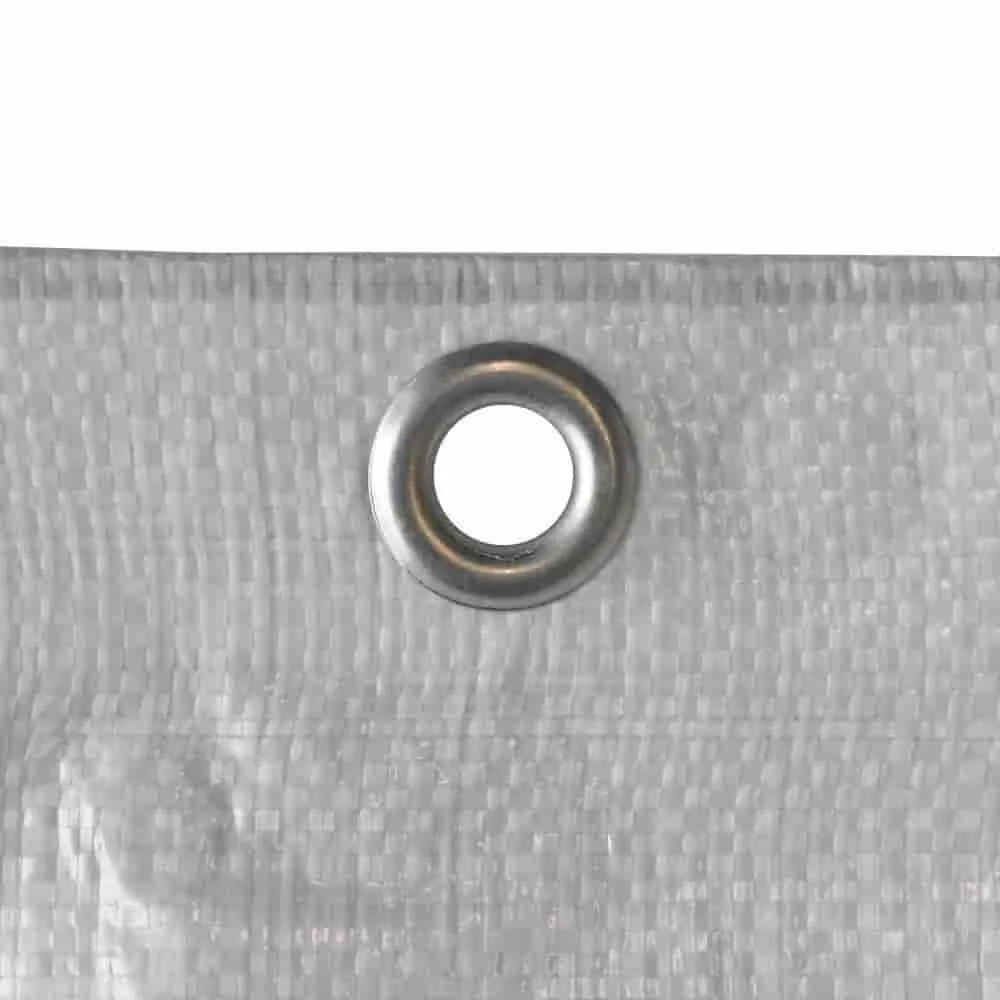
Which fungal diseases most commonly affect olive trees?
Fungi thrive in damp, cool conditions. Poor air circulation in an overly dense crown or prolonged rainy weather encourages infection.
Peacock spot (Spilocaea oleaginea)
This is one of the most common diseases affecting olive trees. You can recognize it by the characteristic spots on the upper surfaces of the leaves.
- Symptoms: Round, initially grayish-brown spots surrounded by a yellow ring (halo). They resemble an eye. The spots later turn black. Heavily affected leaves fall off.
- Cause: A fungus that overwinters on the leaves and spreads through rain splash. It is particularly active in spring and fall.
- Treatment: Remove all affected leaves immediately and dispose of them with household waste, not in the compost. Thin out the crown generously to improve air circulation.
Leaf drop disease (Colletotrichum gloeosporioides)
As the name suggests, this disease causes severe leaf loss and can significantly weaken the tree.
- Symptoms: Yellowing and wilting leaves, often starting at the leaf tip. Irregular brown to gray spots develop. The leaves fall prematurely, usually progressing upward from the lower branches.
- Cause: A fungus that becomes particularly active in high humidity and warm conditions.
- Treatment: The measures are the same as for peacock spot. Consistently removing fallen leaves is crucial because the fungus survives in them.
Important note
Copper-based fungicides can help with persistent fungal infections. However, use these products only selectively and as a last resort. Always follow the instructions for use and local regulations, as their use in home and small gardens is restricted in some areas.
Root and stem rot (Phytophthora)
This is the most dangerous disease because it is often noticed too late and is usually fatal to the tree.
- Symptoms: The tree becomes stunted, its leaves turn pale green to yellow, and they wilt even though the soil is moist. The bark at the base of the trunk may become dark and soft.
- Cause: Waterlogged soil around the roots. The roots suffocate and die, giving rot fungi an easy opportunity to spread.
- Treatment: A cure is rarely possible. Prevention is everything. Ensure excellent drainage in containers and outdoors. For container plants in the early stages, quickly repotting them in dry, loose soil may sometimes help.
How do I identify and control the most common pests?
Pests suck sap from the plant, weakening the tree and potentially spreading disease. Check the leaves, including their undersides, and the shoots regularly.
Scale insects (Coccoidea)
Scale insects are persistent pests that blend in with the plant.
- Symptoms: Small, raised brown or grayish “scales” on the shoots and undersides of leaves. Leaves are often coated with sticky honeydew, which can encourage black sooty mold that interferes with photosynthesis.
- Control: For a light infestation, scrape the insects off with a cloth or an old toothbrush. You can also use a spray made with water, rubbing alcohol, and insecticidal soap. For a severe infestation, products containing rapeseed or neem oil may help. Find them in our Pest + Plant Protection category.
Mealybugs (Pseudococcidae)
Also known as woolly aphids, mealybugs tend to hide in leaf axils and other sheltered spots.
- Symptoms: White, cotton-like patches on the plant. Like scale insects, mealybugs produce sticky honeydew, and their sap feeding weakens the tree.
- Control: Treat them much like scale insects. Dab the colonies with a cotton swab dipped in alcohol to dissolve their protective wax coating. Then rinse them off with a strong stream of water or treat the plant with the oil- or soap-based products mentioned above.
Using beneficial insects, such as ladybugs to control aphids or lacewing larvae to control spider mites, is an effective, environmentally friendly form of biological pest control that supports ecological balance in the garden.
Olive fruit flies and other insects
Olive fruit flies are rarely a problem in Germany, but other insects can damage the tree or spread disease.
- Olive fruit fly (Bactrocera oleae): Lays eggs in the fruit, which can reduce the harvest. It is not a concern for purely ornamental trees.
- Leafhoppers: Some leafhopper species can spread the dangerous bacterium Xylella fastidiosa, which causes olive quick decline disease and can kill entire olive groves. Cases are still rare in Germany, but caution is advised.
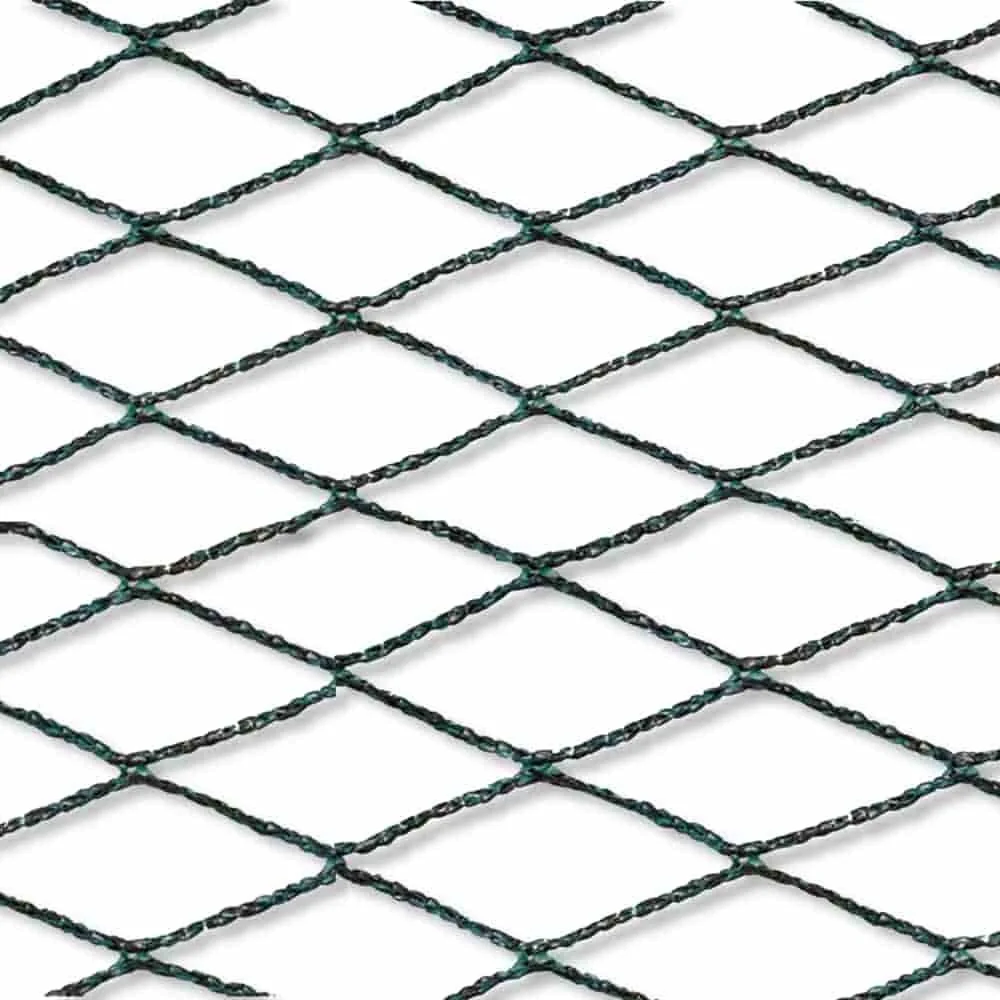
- Control: A physical barrier is an effective, environmentally friendly option. A fine-mesh net such as the can be stretched over the canopy to keep flying pests away from the tree. Find similar barriers in our Tarpaulins + Nets selection.
What do yellow leaves on an olive tree mean?
Yellow leaves, or chlorosis, are a symptom rather than a disease. They can point to several different causes.
Overwatering or underwatering
This is the most common cause. With waterlogged soil, leaves often turn yellow and droop because the roots are not getting enough oxygen. During a drought, the tree may drop leaves to conserve water; they often turn yellow and dry out first. Check the soil moisture before taking action.
Nutrient deficiency
A lack of essential nutrients can also discolor leaves. Nitrogen deficiency causes leaves to pale evenly, starting with the older leaves. Iron deficiency causes yellow leaves with green veins, usually on young shoots. Balanced fertilization during the growing season can help prevent these problems.
Additional advice
Olive trees renew their foliage every two to three years. It is normal for some older leaves inside the canopy to turn yellow and fall off. Look at the tree as a whole: if only a few leaves are affected and the tree otherwise looks healthy, there is usually no cause for concern.
Change of location and lack of light
When you bring an olive tree indoors for winter, it has to adjust to a much lower light level. It may shed leaves that had adapted to the strong summer sun. This leaf drop is a normal part of the adjustment process. Give the tree the brightest spot you can in its winter quarters.
Caring for an olive tree can be rewarding. Keep an eye on your tree and learn to recognize common problems so you can respond quickly and appropriately. Consistent, attentive care is the best way to help your Mediterranean centerpiece live a long, healthy life.
Frequently asked questions
- Why are my olive tree’s leaves turning yellow and falling off?
- Yellow leaves often indicate a care issue. The most common cause is waterlogged soil from overwatering. Underwatering, nutrient deficiencies, or a sudden change in location, such as bringing the tree indoors for winter, can also cause yellow leaves. Check the soil moisture before taking further action.
- How do I get rid of sticky leaves on my olive tree?
- Sticky leaves are usually coated with honeydew, a substance produced by pests such as scale insects and mealybugs. Check your tree carefully for these pests. For a light infestation, wipe them off or treat them with a solution of rubbing alcohol and soap. A severe infestation may require a specialized plant protection product.
- How can I identify olive leaf spot?
- Olive leaf spot appears as round, gray-brown spots on the leaves, often surrounded by a yellow halo. The spots can look like small eyes, and affected leaves eventually fall off. The disease is most common in cool, damp weather.
- Does a potted olive tree need different care from one planted in the ground?
- Yes. Potted olive trees need more attention because their soil dries out faster and has a limited supply of nutrients, so they need more regular watering and fertilizing. The root ball in a pot is also more vulnerable to frost and needs better winter protection than the roots of a tree planted in the ground.
- Can I water my olive tree with tap water?
- Yes, tap water is suitable in most areas. Olive trees tolerate mineral-rich water relatively well, though rainwater is ideal because it is softer. If your tap water is very hard, let it sit for a while before watering so some of the minerals can settle.