
In brief: Good plant care rests on four essentials: proper watering, feeding plants according to their needs, providing the right amount of light and protecting them from pests and disease. These steps help prevent plant stress and support natural resilience. Healthy soil is the foundation for every other care routine.
Plant Care Basics for a Healthy Garden
A garden full of flowers, lush green foliage and a plentiful harvest don’t happen by chance. They’re the result of consistent care tailored to your plants’ needs. The basics are simple: understand four essentials—water, nutrients, light and protection.
Forget complicated rules and focus on these key areas. They create the conditions your plants need to grow strong and healthy. This article covers the essentials of garden care.
Expert tip
Check your plants regularly. Discoloured leaves, wilting or fewer flowers than usual can be early warning signs. The sooner you respond, the easier it is to address the problem.
How do I water plants correctly?
Watering can make all the difference to how well your plants grow. Too much water can be just as harmful as too little: roots may suffocate or dry out. Aim for evenly moist soil, but never let it become waterlogged.
Water thoroughly until water runs out of the drainage holes. Then wait until the top layer of soil has dried before watering again. This encourages a deep, stable root system. Lightly sprinkling plants every day, on the other hand, can lead to shallow roots.
The finger test: your best guide
Push your finger about two centimeters into the soil. If it feels cool and slightly moist, the plant doesn’t need watering yet. If it feels dry and crumbly, it’s time to water. This simple check is more reliable than sticking to a fixed watering schedule.
Take the season and weather into account, too. More water evaporates on hot, windy days. Plants need much less water during cool, damp weather in spring or fall. Container plants also dry out faster than plants growing in garden beds.
Plants tell us what they need. We just have to learn to pay attention. Wilting in the afternoon can be a sign of heat stress. If the plant is still wilted in the morning, it usually needs water.
What nutrients do plants need?
Plants need nutrients to grow, flower and produce fruit. The three main nutrients are nitrogen (N) for leafy growth, phosphorus (P) for flowers and roots, and potassium (K) for overall strength and health. Getting the balance right is essential.
You’ll find the nutrient balance listed as an N-P-K ratio on fertilizer packaging. An all-purpose fertilizer might have a formula such as 7-3-6. Fertilizers for flowering plants contain more phosphorus, while lawn fertilizers are high in nitrogen. Browse our plant and flower fertilizers category to compare different products.
Organic or mineral fertilizer?
Mineral fertilizers work quickly because their nutrients are water-soluble and readily available. Organic fertilizers such as compost, horn shavings or our need to be broken down by soil organisms first. They release nutrients more slowly, but last longer and improve soil structure.
Fertilize mainly during the growing season, from spring through summer. Apply less in fall and stop altogether in winter. Overfertilizing can do more harm than underfertilizing: it may burn the roots and leave plant tissue soft and vulnerable.
Important note
Never fertilize dry soil. The high salt concentration can damage roots. Water the plant thoroughly before applying fertilizer, or fertilize after rain.
Why is the right amount of light so important?
Light provides the energy plants need for photosynthesis. Without enough light, they can’t produce nutrients. Light requirements vary widely. A sun-loving plant such as a rose may wither in the shade, while a fern can scorch in bright, direct sunlight.
Before buying a plant, find out how much light it needs. Labels such as “full sun,” “partial shade” and “shade” offer helpful guidance. Full sun means at least six hours of direct sunlight around midday. Partial shade means three to six hours of sun, ideally in the morning or evening.
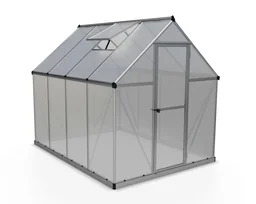
For light-loving plants in shady spots, or to get an early start to the season, a is an ideal solution. It creates a warmer, sheltered microclimate.
Many plant care problems go away when a plant is growing in the right spot. Light is essential. You can water and fertilize all you like, but a plant won’t reach its full potential in the wrong light.
How to recognize signs of incorrect lighting
Not enough light can cause long, thin stems that stretch toward the light source (a condition called “etiolation”), pale green or yellowish leaves, and few or no flowers. Too much light can scorch leaves, leaving brown, dry patches, especially on their upper surfaces.
How do I protect my plants from pests and diseases?
The best way to protect your plants is to keep them healthy and strong. Healthy plants are better able to withstand pests and disease. Start with the right foundation: good care. Even so, pests such as aphids and diseases such as powdery mildew can still appear. The key is to act early.
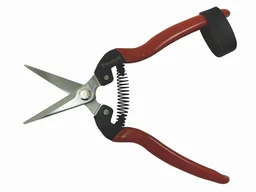
Check your plants every week, especially the undersides of leaves and the tips of new shoots. Remove affected plant parts right away. You can wash many pests off with a strong jet of water. For precise pruning and removing diseased shoots, sharp, clean scissors such as the are essential.
For more serious infestations, choose targeted products from the pest control range. Whenever possible, opt for environmentally friendly products that are safe for beneficial insects.
Additional advice
Planting a mix of species throughout your garden makes it harder for pests to spread widely. Try planting marigolds among your vegetables or lavender next to your roses.
Prevent problems with the right growing conditions
Many fungal diseases, including powdery mildew and gray mold, thrive in warm, humid conditions with poor air circulation. Water at the roots rather than over the leaves. Give plants enough space so air can move freely between them.
The foundation: Healthy soil
Every plant care routine starts with healthy soil. Soil holds water and nutrients and provides a home for plant roots. Loose, humus-rich soil with a good structure is essential. Compacted, clay or sandy soils may need improvement.
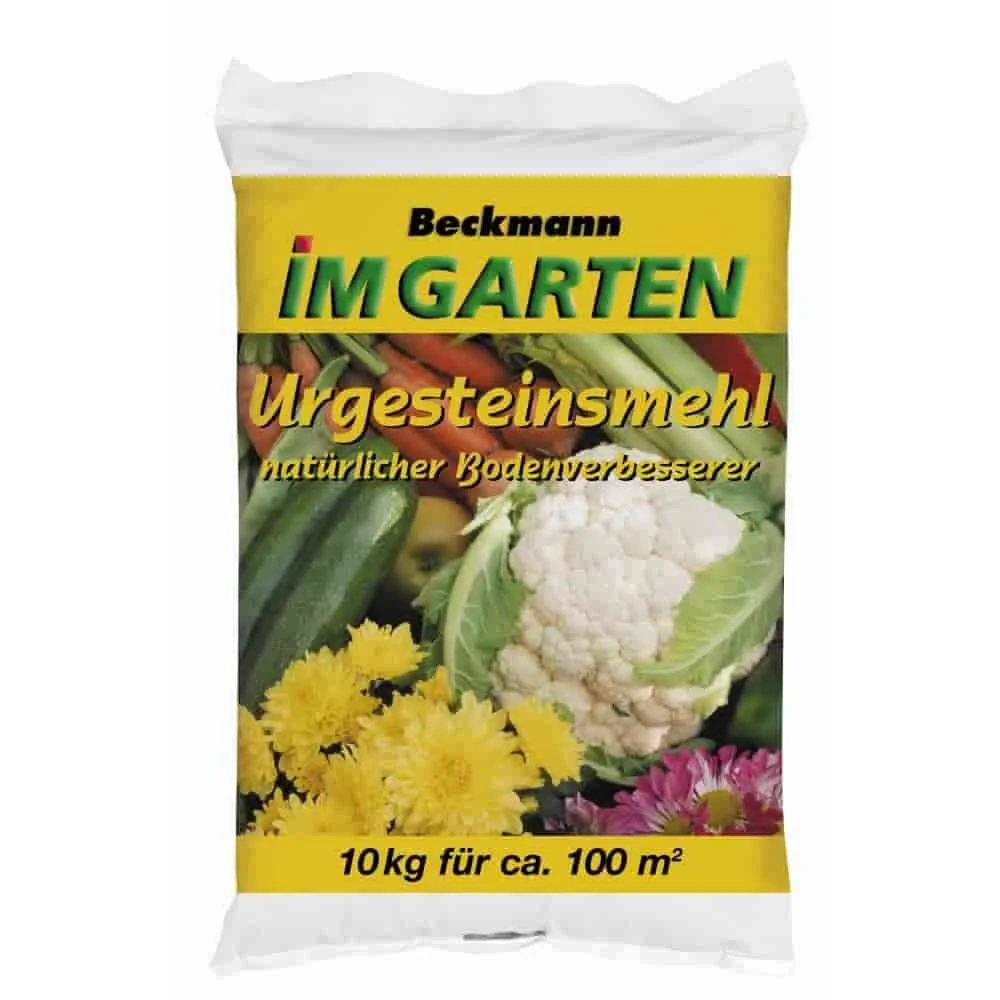
Work compost into the soil regularly to add nutrients and support soil life. For a lasting supply of minerals and to improve heavy soil, (rock dust) is a tried-and-true option. It adds trace elements and helps create a looser, more crumbly soil structure.
Mulch your beds with grass clippings, bark humus or chopped straw. Mulch helps retain moisture, suppresses weeds and gradually breaks down into valuable humus. Find the tools you need for these tasks in the Garden & Plant Accessories section.
How the different aspects of plant care work together
Water, nutrients, light and pest protection are all connected. A well-fertilized plant in full sun needs more water. A plant that gets enough water can tolerate more sun. Think about plant care as a whole.
Start by observing your plants. Then adjust your watering routine, fine-tune your fertilizing, check that each plant is in the right spot and address problems early. Over time, you'll develop a confident feel for plant care and create the conditions for a healthy, vibrant garden you'll enjoy for years to come.
Frequently asked questions
- How often should I water my garden plants?
- Water when your plants need it, not according to a set schedule. Check the soil with your finger. Most plants need water when the top 2-3 cm of soil feels dry. A deep, thorough watering is more effective than frequent, light watering and encourages roots to grow deeper.
- Which fertilizer is best for my plants?
- The best fertilizer depends on the plant and its stage of growth. All-purpose fertilizer works well for many ornamental plants. Flowering plants need more phosphorus, while foliage plants need more nitrogen. Organic fertilizers such as compost or horn shavings release nutrients slowly and improve the soil at the same time.
- What should I do if my plants develop yellow leaves?
- Yellow leaves are a symptom, not a diagnosis. Common causes include overwatering, nutrient deficiencies (especially nitrogen or iron), too little light or a pot that's too small. Check the plant's location and care routine. Start by looking for root rot and checking how moist the soil is.
- Do all plants need full sun?
- No. Plants have different light requirements and generally fall into three groups: full sun (more than 6 hours), partial shade (3-6 hours) and shade (less than 3 hours of direct sunlight). The wrong location can lead to stunted growth, pale leaves or sunburn.
- How can I protect my plants from pests naturally?
- Keep plants strong with good care. Attract beneficial insects such as ladybugs and lacewings with native flowering plants. If pests appear, try physical methods such as hand-picking or spraying them off with water, or natural products such as insecticidal soap or neem oil. Healthy soil is the best prevention.
You may also be interested in
- Natural pest control: Your guide to a healthy garden
- The best potting soil for houseplants: How to choose the right mix
- How to care for houseplants: Tips for healthy leaves
- Prevent waterlogging: Healthy plants in the garden and in pots
- Floristry basics: How to keep your flowers fresh and looking their best
- How to care for hydrangeas: Your complete guide to abundant blooms