
In brief: Optimize your garden watering by watering deeply and less often, ideally in the morning or evening. Mulch to reduce evaporation, collect rainwater and use targeted methods such as soaker hoses. A timer-controlled irrigation system can save even more time and water.
Summer brings long, sunny days—perfect for spending time outdoors. But increasingly frequent droughts can put a strain on our gardens. Parched lawns, stressed plants and high water bills are common results. With a well-planned garden watering strategy, you can protect your plants, help the environment and save money.
Why is proper watering essential during a drought?
Plants need water for photosynthesis, nutrient transport and cell stability. Without enough water, they show signs of stress: leaves wilt, flowers drop and growth slows or stops. Stressed plants are also more vulnerable to pests and disease.
Watering the wrong way wastes precious water and can harm your plants. A quick daily sprinkle only wets the top layer of soil. The water soon evaporates in the sun without reaching the deeper roots. This encourages roots to grow near the surface, leaving plants even more vulnerable during the next dry spell. The goal is to get water where plants need it: at the roots.
The golden rule: Water less often, but deeply
The most important change you can make to save water is to adjust your watering schedule. Instead of watering a little every day, water your garden beds thoroughly every few days. Allow 10 to 20 liters of water per square meter. This helps water soak deep into the soil and replenish reserves in the lower layers.
Deep watering encourages roots to grow farther down in search of moisture. A deep, branching root system helps plants become more resilient and less dependent on daily watering. They can handle short periods of heat without immediately wilting.
Thorough watering that moistens the soil to a depth of 15 centimeters encourages strong root growth. Shallow watering, on the other hand, trains plants to develop shallow roots, making them much more vulnerable during a drought.
After watering, use a spade or hand trowel to check how deeply the water has soaked in. You may be surprised by how much water it takes to reach the desired depth.
When is the best time to water your garden?
Timing matters if you want to water efficiently. Avoid watering in the midday sun. Much of the water evaporates from hot leaves and soil before it reaches the roots. Water droplets on leaves can also act like tiny magnifying glasses and cause unsightly scorch marks.
Early morning is ideal. Between 4 and 7 am, the soil and air are still cool, so little water is lost to evaporation. Plants have the whole day to absorb the water and are better prepared for the midday heat. Wet leaves dry quickly, which helps reduce the risk of fungal infections.
Late evening is the next-best option. Evaporation is also low then. However, leaves that stay wet overnight create ideal conditions for fungal diseases such as powdery mildew or black spot, especially on susceptible plants such as roses and cucumbers.
Important note
Avoid watering plants with ice-cold water straight from the tap. The sudden temperature change can damage roots. Let the water sit in a rain barrel or watering can for a while so it can warm to the surrounding temperature.
How can you save water effectively in the garden?
Along with watering at the right times and intervals, there are many other ways to significantly reduce water use in the garden.
Mulching: A protective layer for your soil
Cover bare soil in your garden beds with a 5 to 7 cm layer of organic material. Good options include bark mulch, wood chips, grass clippings, straw, or leaves.
Mulch acts as insulation. It shields the soil from direct sunlight and wind, reducing evaporation by up to 70%. It also suppresses weeds, which would otherwise compete with your plants for water and nutrients. Over time, the organic material breaks down into humus, improving soil structure and fertility.
Harvesting rainwater: Free water from the sky
Tap water is treated drinking water, so it’s too valuable to use in the garden. Rainwater is a better choice: it’s free, low in lime, and at an ideal temperature for plants. Install rain barrels beneath the downspouts of your house, carport, or garden shed. A single rain barrel can store several hundred liters of water for your garden.
Pro tip
Cover your rain barrel with a lid. This keeps mosquitoes from laying eggs in it, reduces evaporation, and keeps leaves and dirt out of the water.
The right technique: Water plants directly
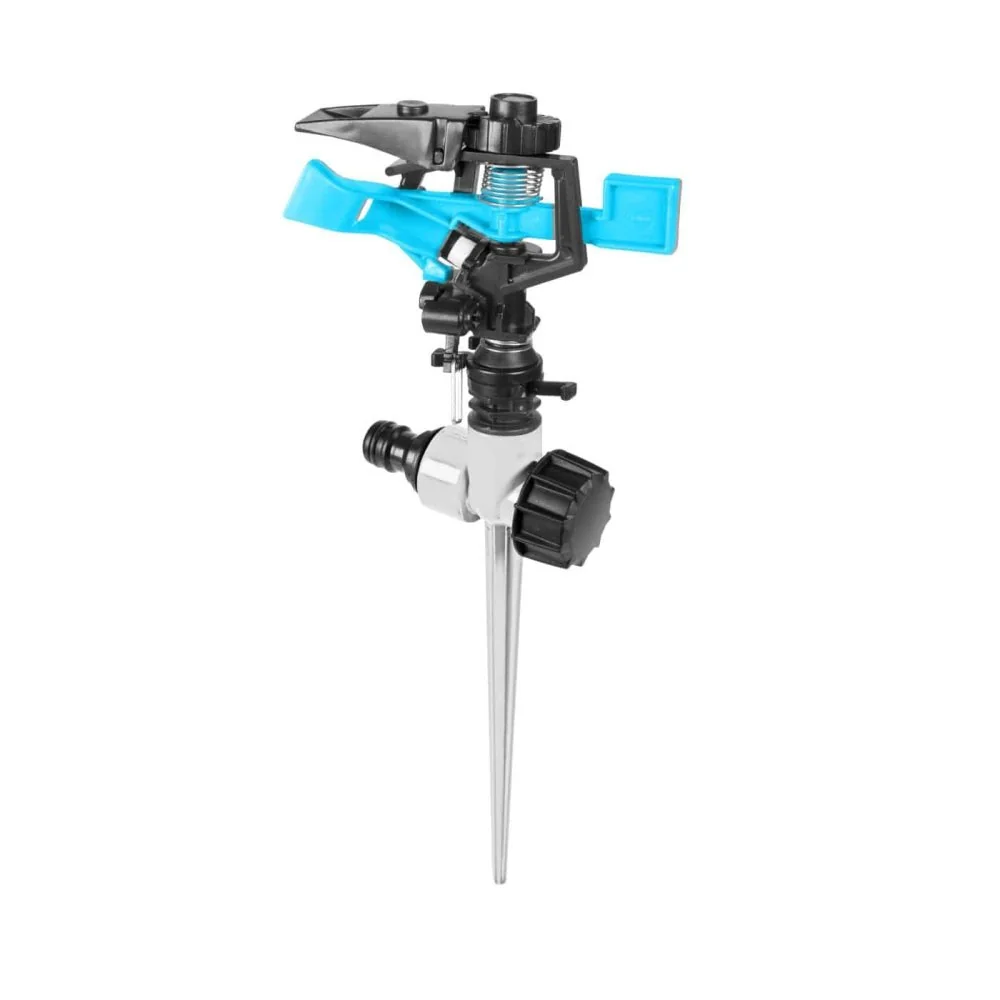
Water directly at the plant’s roots rather than over its leaves and flowers. That way, the water reaches exactly where it’s needed. For individual perennials or vegetable plants, use a watering can without a sprinkler head or a garden hose on low pressure. Lawns need a sprinkler. An adjustable impulse sprinkler such as the waters the desired area precisely without splashing paths or patios.
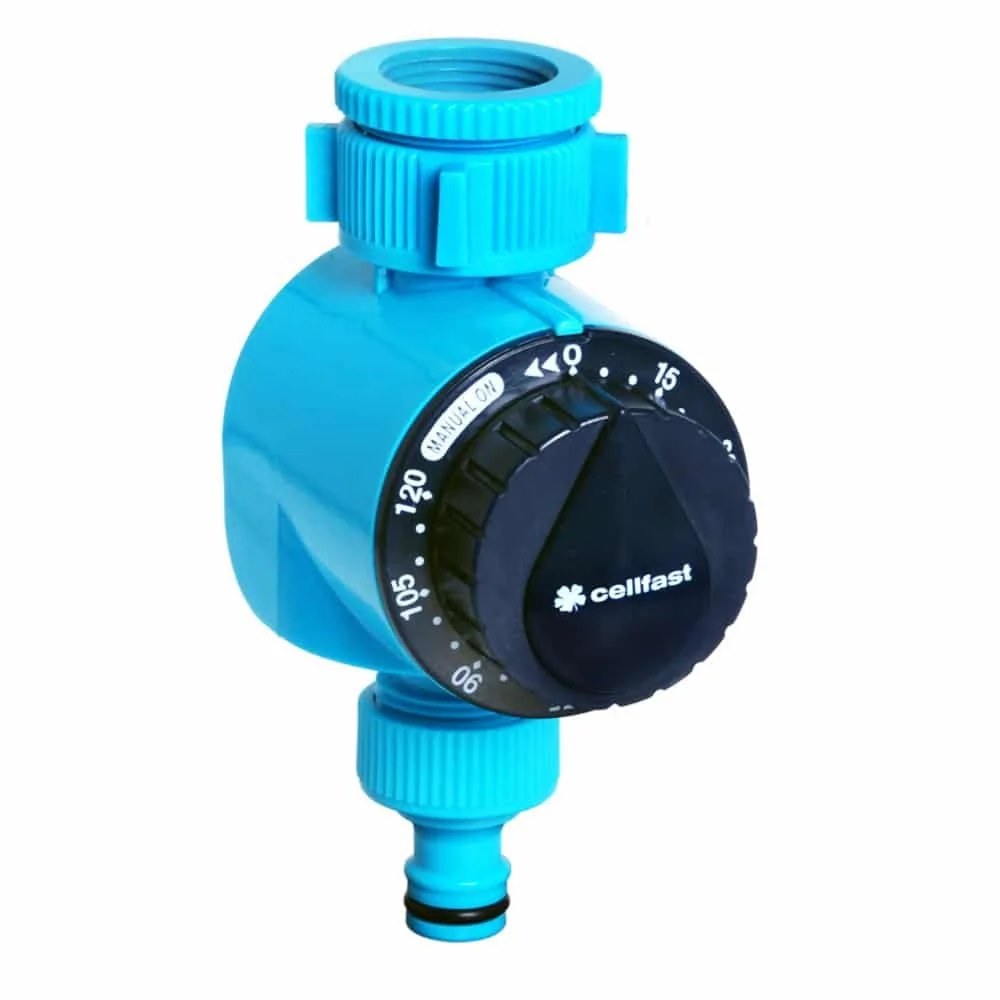
Mechanical watering timers help you use just the right amount of water. They shut off the water automatically after a preset time, so you won’t forget to turn off the faucet. Models such as the or the simply screws between the faucet and hose to help prevent water waste.

Improve soil quality
Healthy, humus-rich soil is the best water reservoir. Light, sandy soils drain quickly, while heavy clay soils tend to become waterlogged. In either case, adding mature compost, potting soil, or other organic material can help. Humus acts like a sponge: it holds moisture in sandy soils and loosens clay soils so water can soak in more easily. Healthy soil life, supported by organic material, also helps the soil retain water. The right garden and plant care supplies can help you care for your soil.
Automatic irrigation to help during drought
If you have a large garden or travel often, automatic irrigation is a worthwhile investment. Soaker hoses and micro-drip systems deliver water drop by drop directly to plant roots, minimizing water loss. This is the most efficient way to irrigate. You can save up to 70% water compared with conventional watering using a lawn sprinkler.
With an irrigation controller, you can set watering times and amounts to match your plants’ needs. Modern systems can even connect to soil sensors that start watering only when the soil is dry. This saves time and effort and ensures your plants get the care they need, even when you’re on vacation.
Additional advice
Check your irrigation system regularly. Look for leaks in hoses, clogs in nozzles, and errors in the controller settings. A small leak can waste a lot of water over several weeks without you noticing.
Choose plants that can handle dry spells
The most sustainable way to save water is to choose the right plants. Some plants handle heat and drought better than others. Choose drought-tolerant perennials, grasses, and shrubs suited to dry conditions. Once established, these plants need extra water only during severe drought.
Popular drought-tolerant plants include:
- Perennials: lavender, sage, catmint, yarrow, stonecrop (sedum), mullein, lamb’s ear
- Grasses: blue fescue, feather grass, fountain grass
- Shrubs: butterfly bush, serviceberry, bluebeard, Russian sage
Look into native wild plants. They’re often well adapted to the local climate and thrive in prevailing conditions. They also provide valuable food for insects and birds.
Choosing plants suited to their location is the key to a low-maintenance, resource-efficient garden. When you select plants that naturally thrive with little water, you create a stable ecosystem that can withstand dry summers.
A well-planned garden with water-saving techniques and the right plants can remain a green oasis even during hot summers. You’ll save valuable resources, spend less time on garden chores, and enjoy healthy, resilient plants.
Frequently Asked Questions
- How often should I water my lawn in hot weather?
- Water your lawn only once or twice a week during very hot weather, but water deeply each time. Around 15 to 20 liters per square meter is ideal for getting the water deep into the soil. This encourages strong roots that withstand dry periods better than with daily, shallow watering.
- Is it better to water in the morning or evening?
- The best time is early morning. The soil is cool, evaporation is minimal, and the plants can absorb the water before the heat of the day. Watering in the evening is an alternative, but wet leaves overnight increase the risk of fungal diseases such as powdery mildew.
- Does mulching really help save water?
- Yes, significantly. A layer of bark mulch, straw, or grass clippings reduces water evaporation from the soil by up to 70 %. It also suppresses weeds that would compete with your plants for water and improves the soil structure and soil life over the long term.
- What is the best water for my garden plants?
- Collected rainwater is the best choice. It is soft, free of limescale, and at the ideal temperature for most plants. Tap water is a good alternative, but it can be very hard in some regions. Ideally, let it sit in the watering can for a day so it can warm up.
- How can I tell when my plants need water?
- Look for wilting, limp leaves hanging down. Another test is the finger test: Insert your finger several centimeters into the soil. If it still feels damp there, you can wait before watering. If it is dry, it is time to water.
You May Also Be Interested In
- Garden Watering: Effective Systems for Your Garden
- Watering Your Garden: Tips for Saving Water
- Garden Hose Systems: How to Choose and Maintain Them for Efficient Watering
- How to Water Plants Correctly in Summer
- Garden Care in Hot Weather: How to Water and Mow Correctly
- How to Soften Hard Water: Watering Your Plants Correctly