
In brief: For a cozy outdoor setting in fall and winter, combine natural materials such as wood, pumpkins, pine cones, and moss with atmospheric lighting. Sturdy lanterns, fireproof candle holders, and LED string lights create warm pools of light. Protect delicate decorations and furniture from damp and frost with suitable tarps or protective covers.
Outdoor Fall & Winter Decor: Cozy Balcony & Garden
The days are getting shorter and the air is turning crisp. Now is the perfect time to transform your balcony or garden into an inviting fall and winter retreat. The right decorations add visual warmth and let you enjoy spending time outdoors for longer.
Here are practical ideas using natural materials, atmospheric lighting, and clever details. Weather resistance and easy care matter just as much as appearance.
How do I start decorating my patio and balcony for fall?
Start with a clean slate. Put away your summer planters or work them into your new design. Clear wilted leaves from surfaces. Now you have the perfect space for fall accents.
Pumpkins in different sizes and shades of orange are a classic choice. Pair them with Hokkaido pumpkins, ornamental gourds, and colorful chrysanthemums in terracotta pots. For decorations that last longer, use hollowed-out or artificial pumpkins.
Fill a large weatherproof bowl or wicker basket with natural materials. Pine cones, acorns, colorful leaves, moss, and sturdy branches make a lush arrangement that lasts. Tuck a few LED lights in jars among the materials for a magical evening glow.
Pro tip
Add a layer of bark mulch or gravel to your planters before arranging pumpkins and decorations. It helps prevent waterlogging and rot in fresh pumpkins and protects the bottom of the pot.
Use plants as decorative features
Choose plants that add structure and color well into winter. Grasses such as pampas grass or fountain grass look elegant with their silvery plumes. Evergreen shrubs such as boxwood or yew in containers provide a calm, green backdrop.
For pops of color, choose late-blooming perennials such as hardy Michaelmas daisies or stonecrop (Sedum). The 'Herbstfreude' variety is a particularly reliable choice. It attracts insects in late fall, and its seed heads remain attractive in winter.
Don't forget to water. Container plants need water in fall and on frost-free winter days, too. Just be sure to avoid waterlogging.
Why is lighting the key to a winter outdoor setting?
During the darker months, lighting creates atmosphere and improves safety. Avoid cold, harsh light. Choose warm white LEDs with a color temperature below 3000 Kelvin. They create a glow similar to candlelight or a fire.
Use lots of small points of light instead of a few large ones. Hang string lights in trees or along railings. Place solar-powered lanterns along paths. Set candle holders with fireproof glass on tables or steps.
Outdoor lighting should always have a three-dimensional effect. Combine light from above (string lights in a tree), light at eye level (lanterns), and light from below (ground lights or tea lights in jars). This creates depth and drama.
For all outdoor electrical lights, check the IP rating. IP44 is the minimum for damp environments. For areas exposed to direct rain or splashing water, choose IP65 or higher.
Practical helpers for decorating
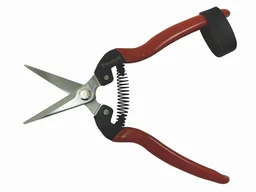
The right tools will help you bring your ideas to life. The ("Wunderschere") is a versatile all-purpose cutter. It chops branches for decorations, cuts sturdy ribbons, and opens packaging for new decorative items.
To clean your patio, balcony, and furniture before decorating, the (2-in-1 indoor and outdoor squeegee) is ideal. Its telescoping handle and various attachments help you reach high corners and quickly clear away leaves and dirt.

Important note
Never use real candles outdoors without stable, wind-protected glass and a fireproof base. Candles blown over by the wind and dry leaves create a serious fire risk. Choose LED candles with a timer instead. They're safe and maintenance-free.
How do I transition from fall to winter decor?
Build on the solid foundation of your fall decor. Remove faded or rotting elements such as soft pumpkins. Keep the structural features: the bowl with pine cones and branches, evergreen potted plants, and sturdy lanterns.
Now replace fall color accents with winter ones. Swap orange ribbons for red, silver, or white ones. Hang frost-resistant baubles or metal or plastic ornaments from the bare branches of shrubs.
Fill empty spaces with winter materials. Pine cones, red berries (e.g. from holly or firethorn; caution: often poisonous!), cut evergreen branches, or even pine cones filled with birdseed create a natural look.
Protecting furniture and delicate decorations
Garden furniture made from wood, metal, or plastic needs protection during the cold season. A precisely fitting patio furniture cover keeps snow, rain, and frost away and prevents wood from turning gray or dirt from penetrating.
For more delicate decorative items such as cushions, textiles, or electrical devices that you want to leave outdoors, durable protective tarps weighing 210 g/m² are ideal. They are flame-retardant, tear-resistant, and provide reliable protection.
The best winter decor is often invisible. A healthy, well-maintained lawn and cut-back perennial beds create a beautiful, natural scene when covered in frost or a light layer of snow. Don't forget fall lawn fertilization—it provides the foundation.
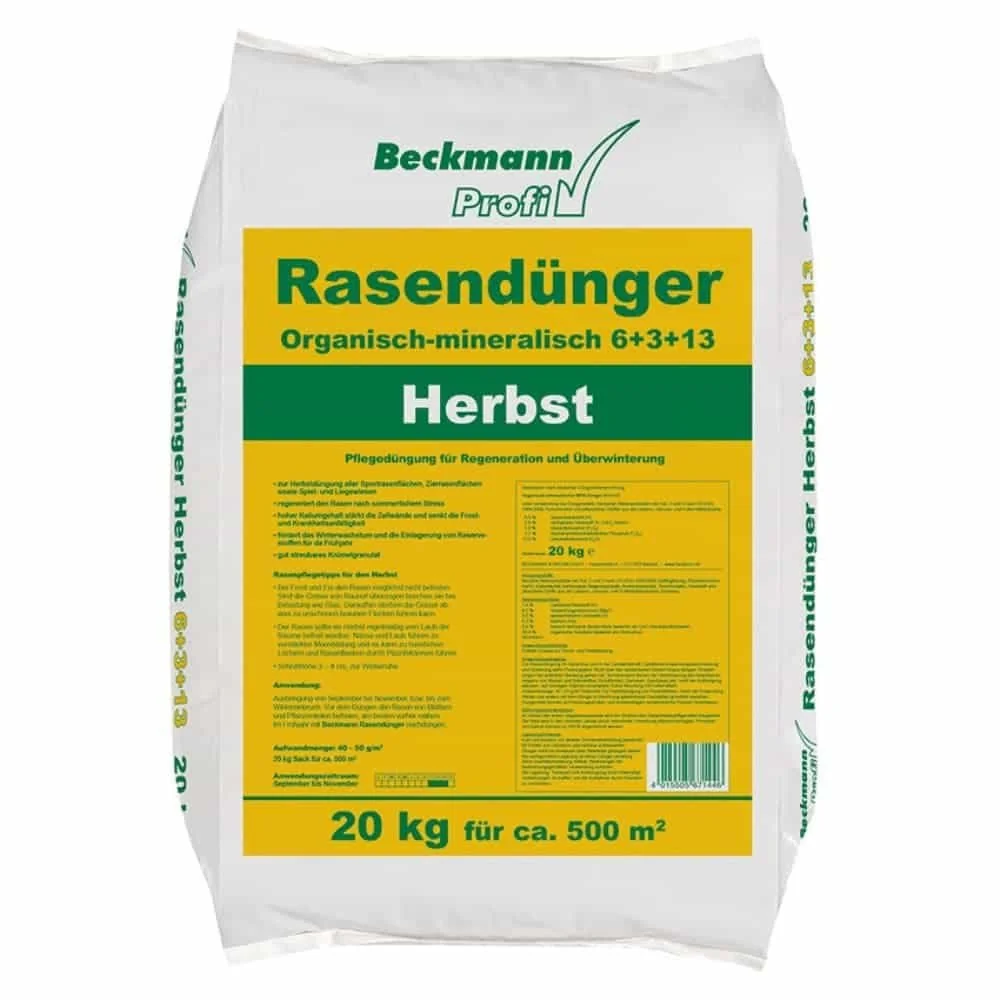
Proper nutrient supply in fall is crucial for a healthy lawn that stays green throughout winter. A special (fall lawn fertilizer) with a high potassium content strengthens grass cells against winter dehydration and disease, keeping the lawn lush and green into winter.
Additional tips
Keep spare parts for your outdoor decor close at hand. These include replacement bulbs for string lights, spare batteries for solar lights, hanging straps, and weatherproof adhesive. This lets you fix minor damage right away and keep your decorations looking attractive all year round.
Which materials can withstand frost and moisture?
Choose materials that are naturally weather-resistant or have been treated accordingly. These include:
- Metal: Cast iron, Corten steel (which develops a decorative rust finish), galvanized steel, or aluminum. Make sure the powder coating is high quality.
- Stone & Terracotta: Frost-resistant stone pots, granite, or concrete. Unglazed terracotta can crack in severe frost; glazed versions are safer.
- Wood: Hardwoods such as oak, black locust, or larch, pressure-treated pine, or thermally modified wood. Oil the wood before winter.
- Plastic: High-quality, UV-resistant plastic (e.g. polyrattan) or durable polyethylene.
Avoid materials such as untreated softwood, cardboard, paper, non-impregnated fabrics, or thin painted sheet metal. They fade, warp, or rust over time.
Caring for and maintaining winter decor
Check your decorations regularly. Remove snow and ice from string lights and solar lights. Move lightweight items such as hanging moss balls to a safe place temporarily during storms.
Clear leaves and dirt from transparent protective covers or tarps so moisture doesn't collect underneath. For rough cleaning of your patio or garden paths, use practical garden tools such as brooms and shovels.
When spring approaches, clean all decorative items thoroughly. Dry them completely before storing them in sturdy boxes in the garden shed. This way, you'll be perfectly prepared for next fall.
With these ideas and practical tips, you can transform your outdoor space into an inviting place in every season. The combination of natural beauty, functional lighting, and smart protection makes all the difference.
Frequently asked questions
- Which outdoor decorations can withstand rain and snow?
- Use weather-resistant materials such as zinc, cast iron, treated wood, stoneware, or specialty plastic. Natural elements such as pine cones, branches, and bark mulch are also durable. Protect more delicate items such as cushions or textiles with a patio furniture cover when heavy precipitation is expected.
- How can I create cozy winter lighting in my garden?
- Use several small light sources instead of a single bright floodlight. Solar- or battery-powered LED lanterns, string lights hung in trees (IP44 or higher), and fireproof glass lanterns create a warm atmosphere. Make sure solar lights have frost-resistant batteries.
- Can I leave fall pumpkins outdoors as winter decor?
- Fresh pumpkins quickly rot in frost and moisture. For winter decor, hollowed-out and dried pumpkins, plastic replicas, or durable alternatives such as stoneware pots, wooden bowls, or wicker baskets filled with moss and branches are better choices.
- Which plants are suitable for outdoor decor in winter?
- Winter plants that provide structure are ideal. These include evergreen shrubs such as yew or boxwood, ornamental grasses that retain their winter structure, heather (Calluna), and Christmas roses. Pots with hardy perennials such as bergenia or sedum add color.
- How should I put away my winter decor in spring?
- Clean all decorative items thoroughly to remove dirt and moisture. Dry them completely before storing them. Remove batteries from illuminated items. Store the decorations in sturdy boxes in a dry, frost-free place, such as a garden shed.
You may also be interested in
- Festive Christmas decor for your garden and outdoor space
- Cozy fall decor: Creative DIY ideas for your home and garden
- Fall decor with heather
- Spring decor for your home and garden: How to create impressive DIY projects
- Balcony Christmas decor: Festive ideas for your home
- A staycation on your balcony: Create your outdoor oasis