
In brief: Dark storage works for plants that need a true dormant period and stop growing in fall. These include container plants such as angel's trumpet, fuchsia, and geraniums. Move them to a cool, dark space such as a basement, garage, or shed before the first frost. Keep the temperature consistently between 5 and 10°C. Water only occasionally to keep the roots from drying out. There’s no need to fertilize.
How to overwinter plants: understanding dark storage
Many garden plants are not hardy and cannot survive a freeze outdoors. The solution is a protected place to spend the winter. However, not every plant needs light. For some, darkness is the key to successful overwintering.
Dark storage means a cool, frost-free space without daylight. Common options include basements, garages, garden sheds, and other dark outbuildings. This method mimics the plants' natural dormant period in their native habitat.
You save energy and space. Overwintering plants in a bright spot often takes more effort. Choosing the right winter location can determine whether your plants survive.
Which plants belong in dark winter storage?
Not every plant can tolerate a dark place in winter. The best candidates are species that lose their leaves or die back completely above ground.
Classic choices for basements and garages
Angel's trumpets are among the best-known plants for this method. They lose their leaves in fall. Fuchsias also go dormant. Geraniums, technically pelargoniums, are another classic choice.
Ornamental bananas shed their large leaves, leaving only the rootstock to survive. Lantanas and hibiscus can also overwinter in the dark. The key is that growth has stopped completely.
Important note
Evergreen container plants such as oleander, olive trees, and bay laurel should not be stored in the dark. They need bright light in winter to keep their leaves. A dark room would weaken them and cause leaf loss. A cool but bright sunroom or hallway is ideal.
Recognizing signs of dormancy
Watch your plants in late summer. They will show you when they are ready to go dormant. Growth stops. The leaves turn yellow and fall off. No new shoots appear.
That’s the right time to move them to their winter location. Don’t wait for the first frost. Bring the plants indoors when nighttime temperatures are around 5°C. Find what you need for fall garden care in our garden tools category.
How to prepare plants for dark storage
Moving plants to their winter location takes some preparation. Work through these steps to help prevent pests and rot.
Pruning and checking plant health
Prune the plants before bringing them indoors. Remove all wilted leaves and dead shoots. Cut long branches back by about one-third. This reduces the surface area where fungal diseases can take hold.
Check each plant carefully for pests. Look for aphids, mealybugs, or spider mites. Treat any infestation while the plant is still outdoors. Pests can spread quickly in an enclosed space. Find helpful products in our plant protection section.
The most common mistake is overwatering plants in winter. The roots are cold and wet but can’t absorb much water. That inevitably leads to rot. In this case, less is definitely more.
Checking pots and choosing a location
Remove old leaves and soil from the pots. Set them on wooden slats or foam boards to insulate them from the cold floor. Leave enough space between the pots.
Air needs to circulate. Choose the darkest area of the room. Avoid spots next to heating pipes or appliances that give off heat. The goal is to maintain a consistently cool temperature.
Expert tip
Label your pots with the plant name and the date you moved them indoors. After months in the dark, you may not recognize the plants. A waterproof marker and a wooden plant label work well. Note any specific care instructions, too. This makes winter checks easier.
Ideal conditions for winter storage
Temperature, light, and humidity all matter. Create a stable environment. Fluctuations stress plants.
Finding the right temperature
Five to ten degrees Celsius is ideal. Check the temperature regularly with a simple thermometer. Temperatures below zero are too cold, and a garage can freeze, too.
Temperatures above twelve degrees can wake plants too early. They may then produce long, pale, leggy shoots that are susceptible to disease. Consistently cool temperatures help keep the plants dormant.
Darkness does not mean total darkness
Complete darkness isn’t necessary. A little subdued light from the hallway won’t hurt. However, avoid direct daylight, which could disrupt the plants' natural rhythm.
You can cover basement windows with an opaque cover sheet. Make sure condensation doesn’t collect on it. Moisture on the plants encourages mold.
Many people forget about humidity. The air in heated basements is often too dry, which causes root balls to dry out faster. A bucket of water in the room or a damp cloth on the radiator can help.
Caring for plants during dark overwintering
The plants are dormant, but they’re not dead. They still need minimal care, so check on them regularly.
Watering during winter dormancy
Water sparingly. The root ball should stay slightly moist, never wet. Push your finger about two centimeters into the soil. If it feels dry, add a little water.
For most plants, a small amount of water every four to six weeks is enough. Use room-temperature water. Ice-cold tap water can shock the roots. Pour the water directly onto the soil, not over the plant.
Checking for pests and rot
Check your winter storage area once a month. Look for wilted leaves on the floor and remove them right away. They can become a breeding ground for fungi.
Pick up a few pots. Do they feel unusually light? The plant may need some water after all. Does anything smell musty? That may indicate root rot. If so, move the plant to a drier spot right away.
Additional advice
Use the winter months to maintain and clean your garden tools. Sharpen shears, oil wooden handles, and check watering cans. Find everything you need in our garden equipment selection. You’ll be ready for the new season.
Products to Make Overwintering Easier
The right equipment makes plant care easier, from storage to protection.
For valuable container plants or sensitive specimens, sturdy, insulated storage can be a smart choice. A
offers more than storage space: its solid wood construction also helps create a cool, stable microclimate. It is suitable for dark, frost-free rooms.
Before storing pots and tools, use a gentle but effective cleaner.
is pH-neutral and removes dirt and algae without harsh chemicals, helping prevent fungal growth.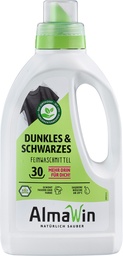
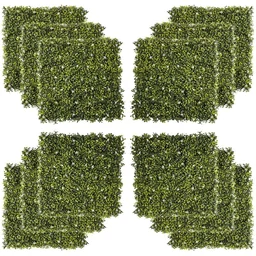
Sturdy privacy screens are useful for large, stationary outdoor containers or for covering storage areas. The
Bringing Plants Out of Winter Storage and Back into the Light
By the end of March, the days are getting longer and it is time to bring your plants out of the dark. Take it slowly: a sudden change can stress them.
Choosing the Right Time
Wait until the risk of hard freezes has passed. In the US, your local average last frost date is a useful guide. Start preparing earlier, though. From the end of March, place the plants outdoors for just a few hours at a time in a shady, sheltered spot.
Over two weeks, gradually increase the time they spend outdoors. This process is called hardening off. It helps prevent sunburn on sensitive new shoots, whose tender leaves are not used to bright light.
Repotting and Fertilizing at the Start of the Season
After winter storage, it is a good time to repot. Check the root ball. If it is completely root-bound, move the plant into a slightly larger pot with fresh potting soil.
Start fertilizing only once the plant is producing vigorous new leaves. Use a balanced liquid fertilizer, beginning with half the recommended concentration. This will help you overwinter your plants successfully and keep them healthy for the next gardening season.
Frequently Asked Questions
- Which plants can I overwinter in the dark?
- Dark storage works for tender container plants that go through a pronounced dormant period. Common examples include angel's trumpet, fuchsia, geraniums (pelargoniums), hibiscus, ornamental bananas, and lantana. These plants often shed their leaves or die back completely. Evergreen plants such as oleander and olive trees need a bright spot for winter instead.
- How often should I water plants in a dark winter storage area?
- Water sparingly while plants are in dark winter storage. The root ball should be just slightly moist, never wet. Check it every four to six weeks. For most plants, a little water once a month is enough. Since plants lose very little water in these conditions, soggy soil can quickly cause root rot. In most cases, letting the soil get a little dry is less harmful than overwatering.
- What temperature is ideal for overwintering plants in the dark?
- The ideal temperature is between 5 and 10 degrees Celsius. Cool conditions signal dormancy and help prevent premature growth. Temperatures below 0°C can damage most container plants, even in the dark. Above 12°C, plants may start growing too soon. Keeping the temperature consistently cool matters more than hitting an exact number. Check it with a simple thermometer.
- Can I fertilize plants while they are overwintering in the dark?
- No. Stop fertilizing during dark winter storage. Dormant plants do not absorb nutrients, so unused fertilizer can build up in the potting mix and damage the roots. Start fertilizing again only after moving the plants into the light in spring and seeing fresh growth. Then use a specialty plant fertilizer.
- When should I bring plants out of dark winter storage?
- Bring plants out of dark storage from the end of March to mid-April, once severe frosts are no longer expected. For the first few days, place them in a shady, sheltered spot so they can harden off. Trim any dead shoots first, then gradually acclimate them to more sunlight. Bringing them out too early can expose them to late frosts or sunburn.
You may also be interested in
- How to overwinter container plants and protect them from frost
- Houseplants for low-light rooms: Which plants thrive in low light?
- How to make plants more cold-hardy: Winter care tips
- How to care for houseplants: Tips for healthy greenery
- How to overwinter tomato plants and save them for next year
- Winter-flowering plants: Add color to the garden while other plants are dormant