
In brief: Choosing the right painting tools and accessories determines the result and efficiency of your work. You generally need brushes and rollers for applying paint, protective materials, tools for preparation and suitable paint containers. Tool quality directly affects coverage, surface texture and the durability of the finish. The right tool accessories make the job much easier.
Painting Tools & Accessories: How to Choose the Right Ones
A great paint job starts not with the paint, but with the tools. The wrong roller can blur the texture, while a poor-quality brush leaves bristles in fresh paint. Choosing the right tools saves time, frustration and material.
We guide you through the world of brushes, rollers and accessories. You will learn which tool is right for which surface and how the right preparation helps you achieve a professional result.
The Essentials: What You Really Need
You are standing in front of a shelf with dozens of brush types. The decision is simpler than it seems. Focus on these four key areas: application, preparation, protection and cleaning.
Brushes: The Classic for Precision
A good brush is characterised by dense, flexible bristles and a comfortable handle. The bristle material determines what the brush is suitable for.
- Natural bristles (e.g. hog bristle): Ideal for solvent-based paints and oil paints. The bristles absorb the paint well.
- Synthetic bristles (nylon/polyester): The all-rounders for water-based paints such as emulsion paint. They retain their shape and are easy to clean.
- Mixed bristles: Combine the positive properties of both types and are suitable for general applications.
Pro tip
Buy brushes in at least two sizes: a narrow one (20-40 mm) for corners and edges, and a wide one (100-150 mm) for large, flat areas. This allows you to work efficiently and precisely.
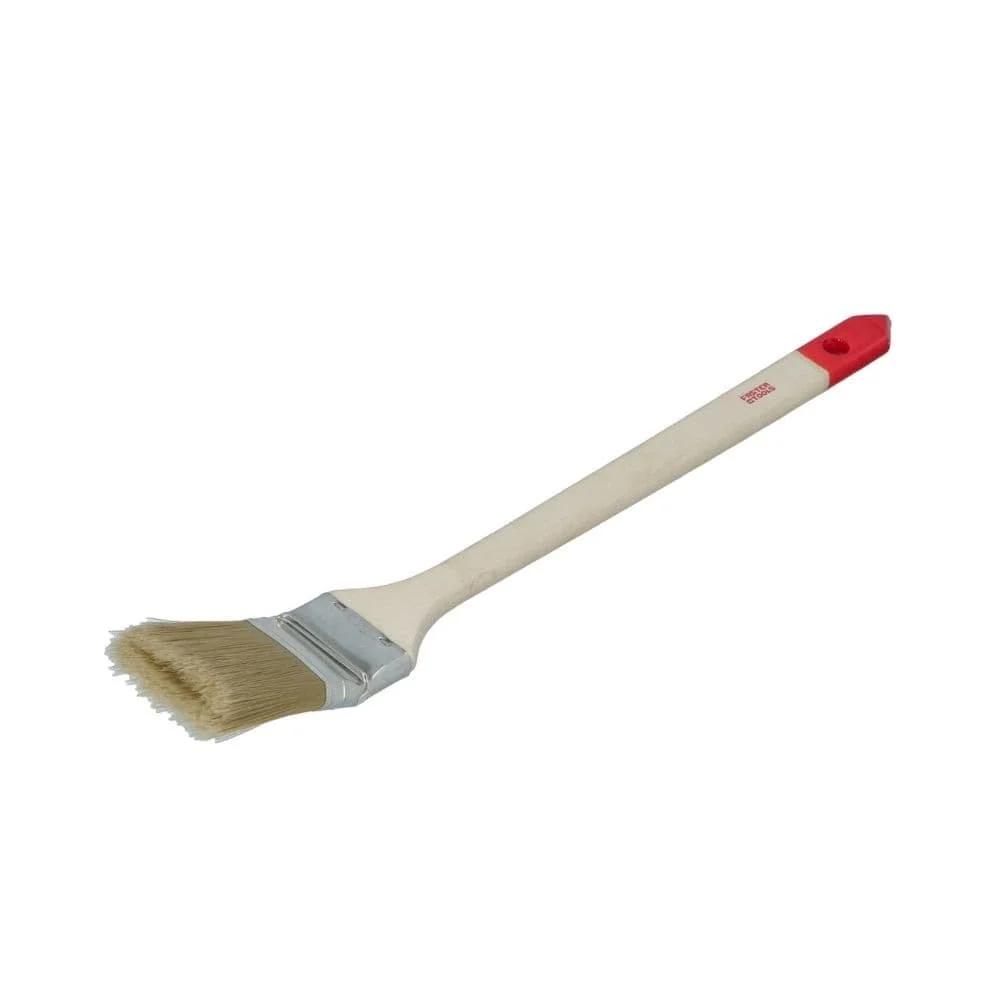
For hard-to-reach areas such as radiator fins, special radiator brushes with a long, narrow head and often an angled handle are essential. Our range offers suitable solutions such as the
or the .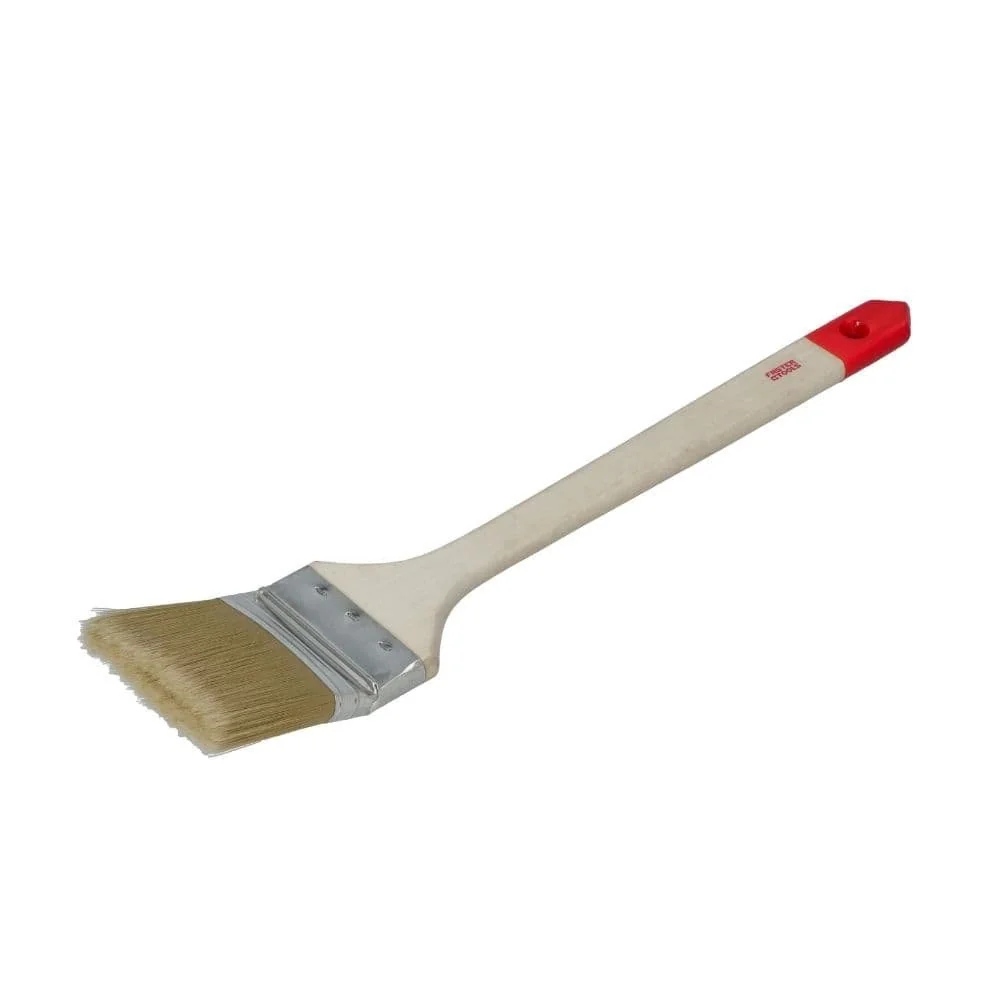
Rollers: Efficient Coverage for Large Areas
For walls and ceilings, a roller is the tool of choice. The nap – the fibre material of the roller cover – determines the result.
- Short nap (6-12 mm): For very smooth surfaces and thin paints. Creates a fine, even finish.
- Medium nap (12-18 mm): The standard choice for normal wall and ceiling painting with emulsion paint.
- Long nap (from 18 mm): For textured plaster or rough surfaces. The long nap holds more paint and reaches into recessed areas.
Choosing the right roller is almost as important as choosing the paint itself. A nap that is too short on rough plaster leaves unpainted spots, while a nap that is too long on smooth non-woven wallpaper creates an uneven pattern.
Preparation Is Everything: The Right Accessories
Applying the paint is only the final step. Most of the work and the greatest influence on durability come from preparation.
Protective Materials: Keep Everything Clean
Cover everything that should not be painted. Use high-quality painter's tape for edges, durable protective sheets for floors and furniture, and special protective fleece that will not slip. Remember your clothing, too.
Important note
Remove the painter's tape immediately after applying the final coat, while the paint is still wet. Dry paint can tear away with the tape and leave ragged edges.
Tools for Surface Preparation
Before painting, the surface must be clean, dry, firm and sound. You will need:
- Filling knife: For repairing holes and cracks.
- Abrasives: Sponges or sandpaper in different grits for smoothing and keying the surface.
- Primer: Do not forget it! It improves adhesion and reduces paint consumption.
You can find the right hand tools for many preparation and assembly tasks in our shop.
Special Cases: Tools for Particular Surfaces
Not every surface is a smooth wall. Radiators, windows and doors require specially adapted tools.
Painting Radiators: Reaching the Tight Spots
Here, the radiator brush mentioned above, such as the
is the key to success. Its narrow shape and long bristles reach every fin. Combine it with a small, easy-to-handle paint pot.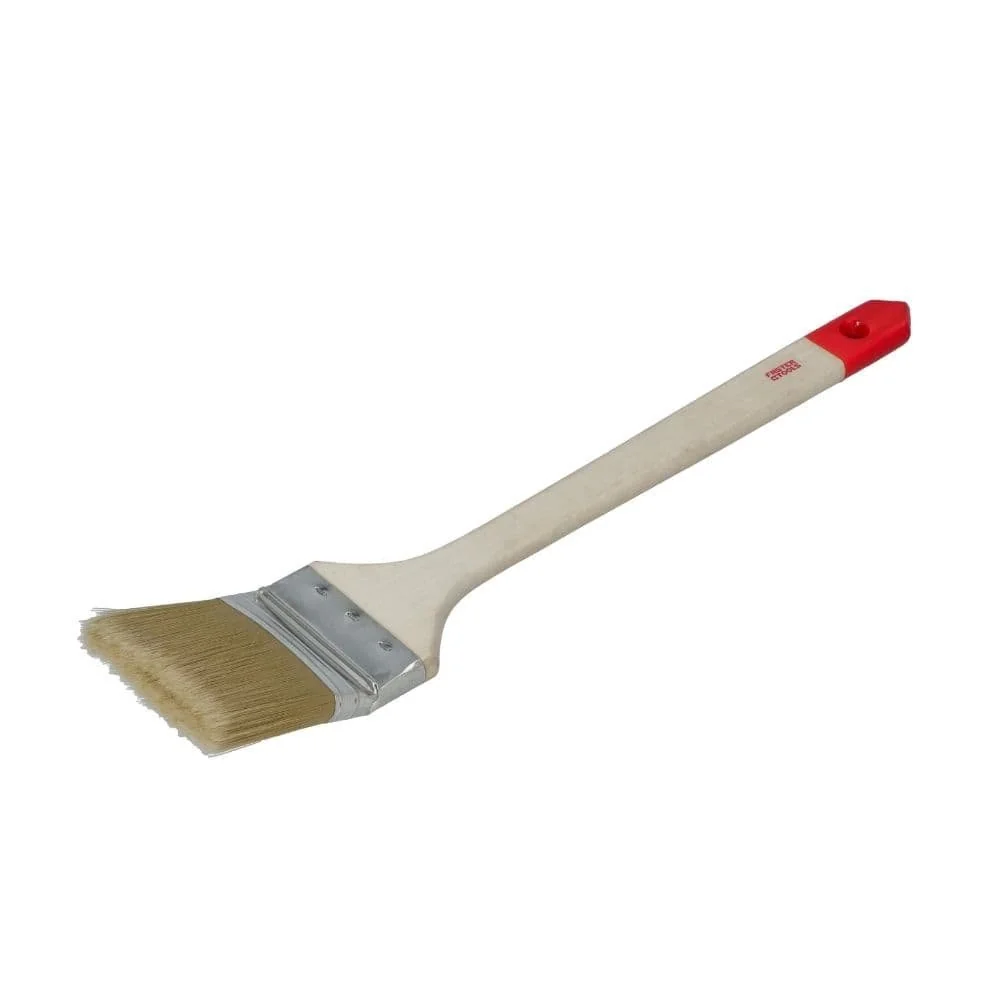
Always start from the inside and work outwards. First paint the hard-to-reach areas between the fins, then the outer surfaces. Use heat-resistant paint to prevent premature yellowing or flaking.
When painting radiators, patience is your best tool. Work in thin coats and let each layer dry completely before applying the next. This helps you avoid drips and unsightly runs.
Wooden Windows and Doors
For smooth wooden surfaces, high-quality, medium-sized synthetic flat brushes (50-75 mm) are suitable. To protect the glass panes, use special window coverings or painter's edge guards. First, thoroughly remove any old, flaking paint with a filling knife and sand the surface.
Additional advice
When painting window sashes, paint the horizontal members first, followed by the vertical members. On doors, work from top to bottom. This allows you to smooth out any drips while the surface is still wet.
Care and Storage: Make Your Tools Last Longer
Good painting tools are an investment. With the right care, they will see you through many projects.
Clean Tools Straight After Use
Rinse tools used for wall paint immediately under warm running water until the water runs clear. Use a brush for dried-on residue. For varnishes and oil-based paints, follow the instructions on the solvent.
Do not wring out paintbrush bristles or rollers. Carefully reshape them and leave them to air-dry, preferably hanging up.
Storage for Your Next Project
Store completely dry paintbrushes and rollers in their original packaging or wrapped in paper. This protects the bristles from becoming misshapen. Store your tools in a dry, dust-free place.
Practical storage systems are ideal for keeping accessories such as wall plugs, screws and small parts organised. Browse our workshop accessories category.
Buying Guide: What to Look for When Shopping
Not every expensive paintbrush is the best choice for your project. Use these criteria to guide your decision.
Quality Features of Paintbrushes
A high-quality paintbrush has a firm, comfortable handle and a solid metal ferrule (the part that holds the bristles). The bristles are densely packed and retain their shape even under pressure. When washed for the first time, high-quality brushes lose only a few individual bristles.
Quality Features of Rollers
The roller core should be sturdy and straight. The cover should fit securely and not spin on the core. Look for an even, fluffy pile without bare patches. The holder for the handle must fit securely.
For working with pneumatic tools or spray guns, you will find suitable pneumatic tool accessories in our range.
Conclusion: Investing in Quality Pays Off
Choosing the right painting tools and accessories is not a luxury but an essential requirement for a satisfying result. Good tools apply paint precisely where it needs to go, save material and make the work easier.
Start with a solid basic set including various paintbrushes, a suitable roller and the necessary protective materials. Add to your collection depending on the project – for example, with a specialist radiator brush like ours .
With this knowledge and the right tools from our shop, nothing stands in the way of your next renovation project. Good luck with your painting!
Frequently Asked Questions
- What size paintbrush do I need for each surface?
- Use 20-40 mm wide paintbrushes for narrow edges, corners and window frames. Standard walls and ceilings can be painted most efficiently with 100-150 mm wide flat brushes or suitable paint rollers. Large, smooth surfaces are best tackled with rollers with a long pile (18-22 mm). A fine 10-20 mm brush is ideal for precise work on radiators.
- Can I use one paintbrush for wall paint and varnish?
- No, this is not recommended. Paintbrushes for water-based wall paints often have natural bristles, which expand in water. Brushes for solvent-based varnishes require synthetic bristles (e.g. nylon) that can withstand the chemicals. Always use tools suited to the material to guarantee the best results and a long service life.
- How do I clean painting tools properly after use?
- Rinse tools used for wall paint thoroughly with warm water immediately after use. For varnishes and emulsion paints, use the solvent recommended by the manufacturer. Do not twist rollers and paintbrushes back into their original shape while drying; instead, leave them hanging loosely to protect the bristles.
- Do I need special tools for painting radiators?
- Yes. A narrow, long radiator paintbrush is essential for reaching between the fins. PRODUCT_21047 or PRODUCT_21077 are designed for this purpose. You will also need a small, sturdy paint tray that fits into tight spaces and heat-resistant protective sheeting.
- When is it worth investing in high-quality tools?
- Quality pays off with regular use or large projects. High-quality brushes do not shed bristles, distribute paint more evenly and last for years. Inexpensive disposable rollers may be sufficient for one-off, small jobs. However, a good roller is essential for achieving a flawless finish on large surfaces.
You may also be interested in
- How to Use a Paint Roller Properly: Top Tips for DIYers
- Painting Walls: Brush or Roller – Which Is Better?
- How to Paint Walls Like a Pro: Tips for Perfect Results
- Car Painting: Essential Tools and Tips
- Choosing the Right Filling Knife: Tips and Tricks
- Wall Paint: The Complete Guide to Choosing and Applying It