
In brief: Gold accents on walls instantly add luxury and depth to a room. You can use special metallic paints or metal leaf. The key to success is perfectly preparing the wall surface and applying the accents precisely, whether as a fine line, geometric pattern or subtle shimmer. Primer is essential.
Painting walls with metallic paint: adding gold accents
Gold on the wall is about more than shine. It brings warmth, texture and understated elegance to a room. Unlike painting an entire wall, gold accents act like a carefully placed piece of jewellery for your home. They draw the eye, create focal points and add character even to simple rooms.
But how do you create accents like these? The key lies in choosing the right materials, preparing the surface perfectly and applying the paint precisely. This article takes you through the world of decorative wall design with gold.
Why are gold accents ideal for wall design?
Gold reflects light in a unique way. It never feels cold; instead, it creates a welcoming atmosphere. A gold accent can highlight architectural features such as alcoves, ceiling mouldings or door frames.
It can also serve as a graphic element and bring modern geometry into a room. The great advantage is that you do not need to paint the entire wall. A narrow stripe, subtle pattern or single accent is often enough to achieve the desired effect.
The psychological effect of gold in a room
We associate gold with quality, permanence and success. In interior design, it conveys a sense of comfort and luxury at the same time. It is a colour that is not loud, yet still makes its presence felt.
It is therefore ideal for living spaces where you relax or entertain guests. In the bedroom, a gold accent on the feature wall behind the bed can create a feeling of calm and warmth.
How do you prepare a wall for metallic paint?
Preparation is even more important with metallic paint than with standard paint. Every uneven area and speck of dust becomes more visible beneath reflective gold paint. Start with a thorough inspection of the wall.
Important note
Metallic paints are unforgiving of imperfections in the surface. You must remove old wallpaper residue, cracks and uneven filler areas beforehand. A perfect surface is half the battle when it comes to a professional result.
Clean the wall thoroughly to remove grease, dust and nicotine residue. Use a grease-cutting cleaner on heavily soiled surfaces. Fill all holes and cracks with a suitable filler. Once dry, sand the entire surface smooth with a fine sanding disc.
Vacuuming and a final wipe with a damp cloth will remove any remaining sanding dust. The wall is now ready for primer.
Choosing the right primer
A bonding primer is essential. It seals absorbent surfaces such as plaster or plasterboard and ensures that the topcoat and metallic paint are absorbed evenly. Without primer, expensive metallic paint can look patchy or lose adhesion.
Apply the primer evenly with a roller or brush and allow it to dry according to the manufacturer's instructions. A second light sanding after priming is often necessary to remove any raised fibres.
What materials and tools do you need?
In addition to the background wall paint and gold metallic paint, you need the right tools. Paint brushes in different widths are essential for narrow lines or precise edges. Choose high-quality natural-hair brushes that pick up paint well and release it cleanly.
A small short-pile paint roller is suitable for larger areas. A dust sheet or painter's fleece is essential for protecting floors and furniture. Our
, measuring 1x10m, provides optimum protection for your painting projects.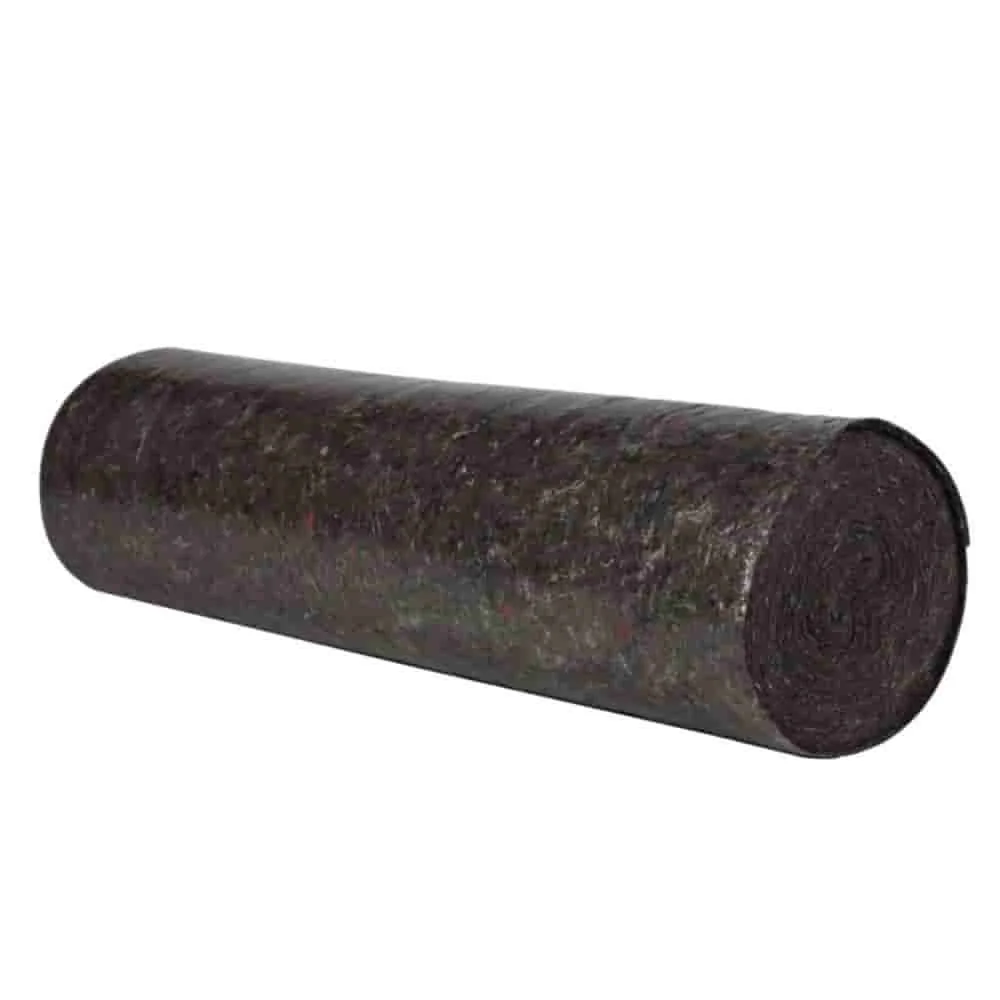
The difference between a good paint job and a great one often comes down to the detail tools. Invest in a really good, narrow brush for the edges.
For geometric patterns, you will also need a tape measure, spirit level, pencil and high-quality masking tape. Cheap masking tape can allow paint to bleed underneath or damage the fresh paint when removed. Specialist masking tape for painting provides sharper edges.
Pro tip
Always test the gold paint and masking tape on a sample piece or inconspicuous area first. This lets you see how the paint looks on your surface and whether the tape can be removed cleanly without tearing or lifting paint.
How do you create gold accents as lines or stripes?
Horizontal or vertical lines are the classic place to start. They structure the room and can make ceilings appear higher or walls look longer. Mark the desired line in advance using a tape measure and pencil.
Then apply the masking tape precisely along the mark. Make sure the edge where the gold will go is firmly pressed against the wall. Cover the other side of the tape with our
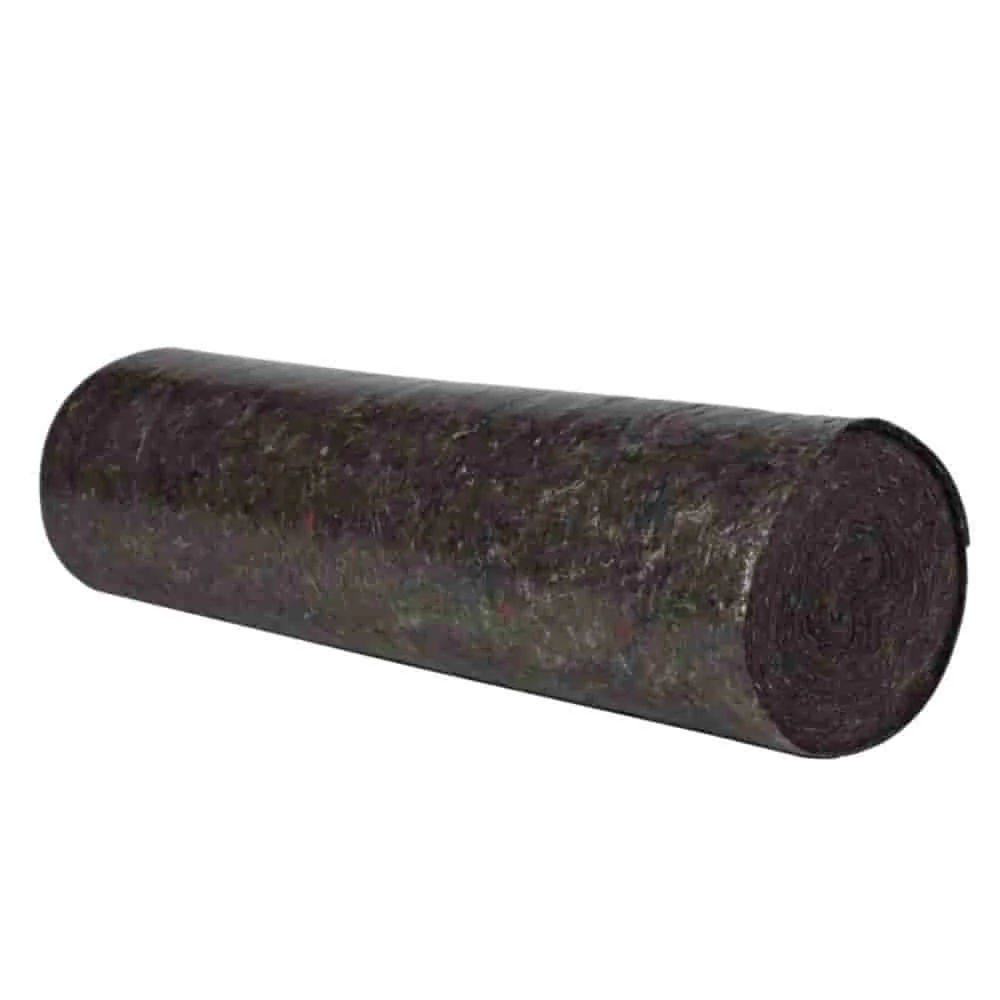
Carefully apply the gold paint with a brush. Work away from the tape edge to minimise paint bleeding underneath. Remove the tape while the paint is still wet. This prevents the paint from tearing away with the tape.
Geometric patterns and stencilling
For more complex patterns such as triangles, hexagons or wavy lines, stencils are the better choice. You can buy ready-made stencils or cut your own from painting card. Secure the stencil with specialist stencil spray or adhesive tape.
Apply the paint with a stippling brush or specialist stencil roller. Dab the paint on with an almost dry brush instead of brushing it across the surface. This prevents paint from running beneath the stencil edge and creating untidy borders.
How do you combine gold with other wall colours?
The choice of background colour determines the impact of the gold accent. Deep, saturated colours such as navy blue, emerald green or matte black create a dramatic contrast. The gold acts like a point of light in the depths.
For a lighter, contemporary look, combine gold with warm greys, cream white or delicate pastel shades such as pink or mint. Here, it is not the contrast that dominates, but the subtle shimmer.
Gold is not a soloist; it needs a strong partner. The wall colour can be bold—it gives the gold the framework it needs to shine without overwhelming the room.
Avoid combining it with other cool metallic effects such as chrome or steel. This can quickly create a busy, directionless look. Gold works better with warm materials such as wood, velvet or leather.
Which mistakes should you avoid at all costs?
The most common mistake is impatience. Every layer, whether primer, background colour or effect paint, must dry completely before you begin the next step. Damp paint beneath painter's tape can cause the paint to peel away.
Another typical mistake is using the wrong painter's tape. Use only high-quality tape for sharp edges that is suitable for painting work. Cheap alternatives often tear or allow paint to seep through.
Additional advice
Plan your work so that you can complete an accent stripe in one go. Stopping halfway along a line often leads to visible transitions or colour differences because the paint applied to the brush begins to dry.
Also avoid applying the effect paint too thickly. Thick layers dry more slowly, can crack and lose their beautiful, delicate metallic shimmer. Two thin, carefully applied coats are better than one thick coat.
How do you care for a wall with gold accents?
Once fully cured, effect paints with metallic pigments are durable and can be wiped carefully. Use only a soft, slightly damp cloth without aggressive cleaning products.
Abrasive cleaning products or sponges will damage the fine surface and its shine. Dust the area regularly with a feather duster to remove abrasive particles that could cause scratches when wiping.
Direct, prolonged exposure to sunlight can eventually cause a slight change in tone in some effect paints. With high-quality products, however, this is minimal. A clear varnish coating is usually not necessary and can even alter the desired effect.
Inspiration for different rooms
In the living room, a gold accent above the sofa or framing a picture creates a striking highlight. In the hallway, narrow vertical gold stripes can make the room appear taller. In the bedroom, a gold-coloured main pattern on the headboard wall creates a luxurious feel.
For more inspiration for wall design, or specifically for children's bedroom wall decor, you will find plenty of ideas in our categories. Wall art can also enhance the desired effect with gold frames or elements.
Conclusion: Your path to the perfect gold accent wall
Gold accents on the wall are an effective yet achievable way to transform a room. Success depends on careful planning, patient preparation of the surface and precise application.
Start with a small project, perhaps a single line or pattern in an alcove. Use high-quality materials such as our protective and trust the techniques used by professionals. With every step, you will gain confidence.
In the end, you will be rewarded with a unique, luxurious wall that gives your room a truly personal touch. Dare to experiment with effect paints and see gold not just as a colour, but as a design element.
Frequently asked questions
- Which gold paint is best for walls?
- Specialist water-based effect paints with fine metallic pigments are suitable for walls. They are breathable, low-odour and dry to form a durable film. Deep gold shades create an opulent look, while lighter champagne tones offer a subtle shimmer. Always test the paint on a sample board under changing light conditions.
- How do I prepare the wall for gold accents?
- The wall must be clean, dry, grease-free and completely smooth. Fill any imperfections and sand the surface evenly. Apply a bonding primer, especially on absorbent surfaces such as plaster. A painter's fleece reliably protects floors and furniture from paint splashes.
- Can I apply gold accents using stencils?
- Yes, stencils are the most precise method for complex patterns. Secure the stencil with specialist stencil spray. Apply the effect paint with an almost dry stippling brush or a specialist stencil brush. Work in thin layers to prevent the paint from bleeding underneath the stencil.
- How do I combine gold accents with other wall colours?
- Gold works well with deep, rich colours such as navy blue, burgundy or matte black for a luxurious contrast. For a lighter, modern look, combine it with warm greys, cream or delicate pink. The gold tone should always complement rather than compete with the room's dominant colour.
- How much does a wall with gold accents cost?
- The cost depends on the area and the technique used. Effect paints are more expensive than standard paints. You will also need to factor in the cost of primer, tools and protective materials such as painter's fleece. For a medium-sized accent stripe, plan for material costs of around 50-150 Euro, depending on product quality.
You might also be interested in
- Paint walls like a professional: tips for perfect results
- Wall effects: create a modern stone look for your walls
- Creative wall design: enhance your rooms with decorative elements
- Wall paint: the complete guide to choosing and applying it
- Painting over coloured walls: the complete guide
- Creative painting ideas: new colours for your home