
In brief: Pansies grow best in a bright to partially shaded spot with humus-rich, well-drained soil. Plant them in spring or fall, water regularly and remove spent blooms. Large-flowered garden pansies, compact violas and hardy mixes are suitable for beds, pots and balconies.
Pansies are among the most versatile spring flowers. Their colorful blooms brighten flower beds, window boxes and small containers while other garden flowers are still waiting for warmer days. With the right location and consistent flower care, these plants stay attractive for many weeks.
These biennial plants tolerate cool temperatures and light frost. This makes them suitable for the first planting of spring and for colorful displays in fall. In the garden and outdoor range, you will find suitable additions for beds, pots and balconies.
Which location is best for pansies?
Pansies grow in a bright to partially shaded spot. In spring, they tolerate full sun well as long as the soil does not dry out. In summer, some shade protects them from heat stress and extends flowering.
How much light do pansies need?
A location with four to six hours of light per day usually produces the best results. Morning or afternoon sun is especially beneficial because it heats the leaves and flowers less intensely than the hot midday sun. Too little light leads to longer stems and fewer flowers.
- Flower bed: Choose an open spot with good air circulation.
- Balcony: East- and west-facing sides provide balanced light conditions.
- South-facing side: Protect pots from hot afternoon sun in midsummer.
- House wall: Keep plants away from walls that become very hot.
- Shade: Bright partial shade works, but deep shade does not.
Pansies often take a break from flowering in extreme heat. This is not a care mistake but a natural response to warm temperatures. Once temperatures cool again in fall, many plants produce new buds.
What type of soil do pansies need?
The soil should be rich in humus, loose and well-drained. Waterlogging damages the fine roots and encourages rot. Before planting, improve heavy clay soil with mature compost and coarse sand or fine grit.
The pH can range from slightly acidic to neutral. Do not put fresh manure in the planting hole, as it can irritate the roots and cause excessive, soft leaf growth. For window boxes and containers, use high-quality, structurally stable balcony or potting soil from the garden and plant supplies section.
Expert tip
Plant pansies in small groups of five to seven plants. Repeat one flower color in several places in the bed or on the balcony. This creates a calm overall look, even though the individual flowers feature many patterns and shades.
How do you plant pansies in beds and on balconies?
The best planting time is in spring from March to May or in early fall from September to October. Fall-planted pansies develop roots before winter and get off to a fast start the following spring. In spring, wait to plant them outdoors until the ground is no longer frozen and can be worked easily.
How do you plant pansies in a flower bed?
Prepare the bed several days before planting. Remove perennial weeds, loosen the soil to a depth of about 20 to 25 centimeters and work mature compost lightly into the surface. The top layer should remain crumbly so rainwater can drain away.
- Place the plants in water for a short time before planting.
- Mark a spacing of about 15 to 20 centimeters.
- Dig planting holes slightly wider than the root ball.
- Plant the pansies at the same depth as in the nursery pot.
- Gently firm the soil and water directly at the roots.
Large-flowered varieties look better with more space because their blooms remain clearly visible. Compact violas can be planted a little closer together and quickly form dense cushions. Even so, leave enough room for air to circulate between the plants.
How do you plant pots and window boxes?
A container for pansies needs drainage holes and a layer of soil at least 15 centimeters deep. Cover the holes with a piece of pottery or breathable fleece so they do not become blocked. A thin drainage layer can provide additional protection in large containers.
For a classic, colorful spring display, . Combine the plants with white or silver-leaved companions if you want the flowers to take center stage. Leave two centimeters between the root ball and the edge of the container for watering.
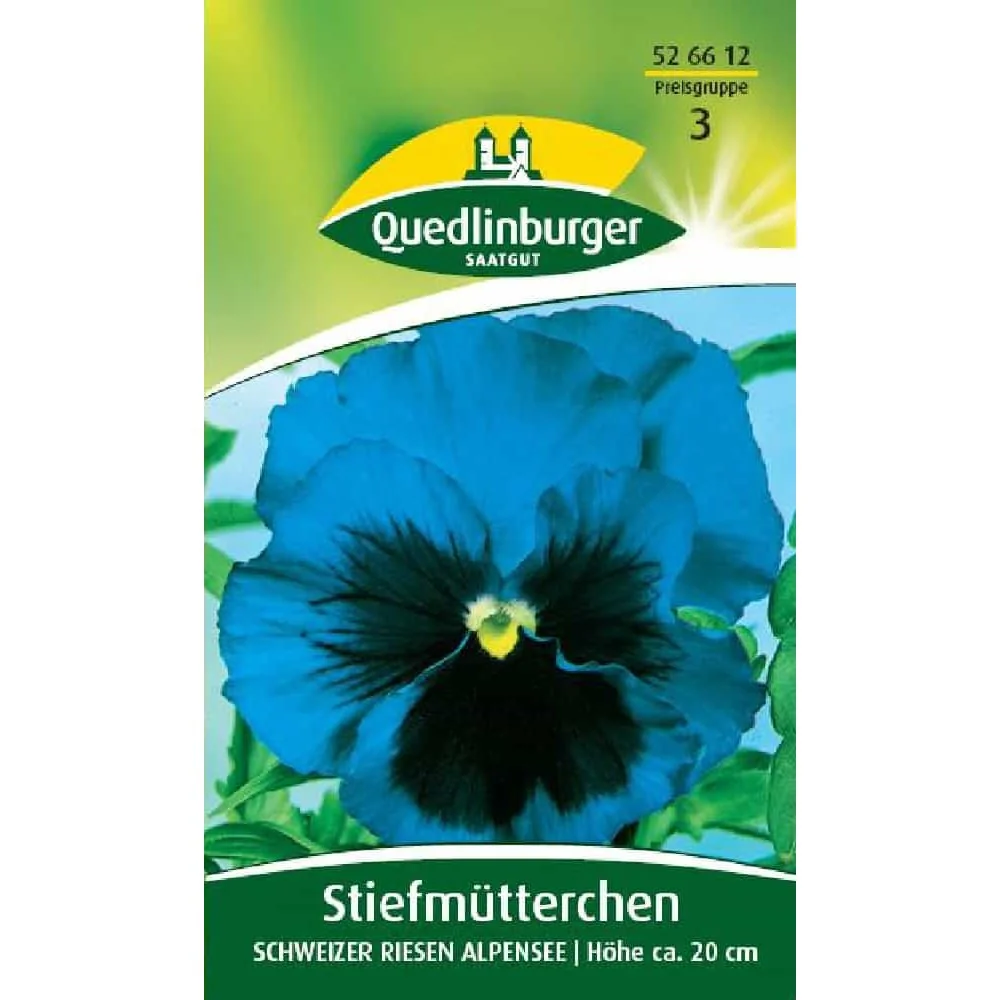
In window boxes, pansies grow well alongside other cool-season plants. Make sure they have similar light and water requirements. Practical pots, saucers and planting aids are available in the garden tools section.
“Pansies and violas are easy to grow and, with suitable care, bloom over a long period.”
How do you care for pansies?
Pansies do not require complicated care. Consistent moisture, clean plant growth and restrained fertilising are the key factors. Check beds and containers regularly instead of following a fixed schedule.
How often do pansies need watering?
Water as soon as the top layer of soil is dry. In beds, one thorough watering per week is often enough in mild weather, while plants in window boxes may need water much more frequently depending on wind and sunlight. Push a finger two centimetres into the soil before reaching for the watering can.
Apply the water directly to the soil and keep the leaves and flowers as dry as possible. Morning is the best time because excess moisture can dry off during the day. Empty saucers after heavy rainfall so that the roots do not remain permanently in water.
Important note
Do not water pansies according to a rigid daily schedule. Wet soil causes root damage more quickly than brief dryness. Check the moisture in the root area before each watering and use containers with unobstructed drainage.
How should you fertilise and prune pansies?
Freshly purchased flowering plants usually contain sufficient nutrients at first. After about four weeks, you can add a small amount of organic fertiliser or mature compost to plants in beds. In window boxes, apply a liquid flower fertiliser at half strength every two to three weeks during flowering.
- Remove spent flowers: Regularly pinch off faded flowers together with a short section of stem.
- Encourage flowering: Remove developing seed capsules if you want the plant to continue flowering.
- Limit nitrogen: Too much fertiliser produces soft leaves and fewer flowers.
- Check the shoots: Trim individual long or damaged shoots with clean scissors.
Regularly deadheading keeps the plants compact and directs their energy into new buds. This small task noticeably improves the appearance, especially of large-flowered varieties. With violas, you can lightly cut the plant back after an initial pause in flowering.
Which diseases and pests can occur?
Aphids often settle on young shoot tips and buds. Remove small infestations with a strong jet of water or carefully squash the insects. Slugs mainly eat young plants in beds, while they are rarely a problem in raised balcony boxes.
Grey mould and powdery mildew develop more easily when leaves remain wet, plants are crowded and air circulation is poor. Remove affected plant parts immediately and do not dispose of them in your own compost. Balanced watering from the garden irrigation range helps prevent wet leaves and alternating dryness.
Which pansy varieties are suitable for gardens and balconies?
The right variety depends on flower size, growth habit and location. Large-flowered pansies create strong colour accents in beds, while violas produce many smaller flowers and are well suited to window boxes. Mixes combine several shades and quickly fill bowls.
When should you choose large-flowered garden pansies?
Large-flowered garden pansies have eye-catching flowers with faces, spots or contrasting edges. They look particularly good along paths, in front of hedges and in low flowerbed borders. Yellow, blue, violet, white and reddish brown can be planted individually or as a sequence of colours.
These varieties usually remain compact and are suitable for seasonal beds. After longer periods of warm weather, they often take a break. For a second flowering phase in autumn, they need pruning, water and cooler nights.
Why are violas suitable for window boxes?
Violas are the small-flowered relatives of garden pansies. They grow more bushily, produce many flowers and generally cope well with changeable weather. Their long flowering stems add lightness to window boxes, bowls and hanging planters.
With choose a hybrid mix for colourful, compact plantings. Under suitable conditions, violas occasionally self-seed. Remove faded stems if you want to limit self-seeding.
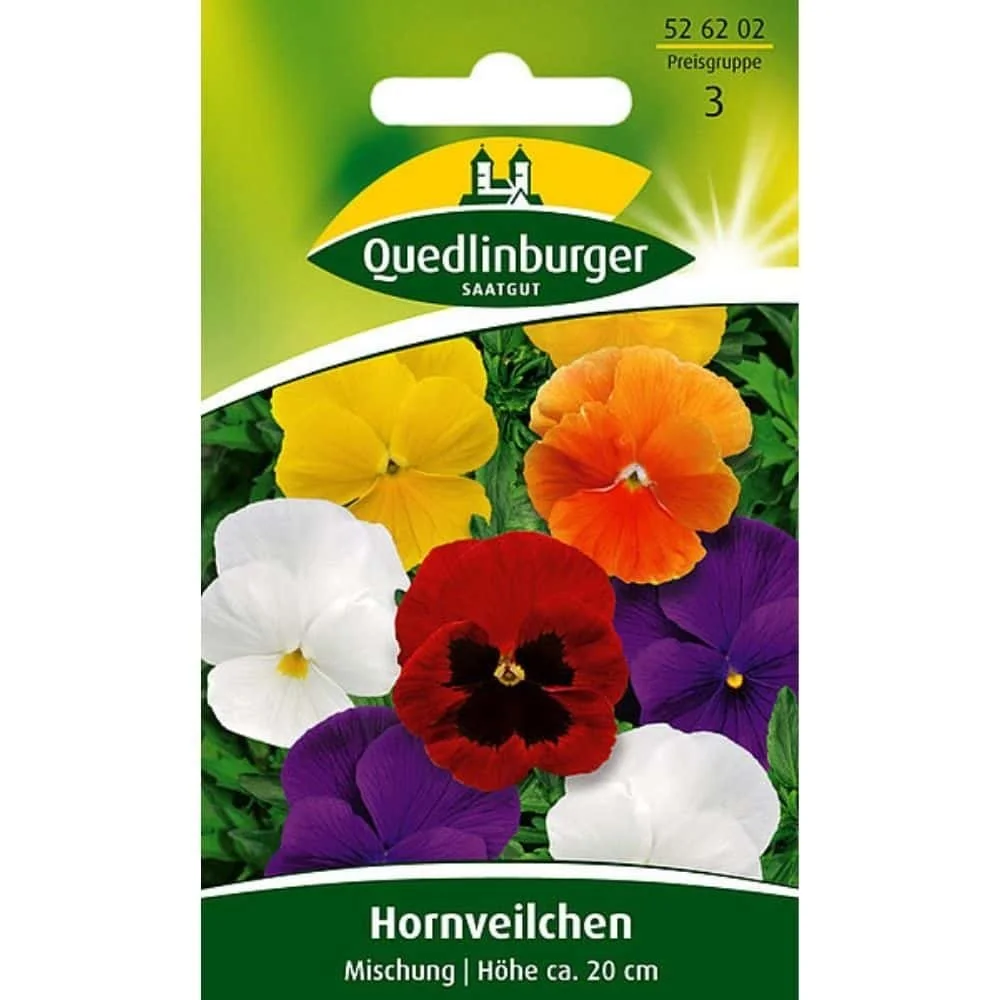
How can you use colour mixes?
A mix is ideal when you want several shades to appear in a container without having to put them together yourself. complements colourful balcony flowers and brings different flower colours to a window box. Plant mixed varieties with a little space between them so that each colour remains visible.
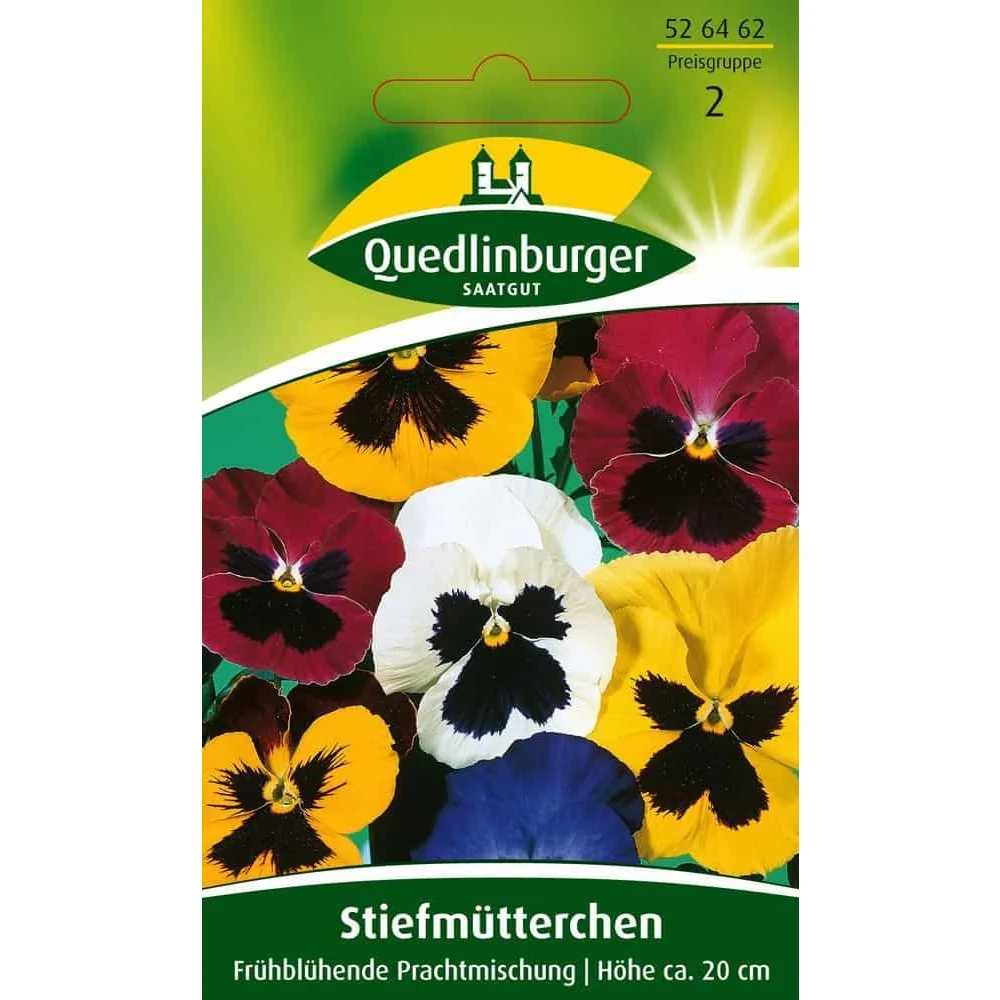
- Yellow and blue: Looks fresh and clear at entrances or on sunny balconies.
- White and violet: Complements grey pots, natural stone and silvery foliage.
- Orange and reddish brown: Creates warm colour accents in autumn plantings.
- One colour family: Several shades of blue create a calm, cohesive look.
Additional tip
Plan the flower colour according to the background. Yellow and white pansies stand out particularly well in front of a dark hedge. In front of a light-coloured house wall, violet, blue and vivid red appear clearer.
How do you overwinter and propagate pansies?
Pansies usually grow as biennials. In the first year, they develop leaves and roots; in the second year, they produce particularly abundant flowers. Purchased plants are often already in full bloom and can remain decorative for several seasons with good care.
How do you protect pansies in winter?
Well-established plants in garden beds often survive normal winters without any special measures. In severe frost, a loose layer of leaves or brushwood protects the root area. Do not cover the plants airtight, as trapped moisture encourages rot.
In pots, the root ball freezes through more quickly than it does in the ground. Place containers against a sheltered house wall, raise them onto wood or insulating material, and wrap the pot if prolonged frost is forecast. Use garden fleece to loosely protect sensitive plantings from cold winds.
- Stop applying nitrogen-rich fertiliser from late summer onwards.
- Remove diseased leaves before winter.
- Water sparingly on frost-free days when the soil is dry.
- Remove the cover on mild days so air can reach the plants.
“Pansies are cool-season plants and suffer when temperatures remain high for extended periods.”
How do you grow pansies from seed?
To grow your own plants, collect ripe seed pods or buy seeds. Depending on the variety, the best time is between June and August. The young plants first form a rosette of leaves and can be moved into the garden bed or a larger pot in autumn.
- Fill a shallow seed tray with fine, moist seed-starting compost.
- Space out the seeds and cover them only lightly.
- Place the tray in a bright spot, but out of direct midday sun.
- Prick out the seedlings as soon as several true leaves appear.
- Gradually acclimatise the young plants to their outdoor position.
With hybrid varieties, the offspring do not always resemble the parent plant. Colour, flower markings and growth habit may vary. If you want to preserve a particular variety reliably, buy new young plants or seed with the exact variety clearly stated.
What care routine suits the gardening year?
In late winter and spring, check drainage and plant new pansies. During the main flowering period, remove faded flowers and check the soil moisture. In summer, protect containers from intense heat; in autumn, use the cooler nights for a second planting session.
- February to May: Plant, water in, remove faded flowers and apply a light feed if needed.
- June to August: Sow seeds, protect containers from drying out and avoid heat stress.
- September to October: Plant autumn displays and mulch the root area.
- November to January: Protect pots, prevent waterlogging and water sparingly on frost-free days.
This keeps pansies in beds, pots and window boxes looking attractive for a long time. The right location, loose soil and regular deadheading achieve more than excessive fertilising. Choose a variety suited to the space and these colourful spring flowers will thrive reliably.
Frequently Asked Questions
- When is the best time to plant pansies?
- The best planting time is in spring from March to May or in early autumn from September to October. Autumn plantings establish roots before winter and get off to an early start. In spring, plant pansies after severe frosts. Container-grown plants can be planted almost all year round when the weather is suitable.
- How often do I need to water pansies?
- Water pansies as soon as the top layer of soil is dry. In a garden bed, thorough watering once a week is usually enough in mild weather; water more often during hot periods. Window boxes dry out more quickly. Apply water directly to the soil, avoid waterlogging and check containers with drainage holes regularly.
- What location is suitable for pansies?
- A bright location with morning or afternoon sun and well-drained, humus-rich soil is best. Pansies tolerate partial shade, but they often flower less profusely there. Avoid places where rainwater collects or where summer heat reflected from house walls keeps the leaves permanently damp.
- Are pansies hardy?
- Pansies are usually biennials and often survive mild winters in garden beds without problems. Young autumn plants benefit from a loose cover during severe frost. In pots, the root ball freezes through more quickly. Place containers in a sheltered position, wrap them if necessary and water sparingly on frost-free days.
- What is the difference between pansies and violas?
- Large-flowered pansies have striking, often patterned blooms and quickly create a splash of colour in beds. Violas stay smaller but produce many flowers and branch more strongly. They are well suited to window boxes, bowls and naturalistic plantings. Both are popular spring flowers and prefer cool temperatures.
You may also be interested in
- Geranium care: tips for beautiful blooms on balconies and in the garden
- How to care for petunias: sowing, pruning and location
- Flowers in the garden: popular types and planting tips
- Planting and caring for winter aconites: how to make your garden bloom in spring
- Choose colourful spring flowers for your balcony
- Caring for annual summer flowers: how to keep them blooming beautifully