
In brief: Passionflower is a decorative climbing plant and, as Passiflora incarnata, also a traditional medicinal plant. Its above-ground plant parts are used in herbal medicine for mild nervous restlessness and to support sleep. In the garden, it needs sun, sturdy support for climbing, consistent moisture and, in Germany, usually winter protection.
Short answer: Passionflower is a decorative climbing plant and, as Passiflora incarnata, also a traditional medicinal plant. Its above-ground plant parts are used in herbal medicine for mild nervous restlessness and to support sleep. In the garden, it needs sun, sturdy support for climbing, consistent moisture and, in Germany, usually winter protection.
Passionflower combines striking flowers with a fascinating chapter of plant knowledge. Its flowers look exotic, but with the right location, these climbers can also be grown in many German gardens. Various species and cultivars are available for flower beds, conservatories and large containers.
However, the term medicinal plant does not automatically apply to every passionflower. The botanical name, the plant part used and the quality of the preparation are all important. This distinction helps prevent you from confusing a decorative garden plant with a tested herbal medicinal product.
What makes passionflower a medicinal plant?
The genus Passiflora includes several hundred species. In European herbal medicine, the term passionflower herb primarily refers to the above-ground parts of Passiflora incarnata. These include the leaves, young stems and flowers, which are collected during the flowering period and dried.
Passiflora incarnata and Passiflora caerulea
Passiflora incarnata originates from the southeastern United States. It grows as a perennial, herbaceous climber and produces striking flowers in summer. Its dried herb is traditionally used in herbal preparations.
The blue passionflower commonly sold for gardens is called Passiflora caerulea. It decorates walls, pergolas and patios with blue and white flowers and attractive leaves. This species is cultivated as an ornamental plant and is not automatically suitable for tea, tinctures or other medicinal uses.
- Medicinal plant: Traditional uses of Passiflora incarnata refer to dried passionflower herb.
- Ornamental plant: Passiflora caerulea is mainly suitable for garden design and as a flowering climber.
- Flowers: Their unusual shape attracts attention and, depending on the location, insects too.
- Fruit: Fruit from a garden plant is not automatically suitable for cooking or herbal medicine.
Expert tip
Always check the botanical species name on the label when buying a plant. Passiflora incarnata and Passiflora caerulea belong to the same genus, but they serve different purposes in the garden and in herbal medicine.
What effects does passionflower have in herbal medicine?
Passionflower herb is traditionally used for mild nervous restlessness, inner tension and mild mental stress. Herbal preparations may also support falling asleep when racing thoughts or tension make sleep difficult. Its use is aimed at mild complaints and does not replace medical treatment.
Which active compounds are known?
Analyses mainly identify flavonoids such as vitexin, isovitexin and orientin. Other phenolic compounds, small amounts of certain alkaloids and the natural molecule maltol have also been described. The composition depends on the species, plant part, harvest time and production method.
Research studies are investigating, among other things, an influence on the GABA system in the nervous system. This provides a plausible explanation for the calming properties, but individual laboratory results do not prove an equally strong effect in humans. A standardised extract also cannot be directly compared with garden herb that you have dried yourself.
What effects can you expect?
Studies of passionflower extracts have shown some improvements in restlessness or sleep problems. However, the studies differ in dosage, extract and number of participants. As a result, the scientific assessment remains cautious.
- For mild tension, passionflower may support gentle relaxation.
- For stress-related difficulty falling asleep, it may complement an evening routine.
- Immediate, strong sedation is not the typical aim of using it.
- Severe anxiety, persistent insomnia and depressive symptoms should be addressed by a doctor.
“Based on many years of use, preparations of passionflower herb can be used to relieve mild symptoms of mental stress and to support sleep.”
The EMA describes a traditional use here, not a blanket medicinal effect for every passionflower. The form of preparation also matters: a tested extract contains defined amounts, while a tea mixed at home can vary considerably. Therefore, read the information provided with the individual product and monitor your response.
How do you successfully grow passionflower in the garden?
Passionflowers grow vigorously when warmth, light and water are well balanced. Outdoors, choose a spot beside a sunny house wall, pergola or sheltered fence. You can find suitable additions for the right soil and climbing supports in the Garden and Outdoor section and among the plant accessories.
Which location is suitable?
Give the passionflower several hours of direct sunlight each day. A spot with six or more hours of sunshine encourages strong shoots and plenty of flowers. A warm south- or southwest-facing wall also protects the plant from cold winds.
- Light: sunny to very bright, without persistent heat against the house wall in midsummer.
- Wind: sheltered, so long shoots and the climbing support do not break.
- Soil: rich in humus and nutrients, well drained and permeable.
- Moisture: consistently moist, but never permanently waterlogged.
- Climbing support: sturdy, rust-resistant and wide enough for plenty of side shoots.
Loosen heavy clay soils with mature compost and coarse mineral material. If the ground is compacted, a drainage layer of gravel improves water drainage. Work organic material into the soil without later planting the root ball deeper than before.
When and how should you plant it?
Only plant the passionflower in the bed after the last late frosts. Water the root ball thoroughly beforehand and dig a planting hole about twice as wide as the root ball. Loosen the base of the hole and mix the excavated soil with a little compost.
Position the plant at the same level as it was previously planted. Press the soil down lightly and water slowly so the roots make good contact with the soil. A mulch layer five centimetres thick retains moisture, but must not touch the stem directly.
When planting beside a house wall, allow a distance of about 30 to 50 centimetres. This allows rain to reach the root area and air to circulate behind the foliage. Loosely attach the first shoots to a climbing support from the garden equipment section.
Important note
Do not automatically use a decorative Passiflora caerulea as a herbal tea. For internal use, you must identify the species with certainty, avoid plant protection products and know whether the plant part used is suitable.
What care does passionflower need before overwintering?
During the growing season, passionflower quickly produces long tendrils. Regular care keeps the root area moist, prevents uncontrolled tangling and prepares the plant for winter. Check the shoots at least once a week.
How should you water and fertilise it?
Use your finger to check whether the top two to three centimetres of soil are dry. Then water thoroughly until excess water drains away. In containers, empty the saucer after a short time, as wet roots are sensitive to a lack of oxygen.
During hot summer weeks, a large plant needs water every day, especially beside a warm wall. On overcast days, increase the intervals between watering. A needs-based garden watering system helps with container plants and longer absences, but does not replace checking the soil.
- Water in the morning or early evening, applying the water directly to the soil.
- Avoid frequent small amounts of water that only moisten the surface.
- Fertilise from April to August according to the manufacturer's instructions with a balanced fertiliser for flowering plants.
- Too much nitrogen encourages soft foliage and can inhibit flower production.
How should you prune and train the tendrils?
Train young shoots in the desired direction early on. The tendrils grip wires, trellises and thin poles with their tendrils. Carefully untangle any shoots while they are still flexible.
In spring, cut dead and frost-damaged parts back to healthy wood. Shorten very long side shoots to a few strong buds so the plant remains compact and produces new flowering shoots. Use clean, sharp secateurs from the garden tools section.
Pruning in late autumn is not advisable for tender plants. The long shoots provide some protection for the base against the cold. Wait until new growth appears in spring, then remove only clearly dead wood.
How should you overwinter passionflower?
Planted-out blue passionflowers can survive occasional periods of frost in mild regions, but they still need protection. Mound leaves or bark humus around the root area and cover it additionally with brushwood. Protect young plants with garden fleece when prolonged frost is forecast.
In a container, the root ball freezes more quickly than garden soil. Before the first severe frost, move the pot to a bright, cool location with a temperature of approximately five to ten degrees Celsius. Water sparingly, do not fertilise and ventilate regularly to prevent fungal problems.
Additional advice
When overwintering a container plant, insulate not only the pot but also the ground beneath it. A wooden board or thick insulating mat reduces the cold coming from below. In spring, gradually acclimatise the plant to direct sunlight again.
Which passionflower is right for the garden and containers?
For quick coverage, choose a larger young plant with a strong shoot. Small plants can be bought more cheaply, but need more time to reach the trellis. Also decide whether you want to plant the passionflower permanently in the ground or grow it flexibly in a container.
- : The blue passionflower Passiflora caerulea in a pot with a diameter of 15 centimetres and a height of approximately 65 centimetres provides a quick start for balconies, patios or a sheltered house wall.
- : This blue passionflower is offered as a non-invasive, hardy climbing plant with a height of approximately 14 centimetres. It is suitable for gardeners looking for a compact young plant to train gradually.
- : The young blue passionflower, with a height of approximately 11 centimetres, is suitable for a small container or careful growth along a trellis.
- : The Wunderschere all-purpose cutter for home and garden supports pruning cuts on young, soft shoots. Clean the blade after use and do not use it on diseased plant material without disinfecting it afterwards.
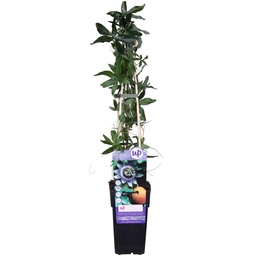
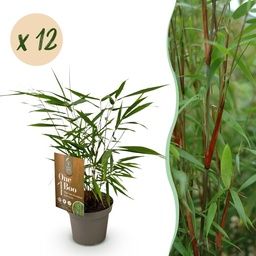
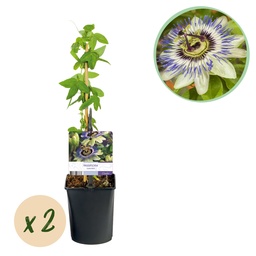
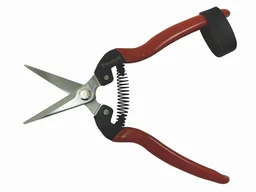
The three passionflowers in the range are garden plants of the species Passiflora caerulea. They provide flowers and green foliage for ornamental planting, but not a ready-to-use medicinal herbal drug. For a climbing plant in the ground, combine sufficient root space with a sturdy support structure.
How do you read the plant label?
Look for the full botanical name, the growth height and information about hardiness. A description such as hardy refers to resistance under certain conditions, not a guarantee for every location. Container plants almost always need more protection than plants grown in the ground because of their limited volume of soil.
Strong-growing varieties need a larger trellis and regular training. For small balconies, choose a limited-size pot, a short obelisk and controlled pruning in spring. Avoid locations where the tendrils can become caught in gutters, cables or other plants.
How can you use passionflower safely as a medicinal plant?
In traditional herbal medicine, passionflower herb is used as a tea, powder or extract. The safest and most controllable option is a tested finished product with clear information about the species, plant part and dosage. A homemade garden infusion, on the other hand, is difficult to standardise.
What applies to harvesting and preparation?
Harvest only if you have positively identified Passiflora incarnata. Ideally, cut the above-ground parts while the plant is flowering on a dry morning, once the dew has dried. Do not use plants from a garden centre or balcony for tea if they have been treated with ornamental plant products or if the label does not clearly state the species.
Spread the herb loosely in a thin layer in an airy, shaded place. Direct midday sunlight can affect the colour and sensitive constituents. Once completely dry, store the material in a dark, dry and tightly sealed container.
No reliable standard home dosage can be given for self-collected herb. Harvest time, drying and plant material affect the concentration. For symptoms, follow the dosage recommendation for a tested product or seek advice from a pharmacist.
When should you exercise caution?
- Pregnancy and breastfeeding: There is insufficient safety data for these periods. Do not use it without medical advice.
- Children: Age limits vary depending on the product. Follow the package instructions and ask a healthcare professional if you are unsure.
- Sedative substances: Passionflower may increase drowsiness when combined with sleeping pills, sedatives or alcohol.
- Driving and operating machinery: Do not test your personal response before driving or working with equipment.
- Persistent symptoms: Sleep problems, severe restlessness or anxiety lasting several weeks require investigation of the underlying cause.
“Nervous states of restlessness.”
This brief historical indication shows how narrowly the traditional use was defined. It does not support use for every form of anxiety, exhaustion or sleep disorder. The current assessment by the EMA is also limited to mild symptoms and support for sleep.
For your garden: Passionflower is an attractive climbing plant with high ornamental value. Give it sun, warmth, water and a sturdy trellis. If you want to use the plant medicinally, make sure you can reliably distinguish Passiflora incarnata from the blue ornamental passionflower and preferably use tested products for this purpose.
Frequently Asked Questions
- Is passionflower hardy in the garden?
- Yes, blue passionflower can be planted outdoors in mild regions. Choose a sheltered, sunny spot and cover the root area in winter. In harsher climates or in containers, overwinter the plant in bright, cool conditions. Severe frost can damage above-ground shoots and roots.
- Which passionflower is suitable as a medicinal plant?
- The traditional medicinal plant is called Passiflora incarnata. The commonly sold blue passionflower has the botanical name Passiflora caerulea and is mainly grown as an ornamental plant. Both species belong to the same genus, but the garden plant does not provide a standardised medicinal drug. Do not therefore use it automatically for tea or extracts.
- How does passionflower herb work?
- Passionflower herb is traditionally used for mild nervous restlessness and to support sleep. Its effects vary depending on the extract and the individual. It is not a substitute for treatment of persistent insomnia, severe anxiety or depression. If symptoms continue for several weeks, consult a doctor to identify the cause.
- What does passionflower need to grow?
- For growing passionflower in the garden, choose a sunny, wind-sheltered spot with humus-rich, well-drained soil. A sturdy trellis supports its long shoots. Keep the soil evenly moist, avoid waterlogging and prune back frost-damaged shoots in spring. Passionflower grown in containers needs additional winter protection.
- Can I use passionflower from the garden to make tea?
- From your own garden, harvest only plants that you have confidently identified botanically as Passiflora incarnata and that have not been treated with pesticides. Blue Passiflora caerulea from the ornamental plant trade is not automatically suitable for this purpose. For medicinal use, it is better to choose tested medicinal products and follow their dosage instructions.
You may also be interested in
- Grow and prepare your own herbal tea
- Natural relief for colds: medicinal herbs from the garden
- Herbs in the garden: growing and caring for the best varieties
- Peacock butterfly in the garden: how to attract butterflies
- Growing pawpaw: grow Indian banana in your own garden
- Your own natural medicine cabinet: medicinal plants for the home