
In brief: A patio cover protects you from the sun and rain while extending your living space outdoors. Options range from permanent wooden or aluminum structures with glass roofs to flexible solutions such as shade sails and awnings. Careful planning of the materials, foundation and any required permits is the key to success.
Table of contents
- Why a patio cover offers more than just protection from rain
- Which materials are suitable for a patio cover?
- Creative patio cover ideas: From permanent to flexible
- How can you make your covered patio cozy?
- Planning and legal requirements: What do you need to consider?
Your own seating area surrounded by greenery is the heart of summer living. This is where you eat with your family, relax after work and enjoy warm evenings. But the weather can often put a damper on your plans. A sudden rain shower or intense sunshine can bring the idyll to an end. A patio cover solves this problem and transforms your patio into a comfortable retreat you can use year-round in the Garden + Outdoor area.
This article provides practical and creative ideas for covering your patio and creating a protected favorite spot.
Why a patio cover offers more than just protection from rain
A cover offers much more than protection from a rain shower. It is an investment that increases the value of your property and significantly improves your quality of life outdoors.
A permanent roof protects not only you but also your patio furniture from UV rays and moisture. High-quality lounge furniture and wooden tables stay attractive for longer and do not need to be moved every time a shower threatens. Protection from the sun is another crucial factor. You can sit outside even in the midday heat without worrying about sunburn.
A cover also creates a clearly defined space. It visually separates the seating area from the rest of the garden and creates the feeling of an “outdoor living room.” This new space can be used in many ways, from a barbecue area to a relaxed reading lounge. Your outdoor season automatically becomes longer, as you can sit outside in comfort on cooler spring days and mild fall evenings.
A covered patio is more than just a structure; it creates a new living space. It combines the comfort of indoors with the freedom of being outside.
Which materials are suitable for a patio cover?
The choice of material for the supporting structure has a major impact on the style and maintenance requirements of your cover. Each material has specific advantages and disadvantages.
Wood – The natural classic
Wood blends harmoniously into any garden design and creates a warm, natural atmosphere. It is relatively easy to work with, making it a popular material for DIY projects. Long-lasting types of wood such as larch, Douglas fir and pressure-treated softwood are particularly suitable.
The biggest disadvantage of wood is the maintenance it requires. You need to treat it regularly with stains or oils to protect it from the elements, rot and pests. Without this protection, the wood turns gray and can become rotten over time.
Aluminum – Modern and low-maintenance
Aluminum structures are the modern alternative to wood. They look light and elegant and are extremely durable. Thanks to its powder coating, aluminum is completely rustproof and weather-resistant. You never need to paint it. A damp cloth is enough for cleaning.
Aluminum patio covers are available in many colors, most commonly anthracite, white or gray. They are a perfect match for modern architecture. The price is generally higher than that of a comparable wooden structure, but there is virtually no maintenance involved.
Glass vs. polycarbonate for the roof covering
Two materials have become established for covering the supporting structure:
- Laminated safety glass: Offers maximum transparency and an open feel. It is extremely robust, hail-resistant and helps reduce the sound of rain. However, glass is heavy, requiring a sturdy supporting structure, and it is the most expensive option.
- Polycarbonate (twin-wall sheets): These plastic sheets are lightweight, shatter-resistant and considerably less expensive than glass. They provide good UV protection and are available in different tints that also help protect against heat. Their disadvantage is that they are more prone to scratches and can be noisier than glass during heavy rain.
Additional advice
If you choose glass, use laminated safety glass exclusively. It consists of two panes joined by a tear-resistant film. If the glass breaks, the shards remain attached to the film, minimizing the risk of injury. Standard window glass is unsuitable and not permitted for overhead glazing.
Creative patio cover ideas: From permanent to flexible
Not every cover needs to be a solid extension. Depending on your needs, budget and taste, there are many ways to design your seating area.
The permanent patio cover: A lasting extension
A cover attached to the house, made from wood or aluminum with a glass or polycarbonate roof, is the most durable and weatherproof solution. It creates a permanent, protected space. With glass panels on the sides, you can even turn it into an unheated sunroom. This option requires the most work and usually requires a building permit.
The pergola: Light and shade in the garden
A classic pergola is an airy structure made of posts and crossbeams. On its own, it provides only limited shade. Its true charm comes when you cover it with climbing plants such as grapevines, wisteria or climbing roses. This creates a living, green roof that provides pleasant shade in summer.
For more protection from rain, you can later cover a pergola with polycarbonate sheets or install a retractable fabric roof, known as a canopy.
Shade sails: The flexible, modern solution
Shade sails are a stylish and relatively affordable way to shade a seating area. They are tensioned between house walls, poles or sturdy trees. They come in triangular or square shapes and in many colors. Water-repellent models also provide protection from light showers.
The biggest advantage is their flexibility. In winter, you can simply take the sail down and store it away. Make sure it is attached extremely securely, as high wind forces can act on the anchor points.
Pro tip
For a DIY wooden patio cover, use stainless steel screws. They do not rust and will not cause unsightly discoloration in the wood. Treat all cut edges with a wood-preservative primer before installation to prevent moisture from penetrating.
DIY patio cover: Bring your own project to life
With some basic DIY skills, you can build a simple cover yourself. A straightforward wooden structure with post bases set in concrete foundations and a roof made from corrugated plastic sheets is a manageable weekend project. Numerous kits make it easier to get started. Good structural and foundation planning is essential for safety and durability.
How can you make your covered seating area cozy?
A patio cover is just the starting point. The right patio furniture and accessories can turn your outdoor seating area into a cozy retreat.
The right lighting creates a welcoming atmosphere in the evening. LED string lights, wall lights on the house or spotlights built into the beams provide pleasant illumination. Make sure you have enough outdoor outlets for lights, a grill or patio heaters.
Plants bring life to the space beneath the roof. Hanging planters, large pots with bamboo or ornamental grasses for privacy, and flowering climbing plants connect the covered area with the rest of the garden. The right garden and plant accessories will help you care for your green oasis.
Comfortable furniture is the centerpiece. A cozy lounge set, a large dining table or chaise lounges invite you to stay awhile. Outdoor rugs, cushions and blankets make the space even more comfortable. Remember to protect your furnishings when they are not in use. A high-quality patio furniture cover or a special
for your patio heater can significantly extend its service life.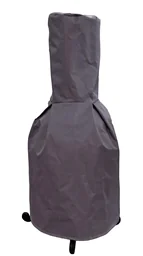
You can also give the space a fresh look with new flooring. Practical
can quickly and easily transform the floor beneath your new patio cover.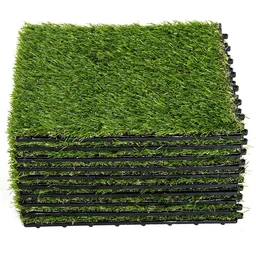
Planning and permits: What do you need to know?
There are several important details to work out before you start building. Careful planning can save you hassle and extra costs.
The best roof is no use if the foundation is unstable. Spend twice as much time on the base as you originally planned. Every mistake here is magnified further up.
Building permits and talking with your neighbors
The first and most important question is: do you need a building permit? The answer depends on local building codes, as well as the size and type of patio cover. Smaller freestanding structures may not require a permit, while additions attached to the house often do. Check with your local building department before you start. It’s also a good idea to discuss your plans with your neighbors to help avoid disputes later.
Important information
Never build without the required permits. In the worst-case scenario, you could be ordered to tear down the structure at your own expense. Checking with your local building department is a small step that can give you considerable peace of mind.
Structural calculations and foundations
A patio cover must withstand wind and snow loads. The weight can be considerable, especially with a glass roof, so the structure needs a stable foundation. Concrete footings for the posts are the minimum requirement. For large or complex structures, professional structural calculations are essential. Safety must always come first.
Water drainage
Plan for a slight roof slope (at least 2-3 %) so rainwater can drain away. A gutter and downspout direct the water where you want it to go, whether into the drainage system, a rain barrel or a dry well. This prevents water from pooling on the roof or dripping uncontrollably onto your patio.
A covered patio is an asset to any garden. It gives you more time outdoors, protects you from unpredictable weather and creates a new favorite spot for the whole family. With the right idea and careful planning, you can make your dream outdoor living room a reality.
Frequently asked questions
- Do I need a building permit for a patio cover?
- It depends on the size of the cover and local building codes. Small freestanding structures may not require a permit, while additions attached to the house often do. Check with your local building department before construction begins to avoid costly mistakes.
- What is the best material for a patio cover?
- Wood has a natural, cozy look but needs regular maintenance. Aluminum is very durable, low-maintenance and modern. Steel works well for large spans. The best choice depends on your budget, preferred style and how much maintenance you’re willing to do. You can also combine different materials.
- Which is better for a patio cover: glass or polycarbonate?
- Laminated safety glass is clear, durable and sound-insulating, but it is also heavy and expensive. Polycarbonate twin-wall panels are lighter and more affordable, and offer some heat protection, but they can yellow over time and are less scratch-resistant. Both options provide good weather protection.
- Can I build a patio cover myself?
- Yes. With good DIY skills and careful planning, you can build a patio cover yourself. Simple kits or wood structures are manageable for skilled DIYers. Pay close attention to a stable foundation and secure attachment to the house. Don’t underestimate the amount of work involved.
- How do I protect a wooden patio cover from the weather?
- A wooden patio cover needs regular protection. Clean the wood every year and apply a suitable wood stain or oil. This helps protect it from UV rays, moisture and pests. Check the structure regularly for cracks or loose connections.