
In brief: Great patio design balances function and style. Modern patios feature clean lines, minimalist furniture and smart technology. Mediterranean patios bring together warm materials, lush potted plants and a relaxed feel. Start planning by thinking about how you’ll use the space, your budget and the best durable materials.
How do I plan my patio?
Good planning is the foundation of a successful patio design. Start by thinking about how you’ll use the space. Do you need room for large gatherings or a cozy spot to unwind? Will the patio work as an extension of your living room or mainly as a place to grill?
Your budget sets the limits. Estimate the cost of paving, furniture, plants and any extras, such as lighting or an irrigation system. Remember to include the cost of the base and any permits you may need.
Location and orientation are key to the patio’s microclimate. A south-facing patio needs more shade, while a north-facing spot benefits from light-colored, reflective surfaces. Check how the sun moves across the space throughout the day.
Pro tip
Draw your patio to scale on graph paper or use simple design software. Mark fixed features such as doors, steps and existing trees. Then try out different furniture and planter layouts. A little planning can save time and money during installation.
Modern patio design: Clean lines and function
Modern patio design is all about simplicity. The look is clean and geometric, with rectangles, squares and long lines. Choose large-format pavers and keep the joints to a minimum.
Materials such as concrete, steel, glass and exotic hardwoods like Bangkirai or Cumaru set the tone. The color palette is understated: shades of gray, black and white, along with natural wood tones. One bold accent color is all you need.
Keep furniture streamlined. Simple seating sets made from aluminum or teak, clean-lined lounge furniture and modular pieces all work well. Built-in storage, such as benches with lift-up lids, keeps the look uncluttered.
Outdoor kitchens and smart features
A well-equipped outdoor kitchen lets you enjoy your patio for longer. Make a built-in grill with a stainless steel or granite side counter the centerpiece. Add a beverage fridge and weatherproof outlets for small appliances.
Use lighting to shape the space. Recessed LED lights in the ground can mark pathways, while slim wall lights add accents. Indirect lighting behind planting features adds depth. Smart controls make it easy to adjust the lights from an app.
Weatherproof speakers add subtle background music. Conceal the technology to keep the look clean.
Modern patio design is about stripping things back to the essentials. Every element should serve a purpose and look good. The transition between indoors and outdoors should feel seamless.
Mediterranean patio design: Bring Southern European style to your garden
A Mediterranean patio brings the feeling of a vacation home. Warm, natural materials set the scene. Think terracotta, natural stone in sandy or ochre tones, and rustic wood.
The atmosphere is relaxed and made for lingering. A pergola built from old wooden beams or iron, covered with grapevines or wisteria, offers welcome shade. A large, sturdy solid-wood table is the natural gathering spot for evenings with friends and family.
Accessories add personality. Decorative cushions in vivid blue, yellow or orange, old oil jars repurposed as planters and metal candleholders give the space character. A little imperfection is part of the charm.
Potted plants for a Mediterranean patio
Plants bring the style to life. Potted olive trees are a classic choice, with many shapes and varieties to choose from. Lemon and orange trees add color and fragrance. Bougainvillea climbs walls in vivid pink or violet.
Round out the look with classic herbs such as lavender, rosemary and sage. They smell wonderful and are useful in the kitchen. Agaves, palms and cypresses in large terracotta pots add height and help create privacy.
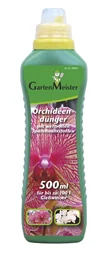
Use specialized fertilizer for potted plants to provide the nutrients they need in the limited space of a container. Our
and are ideal for caring for your patio plants.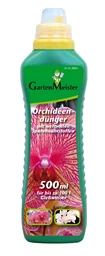
Important note
Mediterranean potted plants such as olive and citrus trees are often only partly frost-hardy. Check how much frost your chosen plants can tolerate. For sensitive plants, plan a bright, frost-free place to overwinter them, such as a cool sunroom or a garage with a window.
How do I turn my patio into an outdoor living room?
An outdoor living room is all about comfort and coziness. Divide the space into zones, just as you would indoors. A sofa and armchairs create a living area. A table and chairs define the dining area. A hanging chair or daybed can make a lounge corner feel like a private retreat.
Outdoor rugs made from polypropylene or other water-resistant materials add a soft layer to stone or wood surfaces and help define each zone. They come in a wide range of patterns and colors.
Cushions, blankets and throws make patio furniture more comfortable and personal. Choose fabrics with a high synthetic content so they dry quickly and resist UV damage.
An outdoor living room needs a “ceiling” and “walls.” An awning, shade sail or pergola with reed screens creates a sheltered feel. Tall grasses, potted bamboo or climbing plants on trellises create green, living walls and natural privacy.
Practical features for everyday use
Make room for storage. Plastic or metal deck boxes can double as seating and keep cushions, blankets and outdoor toys out of sight. Our garden equipment category has plenty of options.
A rolling serving cart for dishes and grilling accessories is a must-have. It cuts down on trips and makes cleanup after a meal quick and easy. An outdoor fire pit, whether a modern fire table or a classic wood-burning stove, lets you enjoy the patio into fall.
A well-maintained patio also needs practical tools, such as a heavy-duty garden hose or an irrigation system. Plan for water hookups during construction.
Choosing and Caring for the Right Patio Plants
Container plants are the flexible heart of any patio. They define the space, add height, and provide privacy. Choose planters that suit your style. For modern patios, smooth concrete or metal planters in gray or anthracite are ideal. Our
is an example of a simple, durable planter.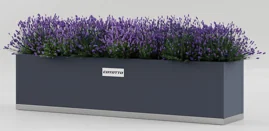
For Mediterranean or country-style designs, unglazed terracotta pots are ideal. They allow air to circulate, create a healthy microclimate, and develop a beautiful patina over time. Make sure they have sufficiently large drainage holes and add a layer of expanded clay to the bottom of each pot.
Combine plants with different heights, leaf textures, and bloom times. This keeps your patio looking attractive for many months. Include evergreen plants such as boxwood or yew in containers to add structure in winter.
Additional advice
Watering is key to keeping container plants healthy. A manual watering can is enough for a few pots. If you have more containers, a drip irrigation system with a timer is worth considering. It saves time and water by delivering water directly to the roots. Find more information in our garden irrigation category.
Protection and Maintenance Throughout the Year
Wooden patios require regular care. Clean them in spring and treat them with a special deck oil every one to two years. This preserves the color and protects the wood from moisture.
Clean stone patios of moss and algae with a broom and mild cleaner. Avoid using a pressure washer, as it can roughen the surface.
Protect your furniture investment in winter. Lightweight plastic or aluminum furniture can be stored away. For heavy wooden furniture or permanent seating areas, use well-fitting protective covers. Clear tarps, such as those in our patio furniture covers category, let you check on what's underneath.
Conclusion: Create Your Personal Outdoor Oasis
A patio is an extension of your living space. Whether modern and clean-lined or Mediterranean and lush, its design should suit your personal style and needs. Start with a solid plan.
Invest in quality materials for your paving and furniture. They need to withstand the weather. Plants bring life and color. Maintain your patio regularly so you can enjoy it for years to come.
Don’t be afraid to treat your patio as a space for experimentation. You can change the planting each year, replace accessories, or rearrange the furniture. This keeps your outdoor oasis an inspiring place.
Frequently Asked Questions
- Which paving materials are best for a modern patio?
- Large-format concrete pavers, natural stone such as basalt or greywacke in uniform sizes, and decking made from weather-resistant woods such as Bangkirai are ideal for modern patios. A subtle, textured surface and installation with as few joints as possible help achieve the signature look.
- How do I create a Mediterranean-style patio?
- Choose typical container plants such as olive trees, citrus plants, bougainvillea, lavender, and rosemary. Use terracotta pots in different sizes. Lush but structured planting with evergreen and flowering plants creates a distinctly Mediterranean feel.
- How much does it cost to build a new patio?
- Costs vary considerably depending on the material and size. Simple wood decking starts at around 100€/m², concrete patio slabs cost 80-150€/m², and high-quality natural stone can cost more than 200€/m². Also budget for the sub-base, drainage, and any necessary site prep.
- How do I protect my patio furniture in winter?
- Store lightweight furniture in a dry place. For heavy furniture, use suitable patio furniture covers or special protective covers. Make sure they are breathable to prevent mold. Clear tarps let you check the furniture without removing the cover.
- What type of lighting works best on a patio?
- Combine practical and atmospheric lighting. LED recessed lights in the ground or steps provide safety. Solar-powered or hardwired wall lights, string lights in trees, or torches create ambience. Position lights carefully and avoid glare.