
In brief: Keep your patio comfortable by finding the prevailing wind direction, placing a windbreak along the exposed sides and securing it firmly. Windbreak netting or a taut tarp are flexible options; fixed slatted screens and glass panels block more wind, but need secure anchoring and must be suited to the wind loads at your location.
Keep your patio comfortable by finding the prevailing wind direction, placing a windbreak along the exposed sides and securing it firmly. Windbreak netting or a taut tarp are flexible options; fixed slatted screens and glass panels block more wind, but need secure anchoring and must be suited to the wind loads at your location.
A breezy seating area often goes unused, even when the sun is shining. A well-placed windbreak lets you spend more time outdoors, keeps tablecloths and lightweight items from blowing around, and gives you more privacy. The right solution depends on the wind direction, available space, how much privacy you want and how the screen can be secured.
Your windbreak does not have to enclose the entire patio. Often, screening the side exposed to the weather and leaving the other sides open is enough. This helps you avoid creating an enclosed wind tunnel that can catch gusts like a large sail.
How do you find the right side for your windbreak?
Observe your patio before buying materials or setting posts. Check which direction the wind typically comes from and where it feels strongest around your seating area. Houses, walls, hedges and changes in elevation can redirect airflow. That is why a weather app alone cannot tell you exactly what conditions are like on your patio.
Tie a narrow strip of fabric to a safe, unobstructed spot to see which way the air is moving. Check it on several days and at different times. Look for gusts coming around an exposed corner of the property or picking up speed between your house and a neighbour's building. Also note whether the wind is most bothersome at the table, by the patio door or along the house wall.
When planning, consider where the wind comes from and how it moves at your specific location.
Position your screen to block the actual airflow. If the wind comes in diagonally across an open corner, a short screen beside the seating area may work better than a long wall along the house. Leave walkways and sightlines clear on the other sides. This keeps the space feeling open and lets air pass through.
Plan for wind protection and privacy together
A windbreak can also keep out prying eyes. Decide which areas you want to screen: the dining table, a bench or the entire seating area. This gives you targeted garden privacy without enclosing the whole yard. Depending on your location, options for outdoor privacy and wind screens include netting, plants, slats or solid panels.
Stand at the property line to check the view, then sit in your usual spot. A screen that provides enough cover from the garden may be too low when you are seated. On the other hand, a tall wall can feel imposing and block light. Choose a height that suits your sightlines, seating position and preferred sense of openness.
Pro tip
First, mark the planned windbreak line with string or lightweight stakes. Sit in your usual spot and check whether it blocks drafts and views without getting in the way of doors, paths or your view of the garden.
Which windbreak options suit your patio?
The right windbreak options vary mainly in how sturdy and breathable they are and how much care they need. Netting lets some air through. A solid tarp blocks more views but also catches more wind. Hedges and potted plants create a softer screen, but take up space and need time to grow. Solid panels provide lasting protection, but must be planned and secured properly.
Windbreak netting: flexible and breathable
Windbreak netting is a good choice if you want to screen part of your patio while keeping it feeling open. How much air passes through depends on the fabric, mesh size and tension. This can reduce the force of gusts, but the net will not block all the wind. When buying, check what the net is designed for and make sure its fixing points suit your structure.
Loose netting can flap and rub against edges. Tension it evenly without stretching the fabric too far, and check the eyelets and fixing points regularly. Browse the windbreak netting category to find suitable products. Choose a width that fits your existing posts rather than pulling the fabric tight at just a few points.
Plants and pots for a green privacy screen
A row of sturdy planters creates a movable, natural boundary. Evergreen or densely leafed plants screen views outside the main growing season, while deciduous plants let in more light during winter. Plants slow the wind when their stems and leaves form a loose screen. A completely dense row can also catch gusts, so the planters need to be stable.
Consider pot size, weight and stability. Avoid placing tall plants on narrow wall ledges or beside an unsecured walkway. Position planters where you can reach them to water and where excess water can drain away. If you want to change the layout later, you can move individual planters. The garden and outdoor range has more useful outdoor essentials.
Slats, glass and solid privacy screens
Fixed slatted screens block views while allowing some air through if the slats are spaced apart. A solid wall blocks more wind but takes greater forces. Glass keeps the view open and creates a clean edge, but transparent panels must also be secured for their intended location. For any fixed option, make sure you have sturdy posts, suitable foundations and follow the manufacturer's installation instructions.
A fixed screen is a good choice if you use your patio often and want wind protection all year round. Before installation, check for underground utilities, paving or drainage that could get in the way. If you rent, check with the responsible party before making changes to the facade, railing or ground. For a single screen, the right garden equipment may be a simpler option than a full-length wall.
How do you choose the right material and mounting method?
The material and mounting method work together to determine whether a windbreak performs well in everyday use. First decide whether you need a seasonal solution or a permanent structure. Then compare the area, weight, airflow, UV and weather resistance, and the mounting points available. A product label such as privacy screen alone doesn’t tell you how it will perform in the wind.
Flexible mesh and tarps can often be installed seasonally. However, a heavy, solid tarp needs especially secure anchor points because it can catch a lot of wind. Check that your fence, pergola, or posts can withstand the pulling forces. Don’t tighten cable ties or clips so much that they cut into the material or tear out the eyelets.
A tarp for temporary privacy and wind protection
A tarp can work for a temporary barrier, such as when you want to screen off a seating area for a particular season. The blue construction fence tarp, weighing 160 g/m² and measuring 1,76 x 3,41 m, is one option for suitable supports:
. Before using it, check that its size and mounting points suit your setup. The tarp should be taut, but not so tight that the eyelets are overloaded.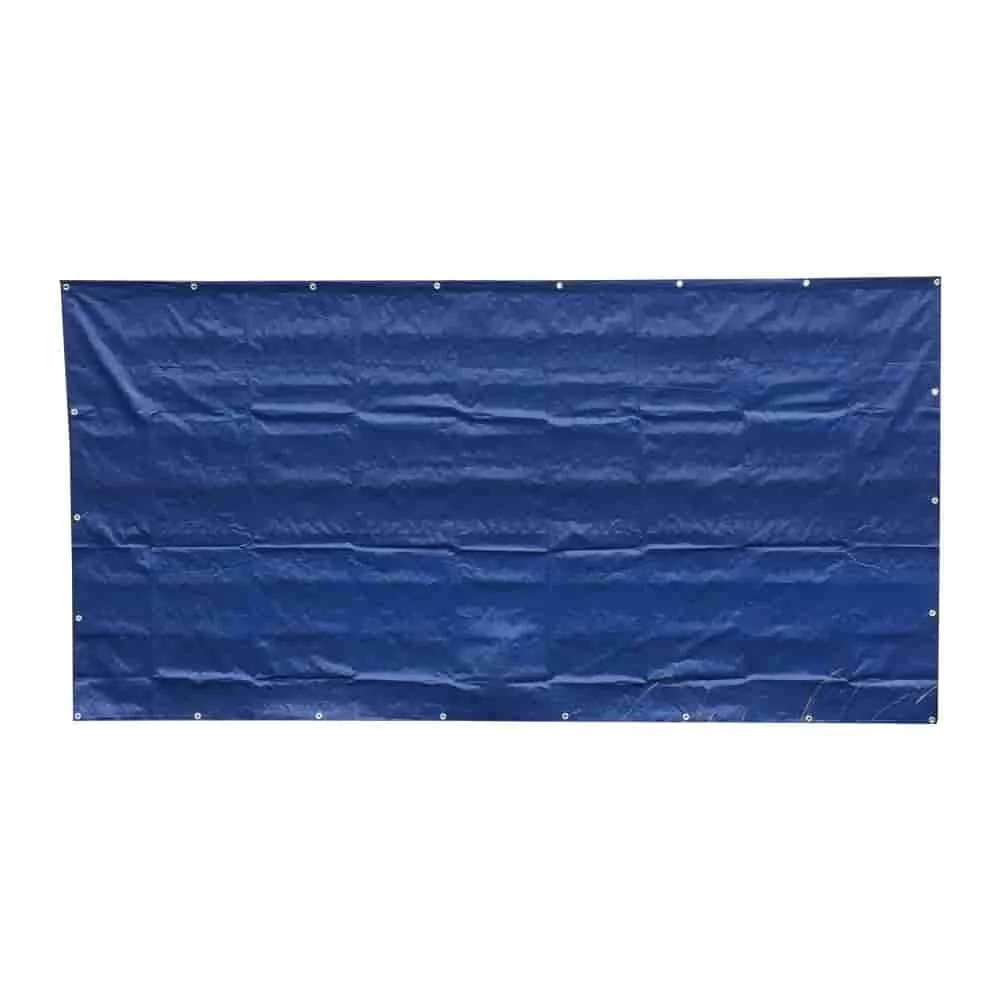
For mesh, consider using clips designed for the job. These windbreak mesh clips help secure the mesh at suitable points:
. If the clip, mesh, and support aren’t compatible, the connection may not hold well or could damage the material. Test the fastener on a small area first, then check it again after the first windy day.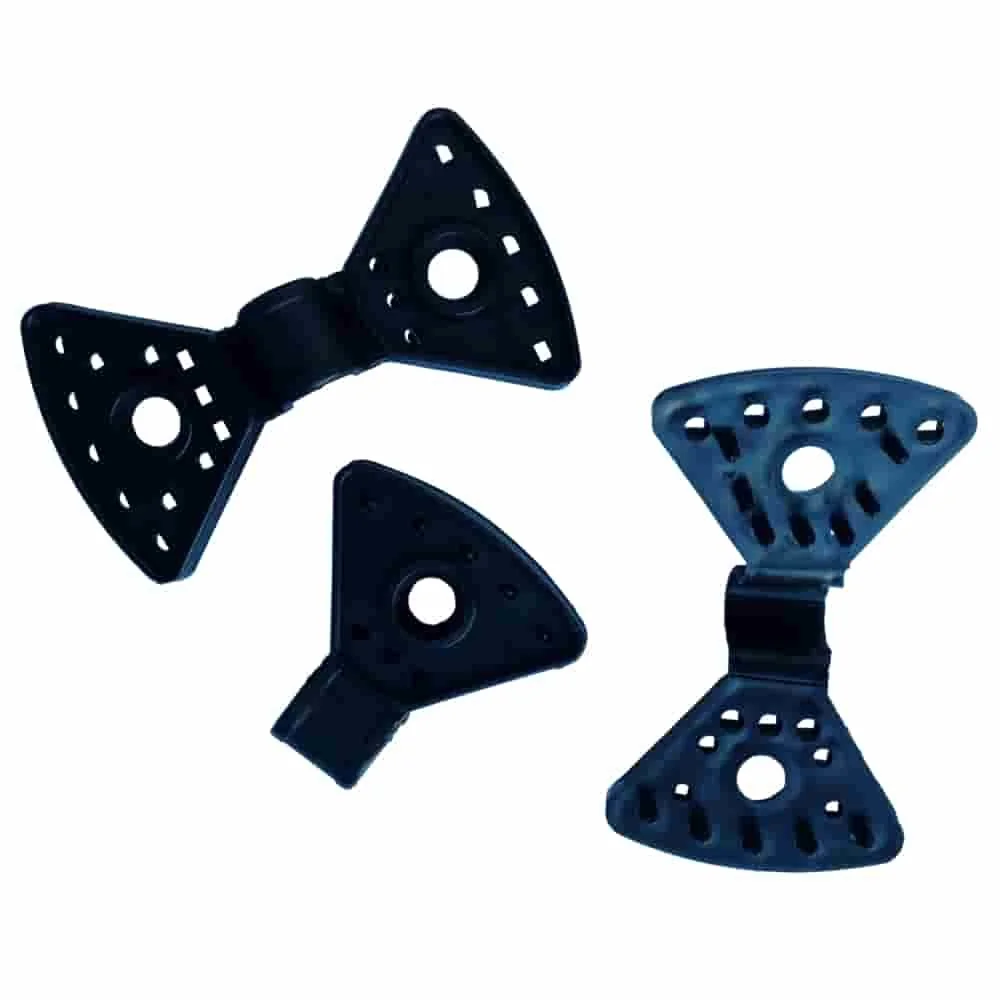
Important note
A solid tarp increases the area exposed to the wind. Don’t attach it to loose railings, downspouts, or thin trellises. Take down flexible tarps and mesh when strong gusts are forecast if the structure and fasteners aren’t designed to withstand them.
Factor in wind load and anchoring
A larger privacy screen isn’t automatically stable just because the material itself seems tear-resistant. Wind pushes against the surface and transfers force to the eyelets, posts, screws, and foundations. So always check the weakest point in the whole setup. A sturdy post won’t help much if screws pull out of rotten wood or a thin balcony panel.
For permanent structures, the material, height, location, and anchoring all need to work together. Wind load depends in part on how exposed the location is and how large the surface is. If you can’t assess the load capacity, have a professional inspect the structure. Don’t rely on makeshift fasteners just because a neighbor has a similar privacy screen.
When planning a permanent privacy screen, consider the wind-exposed area and anchoring together.
How do a patio cover and wind affect your plans?
A patio cover protects you from rain overhead, but it usually doesn’t fully block drafts from the sides. Wind can still blow under the roof or through open sides. So plan the cover and side windbreak together. Adding a side panel changes the open area and, in turn, how wind affects the roof, posts, and connections.
Follow the manufacturer’s instructions for adding side panels, awnings, or clear panels. Not every cover is designed to support every add-on. Don’t attach a tarp to gutters or profiles that aren’t designed for it. A fixed roof combined with a compatible side panel that you put up only when needed may give you more flexibility.
Furniture placement also affects comfort. A solid table or bench placed directly in a wind tunnel between a wall and hedge will still feel drafty, even if the patio is partly sheltered. Move seating behind the windbreak and leave an opening on another side. This keeps the area accessible and lets air flow through more freely.
Combine wind protection and warmth effectively
Reducing drafts makes the warmth you already have feel more comfortable. For cooler evenings, a patio heater can warm the seating area further, such as this model, which is 105 cm tall:
. A heater is no substitute for a windbreak. When using one, always check the specified placement, safety clearances, and manufacturer’s instructions, especially on covered or partly enclosed patios.
Don’t create a fully enclosed nook if your heater or other appliances produce heat or combustion gases. Follow the ventilation requirements for the appliance. For electric heaters, check that the power supply and ingress protection rating are suitable for outdoor use. This lets you combine wind protection and warmth while following the heater’s operating requirements.
Additional tip
Store removable mesh and tarps in a clean, dry place when you’re not using them during the off-season. Before installing them again, check the seams, eyelets, clips, and posts. Replace any damaged fasteners before the surface is exposed to the wind again.
How do you install your windbreak step by step?
Start by observing the wind, then choose how to secure your windbreak. That way, you won't buy a large screen before finding the right place for it. First, check which parts of the patio need to stay clear, which way doors open, and which paths should remain safe to use in the rain.
- Note the wind direction: Over several days, observe where drafts come from and which seating area they affect.
- Set your goal: Decide whether wind protection, privacy, or both are your priority.
- Choose an option: Compare mesh, tarps, plants, and solid panels by how much air they let through, how much care they need, and how long you want to use them.
- Check the supports: Make sure posts, walls, railings, and the ground can bear the load and have suitable mounting points.
- Test the setup: Try out a flexible option first and see how it holds up in ordinary wind.
- Check it regularly: Inspect tension, screws, and grommets, especially after gusts or after moving the furniture.
If you use mesh, install it so the tension is distributed across the entire surface. The edges should not flap loose. Hang a tarp only where the structure is designed to support it. Position solid panels so they do not block rainwater drainage or access to doors and windows.
A well-planned solution doesn't have to be large. A short section of mesh on the side facing the weather, a row of sturdy planters, or a single solid panel beside the bench may be enough. Choose a combination of wind protection, privacy, and furniture that suits your property. For more garden supplies, you can also browse the Garden and Outdoor category.
After installation, check that the windbreak is in the right place. Sit in your usual spot during typical weather and check for drafts around your back, legs, and the edge of the table. If one corner is still exposed, a short side panel may help. Try changing the position or length instead of enclosing the entire yard with a solid wall.
With the right height, secure mounting, and an opening on the right side, your patio can be much more comfortable for everyday use. Choose materials to suit the location and how you plan to use them, secure flexible screens when needed, and check the setup regularly. This creates a sheltered place to sit without enclosing the patio more than necessary.
Frequently Asked Questions
- How can I tell which direction the wind is coming from on my patio?
- Over several windy days, observe which side drafts reach your seating area and table from. A lightweight flag or narrow strip of ribbon secured at a safe, open spot can make the airflow visible. Note the wind direction and strength at different times of day before planning your privacy screen.
- How tall should a patio windbreak be?
- The right height depends on where you sit and which areas you want to shield. While seated, check whether drafts reach your back and shoulders. Make the screen only as tall as needed, and avoid blocking windows or walkways unnecessarily.
- Can I use a construction fence tarp as a windbreak in my yard?
- A construction fence tarp can shield an area from view and wind if you secure it safely to a suitable structure. Its solid surface catches the wind, so use it where appropriate, check the fastenings regularly, and take down a flexible tarp in strong winds.
- Are plants a good choice for patio wind protection?
- Plants can slow the wind while also providing privacy. Dense potted plants offer a local screen, while more open planting lets air through. Consider growth, care, and winter hardiness. Lightweight pots and tall plants need a stable spot so they do not tip over in gusts.
- Does a patio cover also protect against wind?
- A patio cover protects against rain from above and can reduce drafts coming from overhead. Side winds are usually still noticeable. If needed, add a side windbreak that suits the structure. Solid side panels change the surface area exposed to the wind, so check the manufacturer's guidelines and the fastenings.
You might also be interested in
- Create a Wind-Sheltered Garden Seating Area: How to Make Your Outdoor Space Cozy
- Effective Patio and Garden Shade: Ideas
- Patio Covers and Garden Privacy Screens: 5 Practical Ideas
- Cover Your Patio: Creative Ideas for Your Outdoor Space
- Build Your Own Garden Privacy Screen: Ideas for More Privacy
- Balcony Privacy Screens: Creative Ideas for More Privacy