
In brief: Pellet prices are subject to seasonal fluctuations and regional differences. The energy content in kWh per tonne matters more than the price per bag alone. An average single-family home needs around 4-5 tonnes per year. Long-term contracts and buying in summer can noticeably reduce heating costs. The total cost of a pellet heating system consists of the purchase, fuel and maintenance costs.
What does a pellet heating system really cost?
The purchase cost of a pellet heating system is higher than that of a conventional gas or oil boiler. For a complete heating system replacement, including a buffer tank, pellet storage and installation, you should expect to pay between 20,000 and 30,000 euros. The exact cost depends on the size of the building, the existing heating system and the work required to create the storage space.
The investment pays for itself through lower fuel costs. Government incentive programmes such as the BEG significantly improve its cost-effectiveness. You can receive up to 30 percent of eligible costs back.
Do not forget the ongoing expenses. These include maintenance by a chimney sweep, annual boiler cleaning and the regular replacement of wearing parts. Budget several hundred euros per year for this.
The three major cost blocks in detail
1. The heating system: The pellet boiler itself is the centrepiece. Its output must match your home's heat demand. An oversized boiler runs inefficiently and uses more pellets.
2. The storage system: You need space. A pellet bunker in the basement, an underground tank in the garden or a bag silo all require room. Installation costs vary considerably.
3. Installation and commissioning: Installation by a qualified contractor is complex. It includes connecting the system to the existing heating system, setting up the controls and carrying out the safety inspection.
The total cost of a pellet heating system cannot be determined by the boiler price alone. Professional planning that takes the individual heat demand and on-site conditions into account is the key factor for low running costs and a long service life.
How are pellet prices calculated?
The price of a tonne of wood pellets is not fixed. It consists of several components. Raw wood accounts for around half of production costs. The prices of sawmill by-products from the timber industry play an important role here.
Energy costs for drying and pressing the pellets also add to the price. Logistics are another major cost factor. Transport from the factory to the retailer and finally to your home affects the final price.
Expert tip
Never buy pellets based solely on the price per tonne. Look for the ENplus A1 quality standard. These pellets have a defined heating value, low ash content and high resistance to abrasion. Cheap products can cause clinker formation in the boiler, higher consumption and expensive repairs.
Regional availability affects the price. Pellets are often cheaper in heavily wooded areas than in regions without a wood-processing industry. Demand in autumn and winter drives prices up seasonally.
Why buying in summer is a smart move
Most homeowners order their pellets in late summer or early autumn. This drives up demand and therefore the price. Savvy planners, on the other hand, order in late spring or early summer.
At this time, manufacturers' storage facilities are full and demand is low. Many suppliers offer attractive early-bird discounts. This allows you to secure a fixed price for the upcoming heating season.
You need sufficient storage capacity for this approach. Check whether your pellet bunker or silo can hold the required quantity. A dry, protected storage area is essential for preserving pellet quality.
How can you save on heating costs with a pellet heating system?
The savings mainly come from comparing pellets with fossil fuels. While oil and gas prices are subject to major geopolitical fluctuations, pellet prices are more stable over the long term. They are linked to the timber market, which is less speculative.
The high efficiency of modern pellet boilers also helps to save money. Condensing technology uses the energy in the flue gas as well. Automatic ignition systems and demand-based controls minimise consumption.
Important note
The greatest savings potential lies not in the fuel, but in the building envelope. An outdated heating system in an uninsulated home will also be expensive to run with pellets. Prioritise insulation, new windows and hydraulic balancing of the heating system. Only then will replacing the boiler deliver maximum benefits.
Combine your pellet heating system with solar thermal energy. Solar heating support warms your domestic hot water in summer and reduces the load on the pellet boiler during the transitional season. This saves money and protects the system.
A simple but effective step is insulating the heating pipes in unheated rooms. This allows more heat to reach the living spaces. A product such as the
helps remove air from the system and optimise circulation.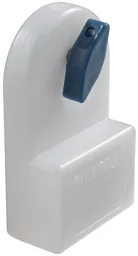
Many homeowners underestimate the impact of an optimally adjusted heating curve and a properly vented system. Up to 10 percent of energy can be saved here without any investment. Hydraulic balancing is the foundation of every efficient heating system, regardless of the fuel it uses.
Why are pellets a serious alternative for home heating?
Pellets offer independence. They make you less vulnerable to supply crises and price spikes on the global oil and gas market. The fuel is replenished in local forests, and supply chains are short and transparent.
From an environmental perspective, pellets score highly because they are CO2-neutral. Modern filter technology reduces particulate emissions to a minimum. They easily meet the strict limits set by the Federal Immission Control Ordinance.
Today's comfort is comparable to that of a gas heating system. Fully automatic feeding systems, remote maintenance via app and low-interruption combustion technology make pellet heating a comfortable primary heating system.
Additional advice
Find out about the local infrastructure before making your decision. Are there reliable pellet suppliers in your area? What experiences have your neighbours had with their systems? Talking to a local specialist retailer or an independent energy consultant can provide valuable practical insights.
Looking at your home's overall energy efficiency
A pellet heating system alone does not make an efficient home. It is part of the overall system. Energy efficiency starts with insulating the roof, facade and basement ceiling. It continues with airtight windows and controlled ventilation.
The heating system must be matched to this level of consumption. A buffer tank absorbs peak loads and enables the boiler to operate efficiently. Correctly setting the heating circuits and thermostatic valves saves energy.
Also consider hot water generation. Combining it with renewable energy is particularly worthwhile here. A well-designed overall concept is the key to low heating costs and a better environmental conscience.
How are you planning to switch to wood pellets?
Start with an energy consultation. A professional will analyse the condition of your home, calculate its actual heating requirements and develop a tailored renovation plan. This consultation may itself be eligible for funding.
Ask several heating contractors certified for biomass systems to provide quotes. Compare not only prices, but also the planned system technology, warranty terms and service.
Take care of your funding applications early. Applications to BAFA or KfW must be submitted BEFORE placing the first order with the contractor. A well-prepared application speeds up approval.
Plan the installation date carefully. Replacing a heating system is a major building project. The best time is often during the warmer months, when heating is not needed. Coordinate all trades to ensure the work runs smoothly.
Pellet heating systems are a future-proof, environmentally friendly and cost-effective alternative. With the right planning and attention to detail, you can reduce your heating costs sustainably and increase the value of your property. Browse our plumbing and irrigation categories for more accessories for an energy-efficient home.
Frequently Asked Questions
- How much do wood pellets currently cost per tonne?
- In 2023, the average annual price of wood pellets was around 280 to 320 euros per tonne (gross). Prices fluctuate considerably. They are often lower in summer than in autumn. The price per kilowatt-hour is what matters: high-quality pellets (ENplus A1) provide more energy per tonne, often making the higher price worthwhile.
- How many pellets does a detached house use per year?
- A modern, well-insulated detached house with 150 m² of living space uses an average of 4 to 5 tonnes of pellets per year. The exact amount depends on the home's energy efficiency, the heating system's efficiency and your usage habits. An old, unrenovated building may easily require twice as much.
- Are pellet heating systems really environmentally friendly?
- Pellet heating systems burn renewable raw materials and are considered CO2-neutral because they release only the carbon dioxide previously absorbed by the tree. This requires sustainable forestry. Modern systems with fine-particle filters achieve very low emission levels. They are a climate-friendly alternative to oil and gas.
- What are the advantages and disadvantages of pellet heating?
- Advantages: independence from fossil fuels, stable long-term costs, government funding and CO2-neutral operation. Disadvantages: higher purchase costs than gas or oil boilers, space required for storage (pellet bunker or silo), and regular ash removal and cleaning. The payback period is 10-15 years.
- Is the installation of a pellet heating system subsidised by the government?
- Yes. Installing an efficient pellet heating system is subsidised through the Federal Funding for Efficient Buildings (BEG) programme. The subsidy can cover up to 30% of eligible costs. Applications must be submitted to BAFA or KfW BEFORE the work begins. An energy consultant can advise you on this.
You might also be interested in
- Ordering heating oil: How to secure the best prices
- Pellet heating: A sustainable option for your home
- Understanding heating costs: The heating cost comparison for efficient heating
- Home heating systems: Costs and efficiency compared directly
- Replacing an oil heating system: What homeowners need to know now
- Planning pellet storage: How to calculate the ideal space required