
In brief: The best way to control household pests starts with prevention. Keep your home dry, clean and well ventilated. Seal cracks and gaps. If you have an infestation, identify the pest precisely first. Use targeted physical barriers, traps or biological products from specialist retailers before resorting to chemical products.
Pests in the Home: Prevention and Sustainable Control
Pests in your home are a nightmare. They contaminate food supplies, damage materials and cause disgust. Reaching for harsh chemicals may seem like the obvious solution. However, sustainable prevention and targeted control often protect your health and the environment more effectively.
This article shows you practical steps to take. You will learn how to make your home unattractive to pests. We introduce effective control methods and explain when professional products from the pest control category make sense.
Why do pests come into the home in the first place?
Pests look for three things: food, water and a sheltered nesting place. An open packet of cereal, condensation on a window or a gap beneath the patio door can be an invitation. We often bring pests into the home ourselves, with groceries, second-hand furniture or plants.
Modern, well-sealed buildings offer fewer entry points. However, the consistently warm indoor climate often benefits many species. The most important countermeasure is therefore to systematically remove the pests’ basic needs.
Pro tip
Always inspect new plants, used cardboard boxes or second-hand furniture thoroughly outdoors before bringing them into your home. Look for webs, small holes or live insects.
How can I prevent pests sustainably?
Prevention is the most effective protection. It saves time, money and stress. Focus on three key areas: hygiene, sealing the building and proper storage.
Hygiene in the kitchen and pantry
Wipe down work surfaces after every use. Clean the hob and oven regularly to remove grease splashes. Empty the rubbish every day and use a lid. Rinse jars and tins before putting them in the recycling bin.
Store dry foods such as flour, pasta and porridge oats in tightly sealed containers made of glass, metal or thick plastic. Transparent containers make it easier to check contents. Inspect new groceries immediately for holes or webbing.
Seal the building and keep it dry
Walk through your home with a trained eye. Inspect window frames, door thresholds, pipe and cable penetrations, as well as skirting boards. Seal cracks with silicone or special sealing tape.
Ventilate regularly and deliberately to remove moisture. Silverfish and mould thrive in damp corners. Make sure that drains in the bathroom and kitchen are clear. A blocked house drainage system can encourage moisture and unpleasant smells.
“Most pest problems are caused by small, inconspicuous entry points. A thorough building inspection in spring and autumn is more valuable than any spray can.”
Proper storage in the garden and cellar
Store pet food, flower bulbs or potatoes in robust boxes in the cellar. Remove old bird food from bird feeders before it goes mouldy and attracts pests. Keep the compost bin closed and at a sufficient distance from the house.
In the Garden + Outdoor area, do not store wood directly on the ground. Ensure good ventilation behind sheds and garden huts.
What kind of pest do I have? The most common types
Correct identification is the key to successful pest control. Broad-spectrum chemical products often do more harm than good. Observe the insects, their feeding damage and their preferred hiding places.
Pantry pests in the kitchen
You can identify pantry moths by the small, light-grey moths fluttering around the kitchen. Their larvae spin fine webs in flour, nuts or dried fruit. Larder beetles and their hairy larvae infest animal-based products such as sausage, cheese or pet food.
Fruit flies develop in overripe fruit, damp waste or blocked drains. They reproduce explosively.
Important note
If you have a pantry moth infestation, dispose of all infested food supplies immediately. Clean the cupboards thoroughly with a vacuum cleaner and vinegar solution. Only put new supplies back in the cupboards once the infestation is completely under control.
Material pests and nuisance pests
Silverfish love bathrooms and damp bedrooms. They feed on starch, sugar and skin flakes. Ant trails usually lead from outdoors to a sugar source in the kitchen. They use even the smallest cracks as entry points.
Flies and mosquitoes enter through open windows or damaged insect screens. They transmit germs and disturb your peace.
Sustainable pest control methods at a glance
Before using chemical products, try mechanical and biological alternatives. They are often more targeted and gentler on your home environment.
Physical barriers and traps
Insect screens on all windows are a basic measure. Seal doors with brush strips. UV light traps or glue traps can help with flying insects; place them discreetly near windows.
Barriers made from chalk or diatomaceous earth are effective against ants. Parasitic wasps for pantry moths are a classic example of biological pest control. These tiny beneficial insects destroy moth eggs and then die off.
Home remedies and their limitations
Baking powder or bicarbonate of soda against ants is a common home remedy. However, its effectiveness is limited. Essential oils such as lavender or tea tree oil can act as repellents, but they need to be renewed very frequently.
Vinegar solution destroys ants’ scent trails and is suitable for cleaning. However, it is usually too weak to deal with an established infestation.
“Home remedies can help with a light, early infestation or as a supporting measure. In the case of a severe or persistent infestation, approved biocides from specialist retailers are often the more efficient—and therefore more sustainable in the long term—choice.”
When and how should I use chemical pest control products?
In cases of severe infestation or when gentler methods fail, products from specialist retailers may be needed. Choose products specifically approved for the pest in question. Read the instructions for use carefully.
Targeted use of sprays and baits
Sprays such as a Pest + Plant Protection spray often work as contact insecticides. Spray directly into cracks and hiding places, rather than treating the entire room. Ventilate the area thoroughly afterwards.
For ants and cockroaches, bait stations are often more effective. The insects carry the poison back to the nest, destroying the colony. Place baits along their routes, but keep them out of reach of children and pets.
The
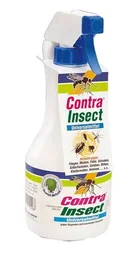
(ant spray) provides a direct way to control crawling pests. A more versatile product such as the can be used against various pests.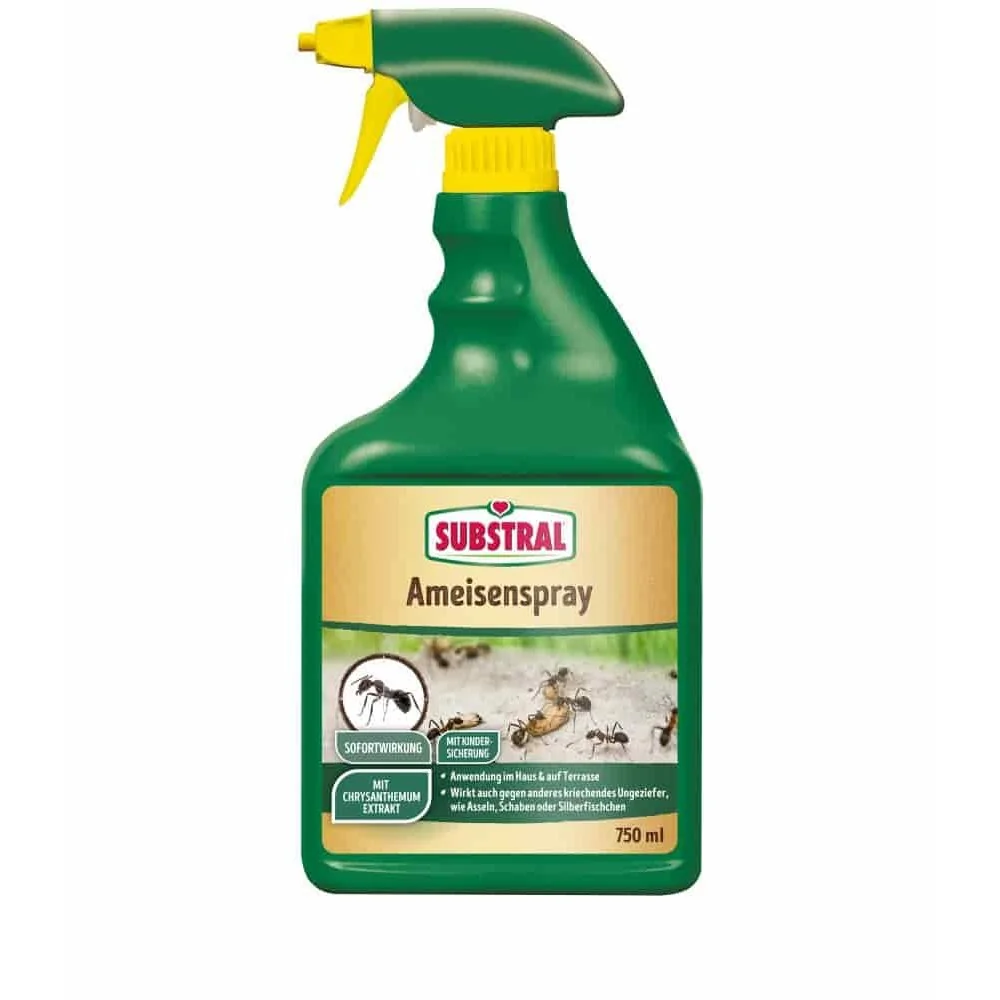
Additional advice
Always store all chemical pest control products in their original packaging, out of reach of children and pets, and separately from food. Make a note of the purchase date – many products lose their full effectiveness 12 months after opening.
Specialist products for stubborn infestations
Cold foggers and special insecticidal dusts are available for insects in electrical appliances or hard-to-reach cavities. It is best to leave this type of treatment to a professional.
(pest ice spray) freezes insects such as wasps and beetles instantly using extremely low temperatures. It is ideal for individual insects in hard-to-reach places, but not for large nests or hidden infestations.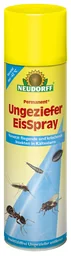
Ultrasonic and electronic devices: how effective are they?
Devices such as the
(Square Air ultrasonic pest repellent) promise to deter pests using high-frequency sounds. The theory sounds convincing, but practical results are mixed.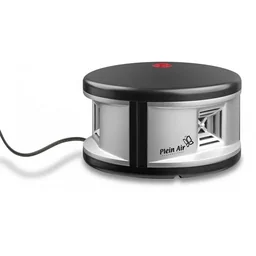
Many rodents and insects quickly become accustomed to constant frequencies. The range and ability to pass through furniture and walls are often lower than stated. Such devices can provide additional support, but should not be the only measure you take.
When do you need to call a professional pest controller?
There are situations in which DIY measures are not enough. These include infestations of wood-boring insects such as the deathwatch beetle, large cockroach populations, or rats and mice in the home.
Professional advice is also worthwhile if problems keep returning despite all your efforts. An expert can identify hidden nests and entry points that homeowners may overlook. They also have access to products and methods that are not available to private individuals.
When to call in a professional
Do not wait too long. A pest controller can often resolve the problem more quickly and thoroughly, saving money in the long term. Get several quotes. A reputable company will provide detailed advice, explain which active ingredients are expected to be used, and offer a guarantee for its work.
A well-stocked shop for the home and garden often carries an initial selection of effective products for domestic use. For anything beyond that, calling in a professional is the right choice.
Conclusion: control through knowledge and consistency
Pests in the home are not a sign of poor hygiene, but a biological phenomenon. You will control them most successfully with a clear strategy: prevention through tidiness and sealing entry points, accurate identification of the pest, and the targeted, moderate use of suitable products.
Use products and information from the pet supplies and gardening sections responsibly. A clean, dry and well-maintained home is the best long-term defence against unwanted crawling and creeping pests.
Frequently asked questions
- Which pests are most common in the home?
- The most common household pests include silverfish, pantry moths, ants, fruit flies and carpet beetles. They are attracted by food residue, moisture or warmth. Accurate identification is essential for choosing the right control strategy.
- How can I tell if I have a pantry moth infestation?
- Signs of an infestation include webbing in food supplies, small white larvae in flour or muesli, and moths flying around the kitchen. Check all dry goods, such as pasta, rice and spices. Dispose of infested food immediately in an outdoor bin.
- Does vinegar get rid of ants in the home?
- Vinegar repels ants temporarily because they can no longer follow their scent trails. For a lasting solution, follow the ant trail to the point where they are getting in and seal the entry point. Bait stations, which the ants carry back to the nest, usually provide longer-lasting results.
- What attracts silverfish?
- Silverfish thrive in warm, damp conditions. You will often find them in bathrooms, kitchens or poorly ventilated bedrooms. Paper, skin flakes and starch provide them with food. Reduce humidity and seal gaps in skirting boards.
- Are ultrasonic pest repellers effective?
- The effectiveness of ultrasonic devices such as PRODUCT_111039 is scientifically disputed. Many pests become accustomed to the sounds or cannot detect them. Mechanical barriers, traps or targeted baits based on accurate pest identification are usually more effective.
You may also be interested in
- How to get rid of ants: home remedies and sustainable methods
- Removing mould from your home: causes and sustainable solutions
- Mosquito and fly control: natural tips for your home and garden
- Chemical-free gardening: natural ways to prevent pests
- Moths in the home and garden: effective control and prevention
- How to get rid of flies in the home: home remedies and tips