
In brief: Philodendrons thrive in indirect light with moderate watering and good drainage. They’re forgiving if you miss a watering or two. Varieties range from climbers such as Philodendron Scandens to bushy types such as Xanadu. Once established, they grow reliably and help purify your indoor air.
Philodendron Care: Best Varieties for Your Home
Philodendrons are ideal for beginners. They grow reliably, help purify the air and bring greenery to any room, with a variety of leaf shapes to choose from. Here’s how to care for your philodendron.
What makes philodendrons special?
These houseplants come from the tropical rainforests of the Americas. They climb trees or grow as bushy plants on the forest floor. Their origins explain what they like: high humidity, warm temperatures and filtered light.
Because they adapt easily, philodendrons make excellent houseplants. They tolerate a range of light conditions and forgive the occasional missed watering. Their leaves range from heart-shaped to deeply split.
How do I find the perfect location?
Where you place your philodendron affects how it grows. It needs indirect light, so a spot near an east- or west-facing window is ideal. Direct midday sun can scorch the leaves.
In partial shade, philodendrons grow more slowly but stay healthy. Keep them away from drafts from doors or air conditioning. The room temperature should stay above 15 degrees Celsius year-round.
Pro tip
Turn your plant a quarter turn every two weeks. This encourages even growth and keeps it from leaning toward the light.
What humidity level is needed?
Philodendrons love humid air. Mist the leaves regularly with low-limescale water. Or place a bowl of water and pebbles nearby. In the watering section, you’ll find practical spray bottles.
This is especially important in winter, when indoor heating dries the air. Brown leaf tips can be a sign that the air is too dry.
How do I water and fertilize correctly?
Watering is simple. Let the top layer of soil dry out between waterings. Check by pushing a finger into the soil. If it feels dry, it’s time to water.
Use room-temperature water that has been left to stand. Water thoroughly until it drains from the holes in the bottom of the pot. Empty the saucer after 15 minutes. Waterlogged soil is the plant’s biggest enemy.
Important note
Yellow, limp leaves usually point to root rot caused by overwatering. If this happens, check the roots. Cut away any rotten, mushy parts and repot the plant in fresh soil.
The right fertilizer for vigorous growth
During the growing season, from March to September, fertilize every four weeks. Use a liquid fertilizer for green plants, diluted to half the dose stated on the package.
Cut back on fertilizer almost completely in winter. One application in November is enough. Find suitable products in the fertilizer range.
The elegance of philodendrons lies in their restraint. They don’t constantly demand attention, but with regular, simple care, they reward you with lush, healthy growth.
Which soil and pot are ideal?
Use loose, well-draining potting soil. A mix of houseplant soil, coconut fiber and perlite works well. Good drainage is essential.
The pot must have drainage holes. A layer of expanded clay or gravel at the bottom helps prevent waterlogging. Repot every two to three years in spring.
Choose a new pot that’s just one size larger. Too much soil holds excess water and can damage the roots. Find everything you need for repotting in our Garden & Plant Accessories category.
The most popular philodendron varieties at a glance
There are many varieties to choose from. Here are three standouts.
Philodendron Scandens (Climbing Philodendron)
This variety is a classic. Its long stems carry heart-shaped leaves, making it perfect for hanging baskets or for climbing a moss pole.
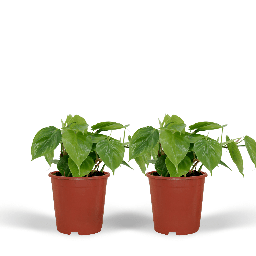
Scandens is especially easy to care for and grows quickly. It also does well in shadier spots.
Philodendron Xanadu (Bushy Philodendron)
This variety grows compactly into a bushy shape. Its large, deeply split leaves form a dense clump. It makes a striking standalone plant in a large room.
Xanadu needs a little more space and light than the climbing Scandens, but it’s also forgiving if you make a care mistake.
Philodendron Brandtianum & Anthurium Mix
Plant sets add variety.
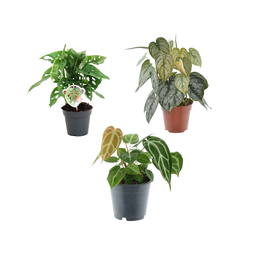
Create a small indoor jungle with this set. The plants have similar care needs and look great together.
Additional advice
High-quality artificial plants are a practical option for hard-to-reach corners or very dark rooms. They look remarkably realistic and need no maintenance.
How do I prune and propagate my plant?
Pruning encourages bushier growth. In spring, trim overly long stems just above a leaf node. Use clean, sharp garden tools.
You can use the cuttings to propagate your plant. Each stem cutting with at least one leaf and one aerial root can grow into a new plant.
Propagation in water or soil
Propagating in water is easy. Place the cutting in a glass of water and change the water weekly. Roots will form after a few weeks.
Then plant the rooted cutting in soil. You can also put cuttings directly into moist seed-starting soil. A clear cover creates a favorable microclimate.
Propagating philodendrons is a wonderful introduction to plant care. Watching them grow is rewarding, and you can give someone a piece of greenery they’ll enjoy for a long time.
What problems can occur?
Pests are uncommon. Spider mites can appear when the air is too dry. Increase the humidity and rinse the plant in the shower. Biological treatments can help with severe infestations.
Scale insects look like brown, hard bumps on leaves and stems. Wipe them off with a cloth soaked in rubbing alcohol.
Identify and correct care mistakes
Brown, crispy leaf edges: The air is too dry. Mist the plant more often.
Yellow, falling leaves: Usually a sign of overwatering. Water less and check the drainage.
Long, thin stems with small leaves: The plant isn’t getting enough light. Move it to a brighter spot.
Pale leaves: Often a sign of nutrient deficiency. Fertilize regularly during the growing season.
Philodendrons Throughout the Year
Spring and summer are the main growing season. Water and fertilize regularly, and check whether your plant needs repotting.
In fall, gradually reduce fertilizing. Water less as the plant's growth slows.
Winter is the dormant period. Do not place the plant directly above a radiator. Mist the leaves to counter dry air, and water only occasionally.
With this simple care routine, your philodendron will thrive for many years. It will add vibrant greenery to your home and improve your indoor climate. Explore the variety of philodendrons and find your favorite.
Frequently Asked Questions
- How often should I water a philodendron?
- Water when the top layer of soil is dry. This means about once a week in summer and every 10-14 days in winter. Waterlogging can cause root rot, so use a pot with drainage holes.
- Where should I place my philodendron?
- Philodendrons prefer bright, indirect light. They can tolerate morning or evening sun, but avoid direct midday sun. They also grow in partial shade, although more slowly. Drafts can harm the plant.
- Are philodendrons toxic to pets?
- Yes. All philodendron species contain calcium oxalate crystals, which can irritate cats, dogs, and people. Keep the plant out of reach. If swallowed, it can cause drooling, vomiting, and difficulty swallowing.
- Why does my philodendron have yellow leaves?
- Yellow leaves are often a sign of overwatering. Check the roots for rot. Too much direct sunlight or a nutrient deficiency may also be the cause. Reduce watering and adjust the plant's location.
- Can I propagate my philodendron?
- Yes, philodendrons are easy to propagate from cuttings. Cut off a shoot with at least one leaf and an aerial root node. Place it in water or plant it directly in moist potting mix. New roots will form quickly in warm, humid conditions.
You might also be interested in
- How to Care for Houseplants: Top Tips for Healthy Indoor Plants
- Monstera Varieties: Beautiful Foliage Plants for Your Home
- Growing Tomatoes: How to Plant, Care for, and Choose Varieties
- Low-Maintenance Houseplants: Create a Green Oasis with Less Effort
- Rubber Plant Care: How to Help Your Ficus elastica Thrive
- Create an Urban Jungle: Houseplants for Your Home