
In brief: A successful vegetable garden starts with good planning. Choose a sunny, sheltered site with deep, loose soil. Opt for companion planting that combines plants such as carrots with onions or tomatoes with basil. These partnerships encourage growth, reduce pests, and improve soil health over the long term.
How do I find the perfect site for my vegetable garden?
Light determines your harvest. Most vegetable plants need at least six hours of full sun each day. Observe your garden. Note where the sun reaches first and where shade falls.
Soil is the second key factor. Feel it. Is it heavy and clayey or sandy and loose? Deep, humus-rich soil stores water and nutrients ideally. Test the pH value with a soil test from the gardening supplies range.
Wind protection safeguards tender shoots. A hedge, fence, or wall breaks cold winds. Watch out for frost pockets. Cold air collects in hollows and can encourage late frosts.
“The best soil preparation is patience. Let the soil rest for two weeks after digging before planting. This allows the soil to settle and microorganisms to recover.”
Improve soil quality before planting
Loosen compacted soil deeply with a digging fork. Then work in mature compost or well-rotted manure. This organic matter improves the structure over the long term.
Avoid waterlogging. On heavy soils, create a drainage layer of gravel or raise the bed slightly. A well-planned irrigation system will save work later.
Expert tip
Plan your vegetable garden in winter. Draw a sketch showing the sun's path and existing structures. This helps you identify the best locations before the season begins.
Why does companion planting work so well?
Companion planting imitates natural plant communities. It relies on diversity instead of monoculture. Different root depths access different soil layers. Tall plants provide shade for shorter ones.
Biological pest control is a major advantage. The strong scents of some herbs confuse harmful insects. Marigolds help combat nematodes in the soil. Nasturtiums attract aphids away from your cabbage plants.
Soil health benefits greatly. Legumes such as beans and peas fix nitrogen from the air. Deep-rooted plants such as parsnips loosen the subsoil. The soil stays alive and fertile.
Proven plant partnerships for your garden bed
Include these combinations in your plan:
- Carrots and onions: The smell of onions keeps carrot flies away. The carrots, in turn, help protect against onion flies.
- Tomatoes, basil, and bush beans: Basil improves the flavor of tomatoes. Beans enrich the soil with nitrogen.
- Cabbage with celery and dill: Dill attracts beneficial insects. Celery may deter cabbage white butterflies.
- Radishes between lettuce: Radishes grow quickly and mark the row. They use the space until the lettuce grows larger.
Important note
Avoid poor plant combinations. Do not plant peas and beans next to onions or leeks. Potatoes and tomatoes are both members of the nightshade family and can promote common diseases such as blight.
How do I design my garden beds practically?
The size and shape of a bed should make it easy to access. A classic bed is 1.20 meters wide. This allows you to comfortably reach the center from both sides. The length depends on the space available.
Paths between beds should be at least 30 centimeters wide. Use bark mulch, gravel, or compacted soil. This allows you to work with dry feet even in wet weather.
Raised beds offer many advantages. They warm up faster in spring, are easier on your back, and protect against voles. A sturdy raised bed made of wood is a durable solution.
“Don't forget the vertical space. Use trellises for beans and cucumbers and espalier supports for tomatoes. They save space, improve ventilation, and make harvesting easier.”
Make gardening easier with smart planning
Place crops you use frequently, such as lettuce and herbs, close to the house. Slow-growing varieties such as Brussels sprouts can be planted farther away.
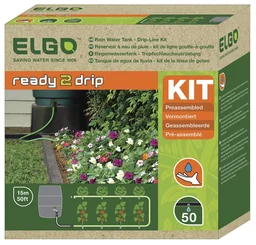
Think about irrigation. Install drip hoses or a rain barrel system during the planning stage. This saves time and water.
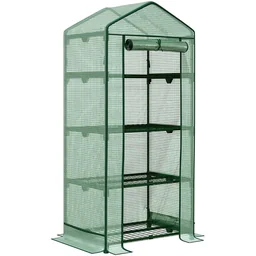
Plan for protection against extreme weather. A
Additional advice
Record your plantings in a garden journal. Document locations, varieties, and yields. These records are valuable when planning the next season and help you avoid mistakes.
Which crop rotation protects my soil?
Crop rotation prevents the soil from being depleted unevenly. It breaks pest and disease cycles. Divide your vegetables into three groups: heavy feeders, medium feeders, and light feeders.
Heavy feeders such as cabbage, tomatoes, potatoes, and squash need plenty of nutrients. Plant them in beds freshly enriched with compost. The following year, plant medium feeders such as lettuce, onions, and carrots.
Light feeders such as beans, peas, and herbs complete the rotation. They return nutrients to the soil, especially nitrogen. Then the cycle begins again with green manure or more compost.
Example of a 4-year crop rotation for one bed
- Year 1 (heavy feeders): Tomatoes, cabbage, celery. Apply plenty of compost in spring.
- Year 2 (medium feeders): Onions, carrots, lettuce. Apply a light amount of compost or horn meal.
- Year 3 (light feeders): Bush beans, peas, radishes. No additional fertilization is needed.
- Year 4 (soil recovery): Green manure with phacelia or lupins. Alternatively, leave the bed fallow.
This rotation keeps your garden soil healthy and productive. It significantly reduces the need for mineral fertilizer.
How do I get started with putting my plan into practice?
Start small. One or two well-planned beds are more enjoyable than an overwhelming project that is too large. Choose vegetables you enjoy eating and that grow well in your region.
Prepare the soil as described. Mark out the bed edges and paths with string. Work precisely. A neatly cut bed edge not only looks good, it also makes mowing easier.
Plant out your young plants or sow the seeds according to your companion planting plan. Make sure you use the correct spacing. Plants that are too close together compete for light, water and nutrients.
Helpful products for getting started
For controlled propagation and to get the season started early, a is ideal. It protects young plants from late frosts.
Efficient watering directly at the roots saves water. A delivers collected rainwater directly to your plants.
High-quality garden tools make the work easier and more precise. Invest in sharp secateurs, a sturdy digging fork and a good watering can.
With this well-founded plan, you lay the groundwork for a productive and healthy vegetable garden. Observe your plants, learn more each year and enjoy your own harvest.
Frequently asked questions
- What is the ideal location for a vegetable bed?
- The ideal location is a spot in full sun with at least 6 hours of direct sunlight each day. The soil should be deep, loose and rich in humus. A sheltered area, such as in front of a wall or hedge, protects delicate plants. Avoid waterlogged areas and check the soil quality before planting.
- What are the benefits of companion planting in a vegetable bed?
- Companion planting makes use of positive interactions between plants. It suppresses weeds, naturally reduces pest infestations and improves soil structure. Plants exchange nutrients and shade the soil, which reduces water evaporation. This increases yields and promotes biodiversity.
- Which vegetables grow well together in companion planting?
- Classic combinations include carrots and onions, as they protect each other from pests. Tomatoes grow well with basil and bush beans. Lettuce thrives between kohlrabi or leeks. Avoid unsuitable combinations such as peas next to onions or potatoes next to tomatoes.
- How do I plan crop rotation in a vegetable bed?
- Divide your plants into heavy, medium and light feeders. In the first year, plant heavy feeders such as cabbage or tomatoes. The following year, plant medium feeders such as lettuce or onions, followed by light feeders such as beans or herbs. This prevents nutrient depletion and helps avoid soil fatigue.
- Do I need special tools to create a vegetable bed?
- Basic equipment includes a digging fork for loosening the soil, a spade for cutting the edges and a rake for levelling. For precise work, a dibber and a cultivator are useful. Raised beds make gardening easier and are kinder to your back. You can find suitable tools in our garden range.
You may also be interested in
- Plan Your Vegetable Garden: Your Path to a Successful Bed
- Raised Beds: Crop Rotation & Companion Planting for Maximum Harvests
- The Basics of Bed Design: Ground Rules for Beginners
- Planting Herbs Together: Which Neighbours Grow Well in the Bed?
- Companion Planting: Successful Gardening Without Chemicals
- Creating and Maintaining Vegetable Beds: The Ultimate Guide