
In brief: Harvesting your own grapes is easier than you might think. Success depends on three factors: a sunny, well-ventilated location, the right grape variety for your garden and consistent pruning. Table grapes need less space than grapevines grown for juice or wine production. With the right care in terms of water, nutrients and protection from fungal diseases, you can enjoy your first harvest after just two to three years.
Harvesting your own grapes—is it worth the effort?
The idea of picking sweet grapes in your own garden may seem luxurious. In reality, growing grapes is not particularly complicated. Grapevines are robust and long-lived. Once established, they provide reliable harvests for many years.
The key lies in choosing the right variety and planning the location carefully. We show you how to get started successfully. You can find the basics for your own small-scale grape growing project in our extensive range of garden and outdoor products.
The appeal of growing your own
Fresh table grapes picked straight from the vine taste more intense than store-bought fruit. You can harvest them at the ideal stage of ripeness. You also decide for yourself whether to use plant protection products.
Grapevines are also decorative climbing plants. They cover trellises, pergolas or house walls with greenery and provide privacy. Your success in growing fruit starts with one decision.
Which grape variety is right for my garden?
Choosing the variety is the most important decision. It determines the flavour, vigour and level of care required. Table grapes for eating fresh are the first choice for hobby gardeners.
“When choosing table grapes, look for seedlessness, fungal resistance and flavour. Modern varieties such as 'Vanessa' and 'Nero' combine many of these positive qualities.”
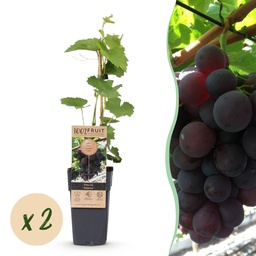
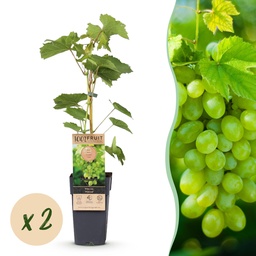
Wine grapes or table grapes?
For making juice or wine, you need special wine grape varieties. These are often more susceptible to disease and require more pruning. Table grapes are optimised for snack gardens.
Expert tip
Always buy grafted grapevines from a nursery. The rootstock provides strong roots and protects against phylloxera. Two plants ensure pollination and increase the yield.
How do I find the perfect location?
Grapevines love the sun. They need at least six hours of full sun every day. A spot in front of a south-facing wall is ideal.
Good air circulation is just as important as sunlight. It helps prevent fungal diseases such as powdery mildew. Therefore, do not plant the vine in an enclosed corner. The right garden equipment can help with the design.
The right soil for strong growth
The soil should be well-drained and rich in nutrients. Heavy, waterlogged soils can be fatal. Loosen compacted soil thoroughly and mix in sand.
A drainage layer of gravel at the bottom of the planting hole helps in heavy soils. You can find suitable products for optimum nutrient supply in the plant fertiliser section.
How do I plant a grapevine correctly?
Planting lays the foundation for healthy growth. Dig a generous hole twice as wide and deep as the root ball. Plant the vine at the same depth as it was in the container.
Important note
The graft union must always remain well above the soil. If you cover it with soil, the scion variety can develop its own roots and lose its protection against phylloxera.
Fill the hole with a mixture of excavated soil and compost. Firm the soil down gently and create a watering rim. Watering thoroughly is essential now. A good watering aid is a garden hose from our range.
Install supports and trellises immediately
The young vine needs a stable trellis straight away. A sturdy wooden or metal trellis provides support. Loosely tie the main shoot with coconut fibre twine.
offers a simple and effective trellis for getting started. Without guidance, the vine will grow uncontrollably. Plan the climbing structure before planting.
What does proper grapevine pruning involve?
Pruning is the most important care measure. It regulates the yield and keeps the plant healthy. Without pruning, the vine quickly becomes overgrown and produces only small bunches of grapes.
“Winter pruning of grapevines follows a simple rule: cut away everything you do not want to keep from the previous year. What remains are the fruiting canes with the buds that will produce the new year's growth.”
In late winter, cut the one-year-old shoots back to two or three buds. These are the swollen buds on the older wood. Use sharp, clean tools from the garden tools category.
Additional advice
Do not be afraid to prune hard. A heavily pruned vine directs its energy into a few strong new shoots and large bunches of grapes. Pruning too lightly results in many weak shoots.
Summer pruning for healthy fruit
In June or July, remove excess water shoots. These are shoots without flower clusters that grow from the old wood. Also remove some of the leaves around the grapes.
This promotes ripening and air circulation. Make sure not to expose the grapes to the intense midday sun. Use sharp secateurs for this detailed work.
How do I water and fertilise my grapevine?
Young grapevines need regular watering until they are deeply rooted. After that, the plant needs less water. Water thoroughly but infrequently.
Avoid waterlogging at all costs. A layer of grass clippings as mulch helps retain moisture. In spring, fertilise with a balanced complete fertiliser or compost.
Over-fertilising, especially with nitrogen, makes the shoots soft and susceptible to disease. Product is a suitable organic fertiliser for your fruit plants.
The right time for water and nutrients
Apply the main fertiliser once in April. A light additional application in June is possible. Stop fertilising from July onwards so that the shoots can mature before winter.
Reduce watering before harvesting to increase the sugar content of the grapes. Too much water shortly before harvest dilutes the flavour.
How do I protect my harvest from diseases?
Powdery mildew and downy mildew are the most common fungal diseases. Prevention is the best protection. Plant your grapevine in a well-ventilated location and prune it sufficiently.
Remove affected parts of the plant immediately. Specialist retailers stock biological sprays based on sulphur or clay minerals. You can find information about environmentally friendly solutions under Plant protection.
Recognising pests on grapevines
Phylloxera only attacks the roots, not grafted plants. Aphids can be removed with a strong jet of water. Birds love ripening grapes.
Netting provides effective protection for your harvest. Special bird protection netting from the Tarpaulins and nets section is the solution here.
When and how do I harvest my grapes?
Depending on the variety, the harvest season begins in September and continues into October. Ripe grapes develop their characteristic colour and the stems become slightly woody.
Taste a grape. It should be sweet, without any harsh acidity. Cut off the entire bunches with scissors to avoid damaging the natural protective coating.
Expert tip
Harvest on a dry, sunny morning. This is when the grapes are most aromatic. Store fresh table grapes unwashed in a cool cellar or in the vegetable drawer of your refrigerator. This way, they will keep for several weeks.
Storing and using your harvest
Fresh grapes are best. However, you can also freeze them or make them into juice, jelly or raisins. For the latter, you need seedless varieties and plenty of patience.
A plentiful harvest is the reward for your hard work. Each year, you will become more confident in caring for your grapevine and the yields will increase.
How do I overwinter my grapevine?
Hardy grapevines planted in the ground need hardly any protection in our climate. A layer of leaves or brushwood around the root area does no harm. Place potted plants against a sheltered house wall.
Wrap the pot with bubble wrap or garden fleece. Carry out winter pruning in late winter, as already described.
With these steps, there is nothing standing in the way of a successful grape harvest. Start planning for the next planting season now.
Frequently Asked Questions
- Which grape variety is suitable for beginners?
- Grape varieties that are resistant to fungal diseases and seedless table grapes are ideal for beginners. Varieties such as 'Vanessa' (blue) or 'Himrod' (white, seedless) are robust, productive and delicious straight from the vine. They also tolerate minor care mistakes. It is important to choose a grafted plant from a nursery that is suited to our climate.
- When is the best time to plant grapevines?
- The ideal time is spring, after the last late frosts, approximately from mid-April to the end of May. Container-grown plants can be planted until early autumn. Planting in spring gives the grapevine a long growing season to establish itself. Plant on a cloudy day that is not too hot and water thoroughly afterwards.
- How often do I need to prune my grapevine?
- Prune grapevines twice a year. The main pruning takes place in late winter (February/March), when there is no severe frost. Cut the one-year-old shoots back to 2-3 buds. In summer, remove excess water shoots and surplus shoots so that the plant's energy flows into the fruit.
- Why are my young grapes falling off or splitting?
- Fallen fruit is often a sign of drought stress or nutrient deficiency during flowering. Grapes that split shortly before harvest indicate irregular watering – a dry spell followed by heavy rain or excessive watering. Consistent soil moisture and a sunny, airy location that allows the plant to dry quickly after rain help prevent this.
- Can I grow grapes in a pot on my balcony?
- Yes, this is possible. Choose a large pot (at least 30 litres), a low-vigour rootstock and a trellis or columnar form. Container-grown plants need more regular watering and fertilising. Protect the pot from severe frost in winter. Varieties such as 'Vanessa' are well suited to growing in containers.
You may also be interested in
- Planting, caring for and harvesting pumpkins: The ultimate guide
- Planting and harvesting potatoes: The path to success
- Planting and caring for cherry trees: A sweet harvest in your own garden
- Protecting grapes: Effective methods to keep wasps away
- Build your own raised bed – step by step to your own harvest
- Planting and caring for lilacs