
In brief: Plant bush tomatoes outdoors from mid-May, after the last frosts, in a sunny, sheltered spot. Use high-quality, nutrient-rich potting soil and plant the young plants deeply. Keep the soil evenly moist and feed regularly with a tomato fertiliser rich in potassium. There is no need to remove side shoots from these naturally bushy varieties.
Planting and Caring for Bush Tomatoes for a Rich Harvest
Bush tomatoes are easy-going all-rounders for every garden. They grow in a compact, bushy shape, need no elaborate support and reliably produce plenty of fruit. With the right care, you can harvest tomatoes throughout the summer.
Why bush tomatoes are the ideal choice for beginners
Unlike cordon tomatoes, bush tomatoes grow compactly and bushily. They naturally produce a terminal flower cluster, which causes the main stem to stop growing. The plant branches out extensively. This makes pinching out, or removing side shoots, unnecessary.
This saves you time and effort. Bush tomatoes are perfect for smaller gardens, balconies and even growing in large containers. The wide range of varieties includes classic red as well as yellow and orange fruit.
Expert tip
For your first attempt, choose robust, disease-tolerant varieties such as 'Primabell' or 'Philovita'. They are less susceptible to the dreaded late blight and are more forgiving of care mistakes.
How do I find the perfect location for my tomatoes?
Tomatoes love the sun. Choose a warm, sheltered spot in full sun. At least six hours of direct sunlight per day is ideal. The warmth promotes growth and helps the flavours develop.
Protect the plants from heavy rain. A spot against a south-facing house wall or beneath a protective canopy is perfect. Alternatively, you can stretch a simple roof made from horticultural fleece or sheeting over the plants.
Soil quality determines the yield
The soil should be loose, deep and rich in nutrients. Improve heavy, clay soils with sand and mature compost. Tomatoes are heavy feeders, so prepare the planting hole with a generous amount of compost or well-rotted manure.
When growing tomatoes in containers, use only high-quality vegetable or tomato compost. It is ideally suited to their nutrient requirements. Standard potting compost is often too heavily fertilised and contains too much nitrogen, which encourages leaf growth at the expense of fruit.
“Tomatoes need deep, humus-rich soil. Green manure with legumes in the previous year or incorporating well-rotted farmyard manure creates the best foundation for a rich harvest.”
When and how should I plant bush tomatoes correctly?
Timing is crucial. Plant bush tomatoes outdoors only after the last frosts, in mid-May. Before then, night frosts could destroy the young plants. You can buy young plants that have been started in a greenhouse or grow your own from March onwards on a windowsill.
Important note
Always harden off young plants that you have grown yourself or bought. Place them outdoors in a sheltered spot during the day for one week and bring them indoors at night. This helps them acclimatise to stronger sunlight and cooler temperatures.
The right planting technique for strong roots
Dig a planting hole twice as wide and deep as the root ball. Plant the tomato very deeply. You can bury the stem up to just below the first leaves.
Additional adventitious roots will form along the buried part of the stem. This increases the root system and makes the plant more stable and more resistant to drought. Fill the hole with soil and firm it down.
Water thoroughly after planting using a gentle spray. A watering can is ideal, and you should avoid splashing soil onto the plant. A mulch of straw or grass clippings around the plant retains moisture in the soil and suppresses weeds.
How do I care for bush tomatoes during the growing season?
Watering: the key to healthy fruit
Tomatoes need consistent soil moisture. Water regularly and thoroughly, especially during dry periods. Allow the top layer of soil to dry out slightly between waterings.
Always water in the morning and directly around the roots. The leaves should remain dry. Wet leaves encourage the spread of fungal diseases. Drip irrigation or an upturned clay pot sunk into the soil are efficient methods.
Additional advice
Rainwater is ideal for watering tomatoes. It is softer than tap water and is often at a more suitable temperature. Collect it in a water butt or another water collection system.
Feeding: energy for the fruit
Bush tomatoes have high nutrient requirements. Feed them for the first time two weeks after planting out. Use an organic or mineral tomato fertiliser with a high potassium content (K). Potassium is essential for fruit formation, flavour and firm skins.
Nitrogen-rich fertilisers such as lawn fertiliser are unsuitable. They encourage lush leaf growth at the expense of flowers and fruit. You can find a selection of suitable plant fertilisers in our shop.
“Organic fertilisers such as compost, horn shavings or nettle feed work slowly and gently. They supply the plant continuously while also improving the soil structure for the following years.”
How do I protect my tomatoes from diseases and pests?
The greatest threat to tomatoes is late blight (Phytophthora infestans). This fungus affects leaves and fruit in warm, humid weather. Prevention is the best protection.
Keep the leaves dry. If the plants become infected, remove all affected plant parts immediately and dispose of them with household waste, not in the compost. Regularly changing the growing area in the garden helps prevent soil exhaustion and the build-up of pathogens.
Natural enemies such as ladybirds are often enough to control aphids. If the infestation is more severe, spray with a mild soap solution or nettle tea. Also look out for whitefly, especially on greenhouse tomatoes. Yellow sticky traps can help control them.
The harvest: When are bush tomatoes ripe?
Harvest bush tomatoes when they are fully coloured and slightly soft to the touch. They will then come away from the bush easily with the stem attached. Cut or gently twist off the fruit to avoid damaging the plant.
Harvest regularly throughout the season. This encourages the plant to produce new flowers and fruit. It is best not to store ripe tomatoes in the fridge, as they lose their flavour there. A cool, dark cellar is ideal.
A practical tool such as our
is ideal for harvesting. The harvest basket protects the delicate fruit from bruising and makes collecting them easy.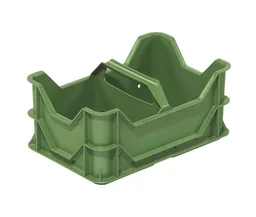
Using and storing fresh tomatoes
Fresh bush tomatoes taste best straight from the plant. They are excellent in salads, sauces and soups, or simply sliced on bread. You can freeze, preserve or turn any surplus tomatoes into pesto.
Green, unripe tomatoes harvested before the first frost can be ripened indoors. Place them in a paper bag together with an apple. The ethylene released by the apple speeds up the ripening process.
With these steps, nothing stands in the way of a successful harvest of your own bush tomatoes. Growing your own is well worth it for the incomparable taste of freshly picked fruit from your garden.
Frequently asked questions
- When is the best time to plant bush tomatoes?
- Plant bush tomatoes outdoors only after the last frosts in mid-May. Tomatoes are sensitive to frost. Before then, grow the plants on a bright, warm windowsill or buy young plants. Gradually harden them off to outdoor temperatures.
- Do bush tomatoes need support, or do they need side shoots removed?
- No, that is the main advantage of bush tomatoes. They grow in a compact, bushy form, so there is no need to remove side shoots. A low support can be useful when the plant is carrying a heavy crop, helping to prevent the stems from splitting.
- How often should I water my bush tomatoes?
- Water bush tomatoes regularly and evenly. The soil should never dry out completely, but it should not become waterlogged either. It is best to water at the base in the morning without wetting the leaves. This helps prevent fungal diseases such as blight.
- Which fertiliser is suitable for bush tomatoes?
- Use a special tomato fertiliser with a high potassium content. Potassium promotes fruit production and flavour development. Organic fertilisers such as compost or horn shavings are suitable for basic nourishment. Feed every one to two weeks after flowering begins.
- Can I grow bush tomatoes in containers on a balcony?
- Yes, bush tomatoes are very well suited to growing in large containers. Choose a pot with a capacity of at least 15 litres and good drainage. Use high-quality container compost and water and feed regularly, as nutrients are used up more quickly in a limited space.
You may also be interested in
- Planting tomatoes like a pro: location, care and a plentiful harvest
- Planting tomatoes: Your step-by-step guide to success
- Growing cordon tomatoes: How to achieve a plentiful garden harvest
- How to plant and care for basil properly – Enjoy a plentiful harvest
- How to prune tomatoes properly for a plentiful garden harvest
- Growing tomatoes: The complete guide from sowing to harvest