
In brief: Plant herbs together to save space, deter pests and enhance flavour. Good neighbours have similar soil, water and light requirements. Basil and tomatoes protect each other. Mediterranean herbs such as rosemary, thyme and sage tolerate dry conditions. Plant mint separately because it spreads aggressively. Plan your bed according to height and growth habit.
Planting herbs together: Good neighbours in the herb bed
An herb bed provides fresh seasoning for the kitchen. The right combination of plants determines success. Companion planting uses positive interactions between herbs. It saves space, reduces pests and increases the harvest.
Plan your bed before planting. Consider light, soil and water requirements. Mediterranean herbs tolerate dry conditions. Native species need more moisture. Keep these groups separate.
Heavy feeders such as basil need nutrient-rich soil. Light feeders such as thyme thrive in poor substrate. Adjust the soil conditions accordingly. Good planning prevents problems later.
How do I create a companion-planted herb bed?
Choose a sunny location for most herbs. At least six hours of sunlight per day is ideal. Parsley, chives and mint tolerate partial shade. The soil must be well drained.
Loosen the soil thoroughly. Remove stones and weed roots. If necessary, work in sand to improve drainage. Improve heavy clay soils with compost.
Mark the planting spots according to the plants' growth width. Place tall-growing herbs such as lovage in the centre or at the edge of the bed. Plant low-growing cushions such as thyme at the front. This ensures all plants receive light.
Pro tip
Draw a planting plan on paper. Use circles to show the growth width. Leave gaps for harvesting. This helps you keep track and prevents overcrowded beds.
Preparing the soil properly
Test your soil's pH level. Most herbs prefer neutral to slightly alkaline soil. You can find suitable plant and flower fertilisers in our range. Avoid fresh manure fertilisers for herbs.
Mix some compost into the soil when planting. This encourages healthy establishment. Use special herb soil for Mediterranean herbs. It is leaner and better drained.
A mulch layer of gravel or grit suppresses weeds. It stores heat and protects against splashing water. This helps prevent fungal diseases. Mulch after watering the plants.
Which herbs grow well together? The best companion plants
Good neighbours support each other's growth. They deter pests or improve flavour. Bad neighbours compete for nutrients or inhibit each other.
“Root exudates from some herbs act like a natural shield for their neighbours. Nasturtiums, for example, drive aphids away from nearby plants.”
Classic Mediterranean herb combinations
Rosemary, thyme, sage and oregano have similar requirements. They love full sun and dry, well-drained soil. Water this group only moderately. Plant them together in one bed.
Lavender is the perfect addition to this group. Its essential oils deter pests. The scent also protects neighbouring roses. Choose hardy varieties for years of enjoyment.
: Our winter savory is an ideal partner. It is perennial and hardy. Its peppery flavour pairs well with bean dishes and grilled meat. Plant it with thyme.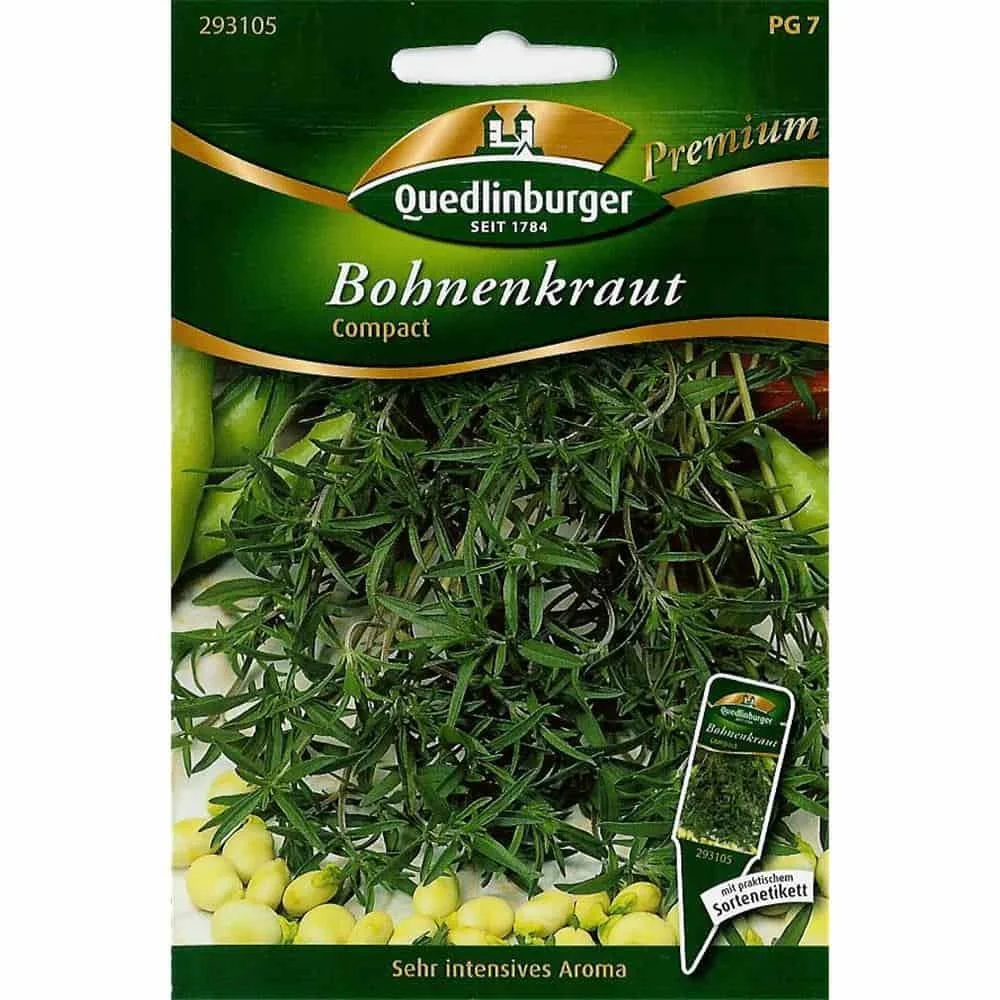
Culinary herbs for wetter locations
Parsley, chives, chervil and dill tolerate more moisture. They thrive in partial shade. This group is suitable for beds with humus-rich, consistently moist soil.
Chives can improve soil structure with their roots. Their flowers attract beneficial insects. Parsley and chervil are annuals. Sow them again each year.
Avoid combining them with Mediterranean herbs. The different water requirements stress the plants. Either some will dry out or the others will rot.
Important note
Always plant mint on its own in a pot. It produces underground runners and takes over every bed. Even a plastic root barrier often cannot stop it. The pot protects your other herbs.
Why does companion planting work for herbs?
Companion planting imitates natural plant communities. The species support each other. They use different soil layers. Deep-rooted plants such as borage loosen the subsoil.
Shallow-rooted plants such as parsley cover the surface. This protects the soil from drying out. The different plant heights create a good microclimate. Low-growing plants shade the soil.
Essential oils act as biological plant protection. Lavender and thyme deter slugs. Sage keeps cabbage white butterflies away. They reduce the use of plant protection products.
Using positive interactions
Basil protects tomato plants from powdery mildew and whiteflies. Plant a few basil plants in your vegetable bed. The herbs benefit from growing near each other.
Borage promotes the growth of strawberries and squash. Bees are particularly fond of its flowers. More pollination means higher yields throughout the garden.
Marigolds disinfect the soil. Their roots combat nematodes. Plant them around the edge of your herb bed. They serve as a living barrier against pests.
“The biggest mistakes in companion planting are overambition and impatience. Too many species in too little space create stress. Start with three or four tried-and-tested combinations and observe them.”
Practical tips for caring for your companion planting herb bed
Water according to the needs of each group of plants. Use a watering can without a rose attachment. Water directly at the roots. This keeps the leaves dry and healthy.
Fertilise sparingly. Herbs grown together need fewer nutrients. Applying compost in spring is often enough. If necessary, use an organic liquid fertiliser.
Harvest regularly. This encourages bushy growth. Always cut off entire stems. Do not just pick individual leaves. This keeps the plant stable.
Additional advice
Label your herbs. Young plants are particularly easy to mix up when grown together. Slate stones or wooden sticks with labels can help. This way, you always know what is growing where.
Combinations for balconies and patios
Companion planting also works in containers.
and : Our balcony herb beds on legs provide ideal growing conditions. Their height makes them easier to care for. Choose from anthracite or grey.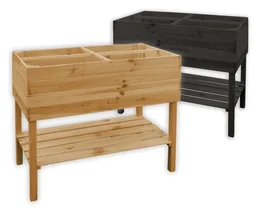
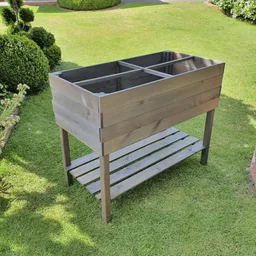
Fill the planters with high-quality herb compost. Add a drainage layer of expanded clay. This prevents waterlogging. In a sunny planter, combine rosemary, thyme and sage.
A partially shaded planter is suitable for parsley, chives and salad burnet. Do not plant too closely together. The roots need room. Container-grown herbs need watering more often than herbs planted in beds.
Discover suitable containers and garden + plant accessories for your projects. From watering supplies to bed edging, you will find everything you need from us.
Common mistakes when planting herbs together
The most common mistake is grouping the wrong plants together. Parsley will not thrive next to rosemary. Pay close attention to each plant's needs. Keep drought-tolerant herbs separate from moisture-loving varieties.
Planting too closely encourages fungal diseases such as powdery mildew. Follow the recommended spacing. Thin out the plants if they start touching. Good air circulation is essential.
Do not forget to consider how vigorously each plant grows. Lemon balm can crowd out other herbs. Plant it 50 centimetres away from neighbouring plants. Control its growth by pruning it back.
Solutions to problems in companion planting
Check your plants every week. Yellow leaves can indicate a nutrient deficiency or waterlogging. Loosen the soil if it is too wet. If the plants show signs of deficiency, apply an organic fertiliser.
Act quickly if pests appear. Spray affected plants with a strong jet of water. Introduce beneficial insects such as ladybirds to control aphids. Chemical treatments should be the last resort.
Record your observations in a garden journal. Which combinations work? Which ones do not? This knowledge will help you next year. Practical experience is the best teacher.
With these tips, you can create a productive and healthy herb bed. Good companion plants make all the difference. Try out different combinations. Your garden will thank you.
Frequently Asked Questions
- Can I plant basil and parsley together?
- Basil and parsley are not ideal companion plants. Basil needs full sun and moderate watering. Parsley prefers partially shaded locations and consistent moisture. Their different requirements can cause problems. It is better to plant basil with sun-loving herbs such as rosemary or oregano. Parsley grows well with chives or chervil.
- Which herbs should never be planted next to each other?
- Avoid combining vigorous growers with weaker herbs. Mint can overwhelm almost all neighbouring plants through its spreading runners. Always plant it in a separate pot. Dill and fennel inhibit the growth of many other herbs. Tarragon is not compatible with every variety. Monitor your plants and separate competing herbs if necessary.
- How much space do herbs need when grown together?
- Follow the recommended planting distance for each variety. For bushy herbs such as sage, 30 centimetres is a sensible spacing. Low-growing plants such as thyme need 20 centimetres. Allow for the plant's final spread. Planting too closely encourages fungal diseases. You can fill gaps with fast-growing annual herbs such as garden cress.
- Does companion planting work in a window box?
- Yes, companion planting also works in window boxes. Choose herbs with similar requirements. A sunny window box can contain thyme, rosemary and oregano. A partially shaded window box is suitable for parsley, chives and chervil. Make sure the planters are large enough and have good drainage. Avoid planting too many different varieties in a small space.
- Does companion planting really improve the flavour of herbs?
- Yes, certain combinations can intensify their aroma. Basil planted next to tomatoes develops a more pronounced flavour. Borage has a positive effect on the growth of neighbouring herbs. Interactions between root exudates and essential oils can affect flavour. A healthy, sheltered bed produces stronger aromas than stressed individual plants.
You may also be interested in
- Growing herbs: Your guide to creating your own herb garden
- Companion planting: Successful gardening without chemicals
- Build a raised herb bed: Instructions, filling & best herbs
- Planting blueberries: These companion plants are unsuitable
- Create a herb garden: Fragrant variety for balconies & gardens
- Companion planting for peppers: Good and bad plant partners