
In brief: Ideally, install a pond protection net from late September to early October, before heavy leaf fall begins. This prevents leaves from entering the water, decomposing and affecting water quality over winter. It effectively helps prevent oxygen deficiency and algal blooms in spring.
Autumn bathes the garden in golden colours. But for pond owners, it marks the start of a critical period. Falling leaves may look picturesque on land, but in a garden pond they quickly become a serious threat to the biological balance. A simple yet highly effective solution can protect your pond: a pond protection net.
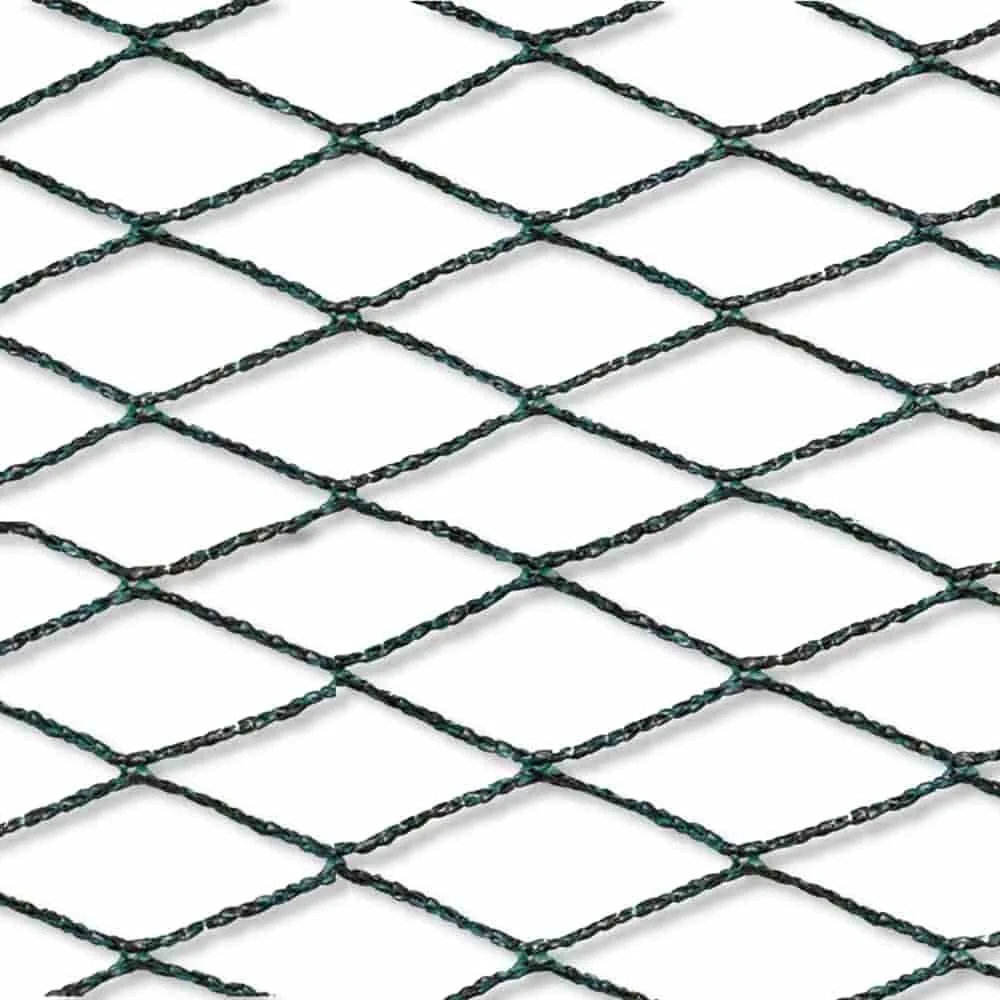
A thick layer of leaves, needles and small branches on the pond floor leads to decomposition processes that consume oxygen and release nutrients. The result is poor water quality, stressed fish and an explosive algal bloom in spring. With a suitable net, such as the pond protection net 5 m x 6 m (), you can catch organic debris before it causes damage. This saves you from extensive cleaning work and helps protect the health of your pond ecosystem.
Why are autumn leaves so harmful to your garden pond?
Autumn leaves are more than just a visual nuisance. As soon as they sink to the bottom of your pond, they start a decomposition process that significantly disrupts the water chemistry and puts pond life at risk.
The decomposition process and its consequences
Microorganisms such as bacteria and fungi immediately begin breaking down the organic matter. This process consumes large amounts of oxygen. Especially in winter, when a layer of ice prevents gas exchange with the atmosphere, the oxygen level in the water can fall to a critical level for fish and other aquatic life. Fish deaths in spring are often the direct consequence of excessive leaf build-up in autumn.
Rotten gases and the danger to fish
A thick layer of sludge forms on the pond floor from the rotting leaves. Under anaerobic conditions, meaning without oxygen, toxic gases such as hydrogen sulphide and methane are produced during decomposition. These gases are highly toxic to fish. Beneath a sealed layer of ice, they cannot escape and accumulate in the water, causing poisoning among the pond inhabitants.
Prevention in autumn is the decisive factor in maintaining a healthy pond the following year. A net prevents nutrients from accumulating on the pond floor and is therefore the most effective measure against the dreaded spring algal bloom.
Preventing an algal bloom in spring
Rotting leaves release significant amounts of nutrients, particularly phosphates and nitrates. These substances act as fertiliser for algae. Little happens initially in the cold winter water, but as soon as the first warm rays of spring sunshine heat the water, algae find ideal growing conditions. The result is a massive algal bloom that turns the water green and cloudy and disrupts the balance once again. A pond net is therefore a direct investment in clear water in spring.
When is the perfect time to cover the pond?
Getting the timing right is crucial for success. If you install the net too early, you may have to remove it again for maintenance work. If you install it too late, a large amount of leaves may already have entered the pond and the protective effect will be lost.
The ideal time to install a pond net is between late September and mid-October. Observe the trees in your area. As soon as significant leaf fall begins and the leaves start to change colour intensely, it is time to act. Do not wait until the first autumn storms have stripped the trees bare. The aim is to protect the pond before the main fall of leaves begins.
Additional advice
Carry out one final thorough pond cleaning before installing the net. Use a pond skimmer to remove leaves that have already fallen, clear out blanket weed and cut back heavily overgrown pond plants. This allows you to start the cold season with a clean pond.
The net should then remain on the pond throughout autumn, usually until late November or early December, when all the trees in the area are bare. You can then decide whether to remove it for winter or leave it in place as additional protection.
How do you install a pond protection net correctly?
Correct installation ensures that the net works effectively and lasts for years. Your pond can be securely covered in just a few simple steps.
Preparing the pond
Prepare the edge of the pond before laying out the net. Remove loose stones or sharp objects that could damage it. Make sure the ground around the pond is firm enough to anchor the supplied ground pegs securely. For a liner pond without soil around the edge, you will need to use alternative fixing points such as heavy stones or slabs.
Stretching the net: step by step
First, loosely spread the net over the entire water surface. Start at one corner and secure the first ground peg. Then work systematically around the pond. Stretch the net as tightly as possible. It must never rest on the water surface or sag. A sagging net collects wet leaves in a depression, promoting decomposition directly above the water and washing nutrients into it.
Pro tip
To prevent sagging over larger ponds, you can place floats, such as balls or special pond floats, under the net. Alternatively, stretch a line across the pond for the net to rest on. This creates a slight dome shape, allowing leaves and rainwater to slide off more easily.
Fastening and securing
Most protection nets are supplied with a sufficient number of ground pegs. Insert them into the ground at intervals of about one metre around the pond. Feed the net's edge cord through the hooks on the pegs and tighten it. Check the net again after a few days and retighten it if necessary, as the material may stretch slightly at first.
What should you look for when buying a pond net?
Not all nets are the same. The right size, suitable material and a fine mesh size are essential for effective, long-lasting protection.
Determining the right size
Measure the longest and widest points of your pond. Add at least one metre to both measurements. This overhang is necessary to secure the net safely at the edge of the pond without putting it under too much tension. The pond protection net 5 m x 6 m () is ideal for medium-sized garden ponds with its 30 m² coverage.
Material and mesh size
Choose weather-resistant and UV-stable material such as polyethylene (PE). This ensures that the net does not become brittle after just one season. The mesh size is also a critical factor. A mesh size of approx. 20 x 20 mm is ideal. It is fine enough to keep out even small leaves and pine needles, while still allowing sufficient light and air to reach the water surface. This mesh size also keeps herons and cats away.
Important note
Avoid cheap, non-UV-stabilised nets. Sunlight quickly breaks down the material, making it brittle and causing it to tear even under light loads. Investing in a quality product pays off through a significantly longer service life.
Pond net in winter: protection from more than just leaves?
Once the leaves have finished falling, the pond net has fulfilled its main purpose. Nevertheless, it can be useful to leave it on the pond over winter, as it offers further benefits.
Protection from herons and cats
Especially in winter, when natural food is scarce, grey herons pose a serious threat to your pond fish. As the fish become sluggish in cold water, they are easy prey. A tightly stretched net forms an impassable barrier for the birds and reliably protects your fish. It also effectively keeps away cats that like to lie in wait at the edge of the pond.
A pond net is a multifunctional protective measure. In autumn, it keeps leaves out; in winter, it protects against predators. It is one of the simplest and most cost-effective ways to support pond health all year round.
The net as a snow guard
A thick, closed layer of snow on the ice can completely block out light. This stops photosynthesis in underwater plants, meaning they can no longer produce oxygen. A net catches some of the snow and ensures that at least some light can still reach the water. However, during very heavy, wet snowfall, you should regularly remove the weight from the net to prevent it from tearing or sagging heavily.
Additional autumn care for your garden
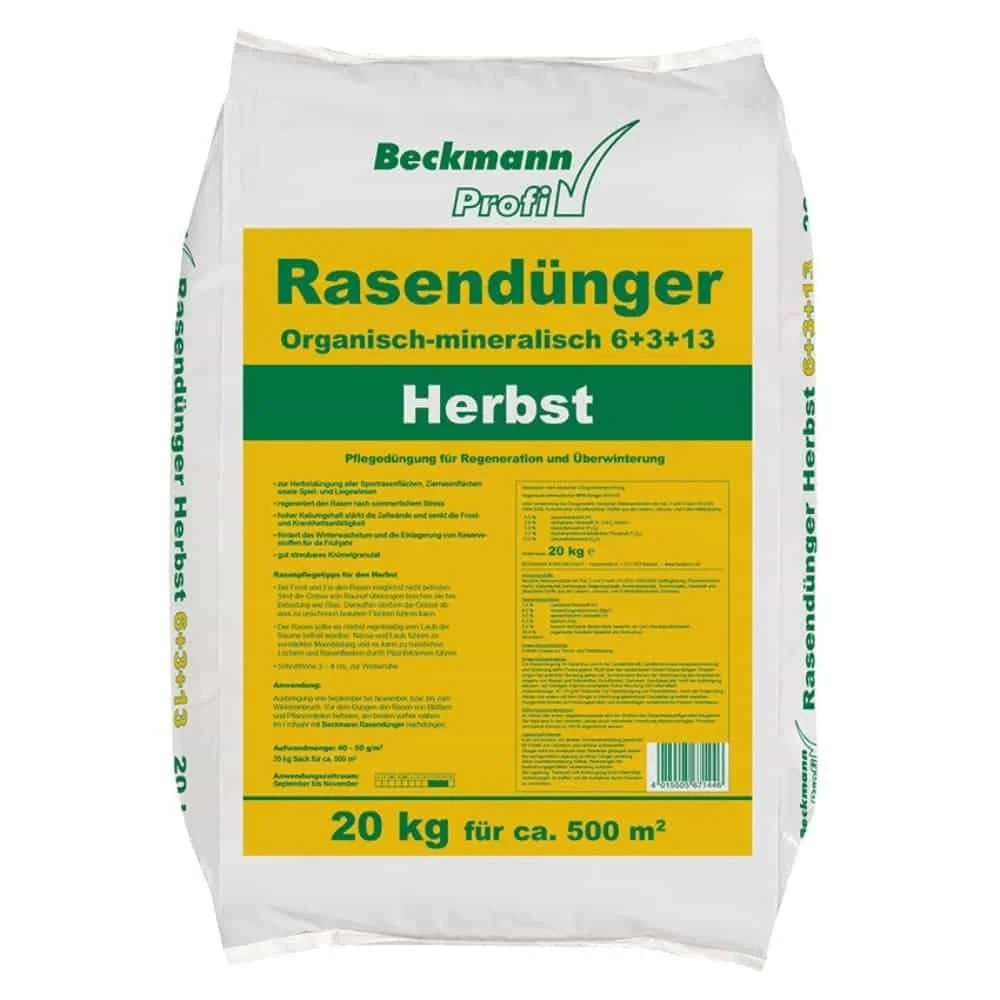
A healthy garden does not end at the edge of the pond. The right autumn care prepares every area for winter. While the net protects your pond, your lawn also needs special treatment. Apply a potassium-rich fertiliser such as the Beckmann autumn lawn fertiliser (). The potassium strengthens the grass cell walls and makes them more resistant to frost. In our autumn lawn fertiliser category, you will find suitable products for your lawn.
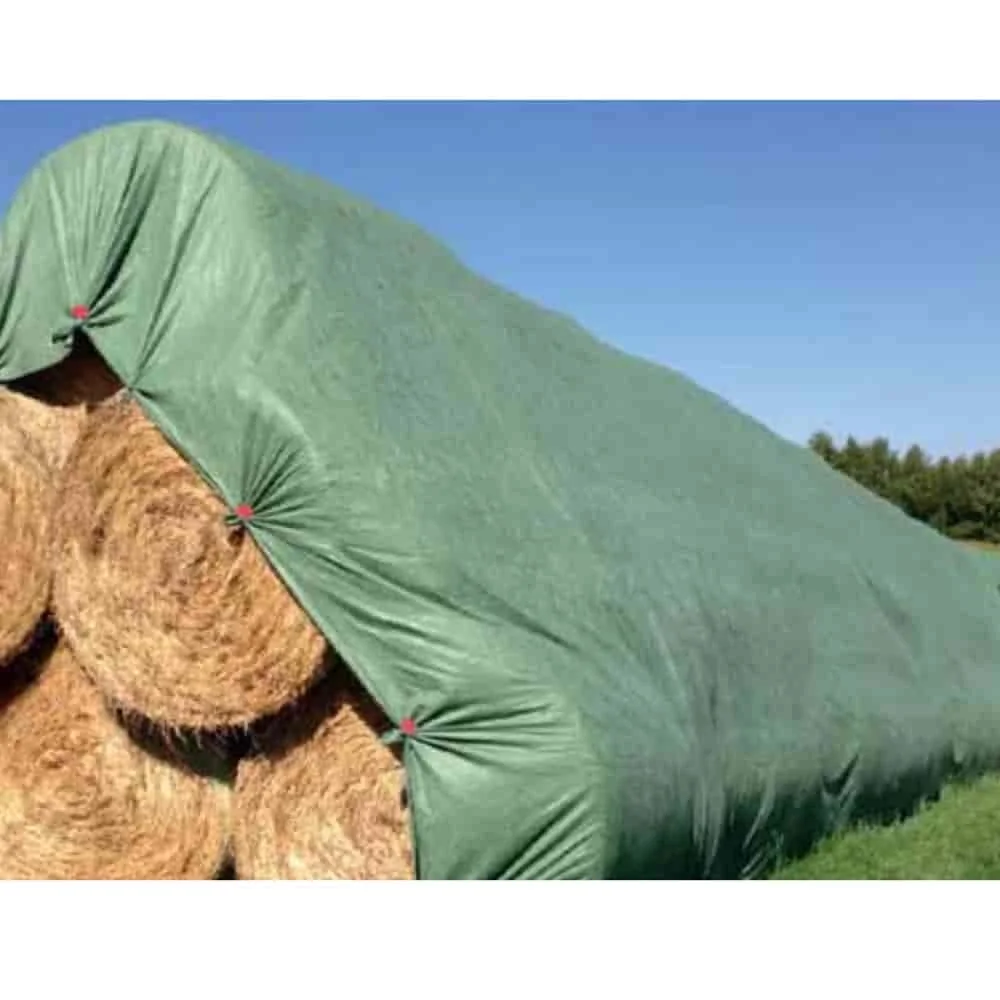
The best way to protect sensitive garden plants from severe frost and drying winds is with special fleece. The protective fleece () creates a protective microclimate and helps your perennials and shrubs survive the winter unharmed. Discover everything you need for the cold season in our Garden + Outdoor section.
A pond protection net is a small investment that saves you a lot of work and significantly improves the quality of life in your garden pond. You protect your fish, ensure clear water in spring and can look forward to the next gardening season in peace. With the right preparation, autumn becomes what it should be: a time for relaxation, not worrying about your pond.
Frequently Asked Questions
- How long should a pond net stay on the pond in autumn?
- Leave the net stretched until the leaves have completely finished falling. This is usually the case at the end of November or beginning of December. You can then remove it or leave it on the pond over winter as protection from predators until spring.
- Can a pond net also protect against grey herons?
- Yes, a tightly stretched pond protection net is highly effective against grey herons and cats. The animals cannot reach the fish through the net and usually quickly look for an easier hunting ground. This protection is useful all year round.
- What happens if the pond net hangs in the water?
- A sagging net loses its protective effect. Leaves collect in the dip, become wet and decompose directly on the net. The nutrients can then be washed into the water. Always keep the net taut and above the water surface.
- What mesh size is ideal for a leaf protection net?
- A mesh size of around 20 x 20 mm is ideal for protecting against leaves. It is fine enough to catch most leaves, pine needles and small branches, but large enough to allow light and air to circulate and prevent too much snow from accumulating on it.
- Do I need to clean the pond before covering it?
- Yes, this is highly recommended. Before stretching the net, remove as many leaves, mud and dead plant parts from the pond as possible. This gives you the best water quality going into winter, while the net protects against new debris.
You may also be interested in
- Installing a pond protection net: The ultimate guide to a clean pond
- Pond net vs. pond fence: Which protection is right for your pond?
- Cleaning and storing a pond grid: How to make your protection last longer!
- Preparing your pond for winter: Why a protective grid is essential
- Autumn water butt check: How a net protects your water
- Preventing leaves in your pond: Effective protection against herons and cats