
In brief: A pond net provides affordable protection against leaves, herons and cats. It is quick to install, but affects the appearance of your pond. A pond fence offers robust protection, is ideal for child safety and lasts longer, but is also more expensive and more complicated to install. The right choice depends on your budget, safety requirements and aesthetic preferences.
A garden pond is an asset to any outdoor space. It creates a peaceful atmosphere, provides a habitat for plants and animals and is a fascinating focal point. However, this idyllic setting also involves risks. Falling leaves in autumn can affect water quality, herons and cats threaten your fish, and an open expanse of water poses a significant risk to small children. So which should you choose: a pond net or a pond fence? Both solutions offer protection, but they differ fundamentally in function, effort and appearance.
This guide takes you through the advantages and disadvantages of both systems. We analyse the costs, installation effort and suitability for different protection requirements. This will help you find the right solution for your garden and outdoor area.
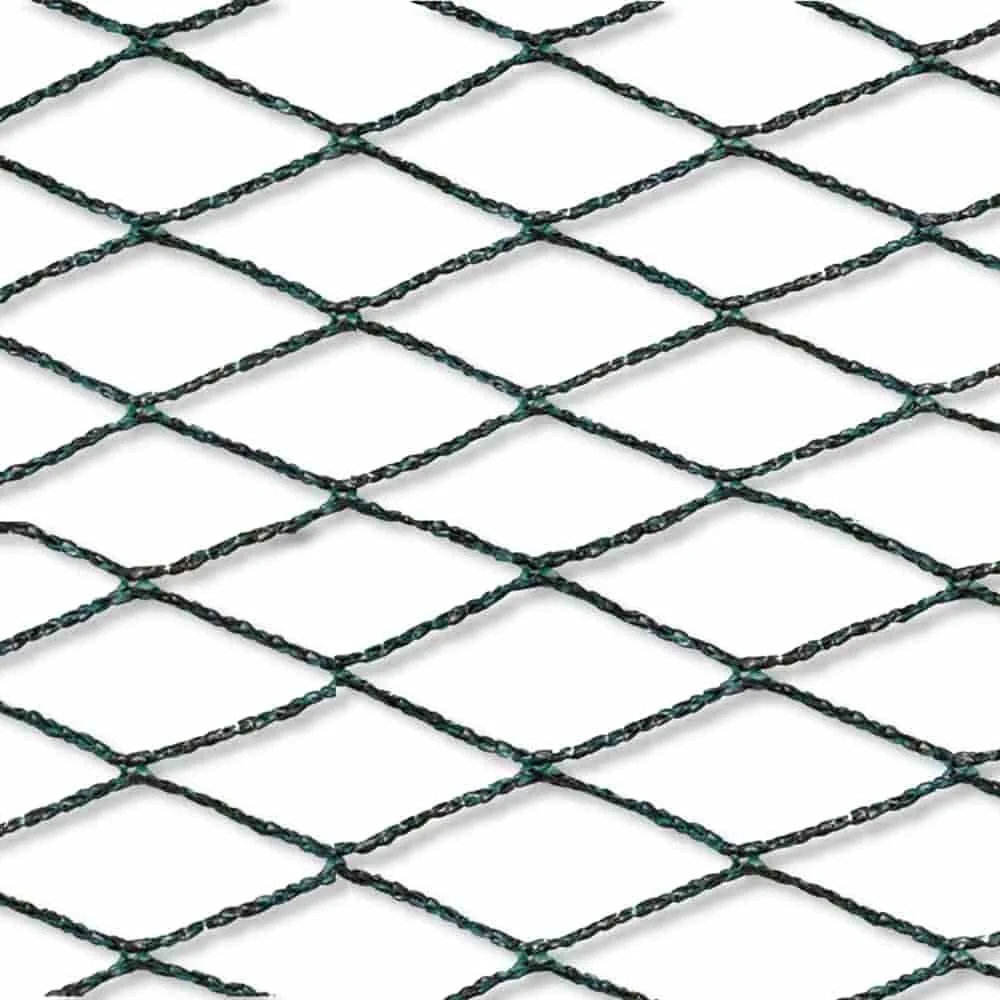
For most medium-sized ponds, a high-quality net is often the most practical and effective solution. The : Pond protection net 5 m x 6 m (30m²) offers reliable protection against leaves and unwanted visitors thanks to its generous area and robust material. It can be installed quickly and removed just as quickly when needed.
The first line of defence: why a pond protection net is often the best choice
You stretch a pond net directly over the water's surface to create a barrier. It is primarily designed as a leaf net, but depending on its mesh size and tension, it can also serve other important purposes. Its strengths are flexibility and a low purchase price.
Its main purpose in autumn is clear: the net catches leaves, small branches and other debris before they sink into the water. There, the organic material would decompose, reduce oxygen levels and encourage algae growth the following spring. Using a net saves you the laborious task of removing debris with a pond net and helps maintain better water quality.
At the same time, a tightly stretched net provides effective heron protection. The grey heron, an elegant but feared hunter among pond owners, cannot land on the surface of the net. Its hunting method of striking at fish from the edge is also thwarted. The invisible barrier confuses the bird, so it looks for easier prey.
A well-tensioned pond net is an invisible fortress for your fish. It not only protects against leaves, but also makes the pond an impenetrable zone for herons.
How do you choose the right pond net?
Choosing the right net depends on the size of your pond and your primary protection objective. The most important criteria are dimensions, mesh size and material quality. A wide range of pond nets ensures that you can find the right product for every requirement.
Determining the right size
Measure the longest and widest points of your pond. Add at least 50 cm to 1 metre on each side. This overhang is needed to anchor the net securely to the bank with ground pegs without it slipping into the water under load. For a 4 x 5 metre pond, the previously mentioned : pond protection net with 30m² is an excellent choice. For smaller or narrower ponds, options such as the : pond protection net 3x6m (18m²) or the : pond protection net 2x10m (20m²) are suitable.
Mesh size: fine or wide?
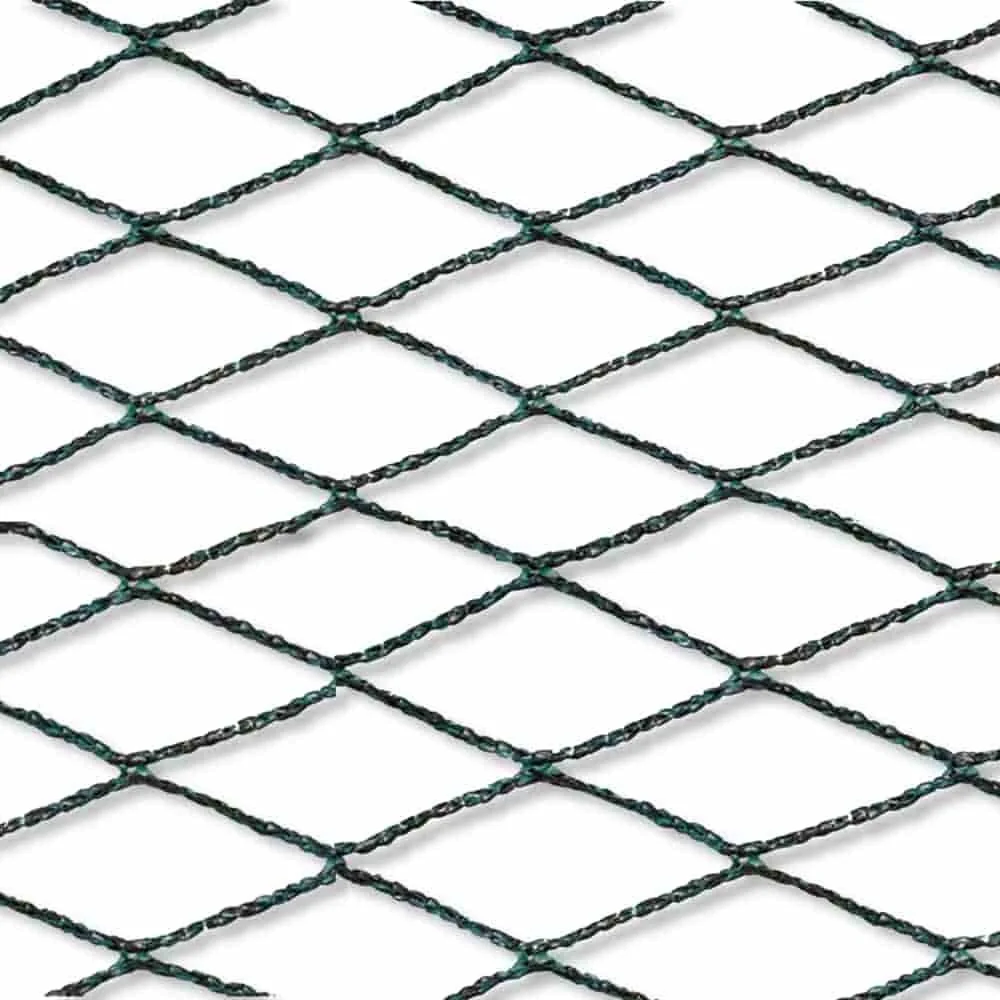
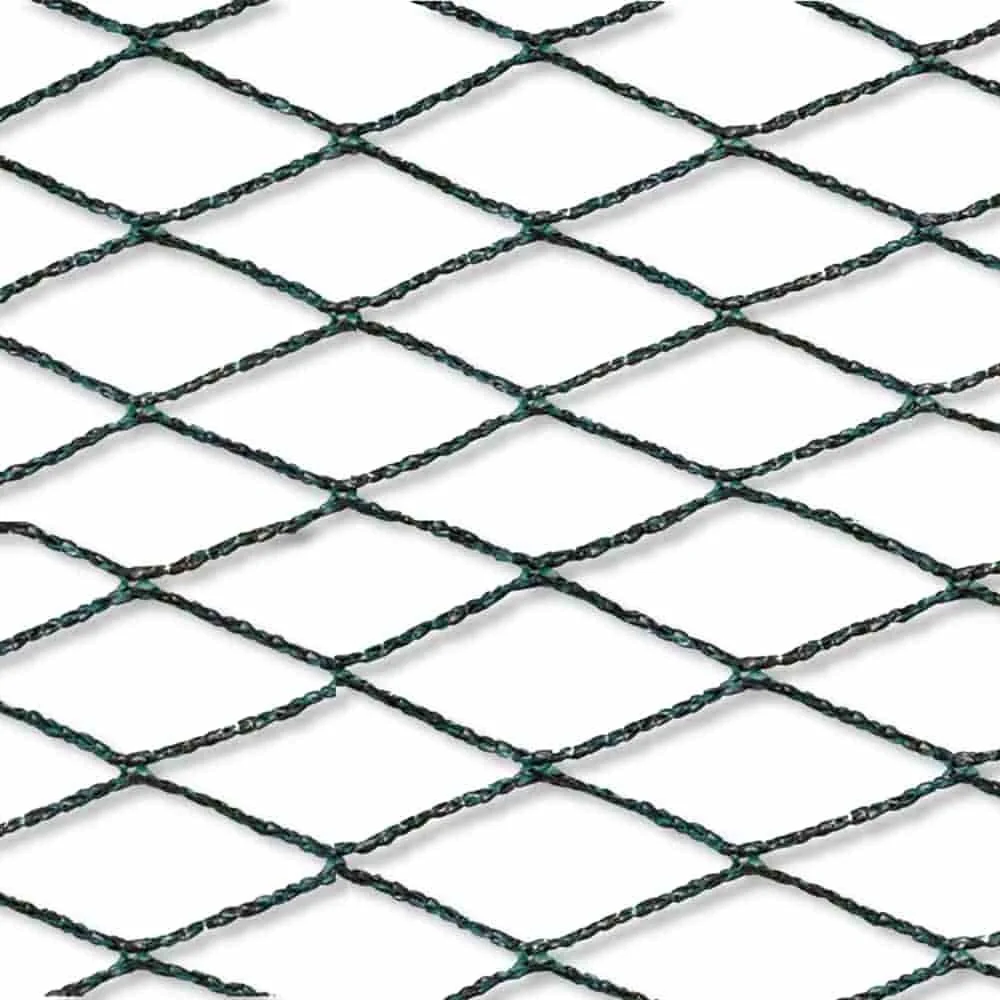
The mesh size determines the level of protection. A wide mesh (approx. 5-10 cm) is purely for protecting against herons. A medium mesh size (approx. 2-4 cm) also keeps out larger leaves and cats. A fine mesh (under 2 cm) catches almost all leaves, but can become heavy when wet and restrict air circulation. For combined protection against leaves and animals, a mesh size of around 20 mm is a good compromise.
Material and durability
Look for UV-stabilised material such as polyethylene (PE). It withstands sunlight for several seasons without becoming brittle. A tear-resistant yet lightweight material makes handling easier. Colour also plays a role: black or dark green nets are the least noticeable on the water's surface.
Expert tip
Always stretch your pond net tightly and slightly above the water's surface. For larger ponds, use special polystyrene floats beneath the net. This prevents it from sagging in the middle, keeps leaves dry so the wind can blow them away and gives herons no chance of reaching the fish.
The Solid Barrier: When Is a Pond Fence Essential?
A pond fence is a permanent or semi-permanent physical barrier around the pond. Its primary purpose is safety, particularly protecting children and pets. It clearly defines the pond area and prevents accidental access to the water. While a net covers the pond, a fence encloses it.
Choosing a fence is often a matter of priorities. If the safety of young children comes first, there is usually no way around a sturdy fence. It provides permanent protection without needing to be put up and taken down seasonally. A fence can also be a design feature that blends harmoniously into the garden.
What Types of Pond Fences Are Available?
Pond fences are available in a range of materials, heights and designs. Your choice depends on your taste, budget and the level of safety required.
Metal Fences: Strong and Elegant
Fences made from powder-coated steel or aluminium are extremely durable, weather-resistant and easy to maintain. They offer excellent stability and are often available in simple, elegant designs that barely obstruct the view of the pond. Vertical bars without horizontal elements make climbing over them more difficult.
Wooden Fences: Natural and Rustic
A wooden fence fits particularly well into natural-style gardens. Whether you choose a traditional picket fence or a modern privacy screen, wood offers many design options. However, it requires more maintenance than metal, as it must be regularly treated or painted to protect it from the weather.
Plastic Fences: Flexible and Affordable
Plastic plug-in fences are often the most affordable and easiest option to install. They can be adapted flexibly to the shape of the pond and are rust-free. However, they cannot match metal or wooden fences in terms of stability and durability, making them more suitable as a visual boundary or for protection against smaller animals.
Important note
A pond fence never relieves you of your duty to supervise. Make sure the fence is at least 80 cm, preferably 100 cm high, and has a child-safe, lockable gate. Check the fence regularly for stability and possible gaps.
Pond Net vs Pond Fence: A Direct Comparison
To make your decision easier, we compare the two systems directly across the most important categories.
Cost and Budget
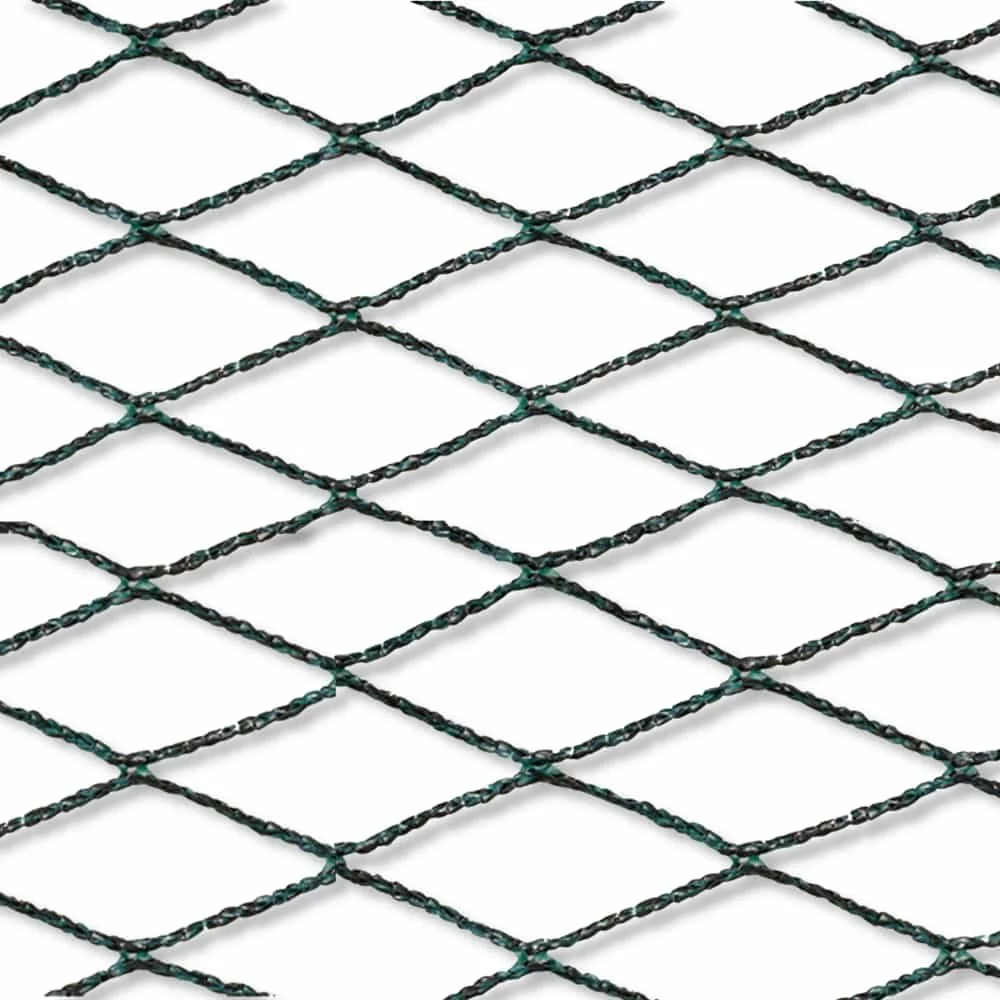
This is where a pond net clearly comes out on top. High-quality protective nets are available for just a fraction of the price of a sturdy fence. Even for very large ponds, such as with the : Pond protection net 12x50m (600m²), costs remain manageable. A fence, particularly one made from metal or high-quality wood, represents a significantly larger investment.
Installation and Effort
You can stretch a net over the pond in less than an hour. The supplied ground spikes make securing it easy. Installing a fence is more involved. The posts must be firmly anchored in the ground, which can be laborious depending on the soil conditions. Plug-in fences are easier to install, but offer less stability.
Child Safety: A Decisive Factor
A pond net does not provide reliable protection for children. It can become a dangerous trap if a child falls onto it. For child safety, a sturdy, sufficiently high pond fence that cannot be climbed is the only responsible solution.
Protection from Animals: Who Should Stay Out?
A net is highly effective against herons. Cats are also usually deterred by a properly tensioned net. However, larger animals such as raccoons or dogs will not be put off by it. A fence offers better protection here. It reliably keeps most four-legged visitors away from the pond edge.
Aesthetics and Appearance
Aesthetics are subjective. Many pond owners find a net disruptive because it detracts from the view of the water surface and fish. A well-chosen fence, on the other hand, can become a design feature. A low, delicate metal fence has little impact on the appearance, while a wooden fence frames the pond area with charm.
The best protective measure is the one that blends seamlessly into your garden ecosystem and addresses the specific threats in your area – whether it is a heron from above or a curious toddler on the ground.
Maintenance and Care
You need to clear leaves from a net regularly so that their weight does not cause it to sag. In spring, clean it and store it away until the following autumn. A metal or plastic fence is virtually maintenance-free. A wooden fence requires regular protective coatings.
Special Case: Protecting Pond Wildlife – How Can You Keep Herons, Cats and Others Away?
Protecting the pond’s inhabitants is a key concern for many people. The right method depends largely on the unwanted visitor. Products for pest and plant protection can be an important addition here.
Heron Protection: A Net Is Often Enough
The grey heron is a visual hunter. It either lands directly in shallow water or on the bank. A net stretched over the pond reliably prevents both. Alternatively, thin wires can be stretched in a zigzag pattern over the pond. These are also an insurmountable obstacle for the bird.
Cat Protection: A Higher Barrier Is Needed
Neighbourhood cats often see goldfish as a welcome snack. They fish from the edge. A pond net keeps most cats away as long as it is tightly tensioned and there are no gaps around the edges. A low plug-in fence (approx. 60-80 cm high) is an even safer way to keep these agile hunters at bay.
Additional advice
Combine different deterrents. A heron deterrent that activates a jet of water via a motion sensor can enhance the effect when used with a net or fence. Shiny objects such as CDs or special mirror pyramids can also briefly confuse these wary birds.
Conclusion: Which Solution Is Right for Your Garden?
Choosing between a pond net and a pond fence is not a question of what is “better” or “worse”, but of your individual needs and priorities.
Choose a pond net if:
- Your main concern is protection from leaves and herons.
- You are looking for an affordable solution that is quick to install.
- Child safety is not a concern.
- You only want to affect the appearance seasonally (in autumn).
Choose a pond fence if:
- Child safety is your top priority.
- You prefer a permanent, low-maintenance solution.
- You also want to keep larger animals such as dogs or raccoons away.
- You are prepared to invest more and want the fence to serve as a design feature.
In many cases, combining both options makes sense: a fence for year-round safety and an additional net in autumn to protect against leaves. Assess your situation, weigh up the pros and cons, and create a safe, clean oasis in your garden that you can enjoy for years to come.
Frequently Asked Questions
- Is a pond net enough protection against herons?
- Yes, a correctly tensioned pond net is highly effective protection against herons. The bird cannot land or peck at the fish. Make sure the net is taut and suspended slightly above the water's surface so the heron cannot reach the fish through the mesh.
- Is a pond fence child-safe?
- A pond fence significantly improves safety, but it is no guarantee. It must be high enough (at least 80-100 cm), securely anchored and must not provide footholds for climbing. A lockable gate is essential. Children must still be supervised despite the fence.
- How do I attach a pond protection net correctly?
- Stretch the net taut over the entire surface of the pond. Use the included ground pegs to secure it around the edge. The net should float a few centimetres above the water, allowing leaves to dry and preventing animals from reaching the fish. For larger ponds, floats can provide additional support.
- Can I leave a pond net on the pond over winter?
- Yes, you can use a net in winter to keep leaves out. However, in heavy snowfall you should remove the net or clear the snow from it regularly, as the weight can damage the net or push it into the water. An ice preventer beneath the net is still a good idea.
- What mesh size is ideal for a leaf protection net?
- For protecting against leaves alone, a mesh size of around 20x20 mm is ideal. It keeps out most leaves and coarse dirt while allowing enough light and air to reach the water's surface. Smaller mesh could become clogged with wet leaves and restrict air circulation.
You might also be interested in
- Pond cover: grating, net or tarp for your pond?
- How to prevent leaves in your pond: effective protection against herons & cats
- How to install a pond protection net: the ultimate guide to a clean pond
- How to keep birds away from your pond: 7 tips & grating tricks
- How to clean & store pond grating: make your protection last longer!
- Privacy screen net or hedge: a direct comparison for your garden