
In brief: A pool floor drain enables controlled and complete drainage of your swimming pool, for example for cleaning or winterization. It is installed centrally at the lowest point. Alternatively, you can use a submersible pump, pool vacuum or sand filter. The right choice depends on the pool type, amount of water and desired speed. For a permanently installed pool, a floor drain is the best long-term solution.
Pool Floor Drain: Installation, Function & Alternatives
A full pool means summer fun. But sooner or later, every pool owner faces the question: how do I get the water out again? Reliable drainage is essential for cleaning, repairs or winter preparation. A floor drain is the professional solution.
We explain how a pool floor drain works, what to consider during installation and show you practical alternatives for every pool type.
What is a pool floor drain and how does it work?
A floor drain is a permanently installed drainage device at the lowest point of your swimming pool. It consists of a drain body with a grate and a connection for a drainage pipe. When you open the stopper, the water flows away through the pipe in a controlled manner.
This system enables a complete water change. It is the cleanest and fastest way to dispose of large quantities of water. The drain is connected directly to your drainage system.
The floor drain is the centrepiece of pool drainage. Its correct positioning in the deepest part of the pool is crucial for completely emptying it. Every centimetre of slope counts.
The right installation: How to fit a floor drain
Installing a floor drain is a matter of planning. Integration is straightforward during a new build or complete renovation. You install the drainage pipe in the ground and fit the drain body before tiling or lining the pool.
Important note
Retrofitting a floor drain in an existing pool requires extensive core drilling. You must drill through the pool floor and create a watertight connection to the new pipe. Mistakes can cause leaks. Always hire a specialist company for this work.
Installation involves several steps. First, determine the gradient for the drainage pipe. Then fit the drain body and seal it properly against the pool. Finally, connect the pipe to your drainage system.
You can find suitable components for many DIY plumbing projects in our PVC fittings + connectors category. You will often also need suitable hoses for the connection.
What alternatives are there to a fixed floor drain?
Not every pool has a fixed drain. Above-ground pools, steel-wall pools and framed pools need flexible solutions. Fortunately, there are several effective methods.
The submersible pump: The flexible all-rounder
A submersible pump is the most popular alternative. Simply place the pump in the pool, connect a hose and drain the water. This method works with any pool shape and depth.
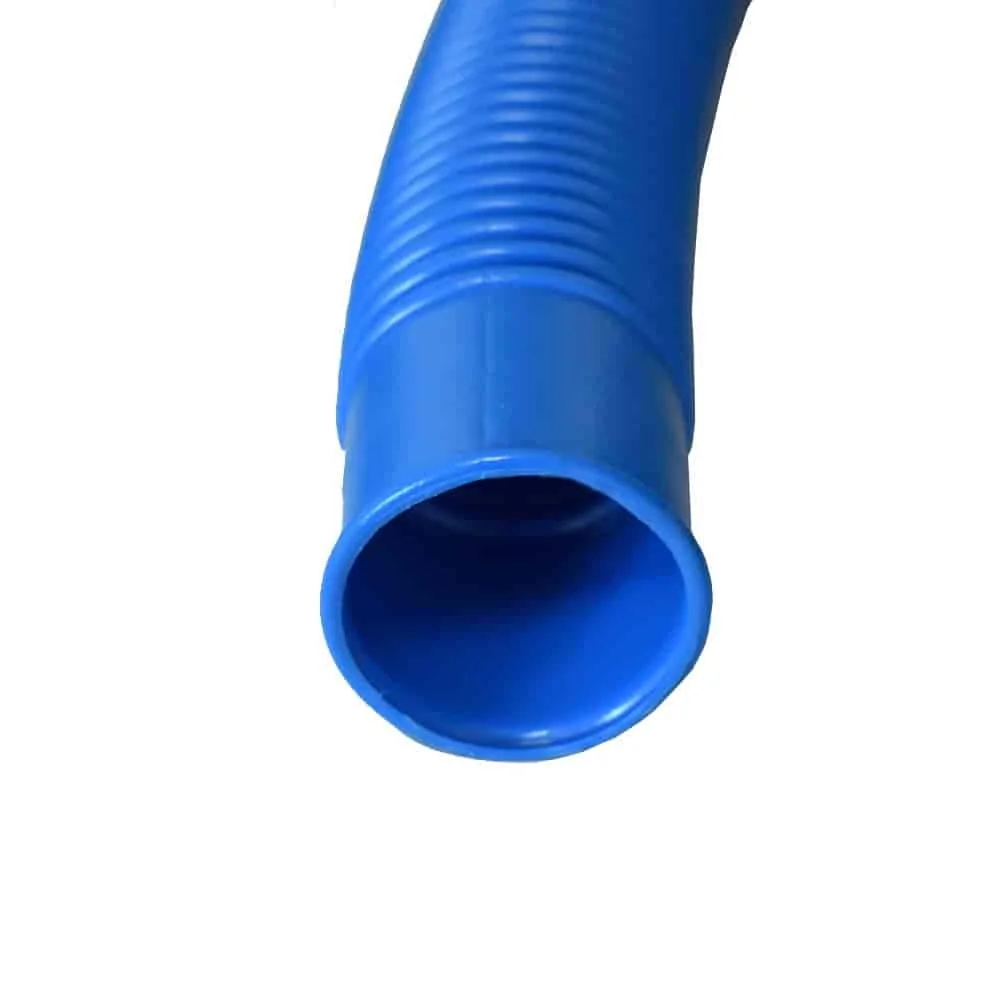
You control the process directly. The pump's power determines the speed. Choose a powerful model for large volumes. Remember to use a suitable 38 mm pool and suction hose.
Pro tip
Reposition the submersible pump regularly while draining the pool. As soon as the water is only a few centimetres deep, the pump will start drawing in air. Move it to a lower corner or to a specially drilled "sump hole". This allows you to empty the pool almost completely.
Using a pool vacuum in suction mode
Your existing pool equipment can help. Many sand filter systems have a "Waste" or "Drain" setting. In this mode, the pump draws water from the pool and sends it directly out through the waste hose without passing through the filter.
This method is slow but suitable for partial drainage. You can use your existing infrastructure. Make sure the hose is long enough to direct the water away safely.
Using the sand filter in backwash mode
Another option is to backwash your sand filter. During this process, water is drawn from the pool through the filter and forced outside at high pressure through the waste valve. This is also a slow process.
Only use this method for small quantities. It puts considerable strain on your filter system. It is better to combine it with a manual pump for the finishing touches.
Many pool owners underestimate the force of water and the importance of secure drainage. A powerful stream from the hose can wash away soil within minutes and flood a neighbour's garden. Always direct the hose to a legally permitted drainage point.
What should you consider when draining pool water?
Whichever method you choose, certain basic rules always apply. They protect your pool and the environment and help you avoid problems.
Proper preparation is essential
Remove coarse dirt before draining the pool. Disconnect the pool equipment from the power supply. Plan the route the water will take. Where will the hose end? Is the gradient sufficient?
Water quality is particularly important. Highly chlorinated or chemically treated water must not simply be released into the environment. Leave it to stand until the levels are neutral, or clarify disposal with the relevant authorities.
Additional advice
After completely emptying the pool, clean it before it dries again. Algae and limescale residue are much easier to remove while wet. Thorough cleaning extends the service life of your pool liner or tiles.
Where should all that water go?
The legal position is clear: pool water is wastewater and belongs in the sewer system. Discharging it into a stream, lake or rainwater drainage system is usually prohibited. Infiltrating it on your own property is also subject to limitations.
Direct the water through a hose into a gully or soakaway, provided it is suitable for this purpose. If you are unsure, ask your local environmental authority. Find suitable hoses in our PVC hoses category.
Products for Draining Your Pool
You don't always need a permanent drain. Flexible options from our range are often enough. Here are three products to consider for your project.
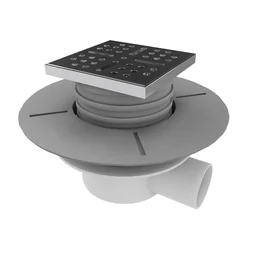
: This horizontal floor drain is a high-quality component for permanent installation. It's suitable for a range of drainage applications and provides a stable, clog-resistant solution.
: A durable pool hose is essential when draining water with a pump. With a diameter of 38 mm and a length of 9 metres, this hose offers plenty of capacity and reach for most above-ground pools.
: After draining your pool or preparing it for winter, protect it with a pool cover. This cover for frame pools keeps debris out and reduces evaporation.

Find more useful products for pool maintenance and garden watering in our Garden + Outdoor and Pool Covers categories.
Conclusion: Find the Right Solution for Your Pool
Whether you choose a permanent floor drain or a portable alternative depends on your pool type and how you use it. A permanent drain is a good choice for in-ground pools that stay in place year-round. For portable or seasonal pools, a submersible pump is more flexible and cost-effective.
Always plan for water drainage, whether you're buying a new pool or maintaining one. With the right method and accessories, changing the water becomes a safe, straightforward routine. This helps keep your pool clean and working properly for years to come.
Frequently Asked Questions
- Can I completely drain my pool without a permanent floor drain?
- Yes, you can drain your pool without a permanently installed floor drain. The most efficient alternative is a submersible pump. For smaller amounts of water, you can also use your pool vacuum's suction function or backwash the sand filter. Discharge wastewater in accordance with local regulations, for example, into the sewer system or a soakaway.
- How deep should a pool floor drain be installed?
- The floor drain must be installed at the lowest point of your pool. This is the only way to drain the water completely. With a 1-2% slope from the edge toward the center, the center is the lowest point. The exact depth depends on your pool's shape. Plan the installation when building the pool foundation.
- How much does it cost to add a floor drain to an existing pool?
- Retrofitting a floor drain is complex and expensive. It requires breaking up the pool floor, installing the drain pipe, and applying new waterproofing. The cost is considerably higher than for a planned installation. Beforehand, consider alternatives such as external pump systems, which don't require structural modifications.
- What type of hose should I use to drain water with a pump?
- Use a sturdy pressure hose or a special garden hose with a sufficient diameter, such as 1 inch. The hose must be able to withstand the pump pressure. A PVC water hose is often a durable choice.
- Where can I discharge pool water?
- Used pool water should be discharged into the sanitary sewer system. Discharging it into a storm drain, stream, or neighboring property is usually prohibited. Chlorinated water must be neutralized first. Check local regulations with your city or county before discharging large amounts of water.