
In brief: Pool foam is usually caused by surfactants—water-soluble contaminants from skin creams, sunscreen, hair-care products, or detergent residue. They reduce the water’s surface tension and create bubbles. The most effective solution is shock chlorination, combined with a defoamer and thorough cleaning of the filter system.
Pool Foam: Identify the Causes and Get Rid of It
White bubbles on the water’s surface can spoil your swim. Pool foam is common, but you should take it seriously. It can signal an imbalance in the water chemistry or organic contaminants.
A systematic check can help you find the cause. With the right steps, you can get rid of the foam reliably.
What exactly is pool foam?
Pool foam consists of tiny air bubbles that stay on the water’s surface. In clean water, bubbles like these burst right away. Stable foam forms when surfactants are present.
These water-soluble contaminants surround the air bubbles like a film. This keeps them from bursting, so they collect on the surface.
The most common sources of surfactants are close at hand. Often, you bring them into the pool yourself.
Pro tip
Know the difference between foam and algae. Algae form green, streaky clouds in the water or a greenish coating on the pool walls. Foam is whitish, gathers on the surface, and forms a blanket of bubbles you can wipe away by hand.
The most common causes of pool foam
To fix the problem, you need to know what’s causing it. These are the most common causes of foamy pool water.
Personal-care products on your skin and in your hair
Sunscreen, body lotion, shower gel, and shampoo are common culprits. Even after showering, residue can remain on your skin.
These products contain emulsifiers and surfactants that help them mix with water. That same property can later help stabilize bubbles in the pool.
Residue from laundry detergent and cleaning products
Have you washed swimsuits or towels without rinsing them thoroughly? Even modern detergents can leave microscopic residue in fabric fibers.
In the pool, this residue dissolves and adds foaming substances to the water. Be sure to rinse your fabrics thoroughly.
Imbalanced pool water
When the water chemistry is off, other substances can also contribute to foam-like effects. A pH level that is too high makes chlorine less effective.
Organic contaminants may then remain in the water. Their breakdown products can form foam-like structures.
Water quality depends on accurate testing. Neglecting pH levels can lead to a range of problems, from scale buildup to cloudy water and foam.
Too much algaecide or other pool chemicals
More is not always better. Copper-based algaecides in particular can react when overdosed and cause foamy deposits.
Follow the manufacturer’s dosage instructions carefully. Always test the water again after shock treatment.
Dead algae and organic matter
During an algae bloom, millions of algae cells die after treatment. Their cell components, especially proteins and fats, are released into the water.
These organic particles can act like surfactants. During filtration, they can form a fine, stable layer of foam on the surface.
How do you get rid of foam in pool water?
Follow these steps to remove the foam. Start with the gentlest method and increase the intensity if needed.
1. Remove the foam by hand
Scoop the visible foam out with a net. Use a fine-mesh pool skimmer net.
This manual method won’t remove the cause, but it reduces the immediate buildup and improves the water’s appearance.
2. Use a defoamer
Defoamers are chemicals made specifically for pools. They break down the bubbles’ surface tension, causing them to collapse.
Add the recommended amount directly to the foamy area. You’ll often see results within a few minutes. The product breaks down in the water and won’t affect it in the long term.
Important note
Never use dish soap or other household cleaners as an “anti-foam solution.” They contain powerful surfactants and can make the problem much worse, leaving the water unusable over time.
3. Shock chlorinate the pool
If surfactants are causing the foam, shock chlorination breaks down the organic particles. Add a high dose of fast-dissolving chlorine based on your pool’s size.
Run the filter pump continuously for at least 24 hours. Oxidation breaks down the molecules that cause foam.
4. Clean the filter thoroughly
Your sand or cartridge filter has likely been working hard and is loaded with contaminants. Backwash a sand filter thoroughly until the wastewater runs clear.
Clean a cartridge with a strong stream of water or soak it in a cleaning solution. A clean filter is essential for clear water.
For a thorough clean, find practical kits in our Garden + Outdoor category.
5. Partially or fully replace the water
If the problem persists or keeps coming back, the water may be saturated with contaminants. Replacing 30-50% of the water dilutes them.
Refill the pool with fresh tap water, then rebalance the water chemistry. This method works well, but it takes time and uses water.
How can you prevent pool foam from forming?
Prevention is the best way to keep your pool clean. Add these habits to your routine.
Shower thoroughly before swimming
This simple rule is highly effective. Shower before putting on your swimsuit to wash away dead skin cells, sweat, and most personal-care product residue.
Set up an outdoor shower near the pool. It makes the rule easy for everyone to follow.
Maintain the water regularly and correctly
Test the water at least twice a week. Keep the pH level stable between 7,0 and 7,4. Chlorine works best in this range.
Add chlorine regularly to break down organic germs and particles before they build up.
Care for swimsuits and other fabrics
Wash swimsuits and towels separately. Use a mild detergent without fabric softener, and select an extra rinse cycle.
This minimizes chemical residue in the fabrics that could later get into the pool water.
Additional advice
Don’t leave air mattresses, inflatable toys, or balls with rough surfaces in the water. Their materials may release plasticizers and other chemicals that can contribute to foam. Store toys in a dry place after swimming.
Use a pool cover consistently
A cover does more than keep leaves out. It reduces evaporation and keeps dust, pollen, and insects from falling into the water.
These organic materials break down and contaminate the water. A high-quality pool cover is a worthwhile investment.
Optimize filter run time
Your filter should circulate the entire pool volume at least twice a day. Increase the run time when the pool is in heavy use or temperatures are high.
A properly working filter continuously removes suspended particles before they break down and cause problems.
When do you need professional help?
Sometimes standard measures aren’t enough. In these cases, contact a professional.
The foam keeps coming back despite all the steps described here. This may point to stubborn contamination or a technical problem.
The water develops an unusual color despite treatment, such as a milky white or yellowish tint. This may point to a specific chemical reaction or metal contamination.
You suspect a problem with the filtration system or circulation pump. Only a fully functioning system can maintain clear water.
Modern filter technology alone cannot guarantee water quality. Clear water depends on the right water chemistry, sufficient circulation, and regular manual maintenance. Neglecting any one of these can throw the system out of balance.
The Right Equipment for Pool Maintenance
With the right tools and accessories, pool maintenance is much easier. These products can help you get rid of foam and keep your water clear.
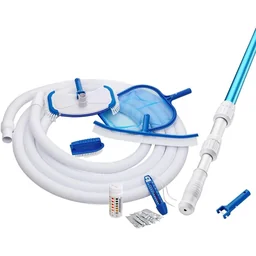
A comprehensive provides all the tools you need for manual cleaning. It includes everything from a pool brush to a telescopic pole, so you can remove buildup before it breaks down.
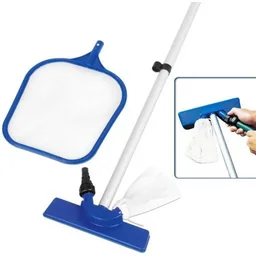
A practical helps with regular deep cleaning. Brush the walls and floor once a week to prevent biofilm and slimy buildup.
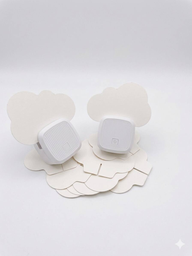
Your pool area can also affect water quality. An helps keep annoying insects away from the water. That means fewer insects fall into the pool and decompose there.
For any work involving garden hoses and connections, find the accessories you need in our Hoses category.
Conclusion: Clear Water, Not Foam
Foam in your pool is a warning sign, but it can be fixed. It is usually caused by organic contaminants or a chemical imbalance.
With a systematic diagnosis, the right treatment and consistent prevention, you can get the problem under control. Your water will stay clear, inviting and hygienically clean.
Remember: The best treatment is the one you never need. A regular, careful maintenance routine saves you time, chemicals and hassle.
Start keeping a close eye on your water and take action promptly. Your pool will reward you with an enjoyable, crystal-clear swimming experience.
Frequently Asked Questions
- Is pool foam harmful to your health?
- The foam itself is usually not harmful to your health; it is mainly an aesthetic problem. However, it can indicate poor water quality caused by organic contaminants. Bacteria can multiply more easily under these conditions. Whenever foam appears, check key water parameters such as chlorine and pH.
- Will pool foam go away on its own?
- No, pool foam usually will not go away on its own. The surfactants that cause it are stable and are not completely removed by the filtration system. You need to take action, usually by shocking the pool and adding a special anti-foam product.
- Can I use home remedies like dish soap to get rid of pool foam?
- Absolutely not. Dish soap contains surfactants and will make the problem much worse. Use only chemicals made for pools, such as anti-foam products (defoamers). These products reduce surface tension without adding unnecessary chemicals to the water.
- How can I prevent foam from forming in my pool?
- Shower thoroughly before swimming to rinse off skin and hair care products. Use a pool cover to keep contaminants out. Keep the water parameters, especially pH, consistently within the ideal range. This gives surfactants fewer chances to cause problems.
- Why is my pool foamy even though the water parameters look good?
- Organic contaminants can build up even when test results look good because test strips do not detect them. The filter may also be overloaded or clogged. Check the filter run time, backwash it thoroughly and consider replacing some of the water to reduce contamination.
You May Also Be Interested In
- Brown pool water? How vitamin C can clear it up fast
- How to get rid of pool algae and keep it from coming back
- Why is my beer foamy? Causes and fixes for beer dispensers
- Backyard swimming pools: Setup, maintenance and tips
- Pool pH: How to test and adjust it
- Pool robot: Effective cleaning for your swimming pool