
In brief: Pool foam is usually caused by surfactants – water-soluble dirt particles from skin creams, sun lotion, hair-care products or detergent residue. These reduce the surface tension of the water and form bubbles. The most effective solution is shock chlorination combined with a defoamer and thorough cleaning of the filter system.
Pool Foam: Identify the Causes & Remove It Effectively
White bubbles on the water's surface can spoil your swimming experience. Pool foam is not unusual, but it is something you should take seriously. It indicates a disruption of the chemical balance or organic contaminants.
A systematic analysis will help you find the cause. With the right measures, you can remove the foam reliably.
What exactly is pool foam?
Pool foam consists of tiny air bubbles that remain stable on the water's surface. In normal, clean water, bubbles like these burst immediately. Stable foam requires surfactants.
These water-soluble dirt particles surround the air bubbles like a skin. This prevents them from bursting, so they collect on the surface.
The most common sources of surfactants are found in your immediate surroundings. You often bring them into the water yourself.
Pro tip
Distinguish foam from algae! Algae form green, streaky clouds in the water or a greenish coating on the walls. Foam is whitish, collects on the surface and forms a blanket of bubbles that you can wipe away by hand.
The most common causes of pool foam
To solve the problem, you need to know its root cause. These are the most common causes of foamy pool water.
Personal-care products on your skin and in your hair
Sunscreen, body lotion, shower gel and hair shampoo are the main suspects. Even after showering, residue remains on your skin.
These products contain emulsifiers and surfactants so they can mix with water. This same property later allows them to stabilise bubbles in the pool.
Residue from detergents and cleaning products
Have you washed swimwear or towels without rinsing them thoroughly? Even modern detergents leave microscopic residue in the fibres.
In the pool, this residue dissolves and enriches the water with foaming substances. Make sure you rinse your textiles thoroughly.
Chemical imbalance in the water
If the water values are not right, other substances can also promote foam-like effects. A pH value that is too high reduces the effectiveness of chlorine.
Organic contaminants are then no longer broken down completely. Their decomposition products can form foam-like structures.
Water quality depends on precise measurement. A neglected pH value is often the beginning of many problems, from limescale deposits to cloudy water or foam formation.
Overdosing algaecide or other chemicals
More does not always mean better. Copper-based algaecides in particular can react when overdosed and cause foamy deposits.
Strictly follow the manufacturer's dosage recommendations. Always test the water again after shock treatment.
Dead algae and organic matter
During an algae infestation, millions of algae cells die after treatment. Their cell components, especially proteins and fats, are released.
These organic particles act in a similar way to surfactants. During filtration, they can create a fine, stable layer of foam on the surface.
How do you remove foam from pool water?
Removal follows a clear step-by-step plan. Start with the gentlest method and increase the intensity if necessary.
1. Mechanical removal
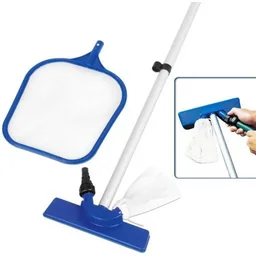
Scoop the visible foam out with a net. Use a fine-mesh pool skimmer net for this.
This manual method does not remove the cause, but it reduces the immediate load and improves the appearance of the water.
2. Using a defoamer
Defoamers are special chemicals for pools. They actively break down the surface tension of the bubbles, causing them to collapse.
Add the recommended amount directly to the foamy area. The effect is often visible within a few minutes. The product breaks down in the water and does not burden it in the long term.
Important note
Never use washing-up liquid or other household cleaners as an “anti-foam solution”. They contain powerful surfactants themselves, would make the problem dramatically worse and could make the water unusable in the long term.
3. Shock chlorination
If surfactants are the cause, shock chlorination destroys the organic particles. Add a high dose of fast-dissolving chlorine according to the pool size.
Run the filter pump continuously for at least 24 hours. Oxidation breaks down the foam-forming molecules.
4. Thorough filter cleaning
Your sand or cartridge filter has probably been working hard and is loaded with contaminants. Thoroughly backwash a sand filter until the wastewater runs clear.
Clean a cartridge with a strong jet of water or soak it in a cleaning solution. A clean filter is essential for clear water.
For thorough cleaning, you can find practical kits in our Garden + Outdoor category.
5. Partial or complete water change
For persistent or recurring problems, the water may be saturated. Replacing 30-50% of the water dilutes the contaminants.
Top up with fresh tap water and then readjust the chemical balance. This method is effective, but time-consuming and uses water.
How can you prevent foam from forming in the future?
Prevention is the best way to keep your pool immaculate. Incorporate these practices into your routine.
Thorough showering before swimming
A simple but extremely effective rule. Shower without your swimwear on to wash away dead skin cells, sweat and most personal-care residue.
Set up an outdoor shower near the pool. This makes the rule easy for all guests to follow.
Regular and correct water care
Test the water values at least twice a week. Keep the pH value stable between 7,0 and 7,4. Chlorine works best in this range.
Top up the chlorine regularly to continuously break down organic germs and particles before they accumulate.
Caring for swimwear and textiles
Wash swimwear and towels separately. Use a mild detergent without fabric softener and select an extra rinse cycle.
This minimises chemical residue in the fabrics that could later enter the pool water.
Additional advice
Do not leave air mattresses, inflatable toys or balls with rough surfaces in the water permanently. The material may release plasticisers and chemical substances that can also contribute to foam formation. Store toys in a dry place after swimming.
Consistent use of a pool cover
A cover does more than keep leaves out. It reduces evaporation and prevents dust, pollen and insects from falling into the water.
These organic materials decompose and contaminate the water. A high-quality pool cover is a worthwhile investment.
Optimising filter run time
Your filter should circulate the entire pool volume at least twice a day. Increase the run time when the pool is used heavily or temperatures are high.
A properly functioning filter continuously removes suspended particles before they decompose and cause problems.
When Do You Need Professional Help?
Sometimes standard measures are not enough. In these cases, you should consult a professional.
The foam keeps returning despite all the measures described. This indicates deep-seated contamination or a technical problem.
The water develops an unusual colour despite treatment (e.g. milky white or yellowish). This may indicate specific chemical reactions or metallic impurities.
You suspect a defect in the filtration system or circulation pump. Only a fully functional system can ensure clear water quality.
Modern filter technology alone does not guarantee water quality. It is always the result of correct water chemistry, sufficient circulation and regular manual maintenance. If you neglect one of these pillars, the system becomes unbalanced.
The Right Equipment for Pool Maintenance
With the right tools and accessories, maintenance becomes much easier. These products help you tackle foam and keep your water clear.
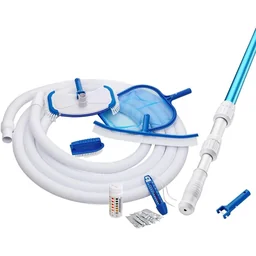
An extensive provides all the tools you need for manual cleaning. From the floor brush to the telescopic pole, everything you need to remove deposits before they break down is included.
A practical helps with regular deep cleaning. Brush the walls and floor once a week to prevent biofilms and slimy deposits from forming.
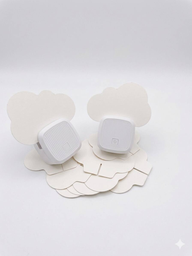
Your pool surroundings also affect the water. An reduces annoying insects near the water surface. This means fewer insects fall into the water and decompose there.
For all work involving water hoses and connections, you will find suitable accessories in our Hoses category.
Conclusion: Clarity Instead of Bubbles
Foam in your pool is a warning sign, not an unavoidable problem. It is usually caused by organic contaminants or a chemical imbalance.
With systematic diagnosis, the right treatment process and consistent prevention, you can take control. Your water will remain clear, inviting and hygienically clean.
Remember: The best treatment is the one you never need. A regular, precise maintenance routine saves you time, chemicals and hassle.
Start observing your water closely and taking action in good time today. Your pool will reward you with an enjoyable, crystal-clear swimming experience.
Frequently Asked Questions
- Is foam in the pool harmful to your health?
- The foam itself is usually not harmful to your health, but rather an aesthetic problem. However, it indicates impaired water quality caused by organic contaminants. Bacteria can multiply more easily in this environment. Whenever foam forms, check the most important water parameters, such as chlorine and pH.
- Will pool foam disappear on its own?
- No, foam normally does not disappear on its own. The surfactant particles that cause it are stable and are not completely removed by the filtration system. You need to take active measures, usually by carrying out shock chlorination and adding a special anti-foam product.
- Can I use home remedies such as washing-up liquid to remove pool foam?
- Absolutely not. Washing-up liquid itself contains powerful surfactants and would make the problem much worse. Use only special pool chemicals such as anti-foam products (defoamers). These specifically reduce surface tension without putting additional chemical strain on the water.
- How can I prevent foam from forming in my pool?
- Take a thorough shower before swimming to wash off skincare and haircare products. Use a pool cover to keep contaminants out. Keep the water parameters, especially the pH level, consistently within the ideal range. This gives surfactants fewer opportunities to cause problems.
- Why does my pool have foam despite good water parameters?
- Organic pollutants can accumulate even when test results are good, as test strips do not detect them. The filter is often overloaded or clogged. Check the filter running time, backwash the filter thoroughly and consider partially replacing the water to reduce the contamination.
You May Also Be Interested In
- Brown pool water? How vitamin C quickly restores clear water
- Effectively fight and prevent algae in your pool
- Beer dispenser: Why is my beer foaming? Causes & solutions!
- Swimming pool in the garden: Construction, maintenance and tips
- Pool pH level: How to maintain it correctly and effectively
- Pool robot: Effective cleaning for your swimming pool