
In brief: The best pool pump for you depends on your pool size, usage and energy efficiency. Modern sand filter pumps with variable-speed motors often offer the best value for money and require little maintenance. Entry-level models are sufficient for small to medium-sized pools, while large pools and intensive use require high-performance pumps. Make sure you choose the right flow rate and filter type.
A powerful and reliable pool pump is the heart of every private swimming pool system. It not only keeps the water crystal clear but also ensures the necessary circulation of disinfectants. In 2026, energy-efficient and smart-controlled models are becoming increasingly popular. Our test and comparison helps you find the ideal pump for your needs from the wide range of models available.
Table of contents
What types of pool pumps are available?
In general, you can choose between two systems: filter pumps with an integrated filter and circulation pumps that are combined with a separate filter tank. Compact filter pumps are the most common solution for private pools.
Sand filter pumps
Sand filter pumps are the most popular and widely used type. Water is forced through a tank filled with special filter sand, which traps even the finest dirt particles. These pumps are extremely durable and require little maintenance. They only need to be backwashed regularly. They are ideal for medium to large pools.
Cartridge filter pumps
Cartridge filter pumps use a fine-mesh filter fabric housed in a replaceable cartridge. They are lighter, more compact and easier to clean than sand filter systems. Their filtration performance is very good, although the cartridges are more prone to clogging when heavily soiled. Ideal for small to medium-sized pools.
Flow or circulation pumps
These pumps do not have an integrated filter. They are incorporated into more complex pool systems that include a separate filter tank, heater or heat pump. They offer maximum flexibility and are the first choice for individually designed backyard pools.
Tip: For most private pools, a sand filter pump is the best choice. It offers the best balance of filtration performance, durability and maintenance requirements.
What makes a good pool pump?
Not every pump is suitable for every pool. You should always check these factors before buying.
Flow rate (m³/h or l/h)
The flow rate is the most important figure. It indicates how much water the pump can circulate per hour. As a rule of thumb, the entire pool volume should be circulated once every 4 to 6 hours. For a 40 m³ pool, you therefore need a pump with a flow rate of at least 6.5 to 10 m³/h. A pump that is too weak will not filter effectively, while one that is too powerful will waste energy.
Maximum head
This value indicates the resistance against which the pump can still operate. It is particularly important if the pump is not positioned at the same height as the water level or has to overcome long hose runs. The greater the height difference, the higher this value should be.
Energy efficiency and motor type
Electricity consumption is the biggest cost factor in pool operation. Conventional single-speed motors always run at full power. Modern variable-speed EC motors adjust their speed and output to demand, saving up to 70 percent on electricity. Look for energy efficiency ratings.
Connections and compatibility
Check the size of the connection threads (often 1 1/2" or 2"). They must match your existing pool pipes or hoses. Some models, such as the
offer special hose sets for easy connection.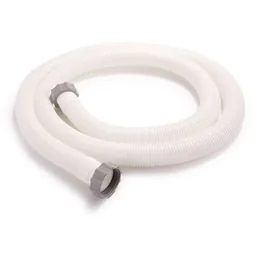
Warning: The electrical installation of a pool pump must only be carried out by a qualified electrician. Working with 230 Volt near water is life-threatening. In addition, special safety extra-low voltages (SELV), such as those used with a
are required for certain areas.
Which pump is suitable for which pool?
Our testing shows clear recommendations for different applications.
Small above-ground pools (up to approx. 10 m³)
Simple cartridge filter pumps with a flow rate of up to 4 m³/h are often sufficient here. They are lightweight, affordable and reliably do the job. A complete set including suitable hoses is practical.
Medium to large family pools (10 - 50 m³)
This is the classic application for sand filter pumps. Choose a flow rate of 6 to 12 m³/h. A model with a 6-way valve makes backwashing easier. A variable-speed motor is particularly useful here for saving electricity.
Large pools and commercial systems (from 50 m³)
Powerful sand filter pumps or professional circulation pump systems are used here. Flow rates from 15 m³/h are standard. Several pumps are often connected in parallel, or three-phase motors are used. Seek professional advice for these applications.

How do I install and maintain my pool pump correctly?
Correct installation and regular maintenance can significantly extend the service life of your pump.
The right location
Always place the pump in a dry, level and frost-free location. It should be positioned below the water level to ensure easy priming. Make sure there is good ventilation to prevent the motor from overheating.
Getting started
Before starting the pump for the first time, always fill the pump basket and pre-filter with water. This prevents dry running and protects the seals. Connect the suction and pressure sides correctly. The 6-way valve must be set to "Filter".
Regular maintenance
- Daily: Check for leaks and unusual noises.
- Weekly: Clean the skimmer and pump basket. Check the pressure on the pressure gauge.
- Monthly: Backwash the sand filter when the pressure rises by 0.3-0.5 bar.
- Seasonally: Winterize the pump.
Note: Combine your filter pump with a suitable disinfection system, such as a salt chlorinator or an automatic chlorine dosing system. A practical 2-in-1 accessory such as the
makes water care easier.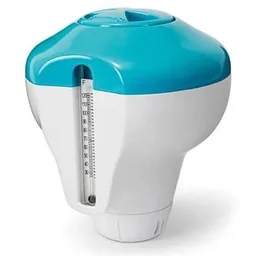
How can I save electricity with my pool pump?
The pump is the biggest energy consumer in your pool system. These measures can help you reduce costs.
Use a variable-speed pump: This is the most effective way to reduce consumption. Run the pump at a low speed during normal operation.
Optimize the runtime: 6-8 hours a day is often enough. Switch it off at night or during cooler periods. A timer can help.
Keep the filter clean: A dirty filter increases resistance and forces the pump to work harder. Backwash it regularly.
Choose the right size: An oversized pump always uses too much electricity. Calculate your requirements carefully.
The best pool pumps compared directly in 2026
Several models on the market have stood out for their performance, reliability and efficiency. Our comparison will help you make the right choice.
The most-reviewed pool pumps in our range compared directly:
| Model | Customer rating | Availability |
|---|---|---|
| 12/230 Volt electric motor pump | – | Currently unavailable |
| 2-in-1 chlorine floater with thermometer | – | Currently unavailable |
| 3mx38mm hose with nuts | – | Currently unavailable |
| Baby Blue Airbed | – | Currently unavailable |
| Baby Blue Cushion | – | Currently unavailable |
Discover our full range of high-quality pool pumps and find the perfect model for your pool. When planning your setup, also remember essential accessories such as hoses, skimmers and suitable disinfectants.
Frequently asked questions
- How long should a pool pump run each day?
- The runtime depends on the pool size, water temperature and usage. As a general rule, run the pump long enough to circulate all the pool water at least once a day. Under normal conditions, 6 to 8 hours is often sufficient. In midsummer or with intensive use, a longer runtime may be necessary.
- What is the difference between a sand filter pump and a cartridge filter pump?
- Sand filter pumps circulate water through a bed of filter sand that retains dirt particles. They are very robust, require little maintenance and are ideal for medium-sized to large pools. Cartridge filter pumps use a fine filter fleece inside a cartridge. They are more compact and easier to clean, but are better suited to smaller pools with less dirt.
- Is a variable-speed pool pump worth it?
- Yes, in most cases a variable-speed pump is a worthwhile investment. It adjusts the performance and therefore the energy consumption to the actual demand. A low setting is often sufficient for normal filtration. Only switch to a higher setting for heavy use or when backwashing the filter. This can significantly reduce electricity costs.
- How often do I need to clean a pool pump filter?
- The cleaning intervals depend on the filter type and pool usage. Check the pressure gauge weekly. If the pressure rises significantly above the normal level (around 0.3 to 0.5 bar higher), a sand filter needs to be backwashed or a cartridge needs to be cleaned. This may be necessary more often after heavy contamination or a storm.
- Can I replace my old pool pump myself?
- Experienced DIY enthusiasts can often replace an old pump with a new one themselves. Make sure the connections and hose diameters are compatible. However, the electrical installation should always be carried out by a qualified electrician to comply with all safety regulations and prevent hazards.