
In brief: A garden sieve can significantly improve soil quality. Use it to remove stones, weed roots and coarse material. The result is fine, loose soil that holds water more effectively, distributes nutrients efficiently and gives roots room to grow. This creates the ideal foundation for healthy, vigorous plants.
Are your plants struggling, your vegetables refusing to grow and your lawn looking more like a steppe? The cause is often right beneath your feet: the soil. Compacted, stony or nutrient-poor soil holds back plant growth. But before you resort to expensive soil replacement, there is a simple yet highly effective tool that can work wonders: a garden sieve.
With a garden sieve, you can transform problem areas in your garden into fertile beds. You create the perfect foundation for strong roots, lush growth and a plentiful harvest. It is the first and most important step towards improving your garden soil sustainably.
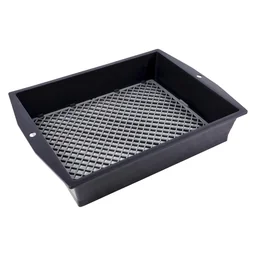
For this job, you need a reliable partner. The is made for exactly this purpose. With its two interchangeable inserts for coarse (12 mm) and fine (6 mm) mesh, you can adapt it to any task. Whether you want to refine compost or remove stones from a vegetable bed, this sieve is the ideal tool for any keen gardener.
How can you tell if your garden soil is poor?
Good soil smells fresh and earthy, has a loose, crumbly structure and is full of life. Poor soil, on the other hand, shows clear warning signs. Look out for these indicators in your garden:
- Waterlogging: Puddles remain in the bed for a long time after rain. The water cannot drain away because the soil is too compacted. This can lead to root rot.
- Hard, cracked surface: In dry conditions, the soil splits open and becomes rock-hard. Roots can barely penetrate this barrier.
- Stunted plant growth: Plants remain small, leaves are yellowish and the harvest is poor. The soil lacks essential nutrients.
- Many stones and building debris: In new-build areas in particular, soil often contains building waste that blocks root growth.
- Dominance of indicator plants: Persistent weeds such as horsetail or ground elder indicate compacted, often acidic and nutrient-poor soil.
If you notice one or more of these symptoms in your beds, it is time to take action. A soil test can also provide information about the pH value and nutrient content.
Why is sifting soil so important?
Sifting garden soil does more than improve its appearance. It is a fundamental soil-preparation step with direct benefits for your plants. You create a uniform, fine-crumb structure that forms the foundation for a healthy garden.
Sifted soil lets the delicate roots of seedlings and seeds spread unhindered. They do not encounter stones or hard clods of soil, allowing them to develop faster and more vigorously. At the same time, soil aeration improves, which is crucial for root respiration and microorganism activity. Water and nutrient uptake are also improved, as water seeps away more evenly instead of simply running off the surface.
Well-aerated, fine-crumb soil is the lungs and stomach of a plant. Without this foundation, no plant can reach its full potential.
7 top tips for improving your soil with a garden soil sifter
A garden soil sifter is more versatile than you might think. Here are seven practical ways to use this simple tool to significantly improve the quality of your garden soil.
Tip 1: Remove stones and coarse debris
The most obvious benefit: you can clear stones, old roots and rubble from your garden beds. These unwanted materials not only restrict root growth, but also absorb heat during the day and dry out the soil. Shovel the top 15-20 cm of soil from your bed onto a tarp or straight into a wheelbarrow. Then sift the soil a shovelful at a time through a coarse mesh. Fine soil falls through, while stones and larger clumps stay in the sifter.
Tip 2: Remove invasive weed roots
Persistent weeds that spread through their roots, such as bishop's weed, quackgrass and bindweed, are a nightmare for many gardeners. Even the smallest piece of root left in the soil can sprout again. When you dig over the soil, you often just break up the roots and make the problem worse. Sifting the excavated soil reliably catches those telltale white root networks. This gives you a clean bed to start the season and makes weed control much easier.
Important note
Never put the roots of bishop's weed, quackgrass and similar weeds in your compost pile! They can survive and spread throughout the garden again with the finished compost. Put these roots in your household trash.
Tip 3: Sift your own compost
Well-rotted compost is a gardener's gold. However, it often still contains twigs, nutshells or eggshells that have not fully broken down. Sift the compost before spreading it on your beds. Use the fine, nutrient-rich compost directly around your plants. Return the coarse material to the compost pile, where it adds valuable microorganisms and speeds up the next composting cycle.
Pro tip
Mix sifted compost with a little sand and garden soil. This blend is a great starting mix for young plants and a nutrient-rich base for any vegetable garden bed. You can also mix in a specialty plant and flower fertilizer.
Tip 4: Make your own seed-starting mix
Store-bought seed-starting mix can be expensive. With a garden soil sifter, you can make your own high-quality mix. Use one third well-rotted, finely sifted compost, one third garden soil (also finely sifted) and one third sand. The fine mesh size (for example, the 6-mm insert) is key. The result is loose, low in nutrients and well aerated, giving young seedlings ideal conditions for strong root growth.
Tip 5: Improve your soil structure
Is your soil rock-hard clay, or does it run through your fingers like sand? A garden soil sifter is a good first step toward improving it. For heavy clay soil, sift it while dry to break up clumps. Then work in coarse sand and compost to loosen the soil. If your soil is too sandy, sift it to remove organic debris such as pieces of wood. Then mix in plenty of compost and, if needed, some clay meal (bentonite) to help the soil retain water and nutrients.
More tips
Organic matter is essential for healthy soil. Along with compost, aged manure such as horse manure pellets or green manure can help boost soil life and improve the structure over time.
Tip 6: Prepare your lawn area properly
A well-prepared seedbed is essential for a dense, green lawn. After digging and leveling the area, use a garden soil sifter to remove stones, roots and clumps of soil from the top layer. Grass seed germinates evenly and develops a dense root system only on a fine, level surface. This also helps prevent uneven spots that could become tripping hazards later.
Tip 7: Fill raised beds and planters properly
Loose, high-quality soil is especially important in raised beds and planters, where root space is limited. The top layer (approx. 20-30 cm) should always be a blend of finely sifted garden soil and well-rotted, sifted compost. This gives your plants the best possible conditions from the start, so they do not have to struggle through compacted soil or around obstacles.
Which garden soil sifter is right for you?
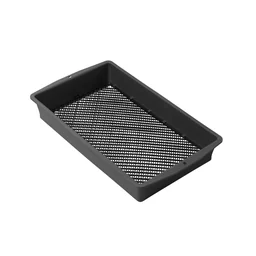
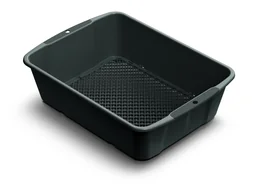
Choosing the right sifter depends on your garden and what you plan to do. For most jobs, a versatile model is the best choice. The handles the most common tasks with its two inserts (6 mm and 12 mm), from coarse soil preparation to making fine seed-starting mix.
If you want a slightly larger model, the 2-in-1 garden soil sifter is a good alternative. For smaller amounts or working directly in a garden bed, the handy RESPANA garden soil sifter. A sturdy frame and durable mesh that can handle heavy clay soil are essential. The right garden tools make the work easier and help you get better results.
After sifting: How can you enrich your soil?
Sifting gives you the right soil texture. Next, you can improve its biological activity and nutrient content. The sifted, loose soil is ready to absorb nutrients and organic matter effectively.
Work in plenty of well-rotted compost, feather meal or organic fertilizer. These materials supply nutrients to your plants and feed the life in your soil. Earthworms and microorganisms are essential for a stable soil structure and for converting nutrients into forms plants can absorb. A mulch layer made from grass clippings, leaves or bark mulch protects the soil from drying out, suppresses weeds and continuously adds organic matter.
The wise gardener does not fertilize the plant, but the soil. Healthy soil nourishes the plant all by itself.
A garden soil sifter is a small investment with a big impact. It improves growing conditions for your plants in the short term and helps lay the foundation for healthy, fertile, living soil over time. Take control of your soil's quality.
Frequently asked questions
- How often should I sift my garden soil?
- Sift the soil before planting something new or preparing beds in spring. In established beds, it’s enough to refresh the top layer every two to three years. Sift compost before each application to separate finished compost from coarse material.
- What mesh size is best for a garden soil sifter?
- For most gardening tasks, a 10-12 mm mesh is ideal for removing stones and coarse weeds. For fine seed-starting mix or sifting sand, choose a finer mesh of around 5-6 mm. Adjustable sifters offer the most flexibility for different gardening tasks.
- Can I sift wet soil?
- Avoid sifting wet soil. Clay-rich, damp soil clogs the mesh, making the work slow and ineffective. Let the soil dry until it’s only slightly damp and crumbly. Then it will pass easily through the sifter.
- What should I do with the stones I sift out?
- Don’t throw them away. Larger stones make an ideal drainage layer at the bottom of raised beds or planters and help prevent waterlogging. Smaller pebbles can be used as decorative mulch or to secure garden paths.
- Does sifting help with very clayey or sandy soil?
- Yes, sifting is the first step. For clay soil, sift it, then mix in sand and compost to loosen it. For sandy soil, sifting removes organic debris before you work in compost and clay powder to help the soil retain water and nutrients.
You might also be interested in
- XL 2-in-1 Garden Sieve: Guide to Perfect Compost & Garden Soil
- Choosing Potting Soil: The Best Soil for Healthy Plants
- Green Thumb: 7 Tips for Successful Gardening
- Make Gardening Easier: 10 Clever Tips for Garden Bags
- 7 Genius Garden Hacks: How to Use Garden Fixing Pegs Correctly
- Garden & Balcony: 7 Clever Ideas Using Privacy Netting