
In brief: Powdery mildew and cabbage white butterflies are particularly active in July. Treat powdery mildew with milk-and-water mixtures (1:9) or sulphur preparations. Identify downy mildew by yellow patches on the upper leaf surfaces and grey fungal growth underneath; copper-based fungicides can help here. Protect brassicas from cabbage white butterflies with fine-mesh vegetable nets immediately after planting. Check your cabbage plants regularly for eggs and caterpillars and remove them by hand.
Pest Control in July: Powdery Mildew & Cabbage White Butterflies
July brings heat, long days and often ideal conditions for two persistent garden pests: powdery mildew fungi and cabbage white butterflies. While one appears as a white coating on leaves, the others chew their way through your cabbages as green caterpillars. Tackling them early will help secure your harvest.
Controlling Powdery Mildew: Fungi in the Summer Garden
Powdery mildew is not a single pest. A distinction is made between powdery mildew and downy mildew. Both weaken your plants, but their biology and control methods differ fundamentally.
How can I identify powdery mildew?
Powdery mildew forms a flour-like, white-grey coating on the upper and lower leaf surfaces. It makes the leaves look dusted. The fungus attacks courgettes, cucumbers, roses, gooseberries and many ornamental plants. It thrives on warm days with cool nights and does not need wet leaves to grow.
Expert tip
Plant resistant varieties. Many cucumber and courgette varieties have been bred with “powdery mildew tolerance”. Water your plants at the roots in the morning so the foliage can dry by evening. Avoid overfertilising with nitrogen, as this makes plant tissue soft and susceptible.
What helps against powdery mildew?
At the first signs, cut off affected leaves immediately. Dispose of them in household waste, not on the compost heap. A tried-and-tested home remedy is a mixture of fresh milk and water in a ratio of 1:9. Spray the plants every few days. The lactic acid bacteria help combat the fungus.
For direct treatment, specialist fungicides are available from garden centres and specialist retailers. Sulphur or wettable sulphur preparations work well against powdery mildew in dry weather. Follow the application instructions strictly.
“The best weapon against powdery mildew is a healthy, vigorous plant. Make sure plants have enough space for air to circulate and choose a sunny position. Stressed plants are always more susceptible.”
Identifying and Stopping Downy Mildew
Downy mildew is more insidious. Yellow, often angular patches appear on the upper leaf surface. In damp conditions, grey to purplish fungal growth develops underneath. It mainly affects lettuce, spinach, onions and grapevines.
Why is downy mildew so dangerous?
This fungus penetrates the leaf tissue and destroys it from within. Affected leaves wilt and die. Downy mildew needs moisture on the leaves to germinate. Long periods of rain or heavy dew in July therefore strongly encourage it.
Important note
Fungicides for powdery mildew often do not work against downy mildew, and vice versa. Read the plant protection product label carefully. Products containing copper oxychloride or other specific active ingredients are often needed against downy mildew.
Preventing downy mildew
Water from below, for example with drip irrigation. This keeps the leaves dry. A wide crop rotation is essential: do not grow susceptible species in the same bed for several years in a row. Remove all plant debris thoroughly in autumn.
It is worth being prepared just in case. In our plant protection category, you will find suitable products for targeted control.
Repelling Cabbage White Butterflies: Protecting Brassicas
The white butterfly with black spots is not just a pretty garden visitor but the adult form of the cabbage white. Its green caterpillars can strip entire cabbage plants in a short time.
How can I prevent cabbage white butterfly infestations?
The most effective method is physical protection. Immediately after planting, cover your brassicas with fine-mesh vegetable netting or fleece. Make sure the edges sit flush with the ground so that no butterflies can get underneath.
Protection must be in place from the start. The butterflies lay their elongated yellow eggs in groups on the undersides of leaves. After a few days, the voracious caterpillars hatch. Check your plants regularly.
“Cabbage white butterflies find their host plants by smell. This explains why they can locate every cabbage plant so accurately, even in small gardens. Companion planting with strongly scented partners such as tomatoes, celery or marigolds can make the search more difficult.”
What should I do if caterpillars are eating my cabbage?
For a light infestation, simply remove the caterpillars and eggs by hand. Wear gloves. In the event of a heavier infestation, you can use biological products based on Bacillus thuringiensis. This bacterial preparation works specifically against caterpillars and is gentle on beneficial insects.
Strengthen your plants in general. A good supply of nutrients, for example from a special summer fertiliser, makes them more resilient. Healthy, fast-growing cabbage tolerates light feeding damage better.
Additional advice
Attract natural predators. Birds, parasitic wasps and ground beetles eat cabbage white butterfly eggs and caterpillars. A wildlife-friendly garden with hedges, insect-friendly flower strips and nesting aids encourages these beneficial insects and animals. Avoid using broad-spectrum insecticides.
Plant Protection in July: The Right Strategy
July is the peak growing season. Your plants now need special attention to stay healthy. Combine preventive measures with targeted action.
Garden Hygiene in Midsummer
Remove diseased plant material immediately. Loosen the soil regularly to aerate the roots. Mulch with straw or grass clippings to retain soil moisture and reduce splash water. This lowers the risk of fungal infections.
For all measures against pests, you will find suitable solutions in our extensive pest control category.
Using Biological and Chemical Treatments
Always try mechanical and biological methods first: nets, hand-picking and beneficial insects. If you need to use plant protection products, choose targeted treatments. Broad-spectrum products also harm beneficial insects.
Products such as
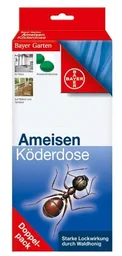
(Aparasit Pest Control, 750 ml) can be helpful against a broader range of pests. For targeted control of crawling pests, bait stations such as (Ant bait station 2-pack).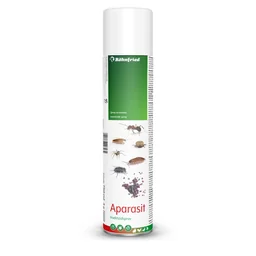
Conclusion: A Healthy Garden Despite the Summer Heat
With a watchful eye and timely action, you can control powdery mildew and cabbage white butterflies in July. Check your plants daily. Act at the first signs before the pest multiplies rapidly.
A well-maintained garden is the best foundation. The right tools and supplies can support you. For more inspiration, browse our summer toys category or discover practical Little items2 for the home and garden. This way, you can enjoy a healthy, productive summer in your green space.
Frequently Asked Questions
- What is the difference between powdery mildew and downy mildew?
- Powdery mildew forms a mealy, white coating on the upper sides of leaves. It occurs in warm, dry weather. Downy mildew causes yellow to brown spots on the upper side and a greyish-purple layer of spores on the underside of the leaves. It requires moisture and spreads in cool, damp weather.
- When do I need to protect my vegetable patch from cabbage white butterflies?
- Put up vegetable protection nets or fleece immediately after planting or sowing your brassicas. The first butterflies appear from April, while the main flight period is in July and August. Continuous protection until harvest prevents the butterflies from laying their eggs.
- Does baking soda really help against powdery mildew?
- Baking soda can create an alkaline film on the leaves in cases of powdery mildew, inhibiting the fungus. Mix 1 packet of baking soda with 20 ml of rapeseed oil and 2 liters of water. Spray the plants preventively every 7-14 days. In cases of severe infestation, approved fungicides from specialist retailers are often more effective.
- Can I still eat cabbage leaves infested with caterpillars?
- Leaves with minor damage can be eaten after thorough washing and removing the caterpillars and feeding damage. You should discard leaves that are badly perforated or covered with many caterpillars. Before eating, always check whether caterpillars are still hiding in the leaf folds or the heart of the plant.
- Which plants besides cabbage are affected by cabbage white butterflies?
- Cabbage white butterflies attack all brassicas. In addition to all types of cabbage (white cabbage, red cabbage, broccoli and cauliflower), these include rocket, radishes, daikon, kohlrabi and ornamental plants such as wallflowers and stocks. When planning crop rotation, avoid growing several brassicas in succession in the same area.
You may also be interested in
- Gardening Tips for July: What to Do in Midsummer
- How to Control Powdery Mildew: Home Remedies & Biological Solutions for Healthy Plants
- Effective Pest Control in the Garden: Tips & Tricks
- Caterpillar Infestation in the Garden: Effective Control Without Chemicals
- How to Identify and Control Aphids: Effective Strategies for Your Garden
- Moths in the Home & Garden: Effective Control and Prevention