
In brief: Privacy fence height is governed by neighbor law and regional building codes. In residential areas, setbacks of 1,80 to 2,00 metres from the property line often apply. Directly on the property line, only 1,20 to 1,50 metres is usually allowed without consent. Exact limits vary by federal state and local development plan. Check local rules early and, ideally, discuss your plans with your neighbors.
Privacy Fence Height: Rules and Planning Guide
You want more privacy in your garden. A tall privacy fence may seem like the answer. Before buying materials and getting started, though, you need to understand the rules. German building law is complex and varies by location.
A fence is more than a property boundary. It affects the look of the neighborhood and your relationship with your neighbors. The permitted height of your privacy fence depends on three factors: its distance from the property line, your federal state's building code and any local regulations.
Mistakes can be expensive. A fence that's too high may have to be taken down at your expense. This planning guide will help you understand the legal requirements.
How high can a fence be on the property line?
The simplest rule of thumb is also the most restrictive. If you build your privacy fence directly on the property line or immediately behind it, lower height limits usually apply. These limits help preserve daylight and ventilation for the neighboring property.
In many federal states, the limit is between 1,20 and 1,50 metres. A traditional picket fence or rustic hunting fence often reaches this height. It's rarely high enough for complete privacy.
For example, the Bavarian Building Code allows boundary fences up to 2,00 metres high, but only if they let light through (e.g. chain-link or grille fencing). Solid panels are often subject to the lower limit.
“The most common misconception concerns building directly on the property line. Many property owners assume there's a blanket two-metre rule. There isn't. The deciding factors are always the exact distance from the property line and the type of construction.”
What role does the setback play?
Would you like a taller privacy fence? Then you'll need to leave some space. Most regional building codes allow taller fences as the distance from the property line increases.
Typically, a fence 1,80 to 2,00 metres high must be set back two or three metres from the property line. This space must be entirely on your property.
Measure the distance from the outside edge of the fence foundation or fence post. Leave enough room from the outset. Our garden tools category can help you measure accurately.
Important note
The figures here are examples. Local building rules may differ. A good starting point is your municipality's local development plan, available from the building authority. Don't rely solely on general online research.
Which rules apply in my federal state?
Germany has 16 different regional building codes. Each federal state regulates boundary fences independently, so the rules vary.
In North Rhine-Westphalia, for example, an opaque fence built directly on the property line may be no more than 1,20 metres high. In Baden-Württemberg, such fences may be 1,80 metres high on the property line if the neighbor agrees. In Saxony, the limit is 2,00 metres, again often only with the neighbor's consent.
As you can see, comparing rules across federal states is essential. Visit your state government's website or contact your local building authority directly.
What does the local development plan say?
The regional building code is only the starting point. Your municipality's local development plan provides more specific details. It sets out what construction is allowed in precisely defined areas.
The local development plan may include requirements for:
- Type of boundary fence (e.g. “living”, “open” or “solid”)
- Maximum height for front yards and side boundaries
- Materials to be used (often for front yards)
If there is no local development plan, only the regional building code applies. If there is one, it takes precedence. The Garden + Outdoor category offers ideas for designs that meet the requirements.
“The local development plan is the key document for any property owner planning construction work. I always recommend reviewing it before planning begins. It often contains unexpected restrictions, but it can also offer design options you may not have considered.”
How can I plan a privacy fence that complies with the law?
Good planning helps prevent problems. Follow these steps before breaking ground.
First, clarify the legal requirements. Get the necessary information from your local authority. Then talk with your neighbors. Even if your project complies with the rules, being transparent is always worthwhile.
Next, choose the material and style. A privacy fence doesn't always have to be a solid wood fence. Gabions, glass panels or climbing plants on a trellis can be creative alternatives that are less likely to cause conflict.
Expert tip
Create a project file. Keep a copy of the local development plan, written consent from your neighbors and photos of the original site. This documentation can be crucial if disagreements with the authorities or neighbors arise later.
Your fence planning checklist
- Check the legal requirements: Review the regional building code and local development plan.
- Inform your neighbors: Talk with them early and get their consent.
- Measure the property line: If you're unsure, have a surveyor confirm the exact boundary.
- Choose the material: Select one that meets the rules and suits your preferred design. Find accessories for many projects in the garden equipment section.
- Calculate the costs: Include the foundation, materials, any permit fees and labor.
What alternatives are there to a high fence?
If you can't build as high as you'd like, you'll need to rethink your approach. Fortunately, there are plenty of smart alternatives.
Plants offer a living alternative. A fast-growing hedge of thuja or cherry laurel provides dense privacy screening. Keep in mind that local laws may also set specific rules for hedge height and distance from your neighbor's property.
Privacy screens don't have to stand on the ground. On a patio or balcony, tall planters with bamboo can block unwanted views. Flexible solutions such as
(height-adjustable trestles with tarps) are ideal for temporary or mobile use.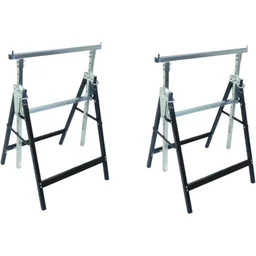
Carefully positioning patio furniture, shade sails, or pergolas can also block sightlines and create private spaces. Find inspiration for these design elements in our patio furniture covers category and similar sections.
Additional advice
Think about practical considerations, too. A very tall, wind-resistant fence acts like a sail and needs an especially stable foundation. When planning, make sure you can access the back of the fence for maintenance and upkeep.
What should you do if you have a dispute with your neighbor?
Even with careful planning, disputes can arise. Your neighbor may object to the fence's height or claim it's on their property.
Stay calm. Refer to your research and the documents you've gathered, and share your records with your neighbor. A factual conversation often resolves the issue.
If that doesn't work, mediation with a neutral third party may help. As a last resort, you can take legal action or contact your local building department. Both options can be time-consuming and expensive.
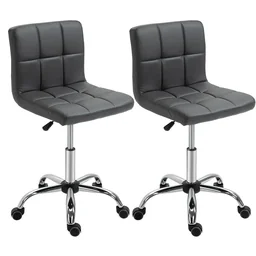
Working close to a property line can be challenging. Comfortable, stable equipment such as

How can you prevent disputes from the start?
The best strategy is to prevent problems before they start. Let your neighbors know early, ideally with a sketch, and ask if they have any concerns.
Offer compromises. For example, you could add a planted trellis on your side of the fence that looks attractive from their side, or set the fence back slightly from the property line.
A small concession during planning can help keep the peace for years. A good relationship with your neighbors is often worth more than those last five centimeters of fence height.
Conclusion: Plan ahead for privacy without conflict
A privacy fence is a worthwhile investment in your quality of life. Careful preparation is key. Legal requirements aren't a hassle; they help ensure fairness between neighbors.
Don't ignore the rules. The supposedly quicker “just build it” approach almost always leads to long, expensive disputes. Use the resources available to you: your local building department, specialists, and our wide range of garden and plant care accessories to put your plans into action.
With thoughtful planning that respects both the law and good neighborly relations, you can create a lasting, peaceful private oasis. Get started today.
Frequently asked questions
- What is the maximum height for a privacy fence?
- There is no single maximum height. It depends on how far the fence is from the property line. Directly on the property line, a height of only 1.20 m to 1.50 m is often allowed. If you set the fence back farther (often 2-3 metres from the property line), you can usually build it up to 1.80 m or 2.00 m high. The exact limits are set by your state's building code and local development plan.
- Do I need my neighbor's consent to build a higher fence?
- If the fence exceeds the height limits set by your state's building code, you formally need your neighbor's consent. Get it in writing. Even if your fence meets the legal height limits, it's a good idea to discuss your plans in advance to avoid disputes later. A friendly conversation can often clarify more than pages of regulations.
- What happens if my fence is too high?
- A fence that's too high may be considered an unlawful structure. Your neighbor can demand that you remove it or reduce it to the permitted height. In the worst case, the authorities may order you to take it down at your own expense. If you ignore the order, you may face fines, or the authorities may arrange for the work to be done and charge you for it.
- Do different rules apply to front yards?
- Yes, stricter rules often apply to front yards to preserve an open streetscape. In many cases, only very low fences up to 1.00 metre or certain open designs, such as ornamental railings, are allowed. Your local development plan or municipal design regulations provide binding details.
- Where can I find the exact rules for my property?
- The binding rules are set out in your state's building code, the local development plan and any design regulations issued by your municipality. You can view the development plan through your local planning or building department. Calling the building department or visiting your local government's website can often give you an initial answer.
You may also be interested in
- Build your own privacy fence: Planning and materials
- Garden fence: Neighbor laws and design tips
- Build your own garden privacy screen: Ideas for more privacy
- Buy privacy screen netting: The ultimate guide for gardens and fences
- Privacy screen netting vs. tarps: The ultimate fence screen comparison
- Planting along a garden fence: Privacy and design ideas