
In brief: Protect your herb garden from slugs organically by combining mechanical barriers, natural deterrents and measures to encourage beneficial wildlife. Metal slug barriers, such as PRODUCT_38727, provide lasting protection. Scatter sharp-edged materials such as lava granules or sawdust around the beds. Create a wildlife-friendly garden with hedgehogs, birds and ground beetles that eat slugs. Collecting slugs by hand in the evening reduces an infestation immediately.
Table of contents
How can I protect my herb garden from slugs sustainably?
Organic protection for your herb garden is based on several measures. Combine mechanical barriers with natural deterrents and a stronger ecosystem. Chemical slug pellets are not an option if you want to harvest basil and parsley safely later.
The first step is to assess the situation. Check your beds early in the morning or on damp evenings. Remove any slugs you find immediately. This significantly reduces the population and feeding pressure. Keep the area around the bed closely mown so that slugs have no damp hiding places.
Healthy, lively soil is more resilient. Regularly work in compost. This encourages active soil life and strong plants that can better withstand damage. Use mulch made from materials slugs dislike, such as straw or fern leaves.
Regularly collecting slugs by hand is still the most effective control method. It may sound simple, but if you do it consistently for two weeks, you will have reduced the problem by 80 to 90 per cent.
Preparing the bed properly
Prepare your herb garden for protection from the start. Dig a bed approximately 20 cm deep. Fill the bottom 10 cm with coarse gravel or crushed stone. This provides drainage and makes it more difficult for slugs to burrow in.
Do not plant your herbs too closely together. Leave space between the plants. This allows the foliage to dry more quickly after rain and provides fewer damp hiding places. Water directly in the morning, not in the evening. The soil will then have dried out again by night.
Expert tip
Place boards or upturned terracotta pots around the bed as inspection traps. Slugs hide underneath them during the day. You can then simply collect the animals and relocate or dispose of them.
Which barriers effectively stop slugs?
Mechanical barriers are the most reliable physical method. They work immediately without any waiting period. Choosing the right material is crucial for success.
A metal slug barrier provides lasting protection. It must be at least 20 cm high and have an outward-angled top edge. This prevents slugs from climbing over it. A set such as
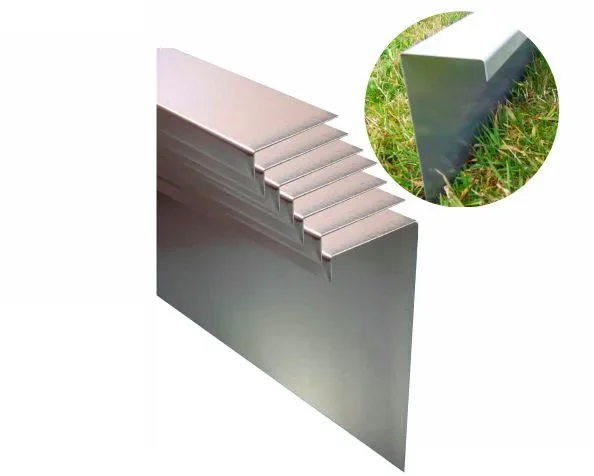
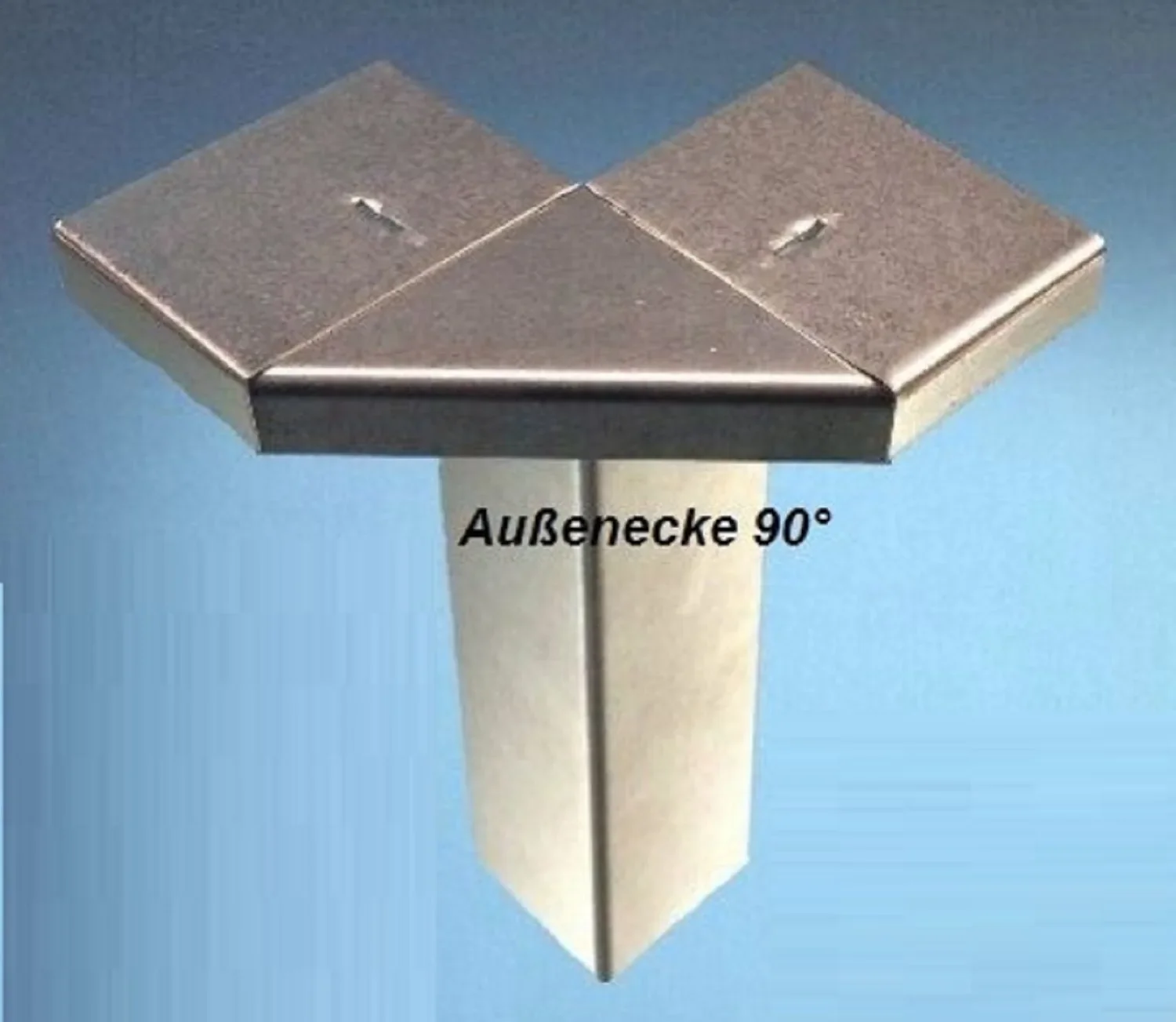
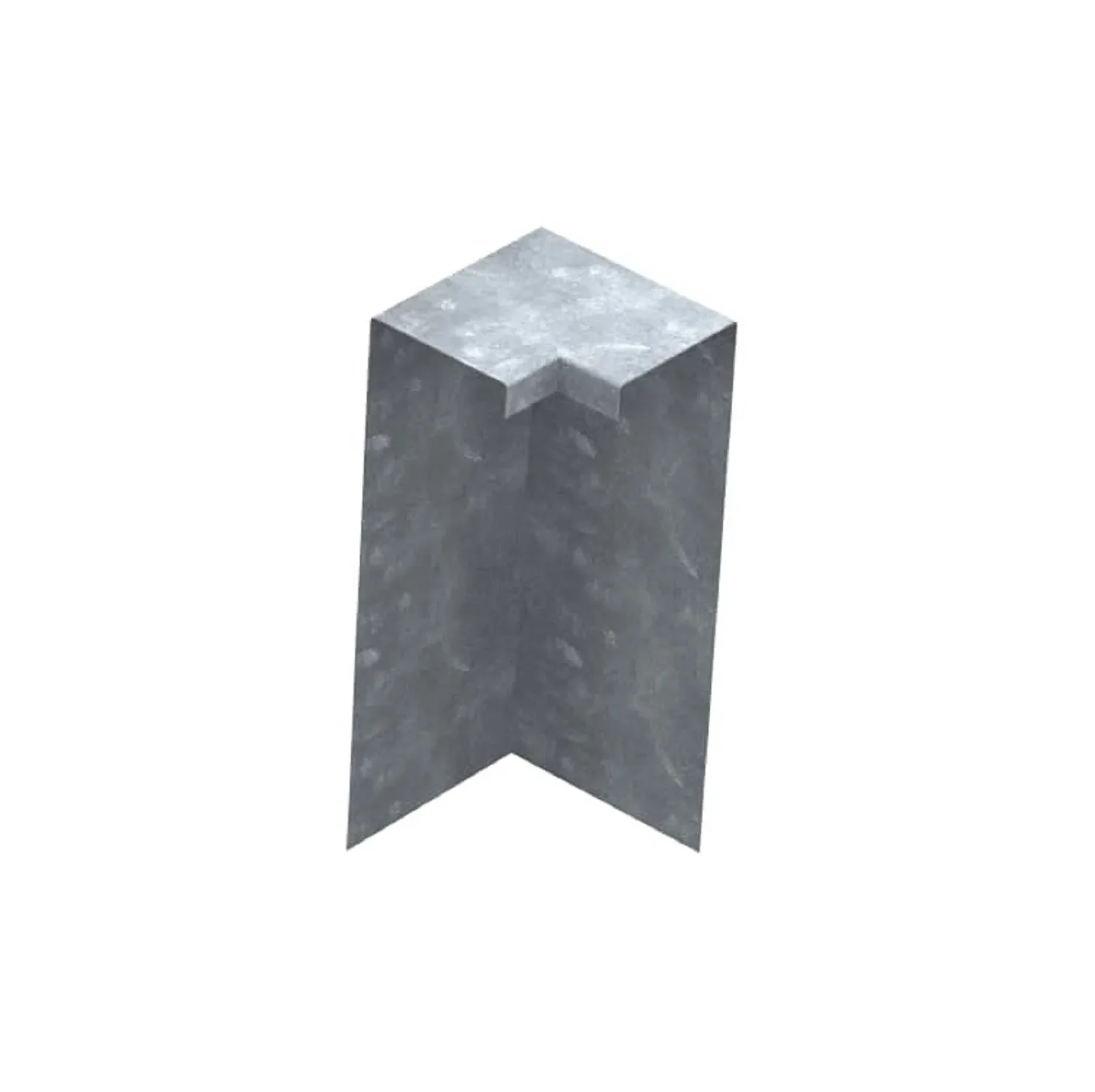
Install the barrier so that it extends approximately 5 to 10 cm into the soil. This prevents the animals from crawling underneath it. Make sure that no plants extend over the barrier, as they can act as a bridge.
Protective covers are suitable for individual plants or raised beds. A fine-mesh protective net or a special frame can be placed over the bed at night. Remove it again during the day so that light and air can circulate.
Scattering natural barriers
Rings of sharp-edged or absorbent materials act as a deterrent. Slugs avoid crawling across these strips.
- Sawdust or wood shavings: Absorb slime and dry out the slugs. Replace after rain.
- Rock dust or quicklime: Draws moisture from the slugs. Use with caution, as it can affect the soil pH.
- Lava granules: The sharp-edged grains injure the soft bodies of slugs. Products such as are designed for this purpose and last longer than fine materials.
- Eggshells or crushed shell limestone: An inexpensive option made from household waste.

Apply all granular materials in a continuous ring at least 30 cm wide around the bed or plant. Gaps make the barrier ineffective.
Important note
Salt is not an acceptable method of controlling slugs. It causes the animals severe suffering and seriously damages the soil. Salt accumulation can cause lasting damage to your plants and soil life.
Which plants and home remedies deter slugs?
Certain plants deter slugs with their strong scents. Use them as living barriers in your bed or plant them in a ring around vulnerable herbs.
Nasturtiums and mustard are irresistible to slugs. Plant them a little way away from your herb bed as sacrificial plants. The slugs will focus on these plants and are more likely to leave your valuable herbs alone. Check the sacrificial plants regularly and remove the slugs.
Home remedies such as coffee grounds are controversial, but effective. Fresh, damp coffee grounds contain caffeine, which is toxic to slugs. Spread them over a wide area. The effect lasts until the next heavy rainfall.
A brew made from fern leaves or wormwood can be used as a spray. Boil about 100 grams of fresh herbs in one litre of water, leave to infuse and strain. Dilute the brew and spray it on and around the plants. The bitter taste keeps slugs away.
Slug fences are by far the most effective mechanical barrier. However, they must be installed correctly, with no way for slugs to bypass them via overhanging leaves or weeds.
Water as an impassable barrier
Slugs cannot swim. A homemade water trench is an original solution. Dig a trench around your bed about ten centimetres wide and deep. Line it with sturdy plastic sheeting and fill it with water. However, this requires regular checks of the water level.
For potted herbs, place the pots in saucers filled with water. Make sure there is no contact between the rim of the pot and the water surface. This protects your container plants on the patio or balcony.
How can I attract beneficial wildlife to my garden?
A natural balance is the best long-term protection. Encourage the natural predators of slugs. They will do sustainable pest control for you.
Hedgehogs are the best-known slug predators. Provide them with shelter in a wildlife-friendly garden. A pile of leaves and dead wood in a quiet corner is all they need. Avoid slug pellets, which can also be fatal to hedgehogs.
Birds such as blackbirds, starlings and magpies eat slugs and their eggs. Put up nest boxes and plant berry-bearing shrubs. A shallow bowl of fresh water will attract them. A wildlife-friendly garden with plenty of hiding places is a bird paradise.
Do not forget the smaller helpers. Ground beetles and their larvae are voracious predators. They live under stones, dead wood or dense ground cover. Leave some untidy corners with natural ground cover.
Toads and slow worms need damp hiding places. An upside-down terracotta pot, partly buried with an entrance hole, or a pile of stones provides ideal living conditions. A small garden pond nearby will attract amphibians.
Additional advice
Use robust materials for your garden pond or other building projects. A protective tarpaulin can help create damp habitats for beneficial wildlife or separate areas.
Breaking the life cycle
Do not just control adult slugs; deal with the eggs as well. In autumn, slugs lay their white, pearlescent egg clusters under stones, in cracks in the soil and among dense plant growth.
Loosen the soil around your herbs regularly with a hoe. This destroys potential egg-laying sites and brings eggs to the surface, where they dry out or are eaten by birds. A clean bed free of leftover plant material deprives them of their habitat.
What care will make my bed more resilient?
The right care strengthens your herbs from the inside out. Healthy plants with firm tissue are less attractive to slugs and can withstand light infestations better.
Fertilise organically and in moderation. An excess of nitrogen from synthetic fertilisers produces soft, lush growth – exactly what slugs love. Instead, incorporate mature compost or organic slow-release fertiliser such as horn meal. This encourages sturdy, aromatic growth.
Water deeply but less frequently. This encourages the plants to develop deeper roots and keeps the surface soil drier. Use a watering can with a spout and aim directly at the root area. Avoid watering the entire bed.
Cut your herbs back regularly. This encourages bushy, compact growth. Long, sprawling shoots often rest on the damp soil and practically invite slugs. For many herbs, such as basil and mint, pruning also improves the flavour.
The right location and bed design
Herbs usually need full sun. A sunny, well-ventilated location allows the soil to dry out faster and is less attractive to slugs than a shady, damp spot.
Raised beds are an excellent preventative measure. Their elevated position and the wooden walls often used are more difficult for slugs to climb. However, make sure that no climbing plants or weeds create a bridge from outside. For balconies, special raised herb beds are available and can also be fitted with a copper tape border.
Metal edging or steep wooden boards can also help. Combine them with copper tape, which is said to have an electrochemical effect. However, the effectiveness of copper alone is disputed and it does not work in wet weather.
For work on such structures or when handling tools, remember to put safety first. In our Workwear & Safety category, you will find suitable equipment.
Which plants are slug-resistant?
Choosing the right herbs is half the battle. Opt for varieties that slugs naturally avoid. This considerably reduces the amount of maintenance required.
All strongly aromatic Mediterranean herbs with a high essential oil content are largely safe:
- Thyme
- Rosemary
- Sage
- Lavender
- Summer savoury
- Hyssop
- Tarragon
These herbs prefer poor, well-drained soil and plenty of sun anyway – conditions that keep slugs away. Plant them around the edge of your bed. This creates an initial living line of protection.
Soft-leaved herbs require caution. They are at the top of the slugs’ menu:
- Basil (especially young shoots)
- Parsley (young leaves)
- Chervil
- Borage
- Mints (slightly less at risk, but not immune)
Protect these sensitive herbs specifically with the methods mentioned above. A small slug fence around the basil bed or a pot on a table with a windbreak net for shade can work wonders.
A well-planned mixed planting
Do not plant vulnerable and resistant herbs separately; mix them together instead. A slug that has to crawl through a rosemary bush to reach the basil will often be deterred. This method uses the protective effect of neighbouring plants.
Plant marigolds (Tagetes) among your herbs. They have an unpleasant scent for slugs and their root exudates also attract nematodes, which reduce harmful soil organisms. A healthy, diverse herb garden is less susceptible to every type of pest infestation.
With a combination of smart plant selection, mechanical barriers such as , natural remedies and the promotion of a thriving garden, you can protect your herb bed sustainably and organically. The effort is worthwhile for a plentiful, safe harvest from your own garden.
Frequently Asked Questions
- What herbs do slugs dislike?
- Slugs avoid strongly scented herbs that contain essential oils. Thyme, rosemary, sage, lavender and savory are largely resistant. Marjoram, borage and young parsley leaves, however, are often on their menu. A herb bed with a high proportion of Mediterranean herbs therefore offers natural protection.
- How tall should a slug fence be?
- An effective slug fence needs to be at least 15 centimeters high, or preferably 20 to 25 centimeters, as with PRODUCT_38727. The top edge is crucial: it must be bent outward to make it more difficult for slugs to get over. Carefully burying the fence 5-10 cm deep prevents slugs from crawling underneath.
- Do coffee grounds really keep slugs away?
- Yes, coffee grounds can deter slugs. The caffeine they contain is toxic to these animals. Sprinkle a wide, continuous ring of fresh, damp coffee grounds around vulnerable plants. Keep in mind that the effect wears off after heavy rain, so you will need to renew the ring. This method works well for small beds but is less practical for larger areas.
- Why are beer traps a problem for organic slug control?
- Beer traps attract slugs from a wide area and kill them. The problem is that they also draw many slugs into your garden that might otherwise have stayed away. Only a fraction drown; the rest feed on your plants first. The traps therefore increase local slug pressure and are not recommended.
- Which plants attract natural slug predators?
- To attract beneficial wildlife such as hedgehogs, plant native, dense shrubs like hazel or hawthorn to provide shelter. A small, natural corner with piles of deadwood and leaves is ideal. Berry-producing shrubs and nest boxes are helpful for birds. Ground beetles and toads need damp, sheltered hiding places beneath stones or clay pots.
You may also be interested in
- How to Get Rid of Slugs in the Garden: Effective & Natural Tips
- Plants That Repel Slugs: These Varieties Protect Your Garden Bed
- Marigolds and Slugs: The Natural Garden Protection Trick
- Electric Slug Fence: Chemical-Free Protection for Vegetable Beds
- Build a Raised Herb Bed: Instructions, Filling & Best Herbs
- How to Make a Slug Collar: Protect Your Plants Effectively