
In brief: Prune cherry laurel at the end of June, after the first strong flush of growth. For hard pruning, choose a frost-free day in late winter, before the plant starts to grow. Shape the hedge slightly narrower at the top, remove dead shoots directly at the base and use hand shears or loppers for larger branches.
Cherry laurel grows quickly, stays green in winter and forms a dense hedge with regular pruning. Without corrective pruning, however, the shoots spread out, the top shades the lower section and individual branches stick out of line.
The right time to prune cherry laurel depends on your goal. Light hedge pruning maintains its shape, while hard pruning rejuvenates older plants. Anyone caring for ornamental shrubs needs sharp tools, a clear cutting line and an eye on the weather.
When is the best time to prune cherry laurel?
For an established cherry laurel hedge, the end of June is the main pruning time. By then, the first strong flush of growth has peaked, spring flowering is usually over and you can bring the hedge neatly back into shape. Prune on an overcast, dry day without excessive heat.
Young cherry laurel often needs only light corrective pruning in its first few years. Shorten long side shoots so that the plant remains dense at the bottom. Wait until the plant is well rooted and growing strongly before making a major cut.
Why the end of June is a good time for the main pruning
Cherry laurel produces long, soft shoots in spring. When you shorten these shoots at the end of June, the plant directs its energy into more compact branching. A second, very light shaping cut is possible in August if growth is particularly vigorous.
In August, remove only individual stray shoots and fresh growth. Give the plant enough time for the cut surfaces to heal before winter. Radical pruning in late summer encourages soft new shoots that can be damaged by frost.
When hard pruning is worthwhile
For significant rejuvenation, choose a frost-free day between October and the end of February. Late winter, particularly February, is a good time because the plant is still dormant and new growth will soon begin. Remove old, bare or inward-growing shoots back to a strong branch junction.
Do not prune in frost, heavy rain or bright winter sunshine. Frozen wood breaks easily, wet cut surfaces dry slowly and strong sunlight can damage exposed branches and leaves.
Important note
Before every cut, check whether birds are nesting in the hedge. Between 1 March and 30 September, radical pruning and cutting back to ground level are prohibited under Section 39 of the Federal Nature Conservation Act. Gentle shaping and maintenance pruning remain permitted, provided you do not disturb nests or animals.
What preparation is needed for hedge pruning?
First decide on the desired height and width. A straight hedge is easier to achieve if you place a post at either end of the hedge and use a taut string as a guide for the top. Check the line from several metres away before picking up the shears.
The hedge should be slightly narrower at the top than at the base. This gentle slope allows light to reach the lower leaves and prevents the top from permanently shading the base. For a tall hedge, a difference of just a few centimetres per metre of height is enough.
Which tools are suitable?
- Manual hedge shears: These are suitable for soft, even shoots and produce clean cut edges on large leaves.
- Secateurs: Use them to remove individual stray shoots, thin side shoots and damaged twigs.
- Loppers or folding saw: Use these to cut thicker branches back in a controlled way to the branch collar.
- String, posts and tape measure: These tools help ensure an even top edge and consistent width.
- Gloves and safety glasses: These protect against sharp-edged leaves, springing branches and wood splinters.
Electric hedge trimmers save time on long hedges with small leaves. The large leaves of cherry laurel can quickly fray at the cut edges, however, if the blade cuts roughly. For an especially neat finish, trim the visible shoots with manual hedge shears or secateurs.
Clean and disinfect the blades before pruning and when switching between diseased and healthy plants. Resin, sap and dirt reduce cutting quality. In the Westfalia Shop you will find suitable work equipment; protective and maintenance equipment is available in the business supplies section.
The Royal Horticultural Society describes the species as vigorous-growing and evergreen. This is precisely why cherry laurel needs clear pruning lines if the hedge is to remain narrow in the long term.
“Prunus laurocerasus is a vigorous-growing, evergreen, spreading shrub or small tree.”
How do you shape cherry laurel?
Work systematically when pruning a hedge. Do not start at the top; check the lower section and sides first. This prevents a wide base from ending up hidden beneath a crown that is too narrow.
- Check the hedge: Remove dead, diseased and broken branches. Look for bird nests before making the first cut.
- Mark the height: Stretch a string along the desired top edge. Check the height at several points, as the ground beneath the hedge is often uneven.
- Cut the lower sides: Guide the shears from bottom to top, following the slight slope. Work in sections instead of tackling the entire side at once.
- Correct the upper sides: Cut long shoots back to the rest of the outline. Do not leave long stubs, as these quickly grow out of shape again.
- Cut the top: Trim the shoots just below the string. Hold the shears horizontally and check the line after each section.
- Finish the details: Remove individual leaves or pieces of branch that protrude from the surface. Cut large leaves off as completely as possible at the leaf stalk or branch, so no half leaves are left behind to turn brown.
How do you keep the hedge dense at the bottom?
Do not cut the sides vertically. A cherry laurel hedge needs to be slightly wider at the bottom than at the top. For example, the base of a two-metre-high hedge can be a few centimetres wider than the top edge.
Do not trim an overly wide hedge only at the top. Cut the sides back selectively while leaving the lower section sufficiently leafy. If you only cut the top, the problem will move further outwards every year.
How do you prune a single cherry laurel?
When pruning a standalone shrub, first identify its natural basic shape. Remove shoots that cross, grow inwards or touch the ground. Do not cut all long branches back to the same height, or the plant will develop an unnatural ball shape.
Cut stronger branches at the base or just above an outward-facing bud. This bud determines the direction in which the new shoot will grow. Do not leave long stubs, as they dry out and create entry points for pathogens.
Pro tip
Cut the sides of an evergreen hedge slightly wider at the bottom than at the top. Check the shape regularly from a distance, not just from directly in front of the plant. This helps you spot waves and uneven sections before the entire hedge has been trimmed.
How do you care for the plant after pruning?
After pruning, cherry laurel loses less water through its leaves, but it still needs a consistent supply. In dry weather, water the root area slowly and thoroughly. Surface watering only wets the top layer of soil and barely reaches deep roots.
A layer of mulch made from mature compost, leaf compost or bark humus helps retain moisture in the soil. Leave a few centimetres clear around the trunk so the bark stays dry. Carefully loosen compacted soil without damaging the roots directly beneath the hedge.
When does cherry laurel need fertiliser?
Strong, dark green plants do not automatically need fertiliser after routine shaping. Applying compost in spring is often sufficient. If growth is weak or the leaves are pale, first check soil moisture, location and possible root damage before applying additional fertiliser.
Avoid nitrogen-rich fertiliser from late summer onwards. It can encourage late, soft growth that is more sensitive in winter. After heavy rejuvenation pruning in late winter, a moderate application of nutrients in spring supports new growth.
What should you do about brown leaves and cut surfaces?
Individual brown leaf edges after pruning are often caused by ragged leaf surfaces, heat or drought. Remove badly damaged leaves with pruning shears. At the same time, check whether the shoots are green and firm beneath the bark.
Round spots or many small holes can indicate a leaf disease. Remove affected leaves and do not dispose of them in your own compost. Water as close to the ground as possible and keep the leaf surfaces dry after pruning.
Transport large quantities of prunings to the composting area with a suitable logistics and transport trolley. Shredded, healthy wood is suitable as structural material, while diseased plant parts belong in the designated waste disposal system.
Regular pruning does more than keep the hedge looking tidy. It removes damaged wood, improves branching and prevents individual shoots from dominating the overall shape.
“Pruning can be used to remove dead, diseased or damaged growth, control size, shape a plant or rejuvenate old shrubs.”
How do you rejuvenate old or overgrown cherry laurel?
Old cherry laurel shrubs can usually tolerate hard pruning back into older wood. However, do not cut back the entire crown without careful thought. Gradual rejuvenation preserves more foliage and reduces stress on the plant.
Rejuvenating in two stages
- First year: Remove dead, diseased and strongly inward-growing branches. Then cut back around one third of the oldest shoots to just above a strong side branch.
- Second year: Cut back the next group of old shoots. At the same time, correct the new long shoots so that the hedge does not become too wide on one side again.
- After pruning: Water during dry periods, keep the area around the base free of heavy weed growth and check the cut surfaces. Remove weak new shoots that develop close to the ground and disrupt the shape.
For a very wide hedge, you can cut back one side more heavily and work on the opposite side the following year. This means some of the privacy screening is retained. If the hedge is completely bare inside or consists only of thick, old trunks, replacing it may be more practical in the long term than carrying out several radical pruning operations.
Additional advice
Before rejuvenation pruning, decide how far the hedge is allowed to grow. Check property boundaries, paths and the distance from windows. With a very old hedge, first cut back a single section and observe the new growth before working on the entire row.
Which plants are suitable for a new evergreen hedge?
When replacing an old hedge, choose the plant based on the location, desired height and amount of pruning required. Cherry laurel grows quickly and provides privacy screening rapidly, but it needs regular trimming to keep it in shape. Small-leaved species often look finer after pruning and are easier to trim with an electric hedge trimmer.
- : Cherry laurel ‘Novita’ is suitable for a vigorous, evergreen hedge. Allow sufficient space from the property boundary and expect to prune it regularly.
- : Cherry laurel ‘Rotundifolia’ produces large, eye-catching leaves and vigorous growth. For clean, even surfaces, preferably trim visible shoots with hand hedge shears.
- : Common yew is a pruning-tolerant alternative for formal hedges. All parts of the plant except the red seed covering are poisonous, so it needs a safe location out of the reach of children and pets.
- : Japanese holly ‘Jenny’ is a small-leaved alternative for a dense, evergreen planting. It grows differently from cherry laurel and needs a suitable location and its own pruning schedule.
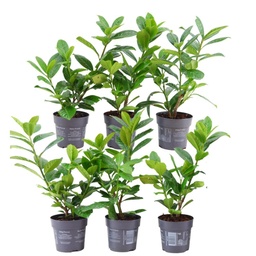
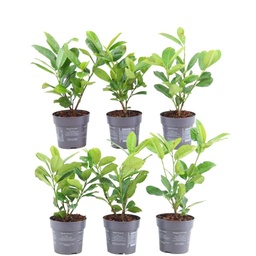

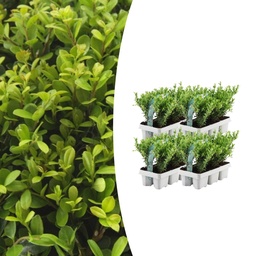
Regardless of the species, only start trimming the hedge once the plant is well established. A taut string line, sharp shears and the right time to prune will produce the neatest shape in the long term.
Frequently asked questions
- When should I prune cherry laurel?
- Late June, after the first flush of growth and usually after flowering, is a good time for the main pruning. Carry out heavy rejuvenation pruning in late winter, when there is no risk of frost. Between March and September, wildlife protection laws generally allow only light shaping and maintenance pruning; also check for nesting birds every time.
- Can I cut cherry laurel back hard in summer?
- No, postpone heavy pruning or cutting the plant back to the stump until between October and the end of February. In summer, only prune the current year's growth and correct individual shoots. Pruning must also comply with the protection of birds and nests.
- How do I trim a cherry laurel hedge straight?
- Stretch a string between both ends at the desired top height and work from the bottom upwards. The sides should taper slightly towards the top so that light reaches the lower leaves. Cut large leaves with hand shears or loppers, rather than using coarse, fast-moving blades.
- Why does cherry laurel develop brown leaves after pruning?
- Brown leaf edges often appear when an electric hedge trimmer shreds large leaves, when you prune in hot weather or when the plant is left dry after pruning. Use clean, sharp shears, choose a cloudy day without frost and water the root area thoroughly afterwards.
- Can I cut old cherry laurel back into the old wood?
- Cherry laurel usually regrows even from older wood, provided the plant is vigorous and healthy. However, spread rejuvenation pruning over two years if the hedge is very wide or bare inside. Remove no more than about half of the old shoots per year and look after the cut surfaces.
You may also be interested in
- Planting and caring for cherry laurel: location, pruning & more
- How to trim hedges correctly: when is the best time?
- Cherry laurel 'Herbergii': planting and caring for the hedge
- Cherry laurel problems: causes & solutions for leaf damage
- Cherry laurel varieties compared: hedges and specimen shrubs
- Pruning ornamental shrubs: how to shape and care for them