
In brief: The right pruning shears depend on what you are cutting. For fresh, green wood, use bypass pruners, whose two blades cut like scissors and leave clean wounds. For dead, hard wood, anvil pruners are the right choice: one blade presses against a solid surface and delivers more cutting power.
Table of contents
Good pruning shears are not a luxury but a necessity for garden and plant care. They affect the health of your plants, how easily you work and the results of your efforts. But not all pruning shears are the same. Choosing the right model depends entirely on what you want to cut: young shoots, hard branches or delicate roses.
The most fundamental choice is between two cutting techniques: bypass and anvil. Each has its strengths and its specific area of use. Once you know the difference, you can cut more effectively, protect your plants and enjoy your tool for longer.
What is the difference between bypass and anvil pruners?
The cutting head is the heart of every pair of pruning shears. The way the blades work together determines the cut quality and the amount of effort required. This is where bypass and anvil pruners differ fundamentally.
Bypass pruners: The precise surgeon
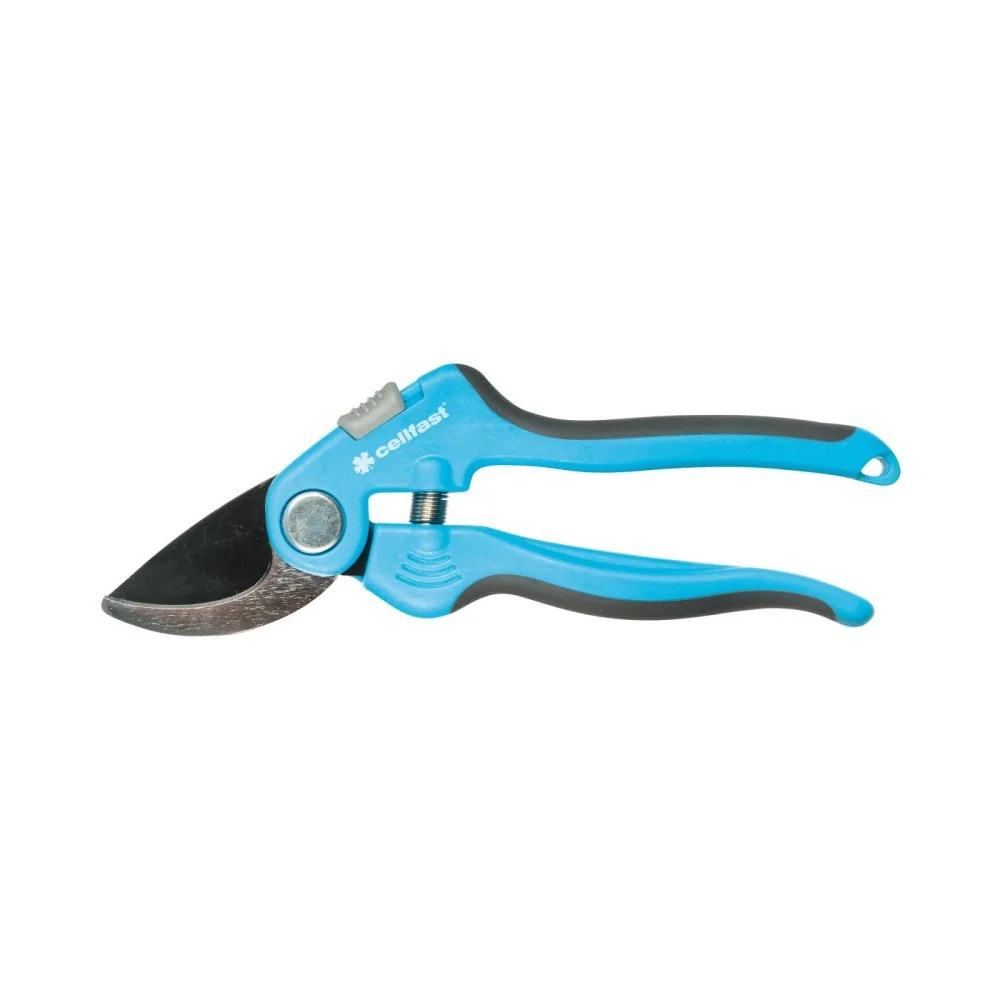
Imagine a pair of household scissors. Two sharpened blades glide closely past each other and cut through the material cleanly. Bypass pruners work on exactly this principle. They are the tool of choice for living, green wood.
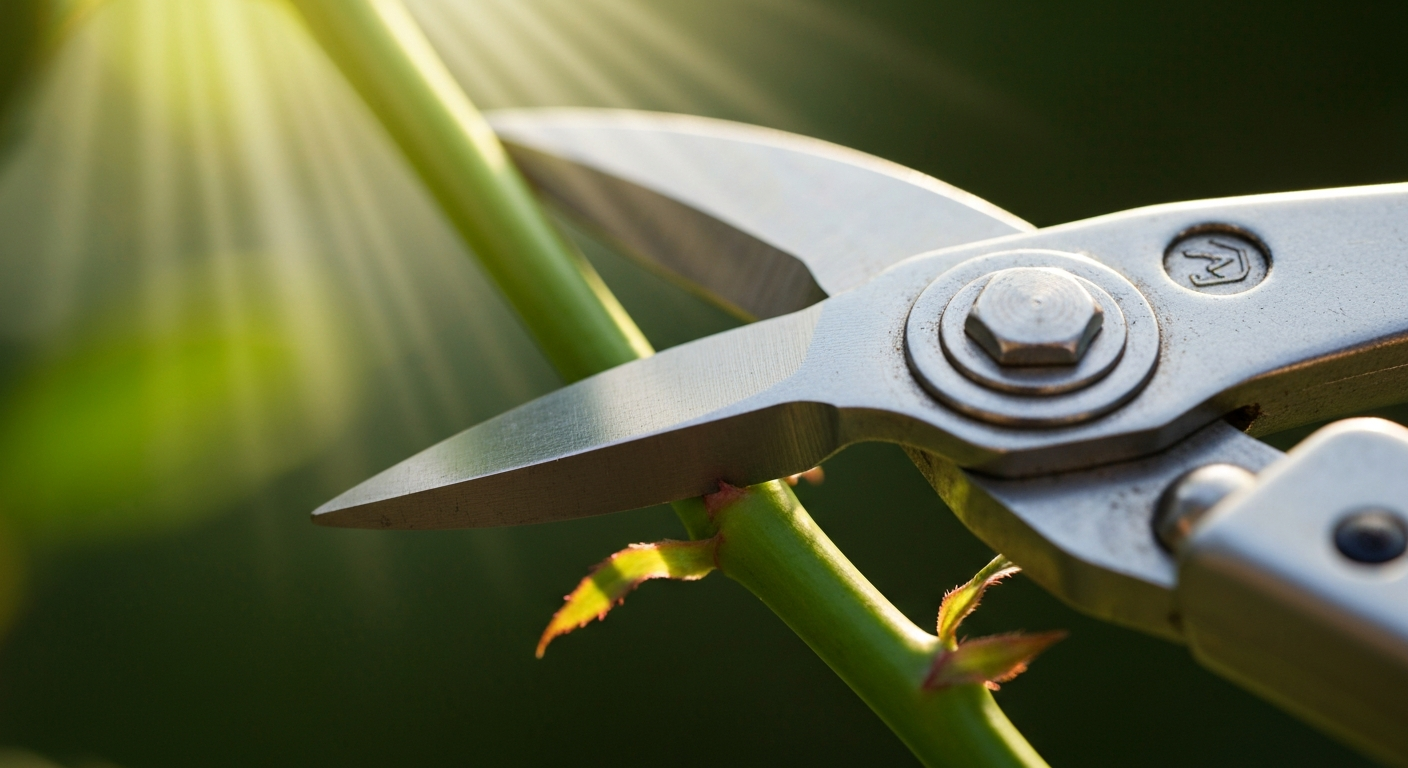
The precise cut causes minimal damage to the plant fibres and leaves a smooth wound surface. This is crucial because a clean wound heals faster and gives pathogens less opportunity to enter. Use this cutting tool for pruning roses, perennials and young shoots on shrubs and trees. The ERGO bypass pruning shears are a classic example of this versatile helper.
Pruning is the gardener's dialogue with the plant.
Anvil pruners: The powerful helper
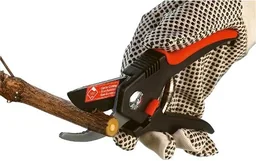
Anvil pruners work with brute force. A sharp blade meets a broad, unsharpened metal surface known as the anvil. The branch is held in place on the anvil and then cut through by the pressure of the blade. This mechanism requires less force than the slicing action of bypass pruners.
However, this process slightly crushes the wood at the cutting point. This does not matter with dead or very hard wood. For living shoots, though, this method is less suitable because the crushing can slow wound healing. Use anvil pruners specifically for cutting deadwood, dry branches and hard, woody plant parts. The set of anvil and bypass pruning shears gives you both systems for all the tasks that arise.
Additional advice
Pay attention to ergonomics. Pruning shears should sit comfortably in your hand. Models with a rolling handle or adjustable opening width protect your joints and allow you to work for longer without fatigue, especially when making many cuts in succession.
Which pruning shears are right for each task? An overview
Matching the right tool to the task is the key to success. With this overview, you can always make the right choice for gentle and effective garden care.
- Fresh shoots, flowers and perennials: Always use sharp bypass pruners. The clean cut promotes quick healing and supports plant health. Perfect for cutting flowers or deadheading faded blooms.
- Rose pruning: Roses are susceptible to diseases that can enter through pruning wounds. Special rose pruners, which are essentially very precise bypass pruners, are ideal here. The rose pruner set offers professional tools for passionate rose growers.
- Deadwood and hard branches: Reach for anvil pruners. Their leverage makes cutting tough, dry material much easier. The slight crushing of the wood is insignificant here.
- Topiary (e.g. boxwood): For small corrections to ornamental shrubs, a handy pair of bypass pruners is suitable. For larger areas, a dedicated hedge trimmer is a better choice for achieving a clean, straight line.
- Fruit tree pruning: For young, green shoots on fruit trees, bypass pruners are the right choice. Thicker, woody branches, however, require stronger garden tools such as loppers or a saw.
Specialists in the Garden: From Rose Pruners to Loppers
In addition to universal hand pruners, there are a number of specialist tools designed for specific tasks. They make gardening easier and deliver better results.
Rose Pruners
These are slim, particularly sharp versions of bypass pruners. Their shape allows you to work precisely even in dense rose bushes without damaging nearby shoots. Some models feature a thorn remover or a holder that catches the cuttings.
Loppers (Tree Pruners)
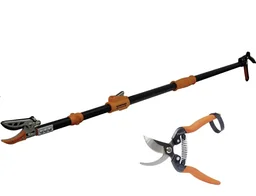
When standard garden pruners reach their limits, loppers come into their own. Their long handles provide tremendous leverage. This allows you to cut through branches up to five centimeters in diameter with ease. Here too, there are bypass models for cutting fresh wood and anvil versions for deadwood.
Important note
Never use garden pruners on branches that are too thick. You risk not only damaging the blade or mechanism, but also slipping and seriously injuring yourself. For thicker branches, always choose the next larger tool: loppers or a pruning saw.
Hedge Shears and Grass Shears
Specialist tools are essential for trimming large areas of hedges or precisely cutting lawn edges. Hedge shears with their long blades create straight surfaces, while grass shears allow targeted trimming at ground level where the lawn mower cannot reach. They are part of the essential equipment for a beautifully maintained garden and outdoor area.
What Should You Look for When Buying Garden Pruners?
Good garden pruners are an investment that pays off for years. Look for a few key quality features to find the right model for your needs.
- Blade material: Carbon steel blades are very hard and can be sharpened to an extremely fine edge. However, they are prone to rust and require regular care. Stainless steel blades are rust-resistant and easier to maintain, but are often slightly softer. Non-stick coated blades, such as those with a Teflon coating, reduce friction and prevent plant sap from sticking.
- Ergonomics and handles: The pruners should feel comfortable in your hand. Aluminium handles are lightweight and robust, while plastic handles often feature soft inserts for greater comfort. Special smaller models are available for small hands. Left-handed users should look for suitable pruners.
- Locking mechanism: A good safety lock is essential. Ideally, it should be operable with one hand so you can quickly secure the pruners and get them ready for use again.
- Replaceable parts: High-quality garden pruners are identifiable by the availability of replacement blades, springs and other wear parts. This makes them a more sustainable and cost-effective choice in the long term.
A wrong cut does more harm to a tree than no cut at all.
The Right Care: How to Keep Your Pruners Sharp for Longer
Even the best tool will become blunt and unusable without proper care. A few simple steps after each use will keep your garden pruners working properly and extend their service life.
Cleaning
Remove soil and plant sap from the blades immediately after use. A cloth and some warm water are usually all you need. Stubborn resin can be removed with a little rubbing alcohol or white spirit. If you have cut diseased plant material, be sure to disinfect the blades to prevent the spread of disease.
Drying and Oiling
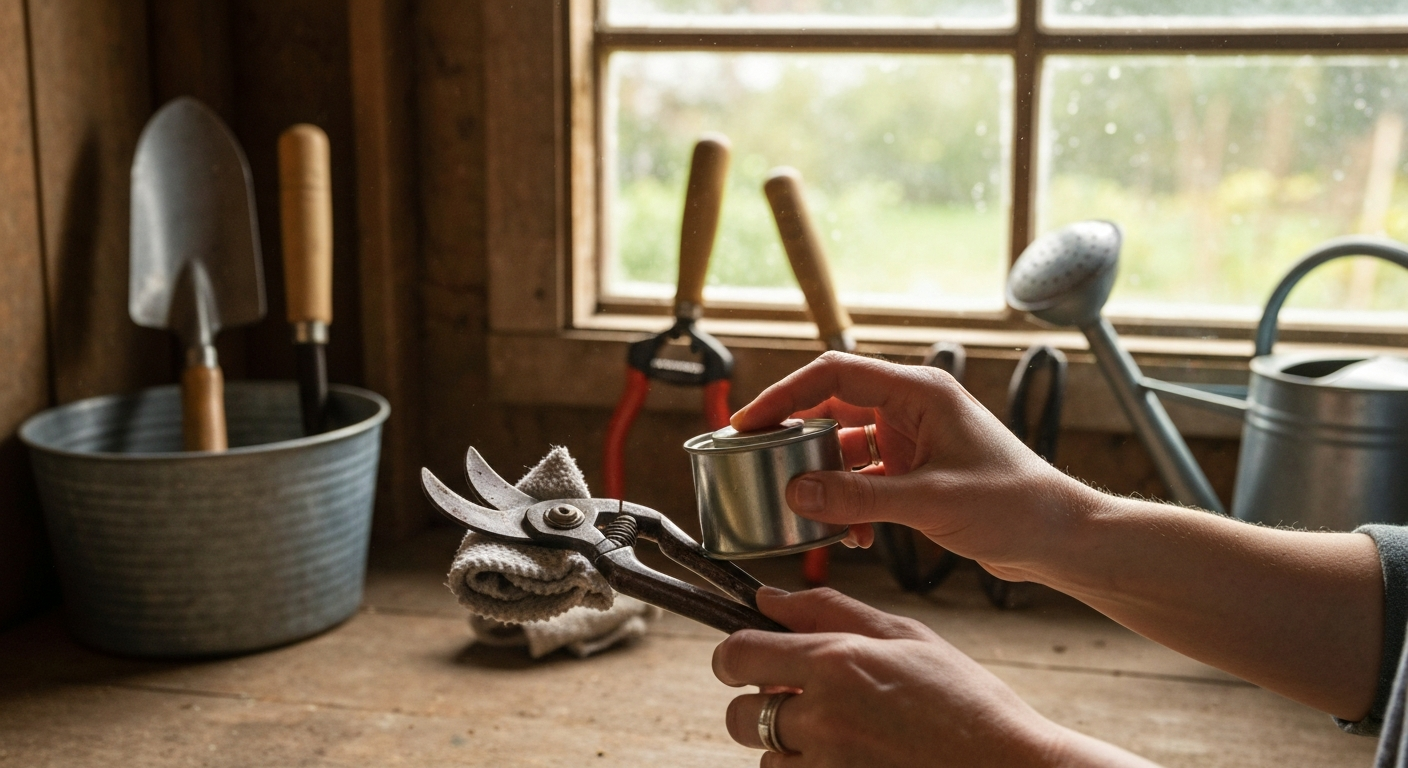
Dry the pruners thoroughly after cleaning, especially around the joint. A drop of penetrating oil or special tool oil on the blades and pivot point protects against rust and keeps the mechanism moving smoothly.
Sharpening
A sharp blade is essential. As soon as you notice that you need to apply more force or that the cuts are ragged, it is time to sharpen the blade. Use a whetstone or a special shear sharpener. Draw the blade across the stone several times at the original bevel angle. With bypass pruners, sharpen only the outside of the cutting blade.
Pro tip
For quick sharpening between more thorough maintenance sessions, a diamond sharpener is ideal. Run it along the cutting edge a few times to realign the burr. It takes only a few seconds and immediately delivers a noticeable improvement in cutting performance. Store your clean, oiled pruners in a dry place so they are ready for the next use.
Choosing the right garden pruners and caring for them properly are not minor details. They are the foundation of successful gardening, healthy plants and greater enjoyment of your own green space. With an understanding of bypass and anvil pruners and an eye for quality, you can find the perfect tool to serve you reliably for many years.
Frequently Asked Questions
- Which garden pruners are best for roses?
- Bypass rose pruners are best suited to roses. They make a clean, smooth cut without crushing delicate shoots. This promotes rapid healing and minimises the risk of disease at the cut site.
- How often should I sharpen my garden pruners?
- Sharpen your garden pruners as soon as you notice that cutting requires more force or that branches are being crushed or torn. With regular use, sharpening at least once or twice per season is recommended. A sharp blade is gentler on both the plant and your joints.
- What is the difference between bypass and anvil pruners?
- Bypass pruners have two blades that slide past each other and cut like scissors, making them ideal for fresh wood. Anvil pruners have one blade that presses against a flat surface called an anvil. They provide more power and are suitable for dead, hard wood.
- Can I use garden pruners to cut thick branches?
- Standard garden pruners are designed for branches up to about 2 cm in diameter. For thicker branches, use loppers with longer handles for greater leverage or a saw. Attempting to cut branches that are too thick can damage the pruners and injure you.
- How do I clean my garden pruners properly?
- After each use, remove plant sap and dirt from the blades with a cloth. For stubborn resin, use a little rubbing alcohol or white spirit. Dry the pruners thoroughly and lightly oil the blades and joint to prevent rust.
Ergänzung: Die richtige Gartenschere: Auswahl und Pflege für jeden Schnitt
Für Rosenschnitt und frische, dünne Triebe eignet sich eine Bypass-Gartenschere mit sauberem, leichtgängigem Schnitt. Für trockenes oder härteres Holz ist eine Amboss-Gartenschere besser geeignet, da sie mehr Kraft überträgt. Achten Sie auf eine passende Griffweite, rutschfeste Griffe und eine Sicherung, die sich mit einer Hand bedienen lässt.
Reinigen Sie die Klingen nach jedem Einsatz und entfernen Sie Pflanzensäfte mit einem weichen Tuch. Ein Tropfen harzfreies Öl hält Gelenk und Klinge beweglich. Stumpfe oder beschädigte Klingen sollten nachgeschärft beziehungsweise ausgetauscht werden, damit die Triebe nicht gequetscht werden.
- Vor dem Schnitt: Klinge prüfen und bei Bedarf desinfizieren.
- Nach dem Schnitt: Schere reinigen, trocknen und geschützt lagern.
You May Also Be Interested In
- Choosing Garden Pruners: Tips for Finding the Perfect Pair
- Garden Pruners Review & Comparison 2026
- Buying Loppers: The Ultimate Comparison for Your Garden
- Sharpening Garden Pruners: How to Get Your Tools Back in Top Shape
- How to Choose and Care for Garden Tools Properly
- Avoiding Garden Care Mistakes: Perfectly Trimming Lawn Edges and Shrubs