
In brief: The best neighbors for pumpkins are corn and beans, the classic “Three Sisters” combination. Borage, marigolds and nasturtiums also promote growth and deter pests. Avoid planting pumpkins directly next to other heavy feeders such as potatoes or cucumbers to minimize competition for nutrients and the spread of disease.
A large, orange pumpkin is every gardener’s pride and joy. But pumpkins are demanding plants. They need plenty of space, water and, above all, nutrients. With clever companion planting in the Garden + Outdoor area, you can get the most from your plants. You create a small ecosystem in which plants support one another, deter pests and improve the soil.
Forget monocultures. Harness the power of community. This way, you can secure not only a plentiful pumpkin harvest, but also healthy vegetables and less work in the garden bed.
What is companion planting and why do pumpkins benefit from it?
Companion planting means deliberately growing different plant species next to one another so they benefit each other. This principle mimics natural ecosystems, where plants grow together in diverse communities. A well-planned companion planting bed is more resilient and productive.
Pumpkins are heavy feeders. They remove large amounts of nutrients from the soil, especially nitrogen. In a monoculture, the soil quickly becomes depleted. With companion planting, you can grow plants nearby that enrich the soil or have different needs. The result is a balanced system.
The benefits of companion planting for growing pumpkins are many:
- Nutrient management: Light feeders and nitrogen fixers such as beans help balance the pumpkin’s high nutrient requirements.
- Pest control: Certain herbs and flowers release scents that deter pests such as aphids and slugs.
- Improved soil: The pumpkin’s broad leaves act as living mulch. They keep the soil moist, suppress weeds and protect soil life.
- Efficient use of space: Tall plants such as corn and climbing plants such as beans use vertical space, while the pumpkin covers the ground.
Nature does not work in monocultures, but in plant communities. We should take this as our example in the garden to harvest healthy plants and keep the soil fertile.
Which plants are good neighbors for pumpkins?
Choosing the right partners is crucial to success. Some plants harmonize particularly well with hungry pumpkins and create a productive symbiosis. Here are the best neighbors for your pumpkin bed.
The “Three Sisters”: The classic combination
The best-known and most proven companion planting method is the “Three Sisters” planting system, developed by the Indigenous peoples of the Americas. It combines corn, pole beans and pumpkins.
The corn grows tall and provides the beans with natural support for climbing. The beans, in turn, are legumes. With the help of root nodule bacteria, they capture nitrogen from the air and make it available to the other plants. This is especially beneficial for nutrient-hungry pumpkins. The pumpkin spreads its large leaves across the ground, shading it, retaining moisture and suppressing weed growth. A perfect team.
Herbs as fragrant bodyguards
Many herbs are ideal companion plants for pumpkins. Their essential oils act as a natural repellent against many common pests.
- Basil: Its strong scent is said to help deter powdery mildew and improve the flavor of pumpkins.
- Oregano and marjoram: These hardy herbs keep many harmful insects away while also attracting pollinators.
- Borage: It is considered one of the best companions for cucurbits. Its rough leaves deter slugs, while its blue flowers attract bees and other beneficial insects.
Pro tip
Don’t just plant borage directly in the bed; use it as a border too. This creates a natural barrier against slugs while attracting pollinators for the large pumpkin flowers from every direction. Young borage leaves also taste delicious in salads.
Flowers for beneficial insects and soil health
Flowering plants in the vegetable garden are more than just decoration. They play an important role in ecological balance.
Calendula (pot marigolds) are essential in any organic garden. Their roots release substances that combat harmful nematodes in the soil. They also deter aphids. French marigolds have a similar effect against nematodes and additionally repel whiteflies. Nasturtiums serve as decoy or trap plants. Aphids prefer to swarm onto them and leave your pumpkins alone. Their flowers and leaves are also edible.
Which plants should you not plant next to pumpkins?
Just as there are good partnerships, there are also poor neighbors in the plant kingdom. Some plants compete too strongly with pumpkins or encourage the spread of disease.
Strong competitors for nutrients
Avoid planting pumpkins directly next to other heavy feeders. They would compete with one another for nutrients and water, resulting in stunted growth for everyone involved.
Poor neighbors include:
- Potatoes: They are also heavy feeders and are susceptible to late blight, which can also affect cucurbits.
- Cucumbers and zucchini: As close relatives, they compete for the same nutrients and are susceptible to the same diseases, especially powdery mildew. Sufficient spacing is essential here.
- Other pumpkin varieties: Do not plant different pumpkin varieties too close together if you want to save seeds for the following year, as this can lead to unwanted cross-pollination.
Important note
Never plant pumpkins in a bed where pumpkins, zucchini, cucumbers or melons grew the previous year. Take a break of at least three years between crops to avoid depleting the soil unevenly and preventing the buildup of specific pathogens.
Plants with negative root secretions
Some plants release substances through their roots (allelopathy) that inhibit the growth of other plants. Fennel and dill are known for this and should therefore not grow in the immediate vicinity of the pumpkin bed. Many aromatic sage varieties are also considered growth-inhibiting for cucurbits.
How do you properly create a pumpkin companion planting bed?
Good planning is half the battle. Before planting, think carefully about where your pumpkins should grow and which companion plants you want to grow alongside them.
Location, soil and spacing
Pumpkins love sunny, warm conditions. Choose the sunniest spot in your garden. The soil should be deep, rich in humus and fertile. Before planting, work in plenty of mature compost or well-rotted manure. This provides the foundation for healthy growth and a plentiful harvest.
Allow enough space. Trailing varieties can become huge and need at least 1.5 to 2 square metres per plant. Bush varieties are more compact but still need around one square metre. Leave at least 60-80 cm between the pumpkin and its neighbouring plants.
Additional advice
If your garden soil is heavy and clay-rich, grow the pumpkin on a small mound made from compost and garden soil. This helps the soil warm up more quickly, improves drainage and provides an extra supply of nutrients directly to the roots from the start.
Planting step by step
- Preparation: Loosen the soil deeply and remove all weeds. Work in compost or an organic slow-release fertiliser.
- Planting structural plants: If you are using the “Three Sisters” method, plant or sow the maize in groups or rows first.
- Planting pumpkins: Once the maize plants are about 15 cm tall, plant the young pumpkin plants or sow the seeds between them. Give each plant a generous start by adding a handful of compost to the planting hole.
- Adding companion plants: Now sow or plant the beans around the maize. Herbs and flowers can be planted in the gaps or along the edge of the bed.
The right care for your pumpkin companion planting bed
Even the best team needs a little support. With the right care, you can ensure the success of your companion planting.
Pumpkins are extremely thirsty, especially while the fruits are developing. Water regularly and thoroughly at the roots, not over the leaves, to prevent fungal diseases. A thick layer of grass clippings or straw mulch around the plants helps retain moisture in the soil and suppresses weeds.
Despite their good neighbours, pumpkins need additional fertiliser during the summer. Applying compost or feeding with liquid nettle fertiliser every two to three weeks during the main growing period promotes vigorous plants and large fruits. You can find suitable gardening supplies in our range of garden + plant accessories.
Biodiversity in the garden is not only beautiful but also the best insurance against pests and diseases. Every additional plant species strengthens the entire ecosystem of the bed.
When autumn approaches and the pumpkins develop their characteristic colour and sound hollow when tapped, it is time to harvest. Cut the fruits off with a stem several centimetres long. This improves their storage life. A sturdy basket, such as our
, makes it easier to transport the heavy fruits from the bed to the kitchen or cellar.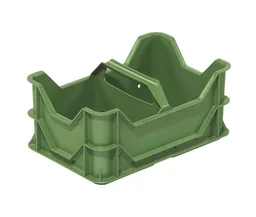
Give pumpkin companion planting a try. You will be rewarded with healthy plants, a plentiful harvest and a lively, buzzing garden.
Frequently asked questions
- What can you plant next to pumpkins?
- The “Three Sisters” are ideal: maize provides support for climbing plants, beans supply nitrogen and pumpkins cover the ground. Herbs such as basil and oregano, as well as flowers such as marigolds and French marigolds, are also excellent companion plants that help deter pests and attract beneficial insects.
- How much space do pumpkins need between plants?
- Allow at least 1.5 to 2 square metres per plant for trailing pumpkin varieties. Bush pumpkins need around 1 square metre. Leave at least 60-80 cm between pumpkins and direct neighbours in the bed so that the pumpkins receive enough light and air and do not overtake their companion plants.
- Can pumpkins and courgettes grow well together in the same bed?
- Pumpkins and courgettes are not ideal neighbours. They belong to the same plant family, are heavy feeders and are susceptible to powdery mildew. Growing them close together increases competition for nutrients and water and encourages the spread of disease. Plant them with plenty of space between them.
- What is the best fertiliser for pumpkins in companion planting?
- Pumpkins are heavy feeders and need plenty of nutrients. Before planting, work mature compost or an organic slow-release fertiliser into the soil. During the growing season, especially while the fruits are developing, feed with liquid fertiliser such as nettle fertiliser.
- Can you grow pumpkins in the same spot two years in a row?
- No, you should allow a break of at least three to four years. Pumpkins deplete the soil heavily, and specific pathogens can build up in the soil. In the following year, plant light or moderate feeders in the same spot to protect the soil.
You may also be interested in
- Planting, caring for and harvesting pumpkins: The complete guide
- Companion planting chart: Successful plant partners in the vegetable garden
- Planting herbs together: Which neighbours grow well in the bed?
- Raised beds: Crop rotation and companion planting for maximum harvests
- Harvesting and decorating pumpkins: Tips for the autumn garden
- Vegetable garden planting plan: Maximum harvests in a small space