
In brief: Pure soap is a natural all-rounder for a sustainable home. Its mild, moisturising base of plant oils and soda cleans effectively without harsh chemicals. It is suitable for floors, textiles, dishes and even gentle pest control for plants. This makes it an essential part of a DIY cleaning routine.
Pure Soap: The Natural All-Rounder for Home and Garden
A bar of pure soap may look unremarkable in your hand. Yet this traditional bar has more power than many people realise. It offers greater independence for a sustainable home.
It cleans, cares for and protects—without colourful packaging or chemical additives. Discover the practical uses of this classic product with us.
What exactly is pure soap?
Genuine pure soap is made from plant oils, water and soda. This process is called saponification. The result is a mild, solid soap with no excess fat.
It leaves no harmful residues in wastewater. Its simple formula makes it an ideal basis for many DIY cleaning projects.
“Pure soap is the foundation of an eco-friendly household. Its versatility can replace a whole range of specialist cleaners.”
How can I use pure soap around the home?
There are many ways to use it around the home, from heavy-duty cleaning to delicate fabric care.
Which floors can I clean with pure soap?
Pure soap solution is ideal for tiles, stone floors and durable PVC flooring. It removes dirt and grease without damaging the surface.
Grate one tablespoon of soap into a bucket of hot water. Stir until the flakes have dissolved. Mop as usual. The floor will be clean and streak-free.
Expert tip
For heavily soiled patios or garden furniture, add a splash of vinegar to the cooled soap solution. This combination also removes dried-on dirt and limescale.
Can I wash laundry with pure soap?
Yes, pure soap is suitable for boil washes and durable cotton fabrics. Rub the damp fabric with the soap or add grated flakes directly to the drum.
Pure soap has a mild brightening effect on white laundry. Test it first on an inconspicuous area of coloured laundry.
For caring for cotton baby clothes, a mild pure soap solution is a gentle alternative.
How do I wash dishes with pure soap?
A bar of pure soap is a traditional dishwashing solution. It lathers well even in hard water and reliably removes grease.
It is not suitable for dishwashers. For washing dishes by hand, however, it is perfect. Unlike many liquid alternatives, it does not leave behind harmful microplastics.
Why is pure soap ideal for the garden?
In the garden, pure soap takes on a new role. It becomes an environmentally friendly tool against pests without endangering beneficial insects.
How do I get rid of aphids with pure soap?
This is the best-known use as insecticidal soap. The soap solution suffocates the aphids mechanically.
Dissolve 20-30 grams of grated pure soap in one litre of hot water. Allow the mixture to cool and pour it into a spray bottle. Spray the affected plants until thoroughly wet, especially the undersides of the leaves.
Important note
Only spray the soap solution on cloudy days or in the evening. Wet leaves can suffer scorching in direct sunlight. Rinse hairy or sensitive leaves with clean water after a few hours.
Repeat the treatment every two to three days until no infestation is visible. Be mindful of beneficial wildlife such as birds, which can help you control pests.
Does pure soap work against other pests too?
Yes, this method also helps against mealybugs, spider mites and young caterpillars. The concentration can be increased slightly if needed.
For a stronger effect against sap-sucking insects, mix one litre of soap solution with one tablespoon of rapeseed oil. The oil helps the solution stay on the leaves.
“The mechanical action of potassium soap against sap-sucking insects is a recognised and environmentally friendly method in hobby gardening.”
For comprehensive plant protection, you can find more environmentally friendly solutions in our Pest & Plant Protection category.
How can I make practical household helpers myself?
Use pure soap as a base to create your own cleaning products. You know exactly what they contain and reduce packaging waste.
Recipe: All-purpose cleaner made from pure soap
You need 30g grated pure soap, 1 litre of water, optionally 2 tbsp washing soda and 10 drops of essential oil, such as lemon.
Heat the water and dissolve the grated soap in it. Allow the mixture to cool. Add washing soda and essential oils if desired. Pour everything into a spray bottle.
Additional advice
The cleaner may flocculate in cold temperatures. Simply place the bottle in warm water before use and shake it vigorously. The consistency will become smooth again.
Recipe: Cream cleaner for stubborn dirt
Mix finely grated pure soap with an equal amount of baking powder or fine sand. Add just enough water to create a paste.
This paste helps remove burnt-on residue from ovens or grill grates. Apply it, leave it to work briefly and scrub with a sponge.
Which products are suitable for getting started?
For your first experiments, all you need is a bar of high-quality pure soap. We recommend products made from certified organic ingredients.
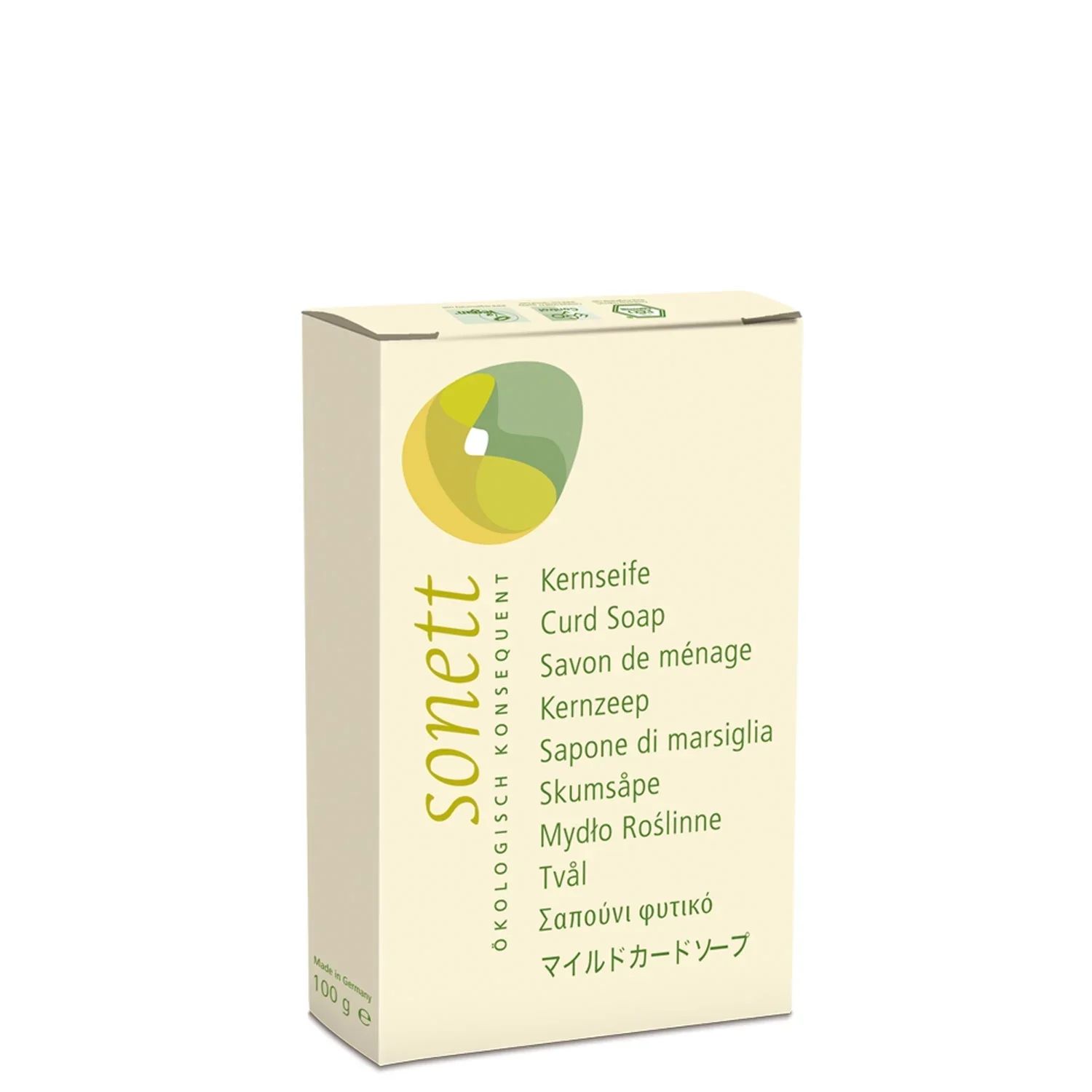
The from Sonett is a solid 100-gram bar for beginners. It is suitable for all the applications mentioned above.
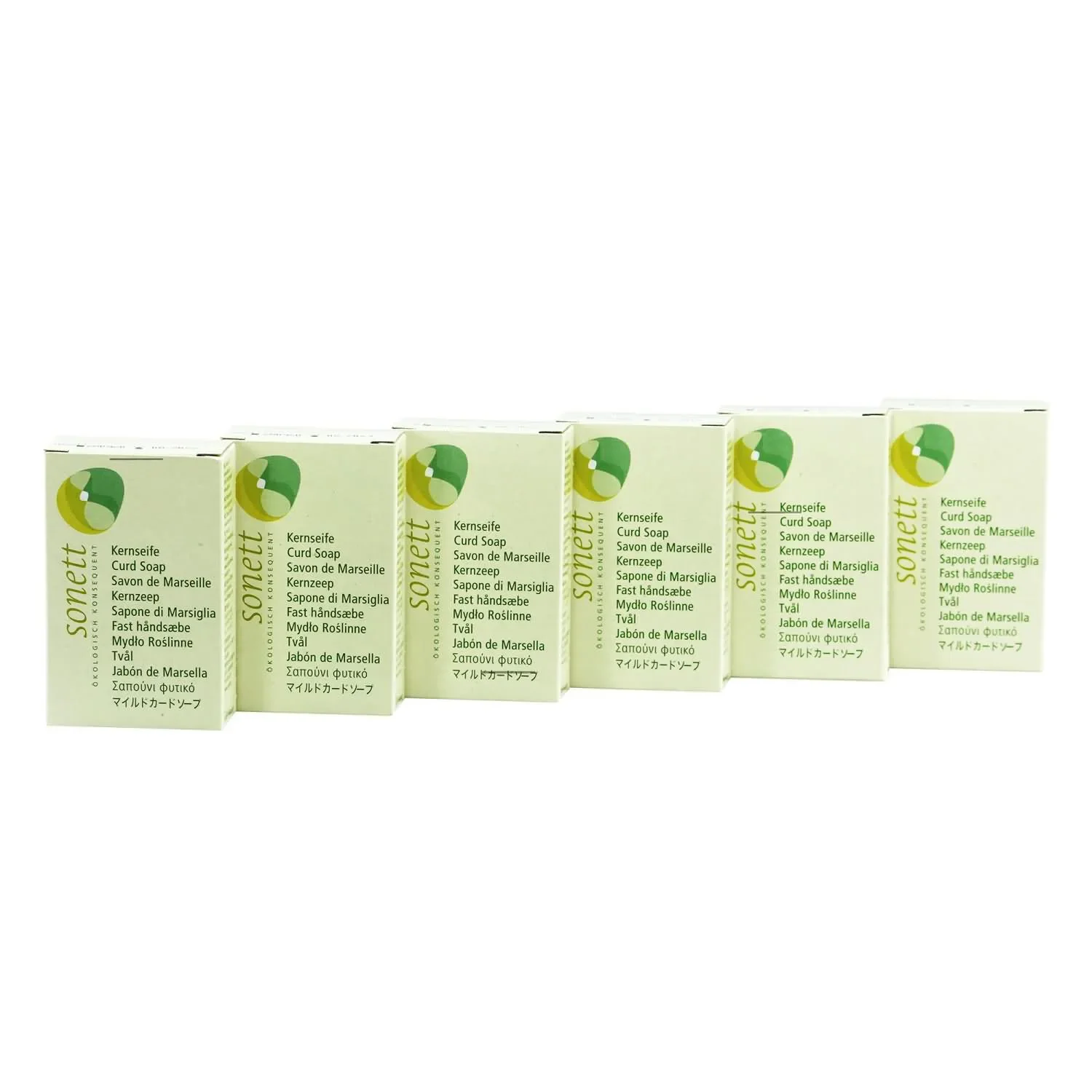
For households with higher consumption, the , the six-pack containing 600 grams, is more economical. You will always have a supply ready for use in the garden and around the home.
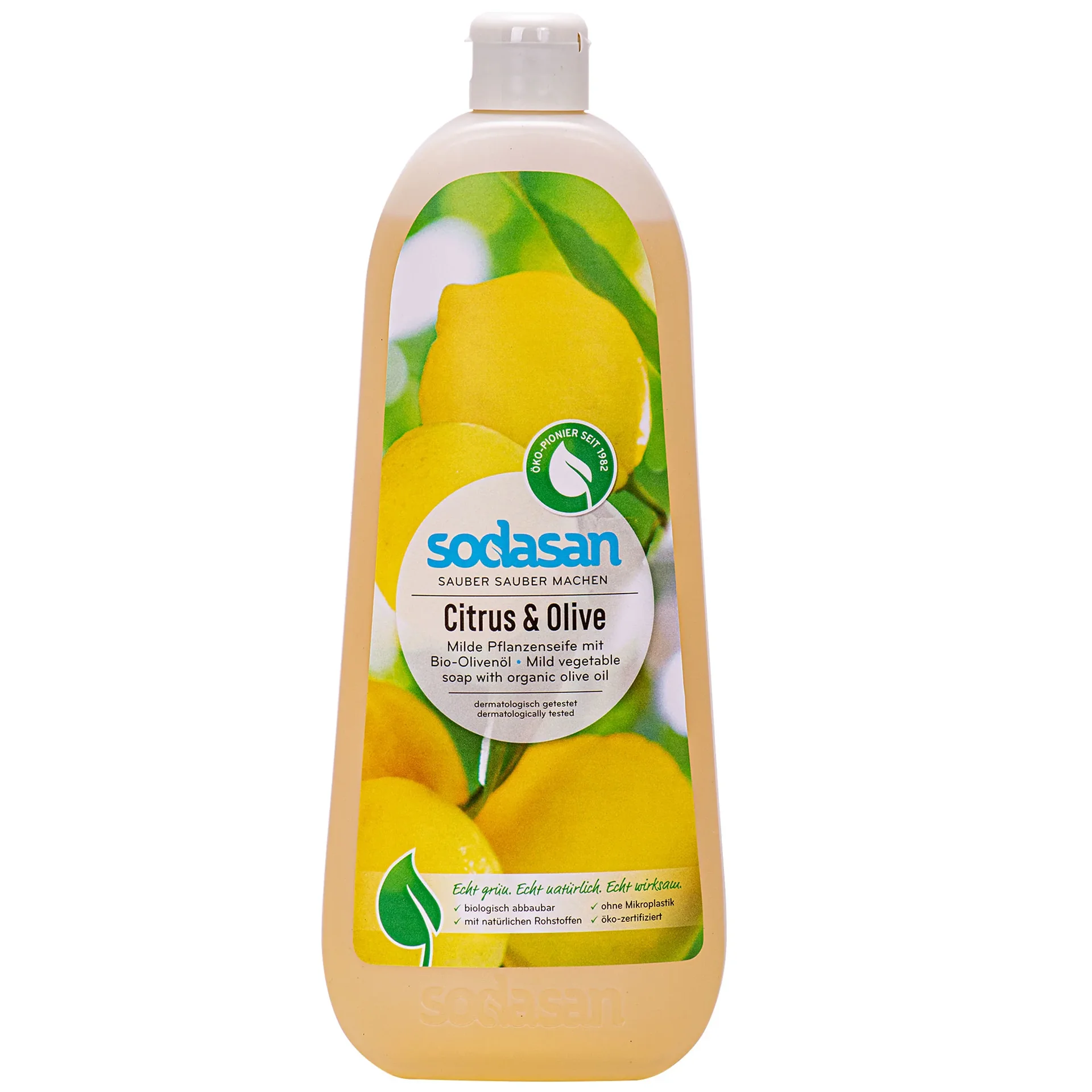
For gentle pest control on plants, you can also use ready-made liquid solutions. The , Sodasan's liquid plant soap, is ready to use and easy to dose.
Discover more tools and accessories for garden care in our range of garden tools.
What are the limitations of pure soap?
Despite its versatility, pure soap is not a universal solution. It is not compatible with all materials.
Do not use it on painted wooden surfaces, marble or travertine. Its alkaline pH value can damage these materials or cause stains.
It is not suitable for cleaning aluminium or copper containers, as it can cause chemical reactions.
If in doubt, always test it on an inconspicuous area first. This helps prevent unwanted surprises when cleaning furniture or wooden toys.
Pure soap as part of a sustainable lifestyle
A bar of pure soap represents a return to simplicity and effectiveness. It reduces plastic waste and chemical exposure while raising awareness of the ingredients in our cleaning products.
It is not a cure-all, but it is a powerful building block. Combine it with other natural helpers such as vinegar, citric acid or soda crystals.
Step by step, this helps you create a sustainable household that is good for you and the environment. Start today with a bar of pure soap.
Frequently Asked Questions
- Is pure soap really biodegradable?
- Yes, high-quality pure soaps made from virgin plant oils such as olive or coconut oil are fully biodegradable. They contain no synthetic surfactants, fragrances or preservatives, so they do not pollute wastewater or compost.
- Can I use pure soap to wash delicate fabrics?
- Yes, pure soap is suitable for wool and silk. Dissolve around 20-30 grams of grated soap in hot water, let the soap solution cool and gently wash the items by hand. This protects the fibres and avoids optical brighteners.
- How does pure soap work against aphids?
- The soap solution coats the aphids' bodies with a thin film that blocks their breathing openings and suffocates them. At the same time, it dissolves their protective wax coating. It is important to thoroughly wet the undersides of the leaves. Repeat the application every two to three days.
- Can I use pure soap for personal care?
- Pure soap with a high olive oil content is suitable as a gentle hand and body soap. It cleans gently and moisturises thanks to its glycerine content. For the face or very dry skin, special plant-based soaps with additional nourishing oils may be a better choice.
- How do I make an all-purpose cleaner from pure soap?
- Grate 20-30 grams of pure soap and dissolve the flakes in one litre of hot water. Let the mixture cool and stir it well. For extra grease-cutting power, add two tablespoons of washing soda. Pour the liquid into a spray bottle.
You may also be interested in
- Baking Soda Uses: Home Remedies for Home, Garden and DIY
- Beer in the Home and Garden: Practical Hacks
- Hemp Seed Oil: The Green All-Rounder for Skin & Home
- Silicone Spray: 7 Brilliant Uses for Home, Car & Garden
- Effective Home Remedies: Natural Cleaning for Your Home
- Smart Household Hacks for the Garden and Home