
In brief: Choosing the right radiator depends on the room, heating system and personal comfort. Panel radiators are efficient all-rounders, column radiators are suitable for rooms used infrequently, and designer radiators add visual appeal. Modern underfloor heating provides even warmth but requires extensive installation work. The key is combining the right radiator with intelligent thermostats.
Radiator Types Compared: Efficient Heating Made Easy
The right radiator can make the difference between high costs and comfortable warmth. We show you the most common types, their advantages and where they work best.
What types of radiators are there?
Radiators differ in design, material and the way they transfer heat. Your choice directly affects efficiency, response time and indoor climate.
Panel radiators: The efficient standard
Panel radiators consist of one or more steel panels. They emit heat directly as radiation. Convector fins between the panels increase heat output through air circulation.
Type 11 has one panel without convector fins. Type 22 has two panels with convector fins between them. Type 33 has three panels and the highest output in the smallest space.
Pro tip
For well-insulated new builds, Type 21 or 22 is often sufficient. In older buildings or poorly insulated rooms, choose Type 33 for enough heating reserve.
Column radiators: Robust and affordable
Column radiators made of cast iron or steel are recognisable by their clearly visible sections. They store heat for a long time and release it slowly.
Their advantages are their long service life and durability. The disadvantages are their greater weight and slower response to thermostat signals. They are suitable for rooms used infrequently or for use with wood-burning stoves.
Designer radiators: Form meets function
Designer radiators focus on appearance. They come as slim vertical radiators, glass panels or metal sculptures. Heat output is not always the main priority.
Use designer radiators as an accent in well-insulated living spaces. Combine them with powerful standard radiators in other rooms for balanced heat distribution.
How do I choose the right radiator?
The right choice depends on room size, usage and heating system. A radiator that is too small will not provide enough heat, while one that is too large wastes energy.
Calculating the required heat output
A rough guide is 80 to 100 watts per square metre of floor area in an insulated older building. For a well-insulated new-build home, 50 watts per square metre is often enough.
Multiply the room area in m² by the wattage. A 15 m² room in an older building needs approximately 15 x 100 = 1500 watts of heat output. Choose a radiator that provides this output.
Important note
This calculation is only an initial guide. Always have the exact sizing carried out by a heating specialist. They will take window areas, external walls and insulation into account.
The right material for every room
Steel is lightweight, responds quickly and is suitable for all living spaces. Cast iron is heavy, slow to respond and ideal for rooms with continuous heating. Aluminium is very lightweight and has an extremely fast response time.
In the bathroom, specialist bathroom radiators or towel radiators such as the
are a practical choice. They provide useful rails and cope well with humid air.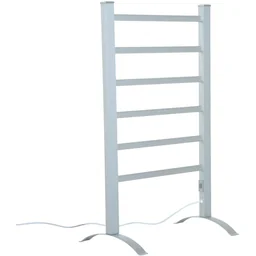
“The combination of radiant heat and convection in modern panel radiators creates the most comfortable indoor climate. The air does not dry out and less dust is stirred up.”
Why is replacing a radiator worthwhile?
Old radiators are often inefficient and use up to 30 percent more energy. Replacing them can noticeably reduce your heating costs.
Recognising outdated technology
Radiators that are only warm at the top are often scaled up or clogged with sludge. Severe corrosion at the connections or leaking valves are clear warning signs.
Column radiators from the 1970s have very low efficiency. Replacing them with modern panel radiators usually pays for itself within a few years through energy savings.
The replacement process
First, the heating system is drained. The old radiator is removed. New connections and valves are installed. Once the new radiator has been fitted, the system is refilled and bled.
Use a reliable radiator air vent such as the
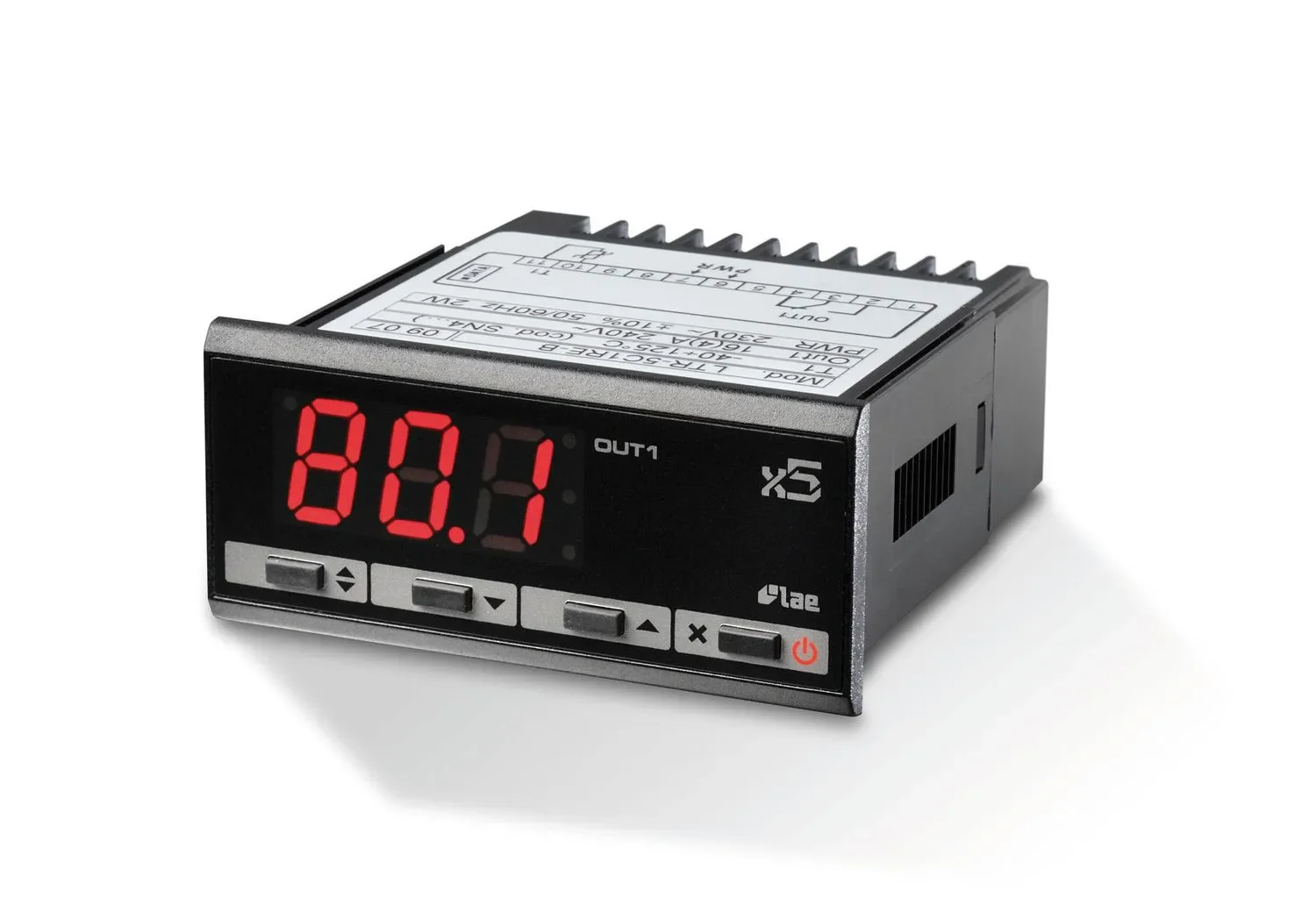
. For precise control afterwards, a programmable thermostat such as the .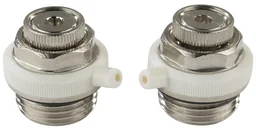
Additional advice
Plan the replacement for the warmer months. Heating engineers have more availability then, and you will not be left sitting in a cold room. Use the opportunity to insulate heating pipes.
How can I save energy with the right heating system?
Saving energy starts with the technology and continues with how you use it. The greatest benefits come from combining both.
Use smart thermostats
Programmable thermostats automatically lower the temperature while you are asleep or away from home. Smart models learn your habits and continuously optimise heating times.
It not only controls the temperature but also shows you your energy consumption. This helps you identify energy guzzlers in your home. App control offers maximum convenience.
Balance your heating system hydraulically
During hydraulic balancing, a heating engineer adjusts the heating system so that each radiator receives exactly the amount of water it needs. This prevents flow noises and ensures that all rooms are heated evenly.
This is one of the most effective measures for saving energy. It reduces the return temperature and relieves the heating circulation pump. It is often eligible for government funding.
“Many homeowners underestimate the impact of hydraulic balancing. It is like tuning the engine of a car. Only when all components work together optimally can you drive economically and comfortably.”
Optimise your heating habits
Lower the room temperature by 3 to 5 degrees at night and when you are away. Every degree lower saves around 6 percent on heating energy. Do not heat your home with windows left ajar.
Ventilating briefly for 5 to 10 minutes with the windows fully open is more efficient. Do not place furniture directly in front of radiators or cover them with long curtains. This also applies to radiators in the garden shed or conservatory.
Underfloor heating vs. radiators: which is better?
Underfloor heating distributes warmth evenly throughout the room. It operates at low flow temperatures, making it ideal for heat pumps. Radiators respond more quickly to temperature changes.
Advantages of underfloor heating
It provides a comfortable radiant heat climate without cold feet. It raises very little dust, which allergy sufferers appreciate. Furniture can be placed freely because there are no radiators taking up wall space.
The disadvantages are the high installation costs in existing buildings and its slow response. Adjusting the temperature can take several hours.
Advantages of traditional radiators
Radiators are more affordable to buy and retrofit. They respond to thermostat signals within minutes. Drying towels on bathroom radiators is a practical additional benefit.
For many garden sheds or workshops, retrofitting radiators is the simpler solution. Make sure you choose frost-proof models.
Practical tips for installation and maintenance
You can extend the life of your heating system with regular maintenance. You can carry out some tasks yourself, while others require professionals.
Bleed radiators regularly
Gurgling noises and radiators that are cold at the top are warning signs of air in the system. Bleed all radiators at the beginning of the heating season. Use a suitable tool from our hand tools category.
This makes bleeding radiators particularly easy. After bleeding, check the system pressure in the boiler and top up the water if necessary.
Set thermostat valves correctly
The numbers on the thermostat head correspond approximately to the following temperatures: Setting 3 = 20°C, Setting 4 = 24°C. Do not keep adjusting the valves. Instead, choose a comfortable setting and let the controls do their job.
Thermostats with a frost protection function are suitable for rooms that are only used occasionally. They prevent the pipes from freezing without fully heating the room.
With the right choice and proper care of your radiators, you can create a comfortable home and keep heating costs under control. Modern technology and conscious heating are the keys to success.
Frequently asked questions
- Which radiator is the most efficient?
- Panel radiators with convector fins (Type 22/33) are considered particularly efficient because they emit heat through both radiation and convection. Their efficiency depends heavily on choosing the right size for the room and combining them with programmable thermostats. Hydraulically balancing the entire system further optimises energy consumption.
- When should I replace my radiators?
- Replace radiators when they no longer heat up properly despite being bled, are badly corroded or have leaks. Replacement is also worthwhile when changing your heating system, such as switching from oil to gas or a heat pump. New models are significantly more energy efficient and reduce your heating costs.
- Can I bleed radiators myself?
- Yes, bleeding radiators is easy to do yourself with a suitable radiator key or a special radiator bleeder such as PRODUCT_72819. Turn the heating up, hold a container under the valve and open it slightly until only water comes out. Close the valve firmly straight away.
- What are the benefits of a smart thermostat?
- Smart thermostats such as PRODUCT_9473 learn your habits and automatically adjust heating times. You can control the heating via an app while away from home and monitor energy consumption. This means you only heat when necessary and can save up to 10 percent on heating costs. The investment often pays for itself within a few heating seasons.
- Can a bathroom radiator also be used to dry towels?
- Yes, towel radiators such as PRODUCT_115377 combine room heating with a practical rail for hanging and drying towels. Make sure the heating output (Watt) is sufficient for the size of your bathroom. Electric models can also be used in summer solely for drying without operating as a heater.
You may also be interested in
- Radiator review and comparison 2026
- Choosing a radiator: consider the technical specifications
- Home heating systems: costs and efficiency compared directly
- Heating systems at a glance: use heat distributors efficiently
- Find the right heating system for your home
- Low-temperature radiators: efficient heating with a heat pump