
In brief: For new builds and well-planned renovations, underfloor heating usually offers greater comfort and works efficiently with low flow temperatures. Radiators are a better choice if you want to heat rooms quickly, are planning minimal floor construction or only want to modernise individual rooms. Insulation, the heat source, ceiling height and your renovation budget are all key factors.
Radiators or underfloor heating? The right answer depends on your building, heat source and planned renovation work. Both systems can heat a home reliably and comfortably. However, they differ significantly in response time, flow temperature, space requirements, installation and cost.
The heating system comparison starts with heat distribution. Radiators usually release heat into the room through convection and radiation. Underfloor heating uses the entire floor surface as a heating area and distributes heat more slowly, but particularly evenly.
It is not just the feeling of warmth that matters. Before choosing a system, check the heat load, insulation, existing heating system, floor construction and desired room temperature. A modern system will achieve little if the heating surfaces are incorrectly sized or the controls are not matched to the building.
How do radiators and underfloor heating differ?
Radiators are usually mounted on the wall and transfer heat across a comparatively small area. They respond quickly to changes at the thermostat. This suits rooms that you only use occasionally or where you want the temperature to change quickly.
Underfloor heating is installed beneath the floor covering. The screed or dry-construction layer stores heat and releases it over many hours. This makes the system slow to respond, but with good controls it keeps the temperature very stable.
| Criteria | Radiators | Underfloor heating |
|---|---|---|
| Heat output | Mainly convection and radiation from the wall | Large-area radiant heat from the floor |
| Flow temperature | Often higher, depending on design and heat load | Usually lower, often around 25 to 40 degrees Celsius |
| Response time | Fast | Slower, usually faster with dry-construction systems |
| Installation | Easier with the existing room layout | More complex with finished floors and low ceiling height |
| Space required | Requires wall space | No visible heating surfaces on the walls |
| Heat sources | Can be combined with many heating systems | Particularly well suited to heat pumps and condensing technology |
Radiators: fast, visible and easy to retrofit
Radiators heat a room quickly as soon as hot water flows through the pipes. Modern models can use significantly lower flow temperatures than old ribbed radiators. However, they must be large enough and suited to the room’s heat load.
During a renovation, you can often replace radiators without opening up the entire floor. This reduces construction time and mess. Individual rooms can also be modernised independently, such as a home office, guest room or bathroom.
Underfloor heating: even warmth from a large surface
Underfloor heating distributes warmth across the entire floor surface. This avoids particularly hot areas directly beside a radiator and cold zones on opposite walls. The pleasant feeling of warmth often allows you to set a slightly lower room temperature without losing comfort.
The floor covering affects performance. Tiles and natural stone conduct heat very well. Parquet, laminate, vinyl and carpet also work if the manufacturer approves the covering for underfloor heating and its thermal resistance is suitable for the system.
“The lower the flow temperature, the more efficiently the heat pump operates.”
What are the benefits of underfloor heating?
The main benefits of underfloor heating are even heat distribution, a low flow temperature and greater freedom when designing rooms. The system is particularly well suited to well-insulated buildings with a heat pump or modern condensing boiler.
Even radiant heat improves comfort
Underfloor heating warms the room across a large surface. Heat does not rise from just one point on a wall, but spreads more evenly throughout the living area. This reduces temperature differences between the floor, sitting height and ceiling.
You also gain more freedom when arranging the room. Furniture, curtains and desks do not need to avoid radiators. More wall space remains available for shelving, kitchen units or large windows.
Low flow temperatures suit efficient heat sources
Heat pumps operate particularly efficiently when the temperature difference between the heat source and heating system remains small. The large surface area of underfloor heating provides sufficient warmth even with comparatively cool heating water. This can improve system efficiency, but it does not replace a correct heat load calculation.
A condensing boiler also benefits from low return temperatures. The better the heat transfer works, the more energy the system can extract from the heating water. Savings always depend on the building, system and controls.
Less visible technology in the living space
The heating surface is hidden beneath the floor. This makes it easier to create a calm room design and prevents radiators from becoming dust traps or obstacles when arranging furniture. For allergy sufferers, however, the system is not a substitute for regular ventilation and cleaning, as indoor air still contains dust and pollen.
- Comfort: Heat is distributed across a large area and evenly.
- Efficiency: Low flow temperatures support heat pumps.
- Design: Walls remain free for furniture and windows.
- Coverage: Large rooms can be heated without several visible radiators.
Expert tip
Plan underfloor heating room by room. Have the heating circuits, pipe spacing and floor covering matched to the individual heat load. Areas with large windows or a high proportion of external wall may require closer pipe spacing.
What radiator disadvantages should you know about?
The main disadvantages of radiators concern their visible design, space requirements and often higher flow temperatures. Old or undersized radiators can also force you to operate the heating system at unnecessarily high temperatures.
Higher flow temperatures can limit efficiency
A small radiator must become hotter to provide the same amount of room heat as a large heating surface. This is particularly disadvantageous with heat pumps. If you want to combine a heat pump with radiators, check the radiator size and heat load of every room.
Often, it is enough to replace individual old models with larger low-temperature radiators. A blanket setting for the entire house is not sufficient. Rooms with a lot of external wall, large windows or little insulation usually require more heating output.
Radiators need wall space and affect room layout
Radiators are often installed under windows, on external walls or where suitable pipework is available. Cabinets, sofas and curtains must not significantly obstruct heat output. An unfavourable room layout reduces air circulation and can heat the room unevenly.
Not every resident finds visible technology distracting. In small rooms, however, it can take up valuable wall space. In the bathroom, a wall-mounted radiator also offers the option of drying towels, but it requires space for this as well.
Fast response requires suitable controls
Radiators respond quickly. This is an advantage when you need heat at short notice, but it can also lead to frequent readjustment. Thermostatic valves, room sensors and time programmes should work together so that the system does not constantly switch between heating up and cooling down.
Gurgling, cold-at-the-top or only partially warm radiators need attention. Bleed them according to the instructions and then check the system pressure. For maintenance in existing systems, for example,
. You can also find accessories and maintenance supplies, as well as suitable hand tools for smaller jobs.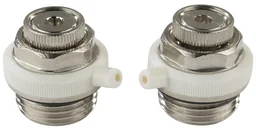
Important note
Work on heating systems involving pressure, electrical connections or gas may only be carried out by qualified professionals. Do not open secured components or adjust valves on the heating manifold if you cannot safely assess how the system works.
Which heating system is right for new builds, older buildings and individual rooms?
In a new build, you can coordinate the heating system with the building envelope, heat source and floor construction from the outset. During a renovation, however, the existing screed often determines the options. For individual rooms, the main considerations are how much building work you are prepared to accept and how quickly the heat should be available.
In a new build, there is much to be said for underfloor heating
If you are planning the floor construction, insulation and building services from scratch, underfloor heating can be integrated neatly. You can divide the heating circuits according to room size and specify pipe spacing to suit the heat load. A heat pump makes particularly good use of the low system temperatures.
Nevertheless, plan access to manifolds and space for the controls. Large rugs, very low furniture or floor coverings installed later can affect heat output. Follow the technical specifications of the floor covering manufacturer.
During renovation, the floor construction is the deciding factor
A conventional wet underfloor heating system requires space for the insulation layer, pipes, screed and floor covering. In older buildings, the existing room height is not always sufficient. Doors, stair connections and skirting boards may also need to be adjusted.
Dry systems or slim renovation systems reduce the build-up height. They usually respond more quickly and are suitable for certain renovation projects. Before making a decision, check the load-bearing capacity of the substrate, the condition of the screed and the height of the connection areas.
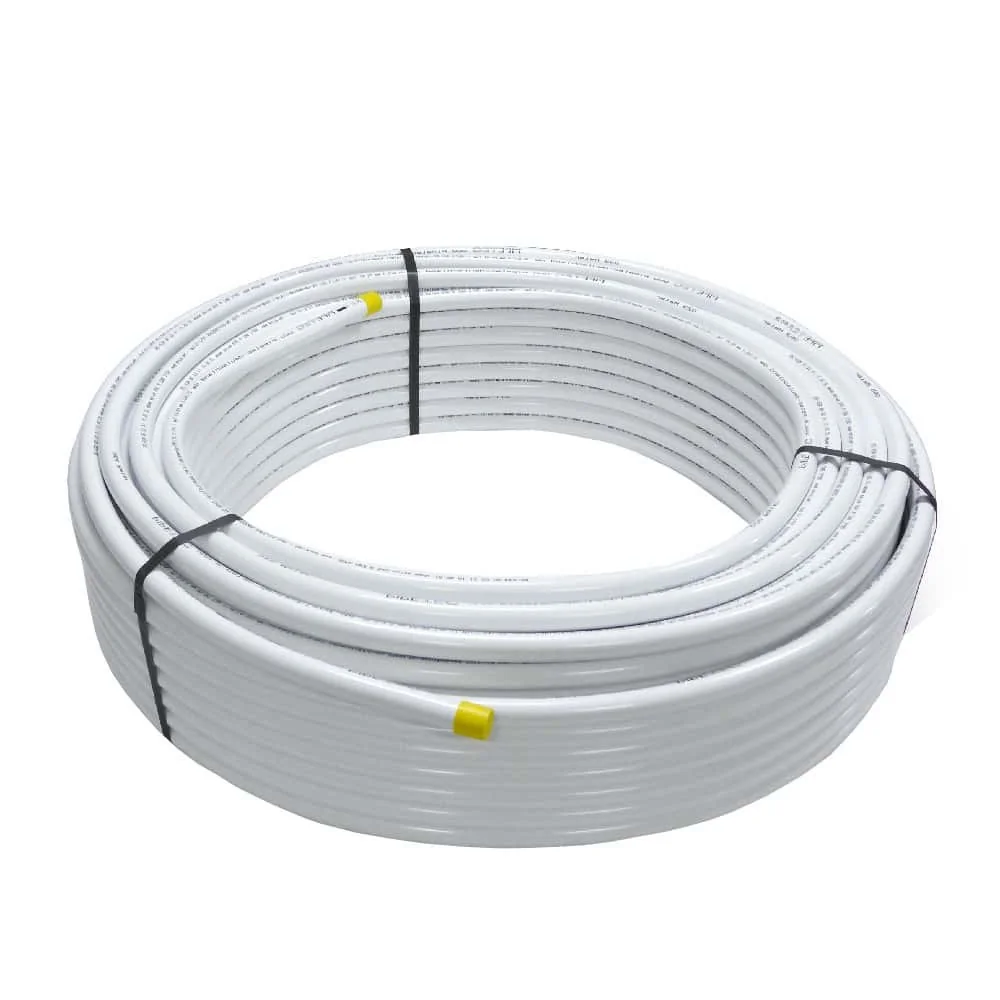
For a water-based system, the pipe system is part of the overall plan. A suitable product example is
In individual rooms, radiators are often more cost-effective
If only one room is being renovated, underfloor heating often involves more work than necessary. A new radiator can be installed more quickly and connected to the existing system. This applies particularly to basements, guest rooms, workshops or rooms converted at a later date.
In the bathroom, fast heat is also important. A wall-mounted bathroom radiator such as
can supplement room heating and warm towels. For pipework, connections and plumbing work, you will find suitable products in the Sanitary + Irrigation category.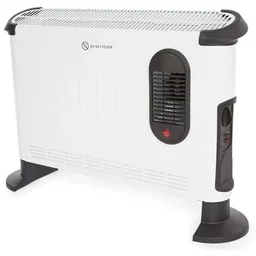
- Choose underfloor heating: If you are building a new home, replacing the floor anyway or working with a heat pump.
- Choose radiators: If you want to retrofit quickly, heat individual rooms or do not want to open up the floor.
- Choose a combination: If living areas are fitted with underfloor heating and adjoining rooms use low-temperature radiators.
- Review the planning: If the floor height, insulation, heat load or existing pipework is unclear.
Additional advice
Do not compare heating surfaces alone. Have the entire system assessed: heat generator, pipe network, pump, controls, insulation and hydraulic balancing. An inexpensive installation can become costly in the long term if the system subsequently operates at excessively high temperatures.
How Much Does Comparing Heating Systems Cost?
There is no one-size-fits-all answer to the question of cost. The decisive factors are floor area, condition of the building, heat source, pipe routes, flooring and the number of heating circuits. In a new build, costs are distributed differently than in a renovation involving removal work, screed work and new surfaces.
| Cost factor | Radiators | Underfloor heating |
|---|---|---|
| Heating surfaces | One or more radiators per room | Pipe system, heating circuit manifold and controls |
| Building work | Usually minimal work when existing pipes are used | Depending on the system, opening the floor, installing the structure and fitting new flooring |
| Planning | Heat load and radiator sizing | Additional planning for circuits, spacing and floor structure |
| Maintenance | Valves, bleeding, cleaning and balancing | Manifold, actuators, flow rates and pump |
Consider purchase and installation costs separately
When you buy a radiator, you are paying for more than just the unit. Pipework, valves, thermostatic heads, installation and any required hydraulic balancing must also be included in the calculation. With underfloor heating, you also need to account for the pipe system, manifold, controls, insulation, screed and flooring.
If you are renovating anyway, the additional work involved with the floor will be less significant. If a finished floor has to be removed solely to install the heating, the bill can quickly increase. So ask for quotes that clearly itemise all additional work.
Running costs depend on the system temperature
Efficiency does not depend solely on the type of heating surface. A correctly sized radiator can operate at a low flow temperature. A poorly planned underfloor heating system with unsuitable flooring, incorrect controls or insufficient insulation, on the other hand, will not deliver its full benefits.
Also consider how easily the system can be controlled. Underfloor heating is better suited to maintaining consistent temperatures. Radiators respond better to short-term temperature reductions. Which strategy is more economical depends on how the building is used, the building envelope and the heat source.
Plan for service life and maintenance
Radiators can be replaced or repositioned individually. With underfloor heating, the pipes are protected inside the floor, but repairs are more complicated if damage occurs. A professional pressure test before the floor structure is closed and documented pipe installation reduce the risk.
When calculating costs, also include electricity for the pump, controls and any replacement parts. You can find products and accessories for ongoing maintenance in the shop. The specific choice should be compatible with your existing heating system.
How Can You Get the Best Performance from Your Heating System?
Regardless of the type of heating surface, the settings determine comfort and energy use. A heating system only works efficiently when heat demand and heat output are properly matched. So avoid using the same settings for every room.
Which settings save energy?
- Calculate the heat load: Determine the demand for each room and size heating surfaces based on calculations rather than guesswork.
- Lower the flow temperature: Test the lowest temperature at which all rooms can still be kept reliably warm.
- Balance the system hydraulically: Adjust the flow rates and valves so that each heating circuit receives the required amount of water.
- Control each room separately: Use suitable thermostats or room controllers and avoid leaving windows open while the heating is running.
- Reduce heat loss: Check windows, doors, roller shutter boxes and uninsulated pipes.
What does maintenance involve?
With radiators, regularly check the thermostatic valves, bleed them when necessary and inspect visible pipe connections. Underfloor heating also requires maintenance: a qualified contractor checks the heating circuit manifold, actuators, flow rates, pump and system pressure.
Have the system balanced again after any alterations. Even a new radiator, a different floor covering or a changed room layout can affect heat distribution. Record the settings and heating circuits so that future work can be completed more quickly.
“Underfloor heating operates at low flow temperatures, making it particularly well suited to heat pumps.”
Conclusion: Underfloor heating is particularly well suited to new builds, extensive renovations and homes with low flow temperatures. Radiators remain the flexible solution for rapid heat, individual rooms and renovations that require minimal work to the floor. Choose based on the building, heat source and construction work involved—not on the heating system alone.
Frequently Asked Questions
- Is underfloor heating always more economical than radiators?
- No. Underfloor heating can operate efficiently because of its low flow temperature, but it does not automatically use less energy. Insulation, heat load, controls, heat source and correct design are the key factors. A modern, sufficiently large radiator can also operate efficiently with a heat pump. Your heating habits also affect energy use.
- Which is better in an older home: radiators or underfloor heating?
- In an older home, the floor structure is the deciding factor. Radiators are usually suitable for quick modernisation because pipes and wall surfaces remain more accessible. Underfloor heating is worthwhile if you are already replacing the screed, flooring and insulation. Calculating the heat load and checking room heights can help prevent expensive mistakes.
- What flow temperature does underfloor heating need?
- Underfloor heating often operates with a flow temperature of around 25 to 40 degrees Celsius, depending on the heat load, flooring and floor structure. Radiators often require higher temperatures, although modern low-temperature models need less. A qualified contractor determines the exact setting after calculating the requirements and hydraulically balancing the system.
- Can I combine underfloor heating with a heat pump?
- Yes. The combination works well because heat pumps favour low flow temperatures and underfloor heating uses them across a large surface area. Make sure the heat load is calculated correctly and that the control response times and heating surfaces are suitable. In individual rooms, sufficiently large low-temperature radiators can usefully complement underfloor heating.
- How do I bleed and maintain radiators correctly?
- Carefully bleed a radiator that is gurgling or cold at the top, then check the system pressure and top up the water if necessary. If you have air problems with underfloor heating, do not attempt to fix them yourself at the manifold. A qualified contractor should check the flow rates, pump, valves and hydraulic balancing.
You might also be interested in
- Find the right heating system for your home
- Heat pump vs. gas heating: Which heating system is right for you?
- Underfloor heating: Benefits, types and installation explained
- Heating systems for your home: Costs and efficiency compared
- Radiator types compared: Efficient heating made easy
- Calculating underfloor heating: How to make the right choice